


Gold Gilded Overmantel Mirror
A gold gilded overmantel mirror brings brightness and architectural scale to a room, hung traditionally above a fireplace mantel.
Gold Gilded Overmantel Mirror
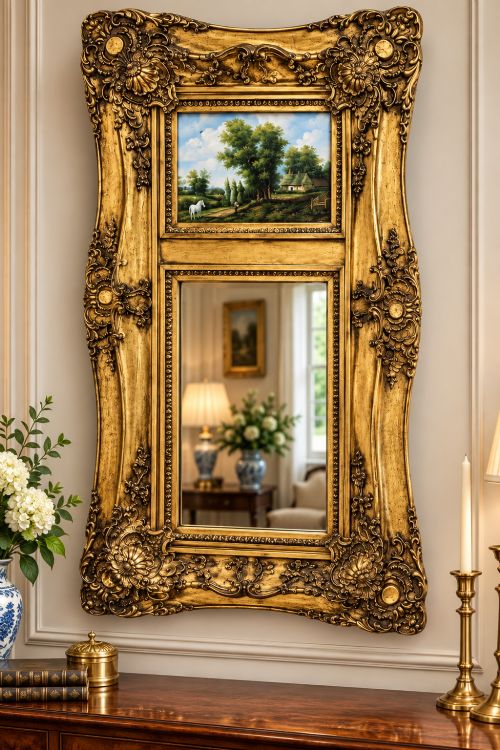
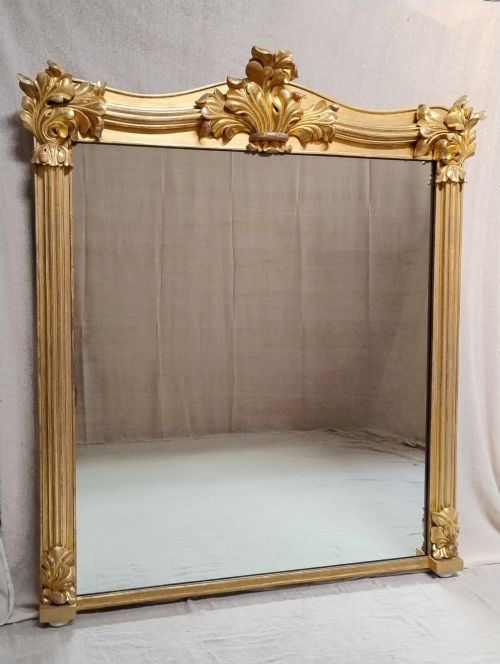
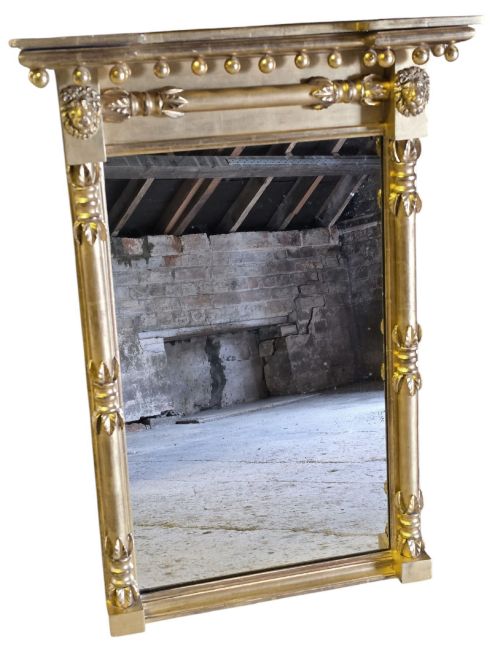
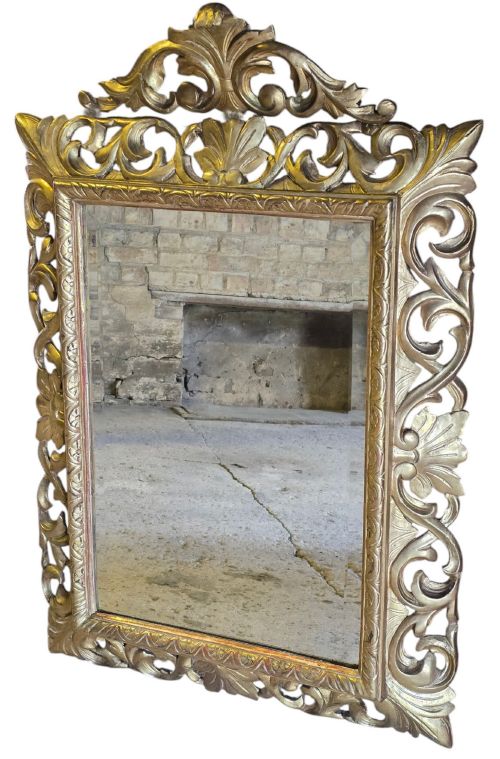
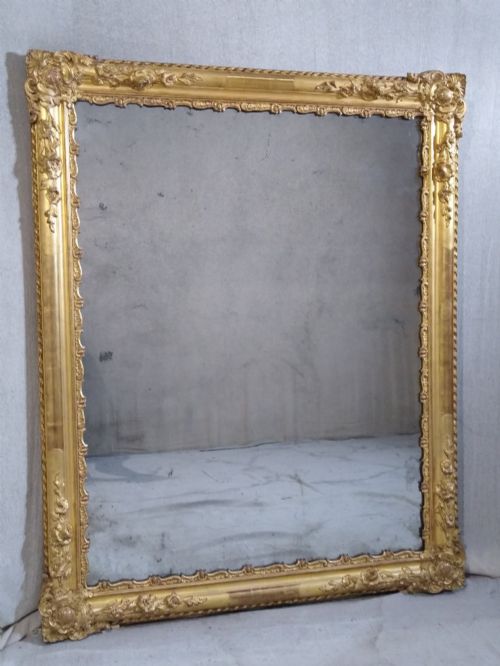
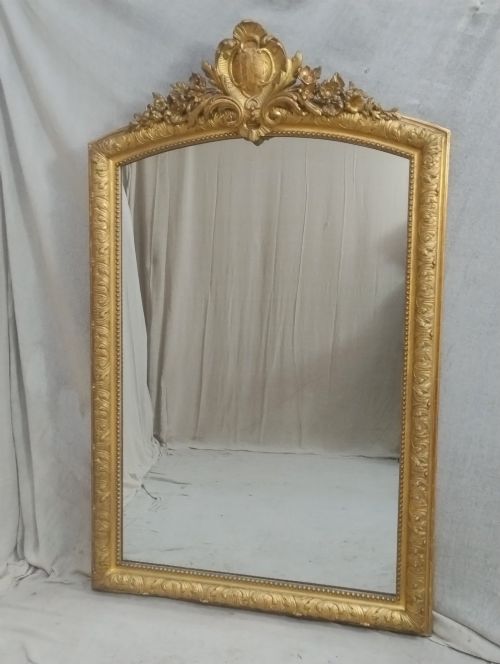
A gold gilded overmantel mirror sits above a fireplace, designed to reflect light and fill the expanse of a chimney breast. These pieces span periods from the eighteenth century through the Victorian era and into the early twentieth century, showing substantial dimensions and decorative frames.
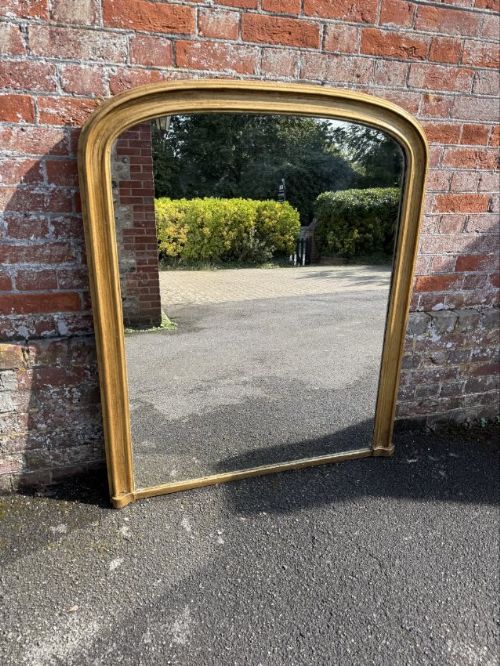
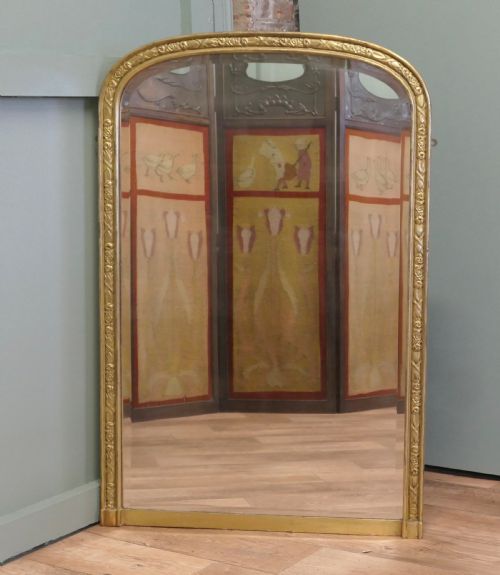
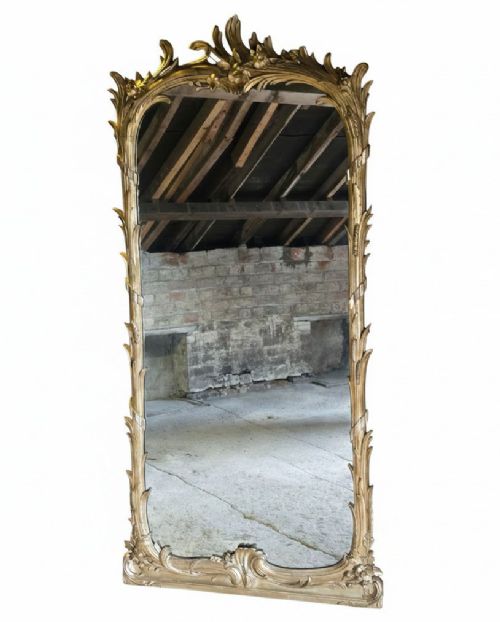
The selections available lean heavily towards nineteenth-century English and French examples. Buyers encounter arched tops, rectangular wall formats, and tall proportions suited for resting on a mantel or leaning directly against a wall.
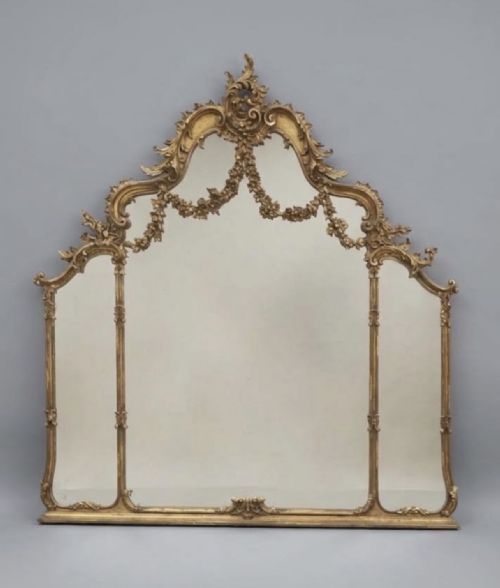
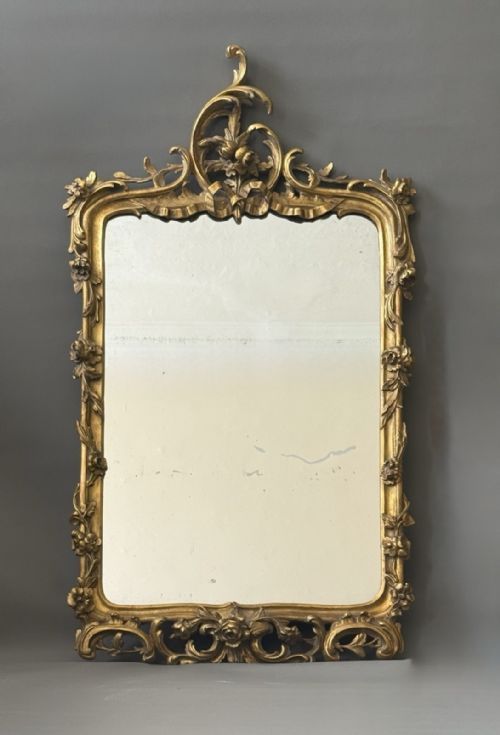
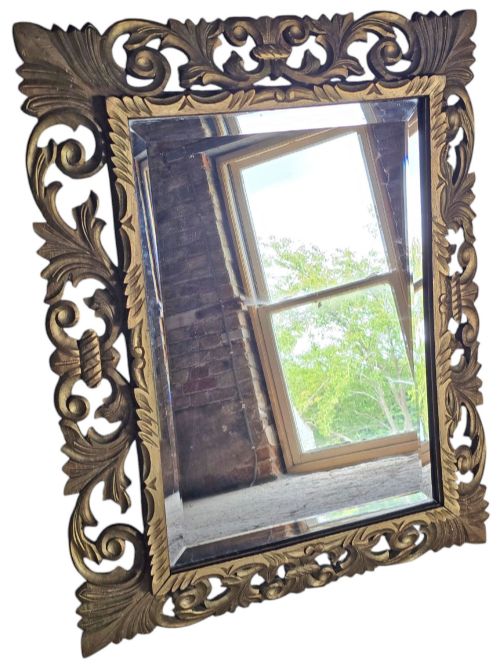
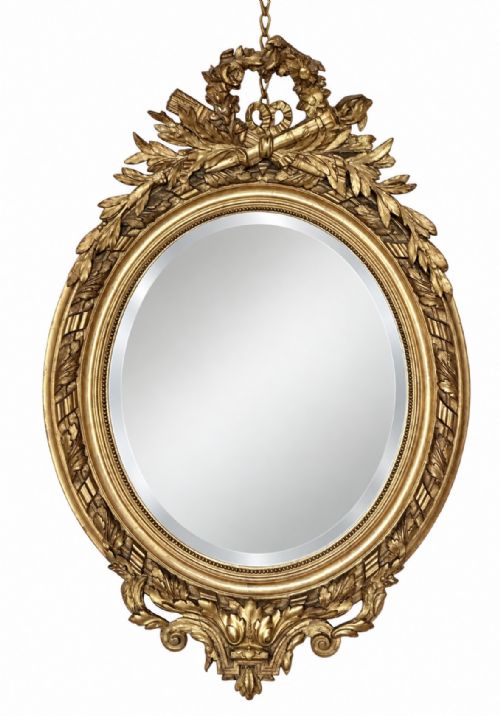
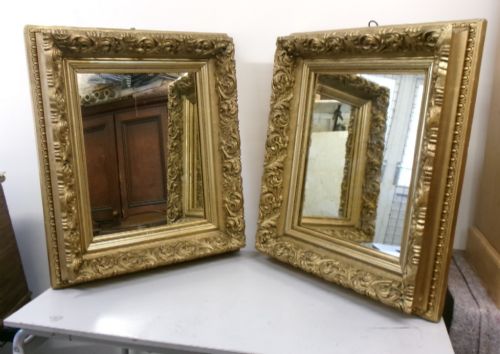
Stylistic variations draw heavily on Regency, Rococo Revival, Louis Philippe, and Florentine designs. The frames frequently exhibit carved wood, gesso, and ornate crests, defining the visual presence of the object.
How They Were Made
Makers built the structural frames primarily from wood, applying layers of gesso to smooth the surface before applying gold leaf or gold gilding. Composition ornament moulded from putty provided repeatable decorative motifs like acanthus leaves and floral garlands.
Mirror plates relied on traditional manufacturing techniques, with older examples incorporating antique or mercury glass that exhibits characteristic foxing. Frames combined carved wooden elements with applied plaster casts, finished with burnished or matte metallic leaf.
Some nineteenth-century frames hid secret wooden dowels inside their plaster scrolls to hold heavy olive green ribbon crests aloft.
What Varies in Quality
The crispness of the carved wood and the depth of the gesso detailing separate standard frames from superior examples. Hand-carved elements display sharper relief and cleaner intersections than mass-produced composition ornament.
The retention of original gilding and the condition of the mirror plate dictate the visual integrity of the piece. Older plates showing natural oxidation sit alongside clearer replaced glass, altering the historic character of the mirror.
The Gold Gilded Overmantel Mirror Glossary
- Gesso
- A plaster mixture applied to wooden frame foundations to provide a smooth, carvable surface for gold leaf application. It allows intricate relief work to be formed before gilding.
- Giltwood
- Timber frames covered in thin sheets of gold leaf or metallic powder. This material gives the characteristic warm reflection associated with antique mirrors.
- Overmantel
- A large mirror specifically proportioned to hang on the wall directly above a fireplace mantelpiece. They often match the horizontal span of the hearth below.
- Mercury glass
- Older mirror plates produced using a tin and mercury amalgam backing before the adoption of modern silvering techniques. This glass develops characteristic dark spots known as foxing over time.
- Composition
- A moulded mixture of whiting, resin, glue, and linseed oil pressed into decorative ornaments for frames. It provided a cost-effective alternative to hand-carved wood.
Gold Gilded Overmantel Mirror: Frequently Asked Questions
How do I hang a heavy overmantel mirror?
These heavy wooden frames require secure wall anchors fixed directly into structural studs or masonry. Professional hanging hardware distributes the substantial weight safely.
Alternatively, many large examples sit securely on the mantelpiece while anchored to the wall with safety brackets to prevent tipping.
What is foxing on mirror glass?
Foxing refers to the small dark spots and mottled patches that develop on older mirror plates over time. This chemical reaction occurs beneath the glass surface.
Many collectors value foxing as an authentic indicator of age, particularly on eighteenth and nineteenth-century glass.
Can these mirrors rest on the floor?
Tall variants function effectively as leaner mirrors placed directly on the floor against a wall. This positioning creates a dramatic vertical element in bedrooms or reception rooms.
Placement at floor level works best with substantial frames that maintain visual stability without hanging.
How do I clean a gilded frame?
Dust gilded wood gently with a soft, dry brush to prevent damage to fragile gold leaf and gesso. Avoid liquid cleaners and chemical sprays entirely.
Moisture can lift the delicate metallic surface from the underlying composition ornament over time.