

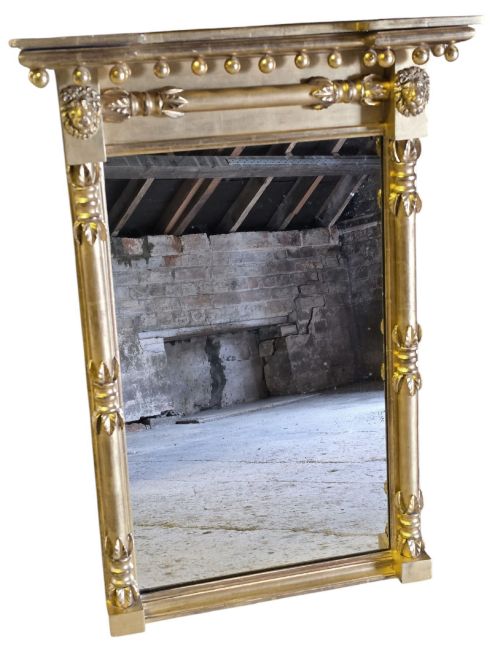
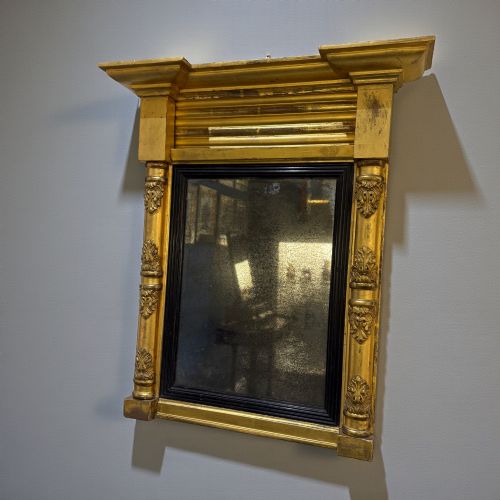
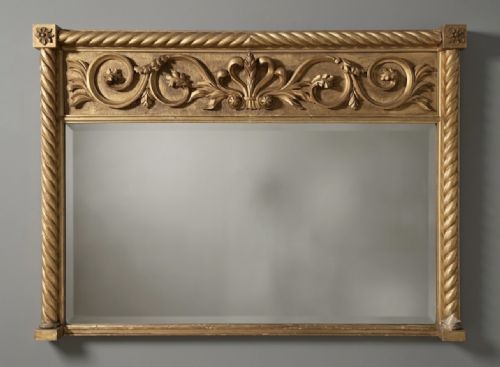
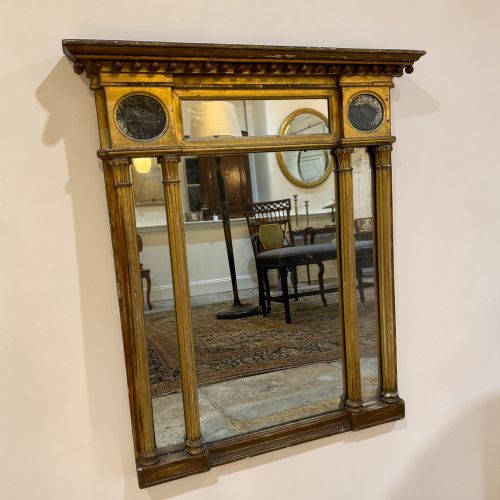

Classical Regency Mirror
When a classical regency mirror catches the eye, it brings a structured architectural presence and bright reflective depth to a room.
Classical Regency Mirror
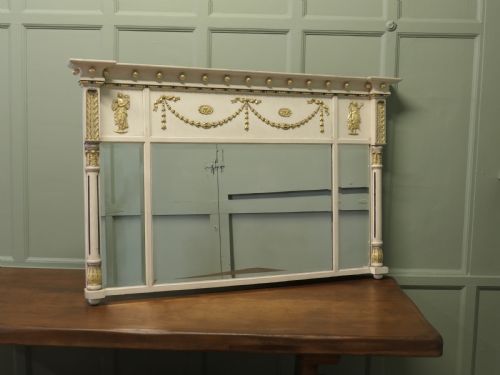
A classical regency mirror brings together formal architectural lines and bright reflective surfaces, originating primarily from the nineteenth century. Buyers searching this phrase look for pieces that anchor a room with period proportion and decorative weight.
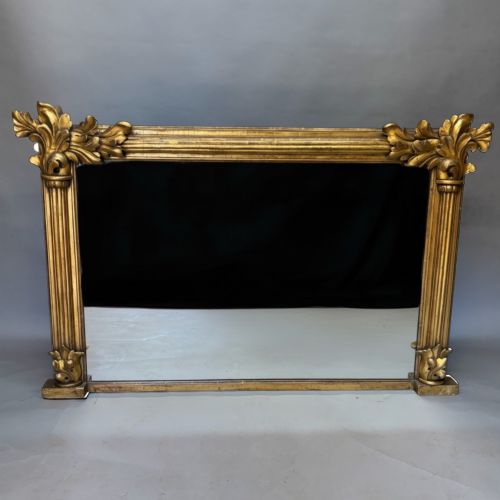
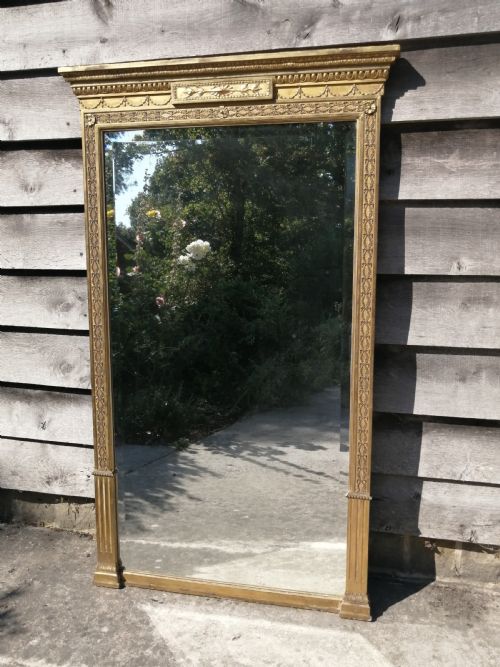
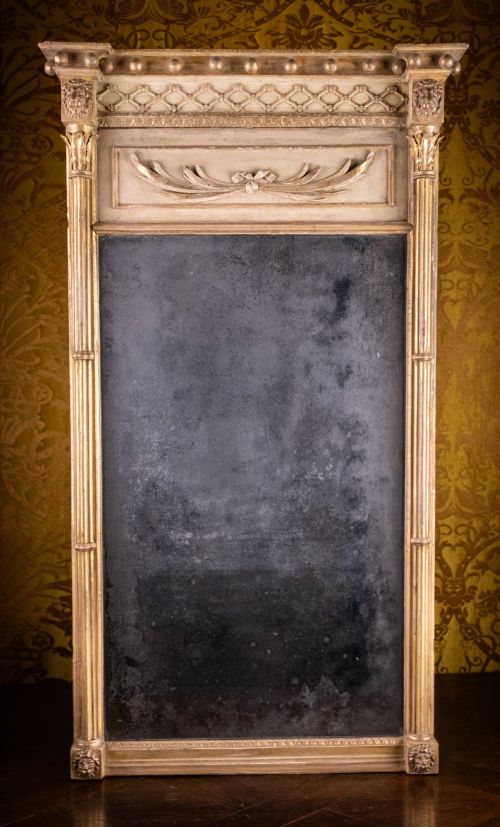
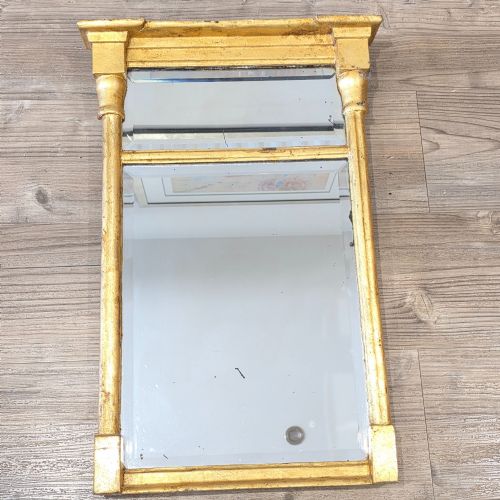
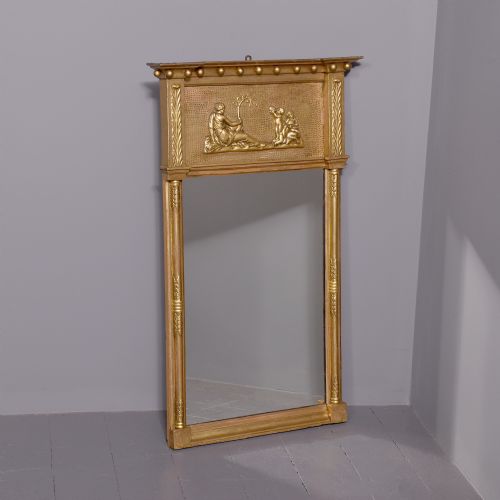
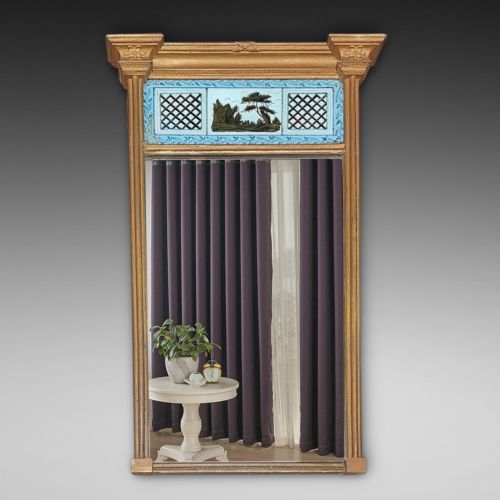
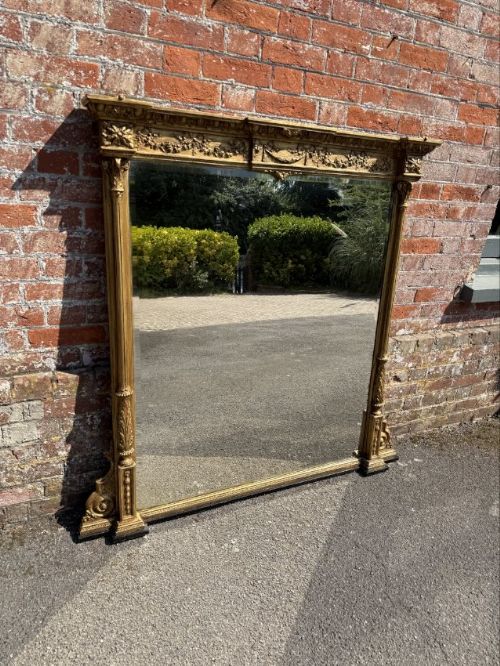
The most common formats found here include substantial overmantel mirrors designed to sit above a fireplace and vertical pier mirrors made to hang between windows. Many incorporate multiple glass plates or painted upper panels.
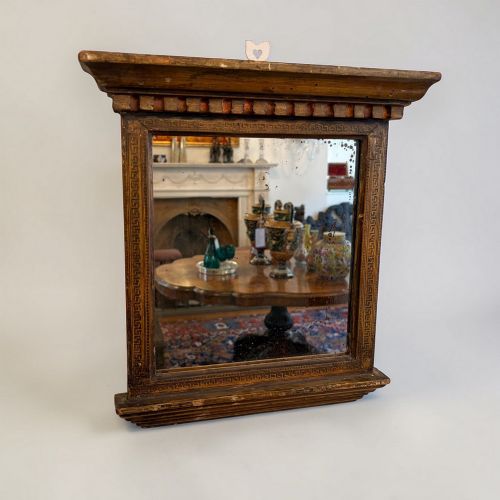
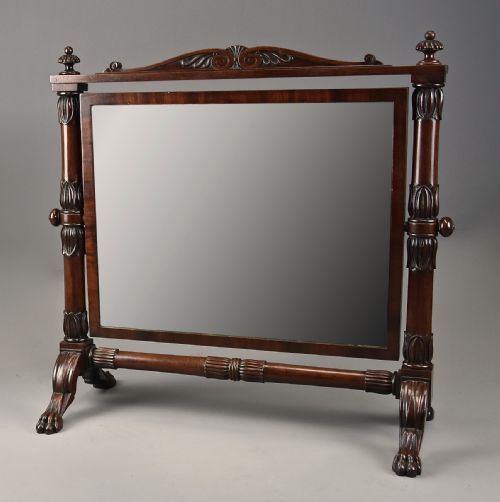
Makers and craftsmen of the period drew heavily on classical motifs, producing frames that balance restraint with gilded ornament. These designs range from simple mahogany and rosewood mouldings to elaborate giltwood structures.
How they were made
Frames rely on timber foundations such as mahogany, rosewood, and pine, which are then finished with carved detail or applied composition ornaments. Giltwood and parcel gilt finishes use gold leaf laid over gesso or paint to create a luminous surface.
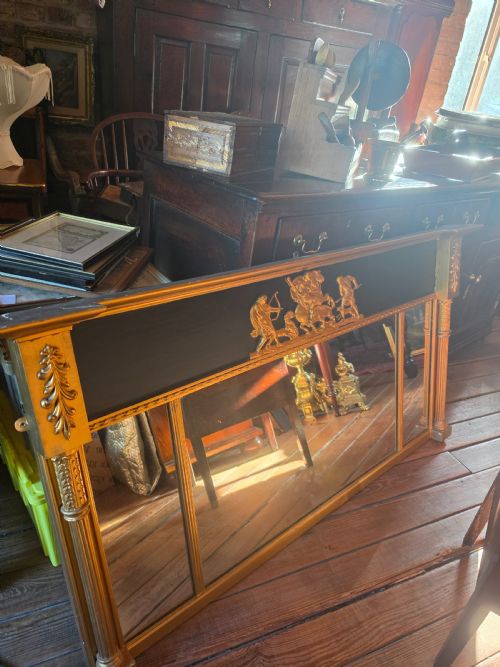
Many examples integrate specialised decorative elements like verre églomisé panels, where reverse-painted glass sits above the main mirror plate. Construction methods of the period often employ multiple plate glass sections joined within a single architectural frame.
Classical Regency Mirror Retail Price Guide 2026
Typical asking prices for classical regency mirror among the pieces listed under this phrase on Sellingantiques today, from the lower quarter to the upper quarter. They describe what is for sale here now, not the wider market.
Materials recorded across the inventory include giltwood, gesso, rosewood, mahogany, and verre églomisé panels.
What varies in quality
The distinction between tiers rests upon the crispness of the carving, the integrity of the original gilding, and the presence of period mirror glass. Superior examples retain their original surfaces and authentic decorative panels without heavy modern restoration.
Proportion and scale dictate the visual success of the piece, with better pieces exhibiting balanced classical motifs and harmonious framing. The depth of the moulding and the clarity of the underlying woodwork separate standard workshop production from finer studio output.
The Classical Regency Mirror Glossary
- Overmantel mirror
- A wide horizontal mirror specifically proportioned to hang on the wall directly above a fireplace mantelpiece. These often feature multiple glass plates.
- Pier mirror
- A tall vertical mirror designed to hang on the narrow section of wall between two windows, frequently paired with a console table below.
- Verre églomisé
- A decorative technique involving cold painting and gilding on the reverse side of glass panels, often featuring classical scenes or motifs.
- Giltwood
- Timber, usually pine or soft wood, coated in gesso and gold leaf to create a rich metallic surface finish.
- Parcel gilt
- A decorative finish where only specific carved portions of a painted or wood-grained frame are highlighted with gold leaf.
Classical Regency Mirror: Frequently Asked Questions
Where should I hang a classical regency mirror?
These mirrors suit principal reception rooms where their scale and reflective glass can amplify natural light. Placing an overmantel format above a fireplace remains the traditional placement.
Alternatively, a pier mirror works effectively between architectural windows or above a matching console table to create a balanced focal point.
How do I identify a genuine period piece?
Examination of the timber construction, backboards, and mounting hardware reveals the age and manufacturing methods used. Older pieces typically show hand-cut joinery and oxidized backing on the glass plates.
Gilt surfaces should exhibit natural wear and craquelure consistent with nineteenth-century preparation layers rather than modern uniform finishes.
What is the difference between single and triple plate mirrors?
Single plate mirrors feature one continuous sheet of glass within the frame, providing an unobstructed reflection. Triple plate versions divide the surface into three distinct sections, often separating a larger main glass from smaller upper panels.
This multi-plate construction reflects neoclassical design preferences for compartmentalized architectural wall decoration.
How do I care for antique mirror glass and frames?
Maintenance requires gentle dusting with a soft, dry cloth to protect fragile giltwood and composition mouldings from moisture damage. Cleaning the glass should be done sparingly using non-ammonia solutions applied to the cloth rather than directly sprayed onto the plate.
Preserving original silvering and painted verre églomisé panels means avoiding abrasive materials entirely.