
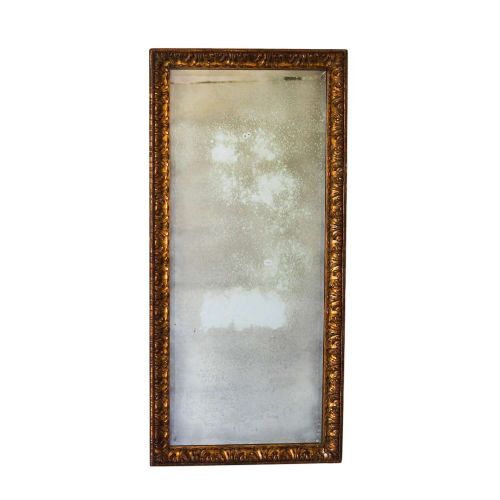
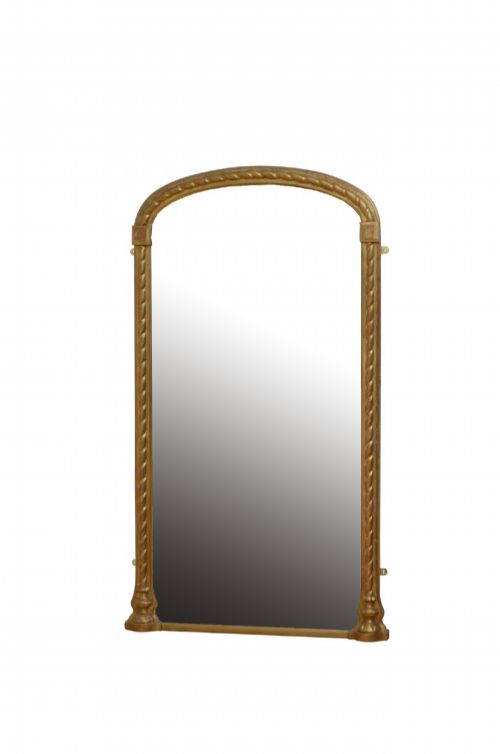
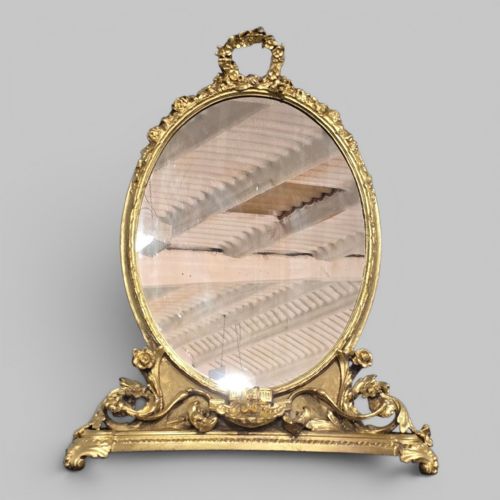
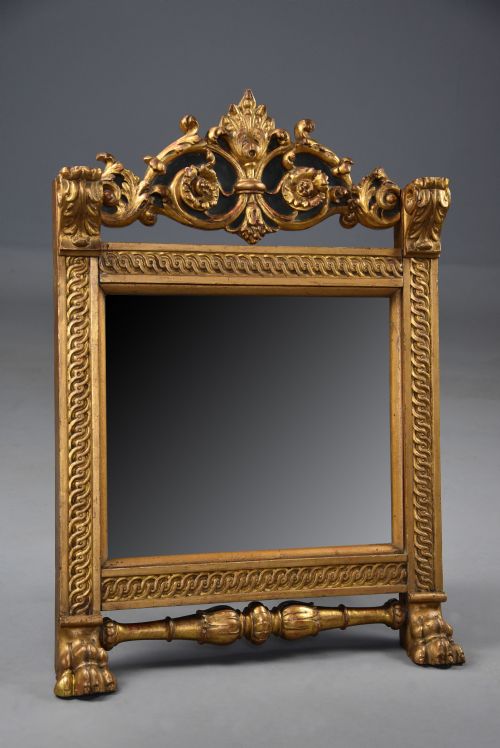


Gold Dressing Mirror
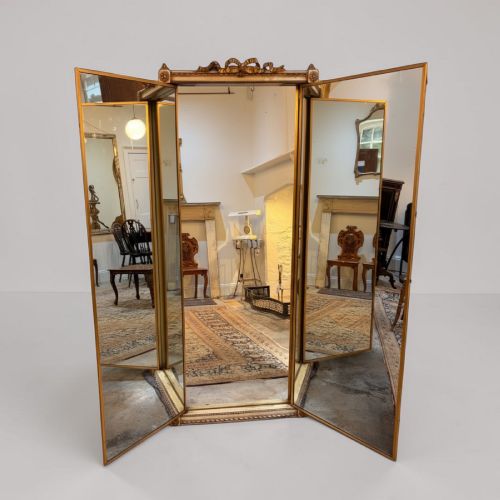
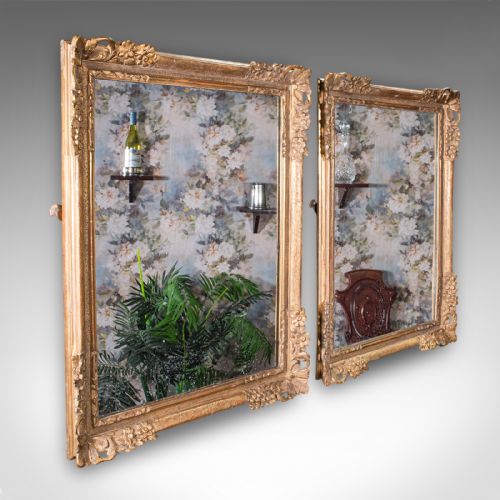
These pieces are gold dressing mirror designs, sourced for their reflective depth and rich metallic frames to anchor a room.
Gold Dressing Mirror
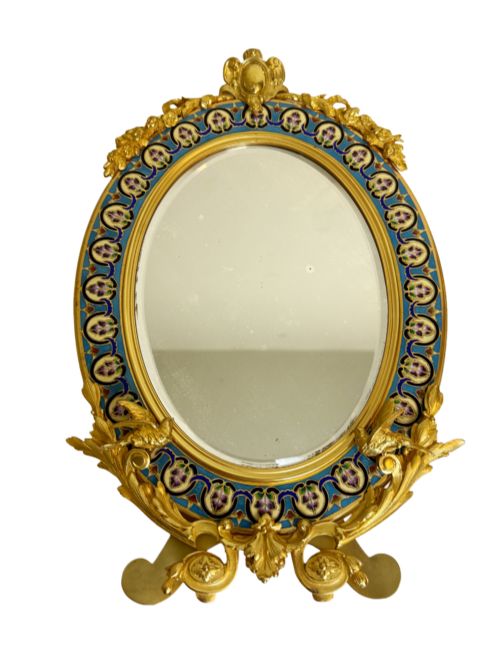
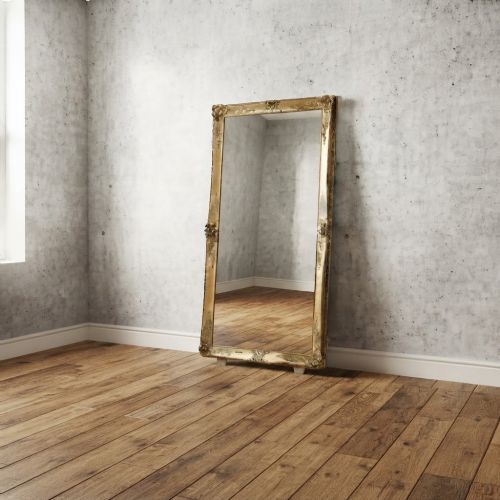
A gold dressing mirror brings functional reflection together with ornate architectural presence, serving both vanity and decoration. When searching this phrase, a buyer meets everything from compact tabletop and swivel toilet mirrors to towering cheval and full-length floor variants.
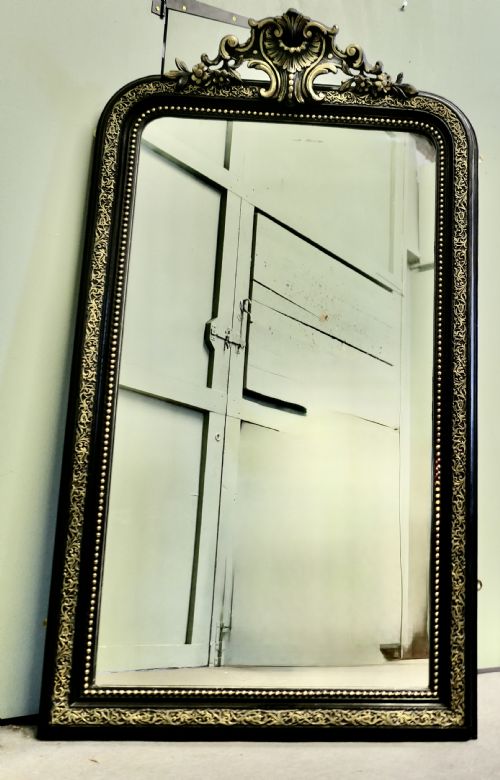
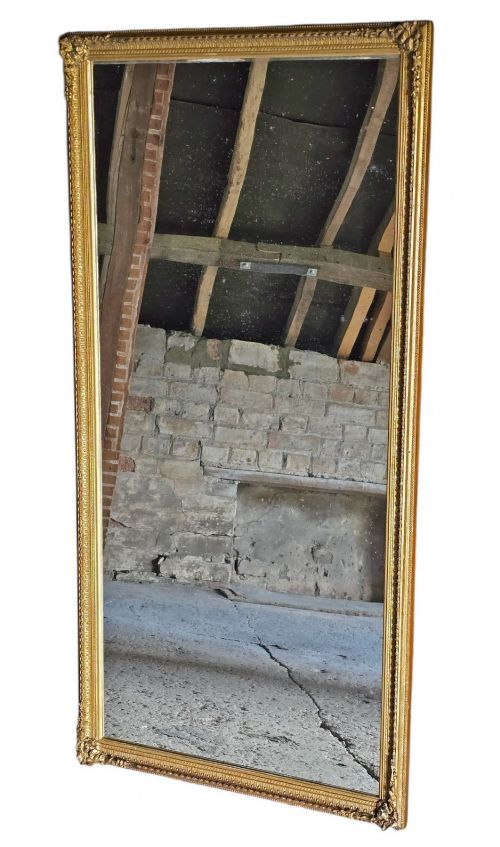
The selection spans the nineteenth century through the Edwardian era, leaning heavily on Victorian production and French stylistic revivals. Formats range from intimate easel-backed dressing table accessories to massive giltwood pier and leaner glasses designed for grand bedrooms.
How they were made
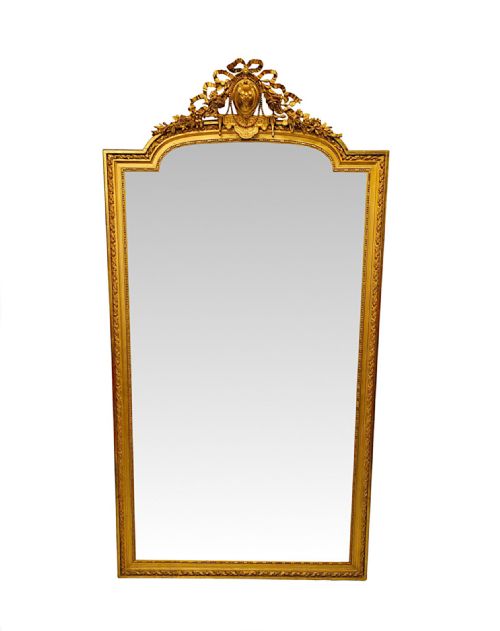
Giltwood, gesso and composition over carved timber form the structural backbone of these pieces, applied to create high-relief scrollwork and floral motifs. Artisans laid gold leaf onto prepared surfaces, burnishing the metal to achieve a deep lustre.
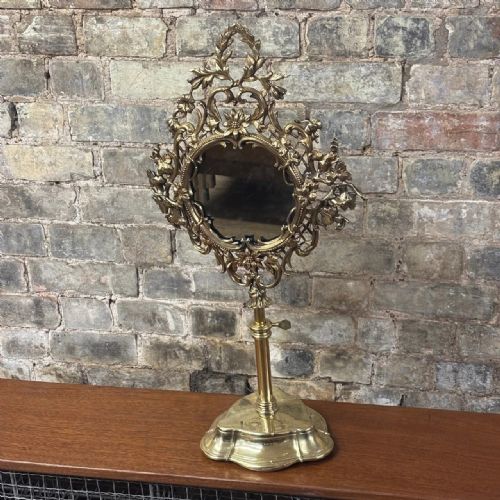
Brass and gilt bronze emerge frequently in smaller table designs, alongside cast elements and bevelled mirror glass panes. Ebonised touches and rope carvings appear on specific frames, showing diverse joinery and casting methods across English and continental workshops.
Periods represented span from eighteenth-century survivals through Victorian exuberance to early twentieth-century French designs.
What varies in quality
Quality rests upon the depth of the carving and the integrity of the original gilding rather than simple surface brightness. Hand-carved wooden ornament holds sharper definition than moulded composition applied over plain timber.
The presence of original bevelled mirror glass and undisturbed backing boards distinguishes finer examples from later assemblies. Heavier gauge brass castings and robust swivel pivots separate superior table mirrors from lighter commercial alternatives.
The Gold Dressing Mirror Glossary
- Giltwood
- Timber coated in gold leaf or powder over a prepared gesso base. This technique provides a warm metallic sheen that ages with a soft patina.
- Gesso
- A plaster mixture applied to wood frames to create a smooth surface for carving and gilding. It allows intricate relief ornamentation.
- Cheval mirror
- A freestanding full-length glass suspended on a vertical frame with pivots. It tilts to adjust the viewing angle.
- Pier glass
- A tall narrow mirror designed to hang on the wall between windows. It maximises light reflection in period rooms.
- Bevelled glass
- A mirror plate with edges angled and polished down to a thinner margin. This catches light and frames the reflection.
Gold Dressing Mirror: Frequently Asked Questions
How do I place a tall floor mirror safely?
Leaner mirrors require secure wall fixings near the base to prevent tipping, especially on thick carpets. Heavy frames distribute weight evenly when anchored directly into wall studs.
Positioning them opposite a window maximises natural light distribution across the room without direct glare.
What is the difference between a pier and a dressing mirror?
Pier mirrors were originally scaled to fit specific wall spaces between architectural openings, often featuring tall narrow proportions. Dressing variants are built specifically for personal grooming, appearing either as tabletop swivels or full-length floor pieces.
Many nineteenth-century examples overlap in function, serving equally well in hallways or dressing rooms.
How should I clean an antique gilt frame?
Dust giltwood and gesso surfaces gently with a soft dry brush, avoiding synthetic cleaning liquids that strip gold leaf. Moisture damages aged composition and flaking gesso.
Professional conservation is recommended for fragile or heavily tarnished leaf work.
Are tabletop mirrors sturdy enough for daily use?
Most antique table mirrors utilise brass or wooden side pivots that hold the glass steady at the chosen angle. Tightening the screws restores tension if the frame begins to slip.
Solid brass and heavy cast frames offer greater stability during daily adjustment than lighter compositions.