




Vintage Tall Dressing Mirror
A vintage tall dressing mirror delivers full-length reflection with period presence, anchoring a room while offering practical daily use.
Vintage Tall Dressing Mirror
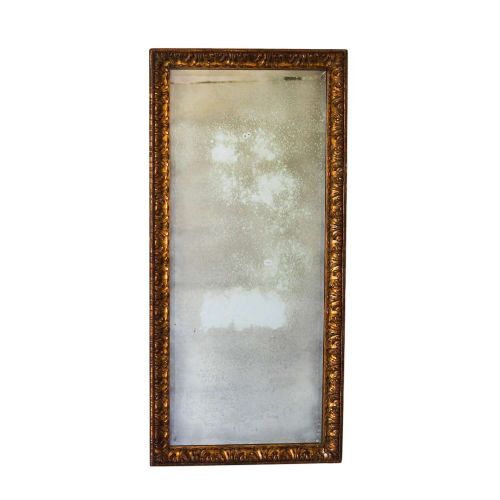
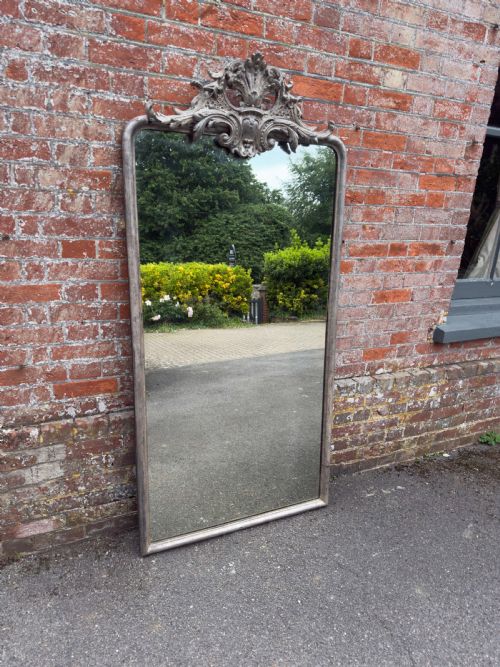
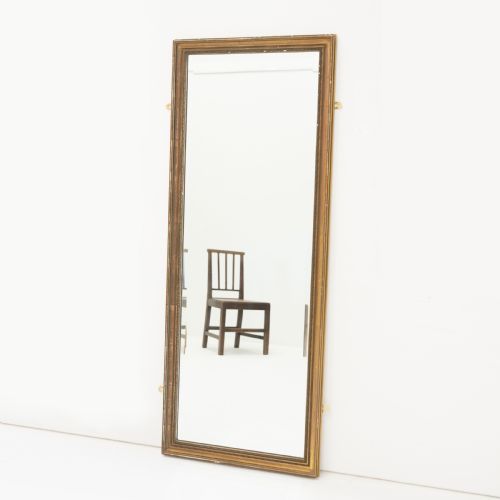
A vintage tall dressing mirror brings vertical scale and period character to domestic interiors, serving as both a functional glass and a substantial decorative focal point. When exploring the category of vintage tall dressing mirror, buyers encounter freestanding cheval designs, wall-hung full-length plates, and robust floor-standing examples created to capture an entire figure. The surviving inventory spans multiple decades and aesthetic traditions, offering specific regional interpretations for different interior schemes.
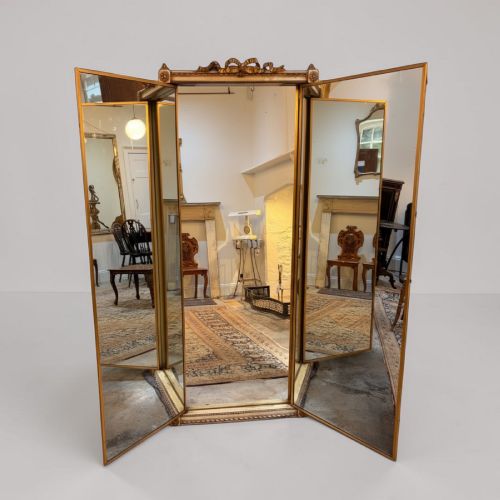
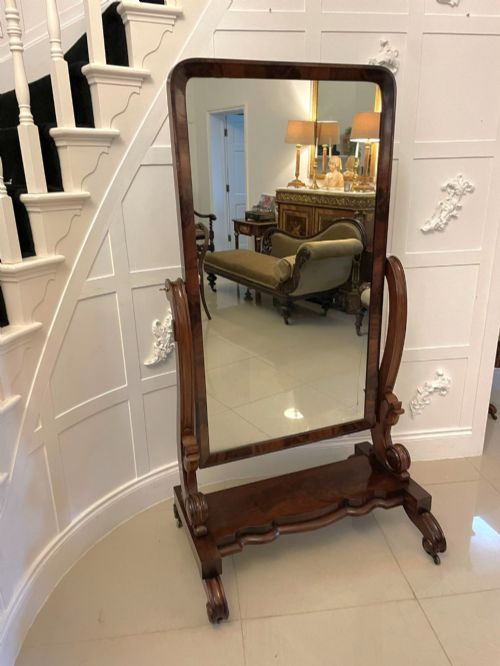
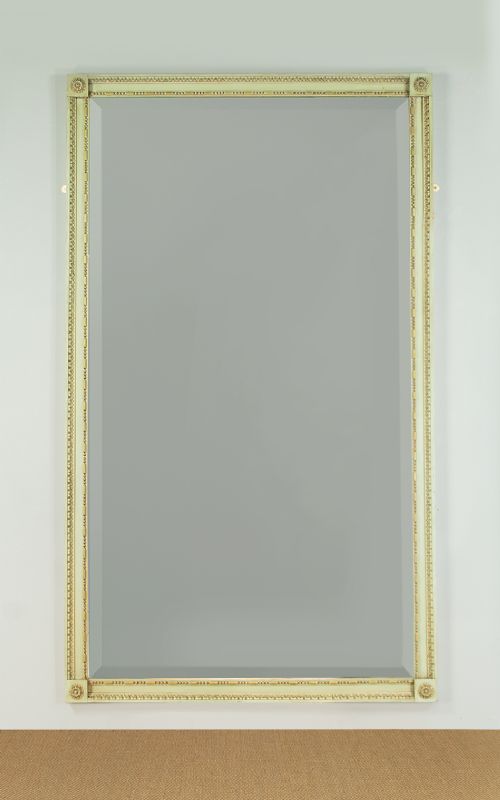
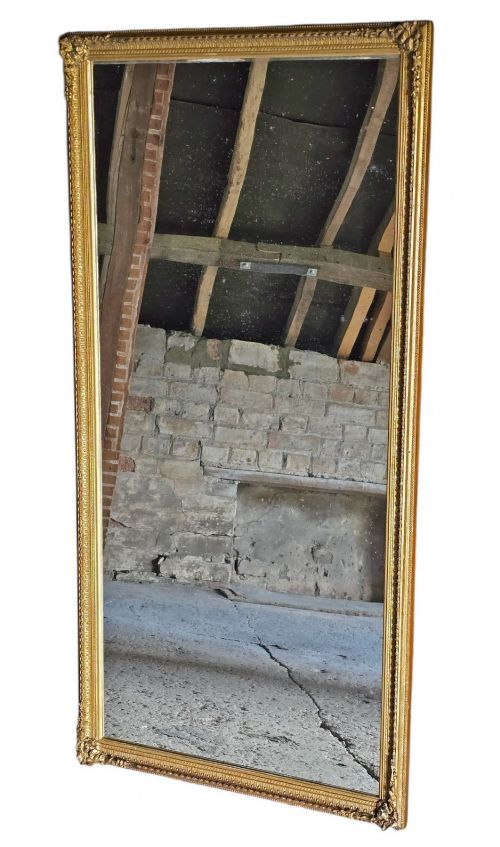
The assortment on this page draws primarily from nineteenth-century and early twentieth-century workshops, encompassing Victorian, Edwardian, and Art Deco movements alongside French-inspired models. Pieces range from mahogany cheval frames resting on sabre legs to carved giltwood and painted arched-top panels sourced from French chateaux and English homes alike. Such variety ensures that buyers find both simple oak dressing mirrors and large ornamental gilt architectural frames.
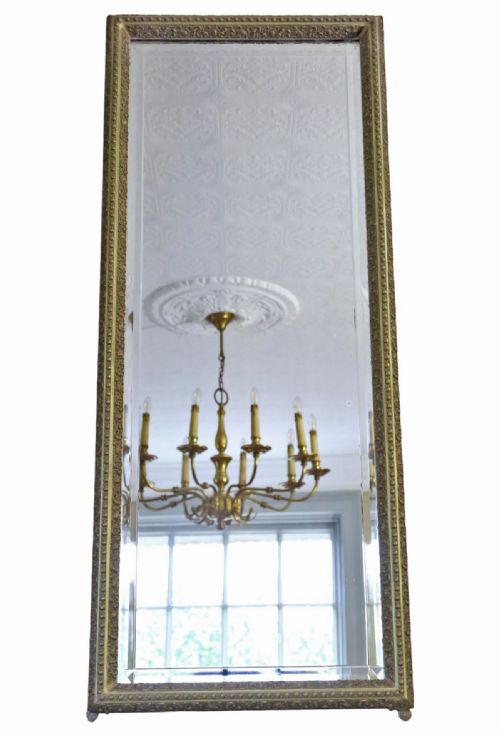
Freestanding cheval mirrors pivot within side supports, allowing users to adjust the angle of the glass for dressing purposes, while wall or floor-supported plates provide static vertical reflections. Many items incorporate traditional cabinetmaker touches such as brass castors, sabots, or bevelled perimeters that catch the light. Each format answers a specific spatial requirement, whether placed in a bedroom, hallway, or dressing room.
Materials and construction methods
Makers constructed these frames using timber such as mahogany, oak, and carved softwood, frequently applying gesso to build up intricate surface ornamentation before gilding or painting. Giltwood and silvered finishes required meticulous application of metal leaf over prepared grounds, while timber frames relied on traditional joinery techniques to support the considerable weight of tall glass plates. Selected examples feature over-painted surfaces or mercury glass, pointing to the specific period techniques employed by nineteenth-century artisans.
The glass plates themselves vary in thickness and edge treatment, with bevelled borders and heavy cast frames demanding robust structural support from the backboards and hanging hardware. Cheval models utilise stable floor pedestals, frequently featuring brass sabots and castors to facilitate movement across carpets and wooden floors. These material combinations ensure durability alongside the decorative refinement characteristic of period mirrors.
Listings feature 19th Century, Regency, and early 20th Century periods, incorporating materials such as giltwood, gesso, mahogany, and bevelled glass.
Assessing quality in tall mirrors
Quality in these mirrors rests upon the crispness of the carved wood and gesso ornamentation, the depth of the gilding or paint finish, and the structural integrity of the timber framing. Superior pieces display finely hand-carved details and substantial timber scantlings that prevent warping over large vertical expanses. The integration of original brass hardware, stable pivot mechanisms on cheval stands, and clean mirror plates distinguishes finer workshops from more utilitarian productions.
The condition and clarity of the glass plate also dictate the standard of the piece, with bevelled edges and heavy mercury backing representing higher manufacturing ambition. Original backboards, period fixings, and untouched surface patination indicate that a mirror retains its historical integrity. Buyers look for harmony between the scale of the frame and the weight of the glass, ensuring the assembly remains rigid and balanced.
The Vintage Tall Dressing Mirror Glossary
- Cheval mirror
- A freestanding full-length mirror suspended on a vertical frame with side pivots, allowing the glass to tilt. This form became popular during the Regency and Victorian periods for dressing rooms.
- Gesso
- A plaster-like mixture applied to wood frames as a base for carving and gilding. Artisans build up layers to create ornate low-relief decorations before applying metal leaf or paint.
- Sabot
- A metal sleeve or shoe fitted to the foot of a furniture leg. These brass fittings protect the timber base and often incorporate castors for mobility.
- Pier mirror
- A tall mirror designed to hang on the wall between windows, often placed above a pier table. They maximise light reflection in domestic interiors.
- Bevelled glass
- A mirror plate with an angled, polished edge that creates a prismatic border effect. This technique adds depth and decorative refinement to the glass.
Vintage Tall Dressing Mirror: Frequently Asked Questions
What is a cheval mirror?
A cheval mirror is a freestanding full-length looking glass that pivots within an upright wooden frame. This design allows the user to tilt the plate to various angles.
Originating in the early nineteenth century, these pieces were essential furniture for bedrooms and dressing rooms, providing complete reflection.
How do I secure a tall floor mirror?
Tall floor mirrors require careful placement against a structural wall, often secured with discreet brackets to prevent tipping. Freestanding cheval versions rely on a wide, stable base and balanced side supports.
Ensuring the floor surface is level helps maintain stability for heavy timber and glass assemblies.
What distinguishes Victorian from Edwardian mirrors?
Victorian mirrors often feature heavy mahogany frames, ornate gesso carvings, and rich gilt finishes designed to project formal elegance. Edwardian examples tend to introduce lighter oak timbers and simpler decorative lines.
Both periods utilise bevelled glass and substantial backing boards typical of quality nineteenth and early twentieth-century manufacturing.
Can these mirrors be hung on walls?
Many tall mirrors in this category are built for wall mounting, equipped with heavy-duty D-rings or integrated hanging battens. Some pieces function as floor-standing or wall-hanging hybrids depending on their original hardware.
Checking the weight of the frame and the strength of the wall fixings is essential before hanging any large glass plate.
What is mercury glass?
Mercury glass refers to double-walled silvered glass objects or antique mirror plates produced using a liquid mercury amalgam process. This technique creates a distinctive mottled reflection with dark spots and deep character.
Mirrors utilising this finish date predominantly to the nineteenth century and offer a softer, more atmospheric reflection than modern silvered glass.