

Victorian Pier Glass
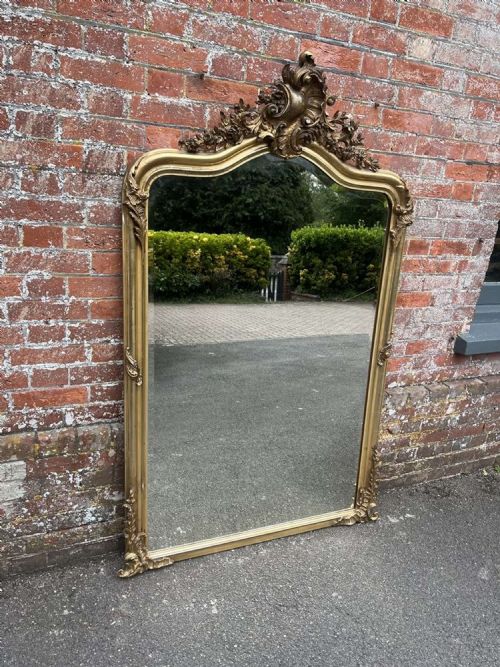
A victorian pier glass brings vertical presence to a room, hung traditionally between windows or above a low console table.
Victorian Pier Glass
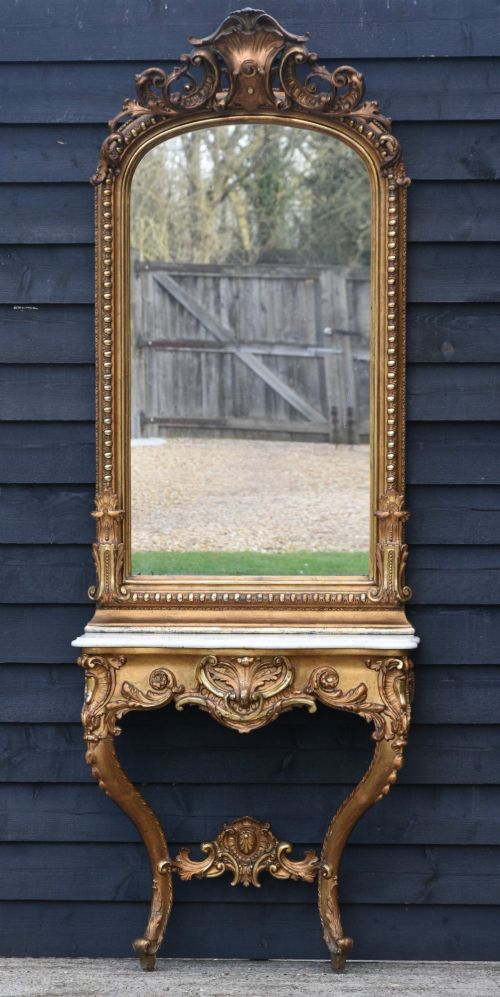
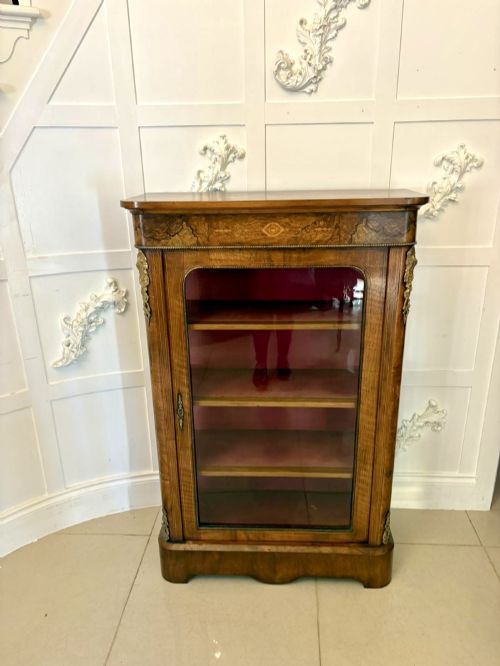
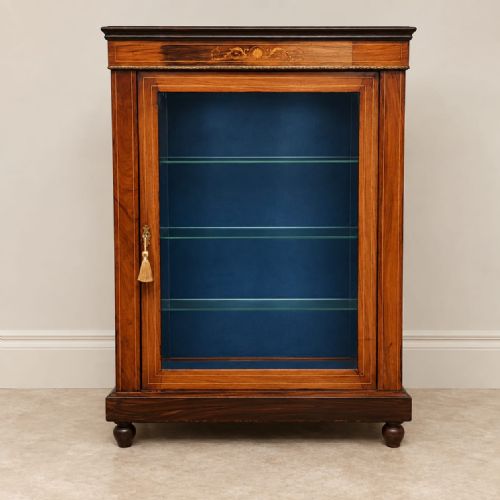
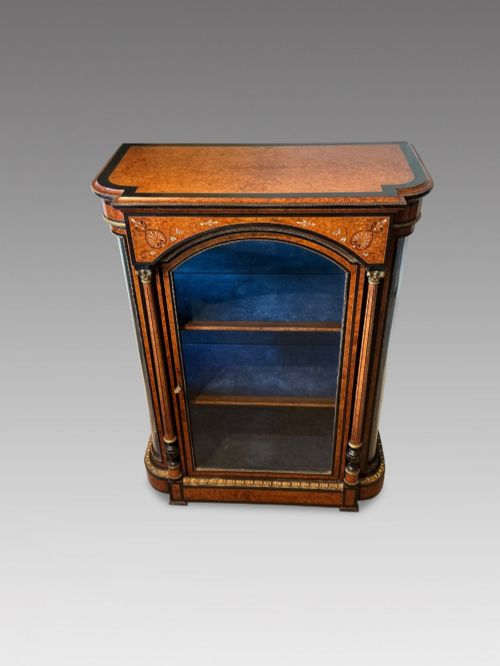
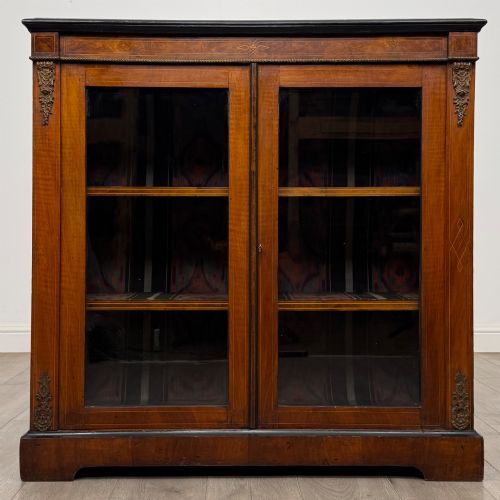
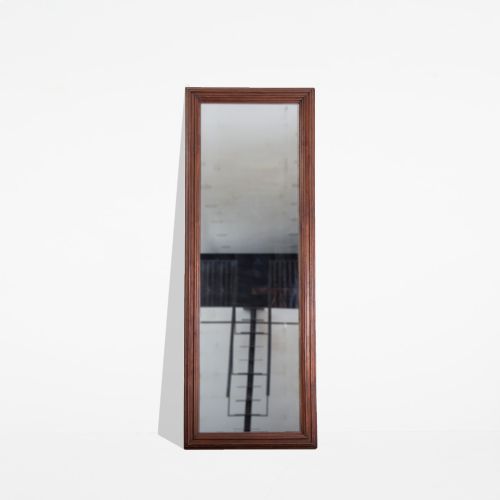
A victorian pier glass combines a tall mirror plate with a frame designed to fit narrow wall spaces between architectural openings. The listings show these vertical mirrors appearing alongside matching console tables and display cabinets.
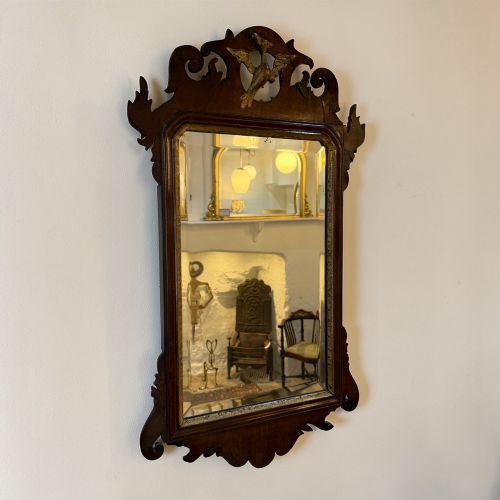
Most examples date across the nineteenth century, utilising walnut, mahogany, and giltwood. Makers of the period drew upon French rococo revival styles and George II revival motifs to shape the carved frames.
Buyers encounter wall-hanging mirrors as well as console table combinations designed to reflect light into interior spaces. These pieces share a vertical proportion that distinguishes them from wider overmantel mirrors.
Materials and construction
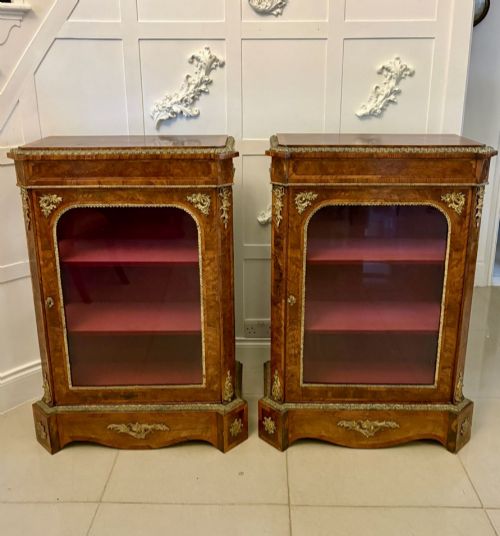
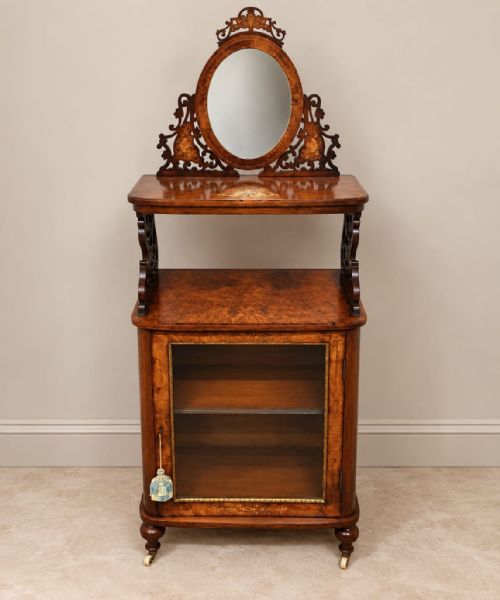
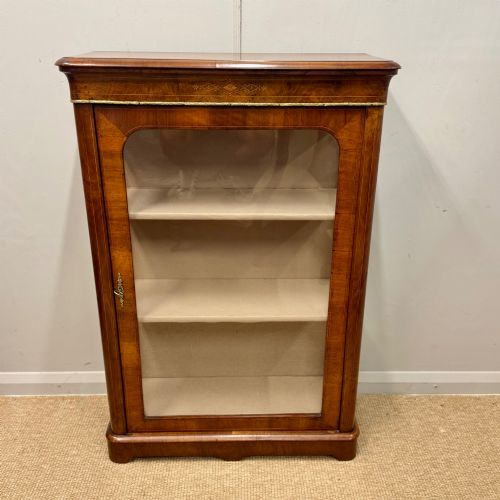
Carpenters utilised timber carcases of walnut, burr walnut, mahogany, and ebonised wood to build the frames and associated cabinetry. Marquetry inlay, brass or ormolu mounts, and parcel-gilding frequently enrich the wooden surfaces.
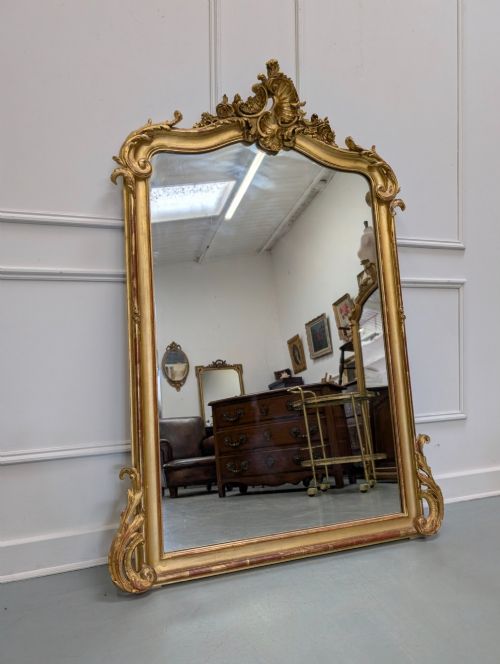
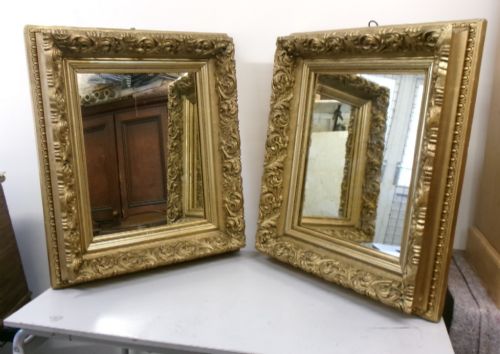
Giltwood frames rely on carved wood and gesso layers coated in gold leaf to achieve a reflective finish. Glass plates are set securely within heavy carved surrounds, sometimes accompanied by velvet backing or candle branches.
Some ornate wall mirrors feature attached candle branches, ensuring the reflections doubled the flickering light of nineteenth-century evenings.
Judging quality in construction and ornament
Quality rests in the depth and crispness of the wood carving, whether executed in scrolling rococo foliage or architectural fretwork. Finer examples display carefully selected burr walnut veneers matched across the surface rather than plain timber.
The integration of cast ormolu mounts, delicate marquetry inlay, and fire-gilt details separates standard production from exceptional pieces. Heavier frames with intact original gilding and clear glass plates represent the upper tier of surviving items.
The Victorian Pier Glass Glossary
- Pier glass
- A tall mirror designed specifically for the narrow pier of wall space situated between two windows. It frequently matches a console table placed directly beneath it.
- Giltwood
- Timber carved and coated with gold leaf over a prepared gesso ground. This technique created the bright decorative surfaces seen on nineteenth-century mirror frames.
- Burr walnut
- Wood taken from walnut tree growths that produces intricate, swirling grain patterns. Cabinet makers prized this material for veneering prominent surfaces.
- Ormolu
- Gilded bronze mounts applied to furniture and mirror frames for decorative accent. The technique involves coating metal with a mercury-gold amalgam.
- Fretwork
- Openwork ornamentation cut from thin wood panels using a saw. This technique appears on carved mirror frames and architectural crestings.
Victorian Pier Glass: Frequently Asked Questions
Where should a pier glass be hung?
These tall mirrors fit naturally on narrow wall sections between windows or doors where standard horizontal mirrors do not work. Placing one above a low side cabinet or console table creates a balanced vertical arrangement.
Historically, this placement maximised natural daylight in Victorian parlours by reflecting light back into the room from the window openings.
Are these mirrors usually part of a set?
Some survive paired with matching console tables or side cabinets designed to sit together beneath the glass. Others appear as single wall-hanging items with carved crests and shaped tops.
Evidence shows that makers frequently coordinated the wood veneers and gilt finishes between the mirror frame and accompanying pier furniture.
How do you identify revival styles on these mirrors?
Revival pieces incorporate decorative vocabulary from earlier centuries, such as the asymmetric scrolls of French rococo or the carved fretwork associated with George II design. Cabinet makers during the nineteenth century reinterpreted these historical motifs using contemporary veneering and gilding techniques.
Examining the secondary woods and construction methods helps distinguish nineteenth-century revival work from genuine earlier periods.