



Gold Brass Cachepot
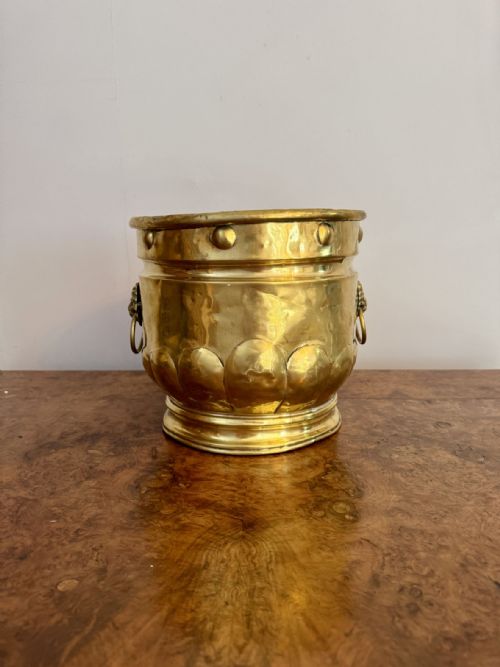
A gold brass cachepot brings heavy Victorian and French metalwork into a room to hold growing plants with style.
Gold Brass Cachepot
When you search for a gold brass cachepot, you are looking at heavy metal plant holders designed to sit inside domestic rooms on tables or stands. Most examples encountered here date from the nineteenth century, including Victorian pieces alongside French items from the eighteenth and nineteenth centuries.
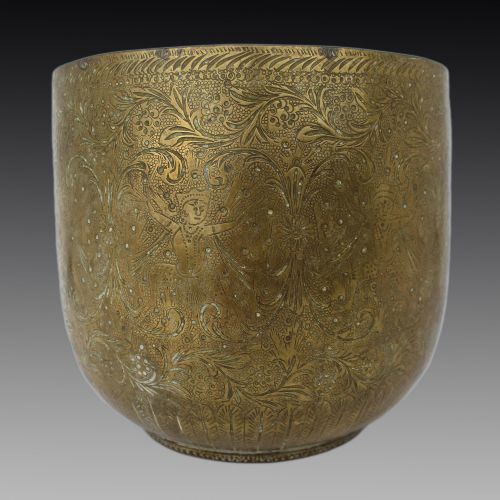
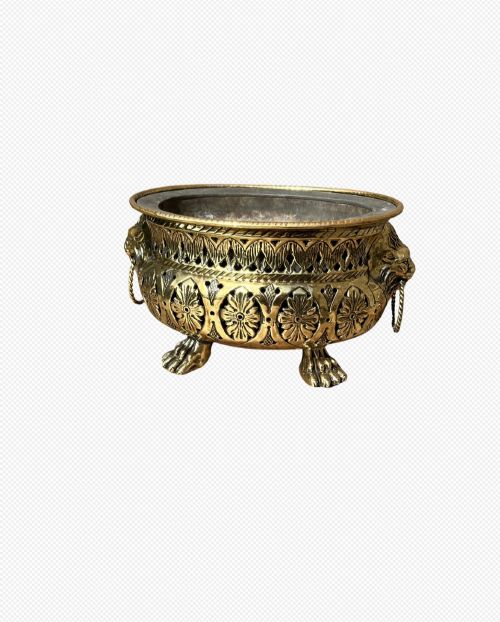
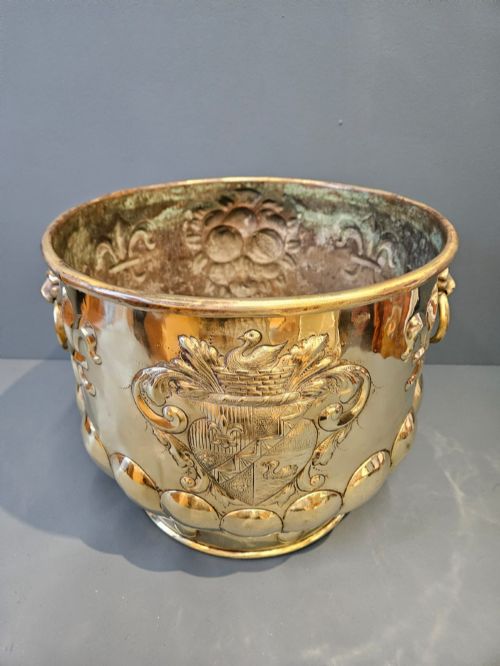
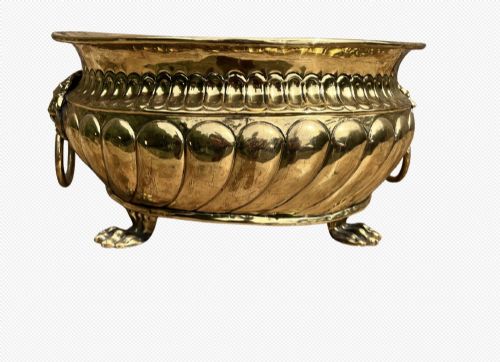
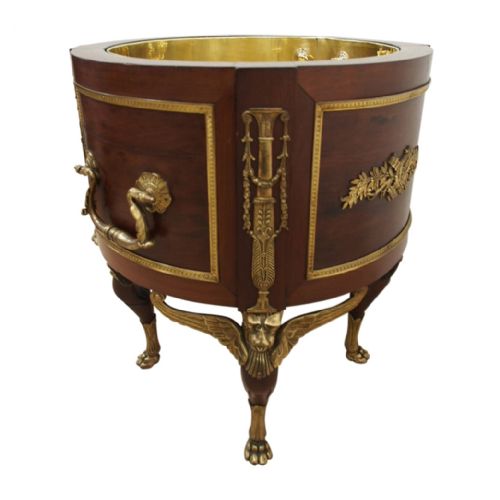
The forms span jardinières and planters, often cast from brass or bronze with gilt finishes and ormolu mounts. You will find variations ranging from plain polished surfaces to decorated vessels featuring pierced work, repoussé detailing, animal heads, and crests.
Origins stretch beyond European workshops to include Indian and Japanese pieces. Styles cover Victorian, French Empire, French Baroque, Aesthetic Movement, and Grand Regency designs.
How they were made
These vessels rely on durable metal foundations such as brass, bronze, and gilt metal, sometimes paired with mahogany timber bodies. Workshops shaped these materials through casting and heavy forming to create solid walls capable of holding damp soil and potted plants.
Surface decoration involved chasing, piercing, and repoussé hammering to push ornamental motifs outward from the metal sheet. Ormolu mounts and gilt treatments added bright golden highlights to contrast with darker bronze or polished brass bases.
Several heavy planters keep watch over rooms guarded by cast animal heads and heraldic crests.
What varies in quality
The standard of a piece rests on the crispness of the cast detailing and the depth of the metalwork relief. Heavy vessels with intricate repoussé patterns, animal heads, or applied ormolu mounts show superior foundry work compared to simpler plain items.
Design ambition separates basic utility items from exceptional decorative objects. Pieces displaying distinct regional styles like French Baroque or Aesthetic Movement demonstrate finer artistic execution than standard production wares.
The Gold Brass Cachepot Glossary
- Cachepot
- An ornamental container used to hide an ordinary flowerpot. It protects furniture surfaces from water drainage.
- Jardinière
- A large ornamental pot or stand for holding plants or flowers. These vessels typically sit on the floor or on heavy furniture.
- Repoussé
- A metalworking technique where the metal is hammered from the reverse side to form a raised design in relief. This creates tactile surface decoration.
- Ormolu
- Gilded bronze applications mounted onto furniture or decorative vessels. The technique produces a bright gold appearance on bronze elements.
- Pierced brass
- Metalwork featuring patterns cut completely through the sheet. This technique lightens heavy vessels and creates open decorative friezes.
Gold Brass Cachepot: Frequently Asked Questions
What is a gold brass cachepot?
A gold brass cachepot is a decorative metal vessel designed to hold potted plants indoors.
These pieces conceal standard flowerpots while adding a metallic finish to a room.
How were these planters used?
Victorian households placed these heavy metal vessels on tables, pedestals, or sideboards to display indoor plants.
They served both a practical purpose for housing greenery and a decorative function in formal interiors.
How do I care for brass?
Maintain these metal surfaces by dusting gently with a soft dry cloth.
Avoid harsh commercial polishes that can strip historic patination from nineteenth-century finishes.
How do I date a piece?
Dating relies on identifying manufacturing techniques, stylistic markers, and material composition.
Victorian and French nineteenth-century pieces often feature distinct casting methods and ornament styles like Aesthetic Movement or Empire Revival.