

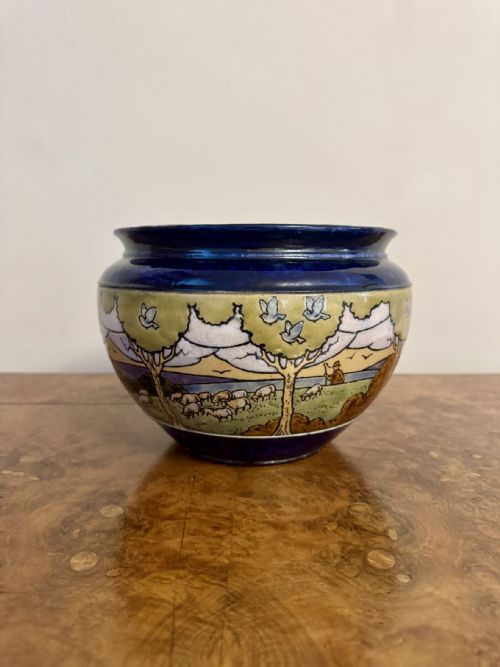


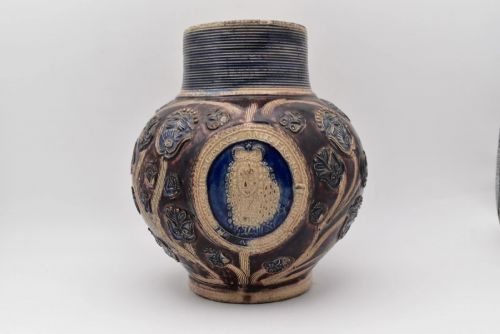
Glazed Stoneware Pot
A glazed stoneware pot brings honest utility and enduring substance to a room, offering robust function shaped by fire and earth.
Glazed Stoneware Pot
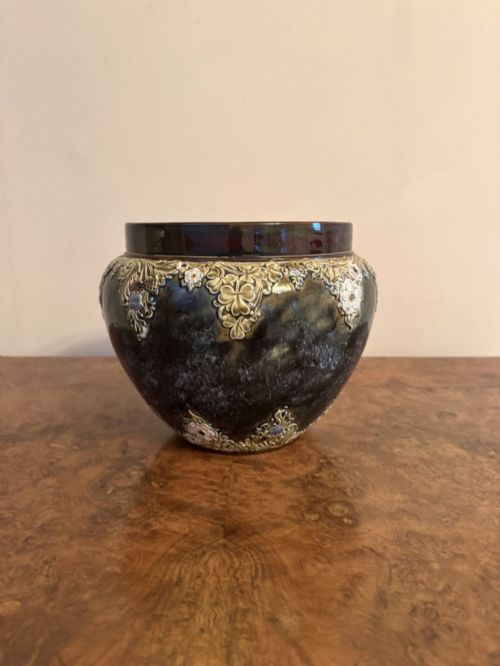
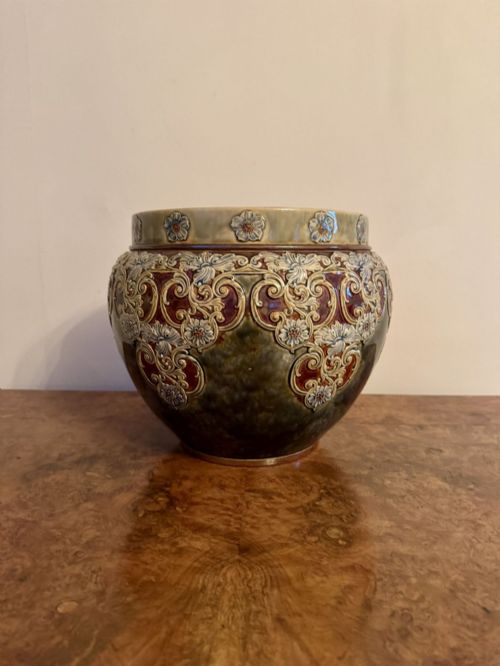
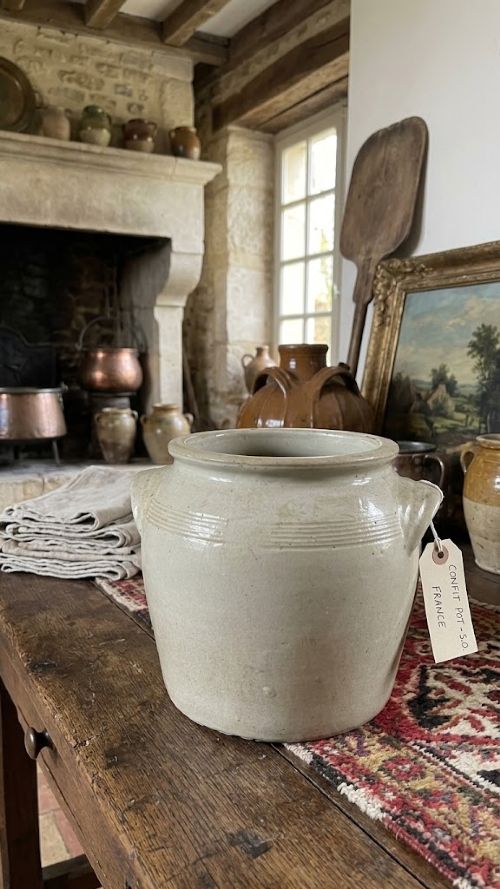
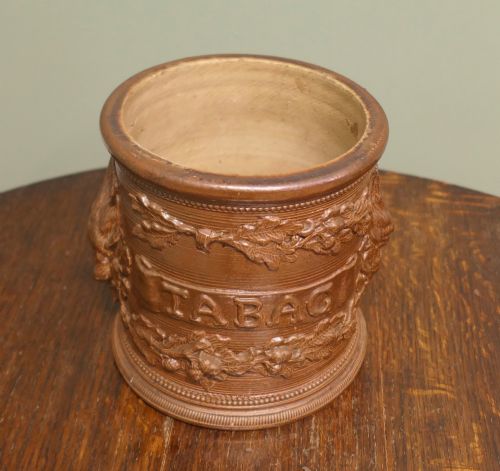
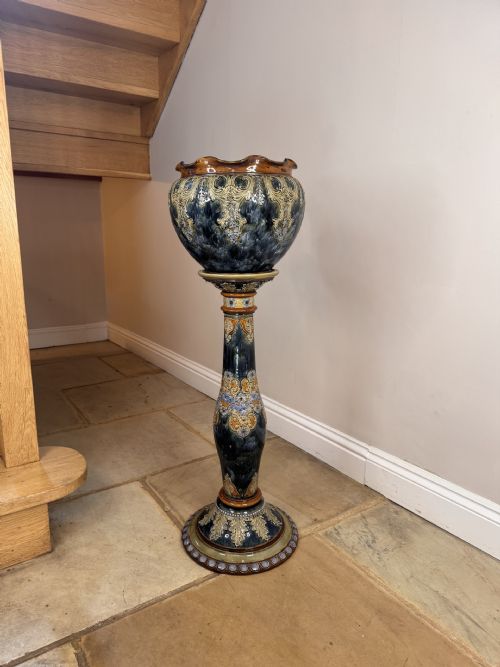
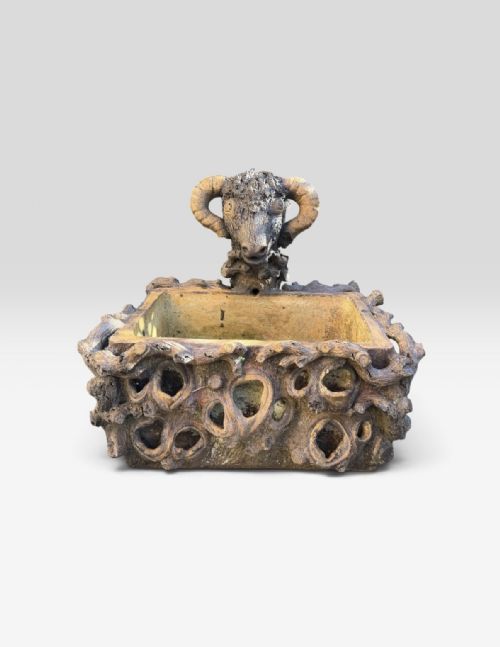
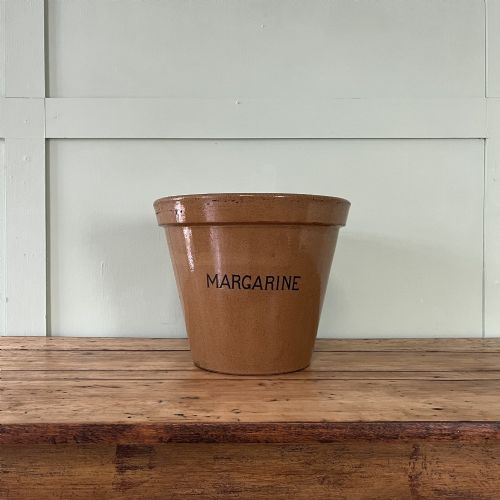
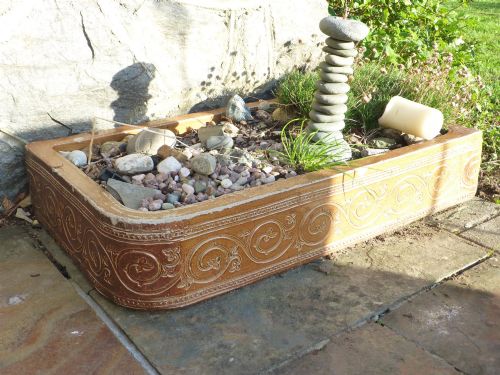
The objects span centuries of production, drawing on periods from the Georgian era through the nineteenth century and into the early twentieth. Forms range from French confit pots and tobacco jars to jardinieres, measuring jugs, and garden troughs.
Makers and potteries from Britain, France, and beyond contributed to this tradition, utilising durable materials designed to withstand daily use. Collectors value these vessels for their surviving glazes, tactile surfaces, and functional origins.
How they were made
Potters shaped dense clay and terracotta on the wheel or by hand, applying glazes before firing the pieces at high temperatures. Salt glazing produced distinctive textured surfaces, while lead or alkaline glazes added smooth, waterproof finishes to domestic vessels.
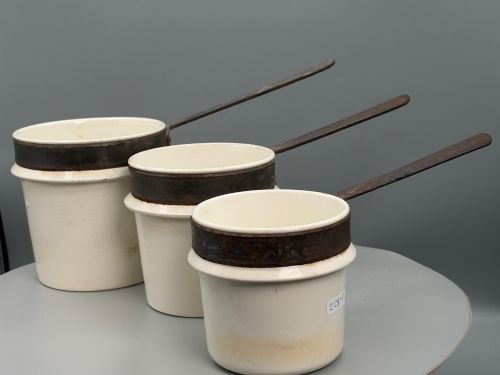
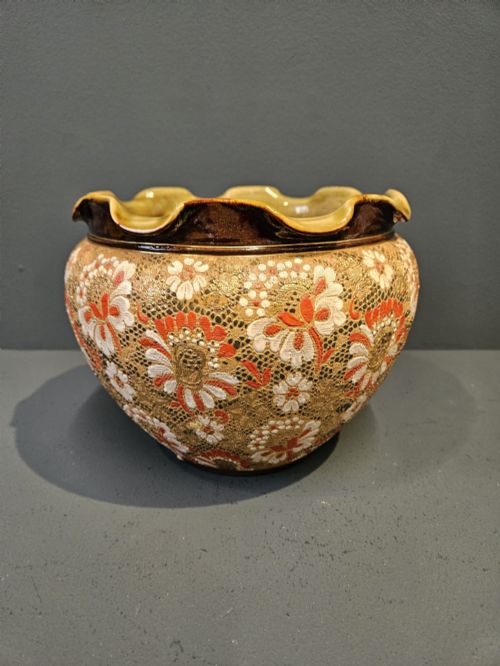
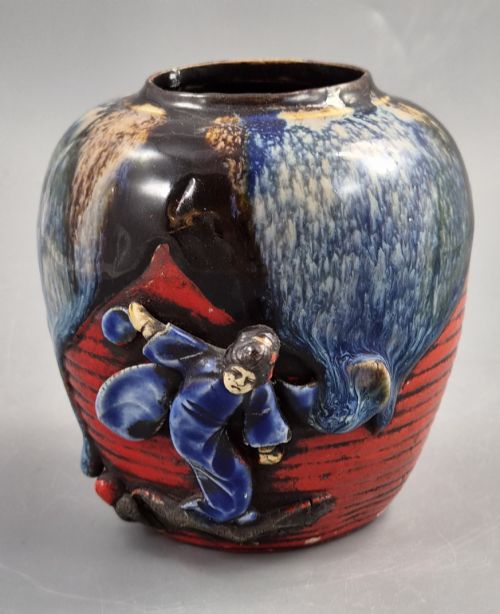
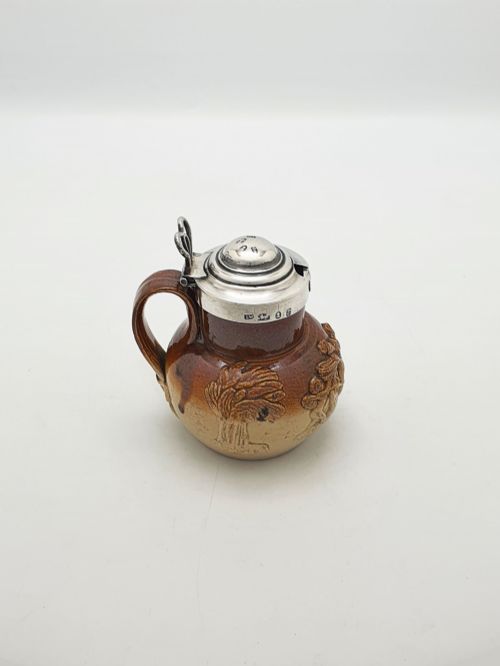
Many items incorporated functional metal bands, handles, or sterling silver collars to reinforce the heavy ceramic bodies. Specialised techniques such as Slaterware or applied decorative motifs created varied surface textures across the different periods.
Glazed Stoneware Pot Retail Price Guide 2026
Typical asking prices for glazed stoneware pot among the pieces listed under this phrase on Sellingantiques today, from the lower quarter to the upper quarter. They describe what is for sale here now, not the wider market.
Materials recorded across the selection include salt-glazed stoneware, terracotta, earthenware, and applied porcelain elements.
What varies in quality
The distinction between ordinary utility items and exceptional pieces often rests upon the crispness of the thrown form and the depth of the glaze. Master potters achieved controlled colour variations and balanced proportions that elevate simple kitchenware into fine art pottery.
Intricacy of surface decoration and the presence of named studio artists or recognised potteries significantly influence a piece's standing. Intact metal mounts, original lids, and well-preserved finishes distinguish superior examples from heavily weathered survivals.
Doulton Lambeth·Royal Doulton·Wedgwood·Guichard Carriès
The Glazed Stoneware Pot Glossary
- Salt-Glazed Stoneware
- Pottery created by throwing salt into the kiln during high-temperature firing, producing a characteristic textured surface resembling orange peel.
- Jardiniere
- An ornamental ceramic pot designed to hold a live plant or floral arrangement, frequently paired with a matching pedestal.
- Confit Pot
- A traditional French earthenware or stoneware vessel originally used for storing and preserving meats, typically featuring a glazed upper section.
- Slaterware
- A ceramic technique developed by Doulton where lace or other textures were pressed into damp clay before firing.
- Faux Bois
- An artistic imitation of wood grain or tree bark applied to ceramic or terracotta garden vessels, popular during the Victorian period.
Glazed Stoneware Pot: Frequently Asked Questions
What were glazed stoneware pots used for?
These robust vessels served primarily for storage, food preparation, and household utility. Kitchens and larders relied on them for holding liquids, preserves, and dry goods.
Over time, many of these durable containers transitioned into decorative roles, housing plants or functioning as interior ornaments.
How do I care for antique stoneware?
Clean these pieces gently using warm water and a soft cloth to protect the historic glaze and surface texture. Avoid harsh chemical cleaners that can penetrate porous earthenware or unglazed areas.
Display them away from areas prone to extreme temperature fluctuations to prevent stress on the ceramic body.
How can I tell a nineteenth-century pot apart from an earlier piece?
Nineteenth-century items often display industrial standardisation, machine-pressed details, or characteristic Victorian ornamentation. Earlier pieces, such as Georgian or seventeenth-century salt-glazed jugs, reveal hand-thrown irregularities and simpler, utilitarian forms.
Examining the glaze type and base construction helps clarify the likely manufacturing era.
Where were these pots made?
Production centres spanned Britain and continental Europe, with notable workshops operating in England and France. British potteries like Doulton produced both utilitarian wares and artistic jardinieres.
French provincial kilns specialised in confit jars and rustic terracotta vessels designed for rural domestic life.