


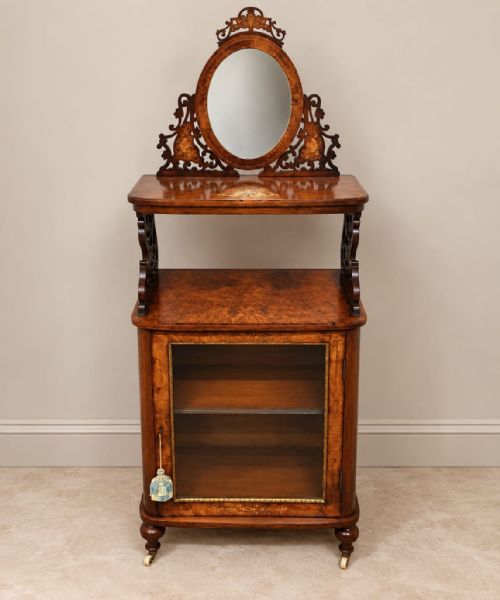
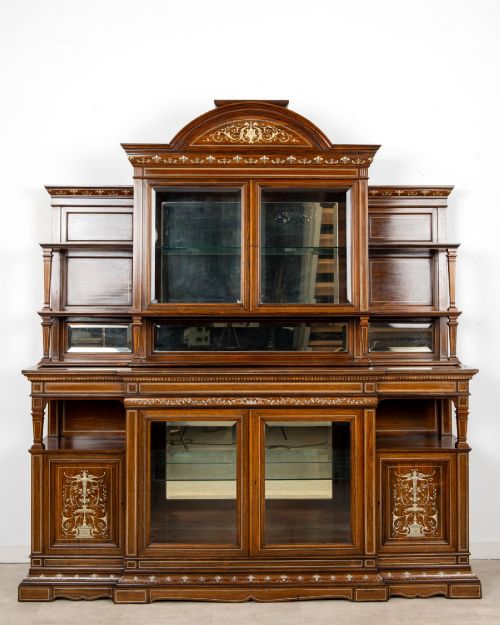
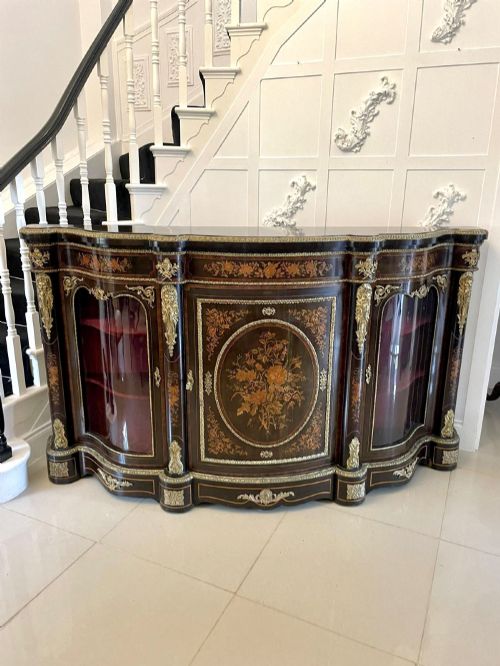
Glazed Display Credenza
A glazed display credenza brings together glass fronts and timber cabinetry, offering a formal surface for display alongside concealed storage.
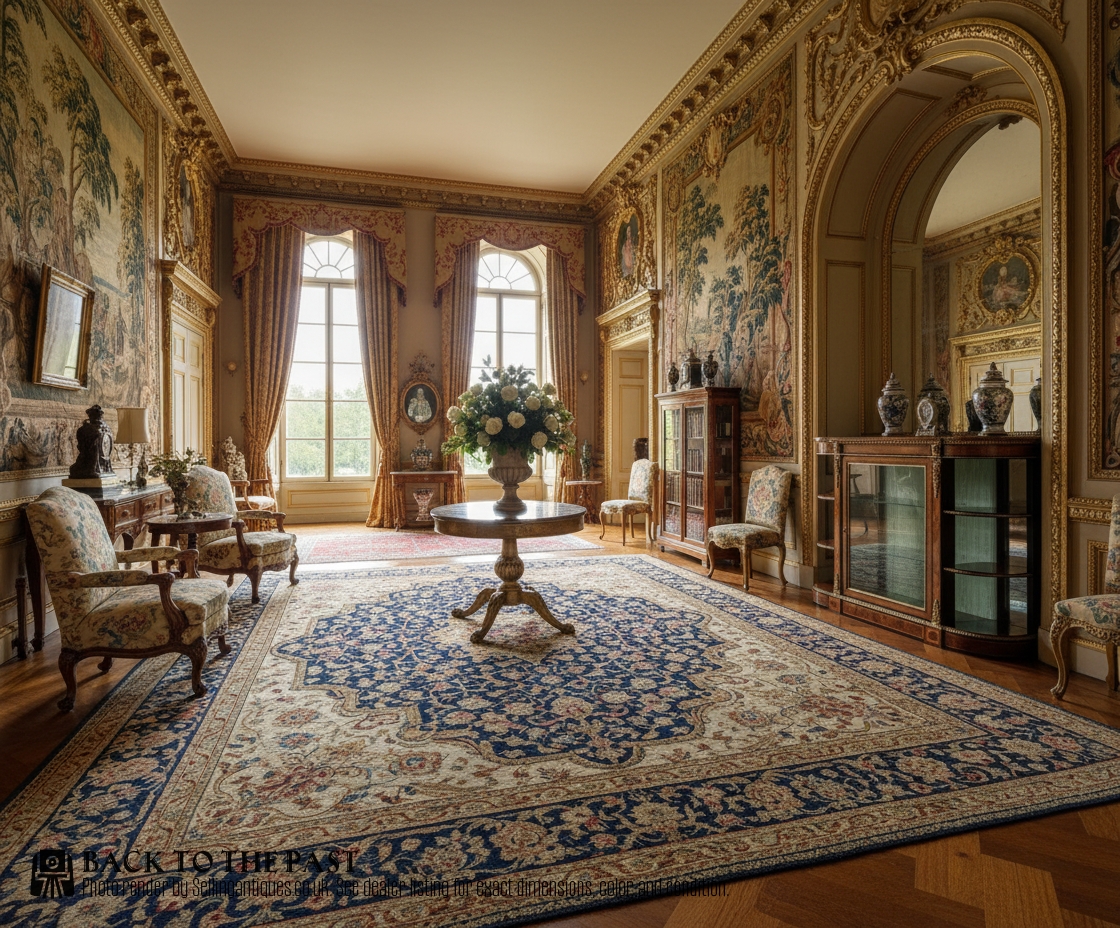
Glazed Display Credenza
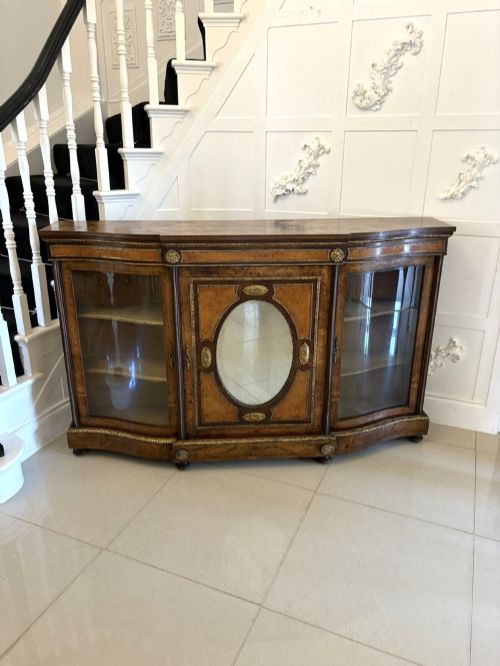
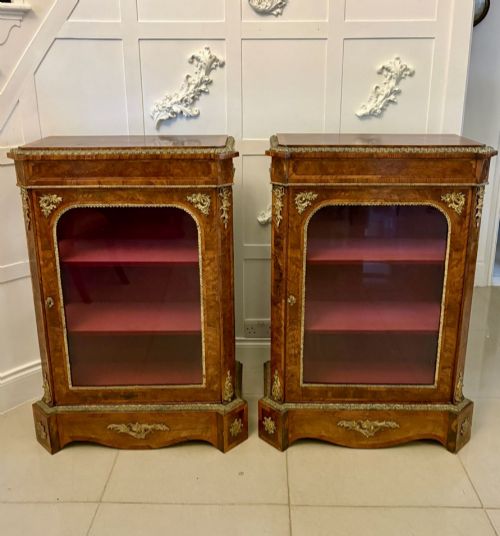
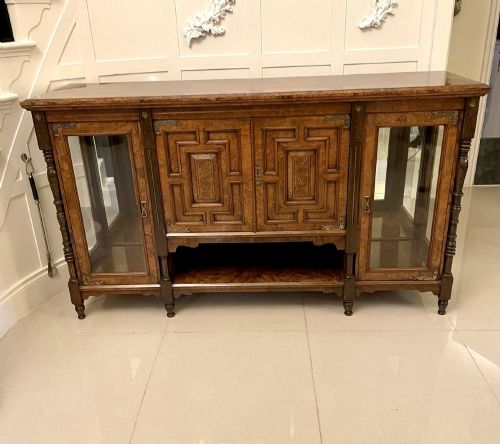
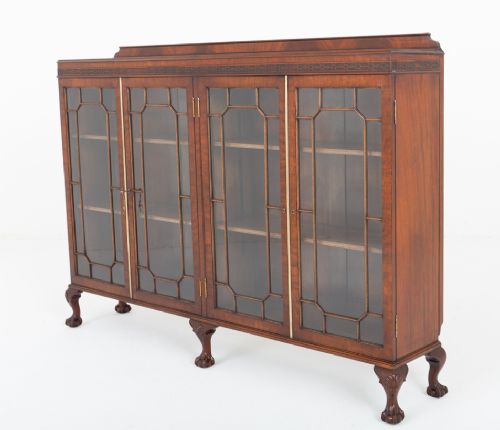
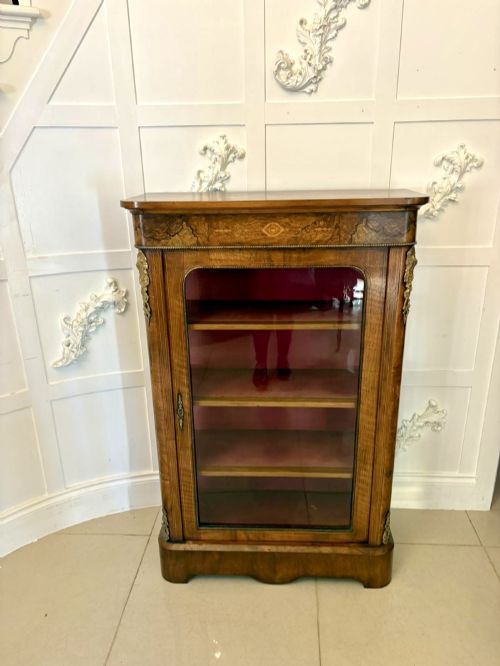
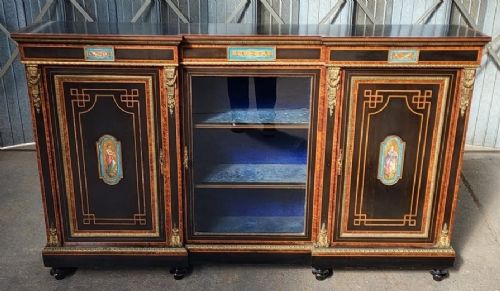
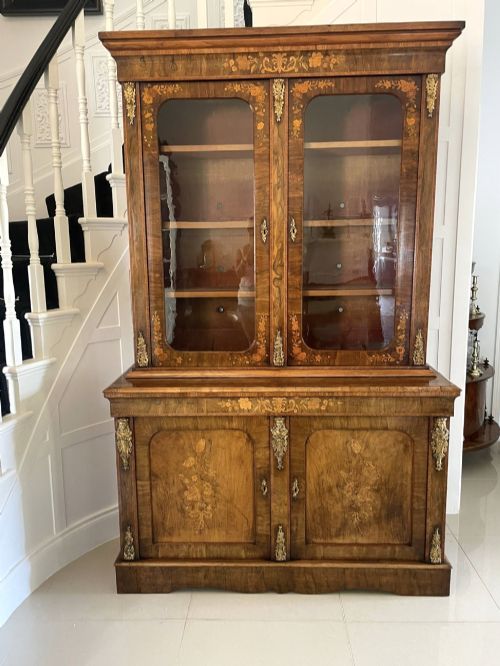
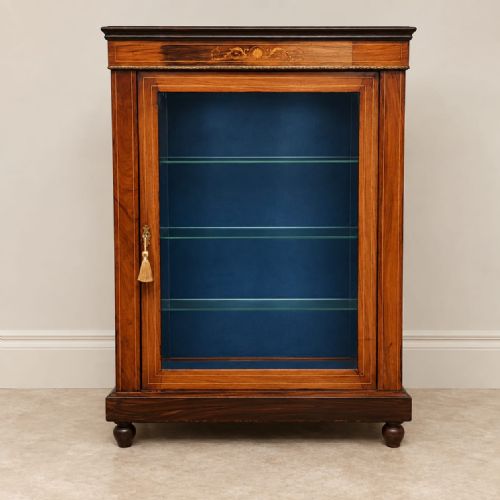
A glazed display credenza serves as a dual-purpose piece of furniture designed for both exhibition and storage within formal rooms. These cabinets combine glass viewing areas with enclosed lower cupboards, drawing on nineteenth-century cabinet-making traditions. Buyers encounter variations that span from compact pier cabinets to expansive breakfront bookcases.
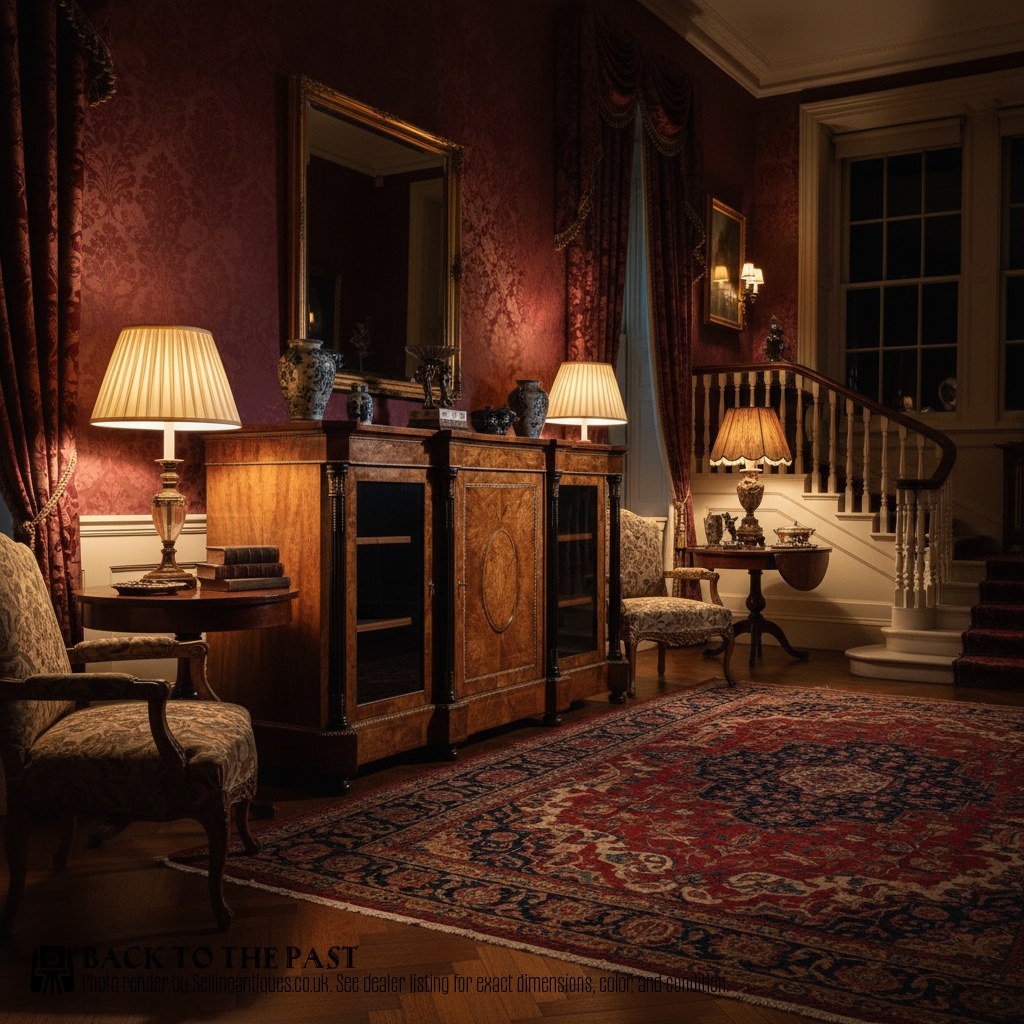
The pieces listed on this page emerge primarily from Victorian workshops, supplemented by Regency and Edwardian examples. Burr walnut, rosewood, and mahogany form the predominant carcasses, often shaped with serpentine fronts or built as upright pier units. Most incorporate glazed doors intended to protect books, porcelain, and decorative objects from dust.
Materials and construction methods
Cabinet makers utilised dense hardwoods like mahogany, rosewood, and walnut as the structural foundation, frequently applying figured burr veneers to large flat surfaces. Marquetry inlay in contrasting timbers decorates the friezes and door panels of finer Victorian iterations. Ebonised wood provides dark, uniform framing that highlights lighter marquetry work.
Mounts cast in ormolu and brass edge the glass doors, pilasters, and feet, adding metallic contrast to the timber. Glass panes are held within slender timber glazing bars, while marble tops appear on select credenzas to provide durable surfaces. Interior shelving typically adjusts on wooden supports or traditional brass rack strips.
Listings feature eighteenth and nineteenth century periods, with materials spanning brass, ormolu, burr walnut, ebonised wood, mahogany, rosewood, and velvet.
Distinctions in construction and ornament
Quality rests upon the selection of timber veneers and the precision of the marquetry inlay. Superior examples display mirrored burr walnut grain running continuously across doors, whilst simpler items rely on plain mahogany or oak. The weight and crispness of the ormolu mounts also differentiate standard production from exhibition pieces.
Internal joinery and the integrity of the original glass pane distribution separate refined workshops from utilitarian ones. Cabinets featuring serpentine shaping or complex curved glass require advanced carpentry skills compared to flat-fronted side cabinets. The retention of original brass locks, hinges, and keys further elevates the standing of an individual piece.
Collinson & Lock·Lamb of Manchester
The Glazed Display Credenza Glossary
- Credenza
- A low cabinet traditionally used for serving food or displaying valuables in a dining room or parlour. These forms frequently incorporate central cupboards flanked by curved glass side doors.
- Marquetry
- Decorative veneer patterns formed by fitting together thin pieces of wood, shell, or ivory into pictorial or geometric designs. Artisans apply these panels to door fronts and friezes.
- Ormolu
- Gilded bronze used for decorative mounts and furniture feet during the nineteenth century. The technique involves applying a gold amalgam to bronze before heating.
- Pier Cabinet
- A narrow upright cabinet designed specifically to fit the wall space between windows. These pieces often feature single glazed doors and flat backs.
- Burr Walnut
- Timber taken from the warted growths on walnut trees, yielding highly figured and swirling grain patterns. Cabinet makers prized this wood for high-status Victorian surfaces.
Glazed Display Credenza: Frequently Asked Questions
What is a glazed display credenza?
A glazed display credenza is a low nineteenth-century cabinet featuring glass doors for showing porcelain and books, combined with closed storage compartments.
These pieces emerged in formal reception rooms to serve both decorative and practical functions, housing collections while providing a solid top surface.
How do I date a walnut credenza?
Dating relies on examining the timber veneers, mounting styles, and structural proportions typical of Victorian or Regency cabinet-making.
Victorian pieces often display burr walnut with marquetry inlay and ormolu mounts, whereas earlier Regency examples favour simpler mahogany carcasses with brass stringing.
Where should I place a pier cabinet?
Pier cabinets suit narrow wall spaces, particularly the solid sections of wall situated between tall windows in a drawing room.
Their shallow depth allows them to fit tight perimeters without obstructing movement, while glass doors reflect natural light into darker corners.
How do I care for antique veneer?
Maintain burr walnut and rosewood surfaces by keeping them away from direct sunlight and maintaining stable indoor humidity levels.
Apply traditional beeswax sparingly with a soft cloth to nourish the timber without building up heavy chemical residues on the polish.