
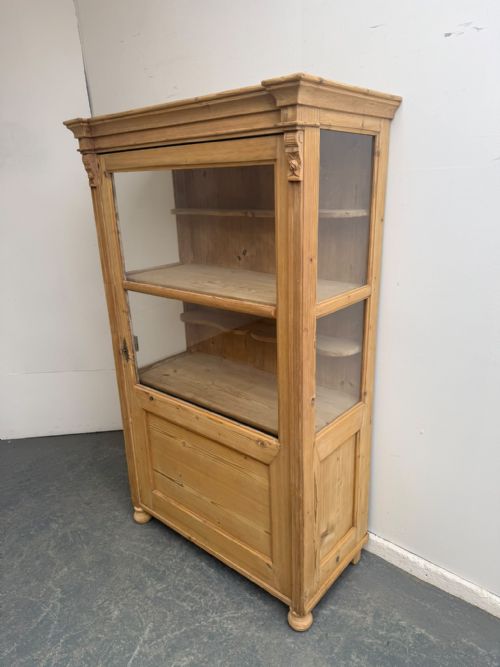
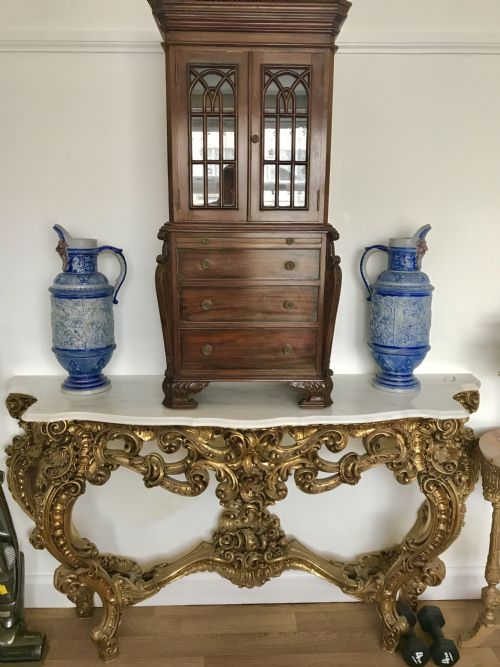


Glazed Collector Cabinet
A glazed collector cabinet gathers small treasures behind glass, offering a clear view for study and display.
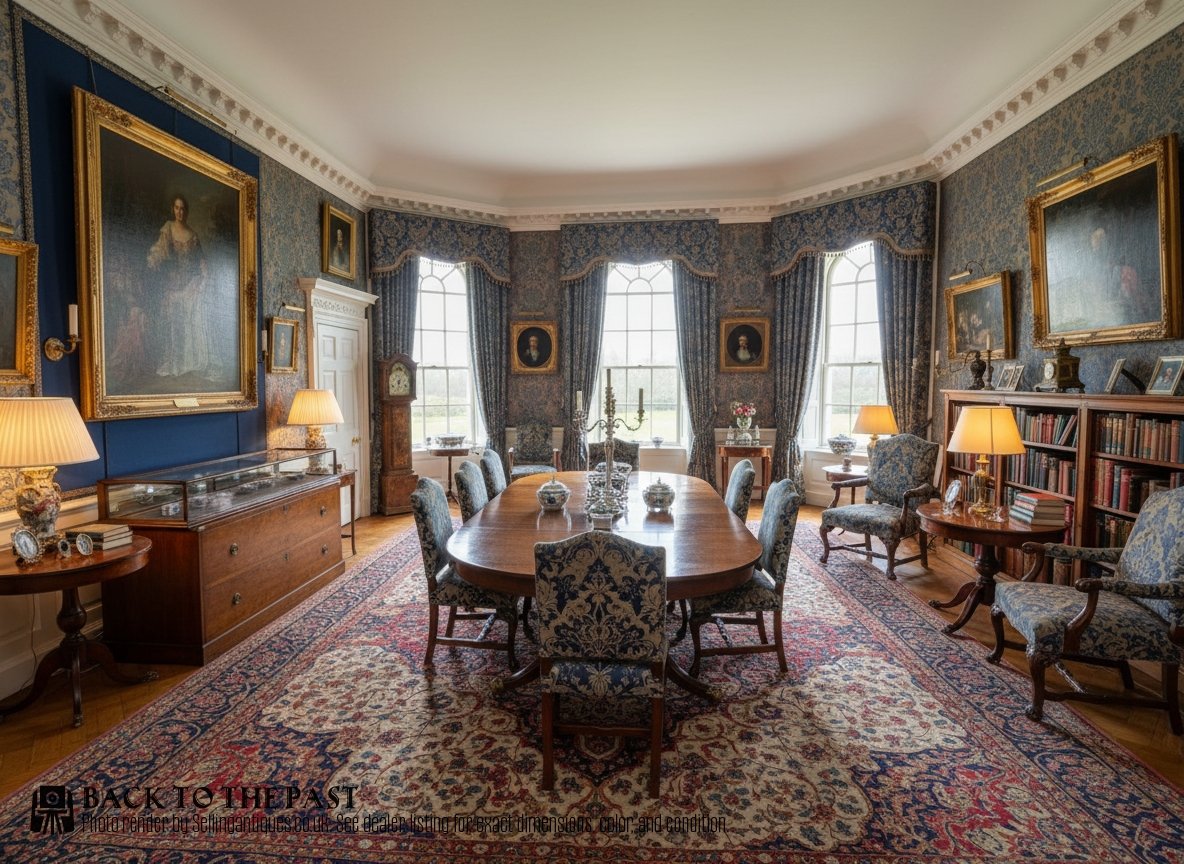
Glazed Collector Cabinet
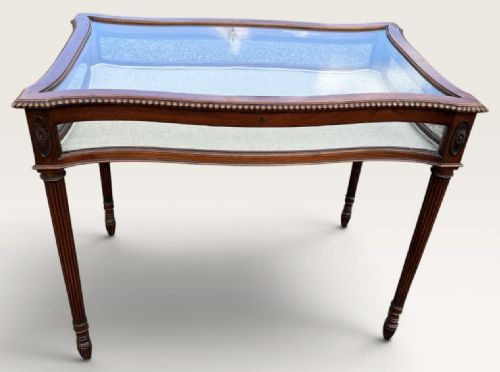
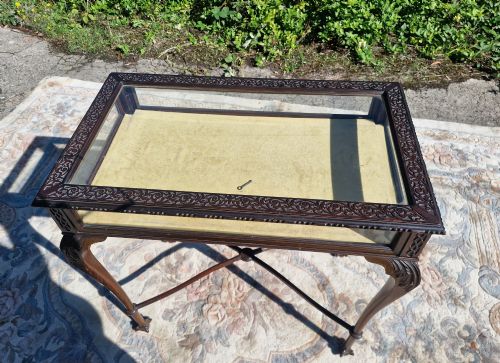
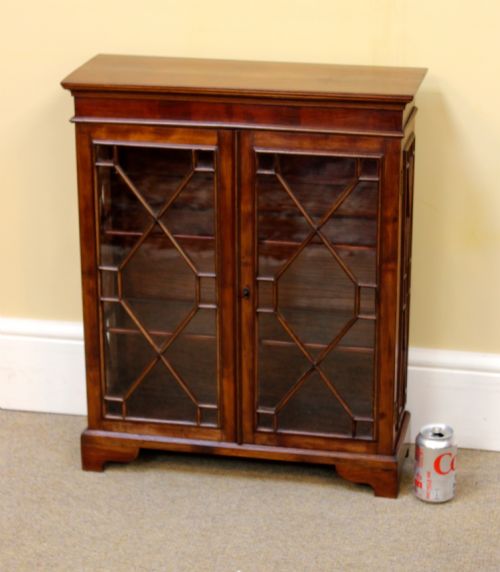
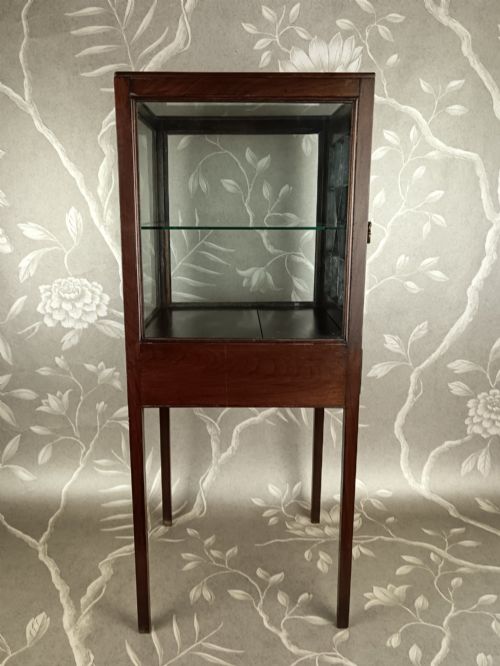
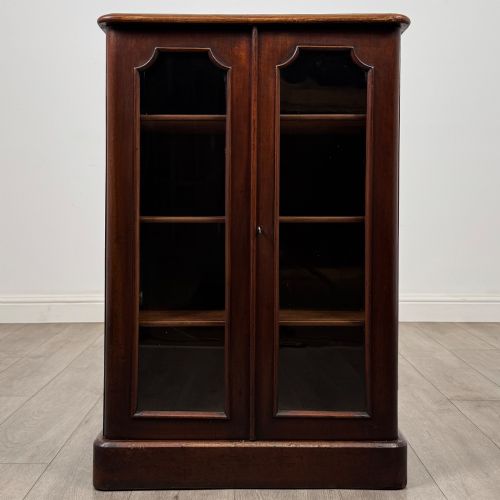
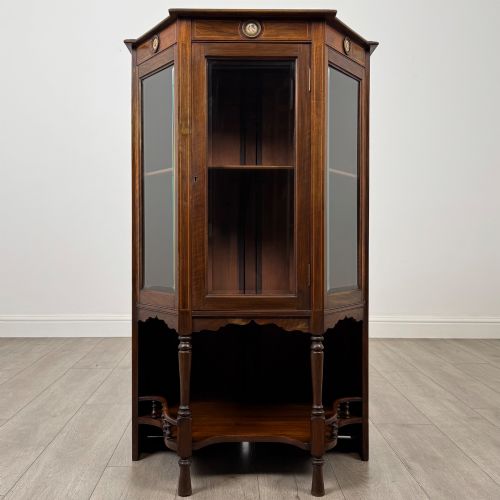
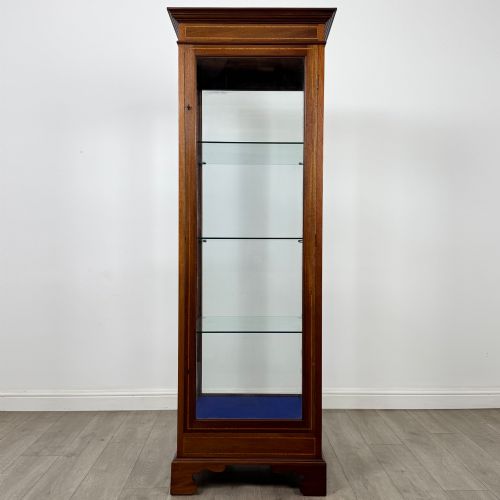
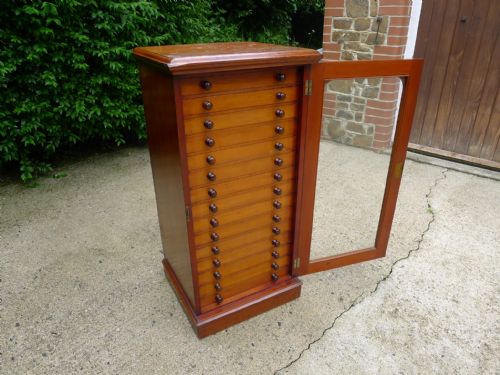
A glazed collector cabinet spans tabletop cases, tall freestanding shop fittings, and multi-drawer specimen chests designed to hold delicate objects. These pieces appear frequently in Victorian and Edwardian iterations alongside earlier Georgian and later 1920s commercial examples.
The selection here includes bijouterie display tables, miniature bureau bookcases, and multi-drawer cabinets built in mahogany, oak, walnut, and pine. Such variations reflect domestic drawing room display needs as well as commercial shop settings from the nineteenth and early twentieth centuries.
Materials and Construction
Timbers like mahogany, oak, satinwood, and walnut form the primary carcases, often paired with glass panels and brass hardware for hinges and locks. Interior surfaces frequently utilise fabric, velvet, or mirrored backings to frame the items held within.
Joinery methods range from traditional cabinet making in domestic furniture to robust commercial framing for countertop and freestanding shop display cases. Surfaces receive French polishing or wax finishes to protect the wood grain and highlight inlaid details.
One surviving cabinet arrived complete with two hundred exotic tropical insects.
Gradations of Quality
Quality rests upon the choice of timber and the precision of the cabinetwork, from simple deal and pine frames to finely figured burr walnut, amboyna, and satinwood with marquetry inlay. Internal drawer construction, especially in multi-drawer insect and specimen cabinets, demonstrates the maker's hand.
Proportion and glass selection dictate visual success, with clear plate glass and well-balanced serpentine or straight framing setting finer examples apart from utilitarian trade pieces. Retained keys, original brasses, and undamaged mirrored interiors elevate individual items.
WATKINS & DONCASTER·BRADY OF EDMONTON·STANDISH
The Glazed Collector Cabinet Glossary
- Bijouterie table
- A glass-topped display table designed for holding jewellery, miniatures, and small ornaments. These pieces usually feature hinged lids and velvet-lined interiors.
- Vitrine
- An enclosed glass cabinet or display case used for showing porcelain, glassware, and curiosities. The term often denotes finer furniture forms with glazed sides and doors.
- Marquetry
- Decorative woodwork where pieces of contrasting veneer are applied to a carcase to form geometric or floral patterns. This technique appears on high-status Edwardian and Victorian cabinets.
- Specimen cabinet
- A drawer-fitted cabinet designed specifically for holding natural history collections, such as insects, fossils, or microscope slides. These feature numerous shallow drawers with tight-fitting dust lips.
Glazed Collector Cabinet: Frequently Asked Questions
What fits inside a glazed collector cabinet?
These cabinets house small decorative objects, natural history specimens, pocket watches, jewellery, and medals. The internal depth and drawer configuration dictate the specific type of collection suited to each case.
Tabletop bijouterie pieces suit flatter items, while multi-drawer specimen chests organise insects, slides, or small archaeological finds away from dust and light.
Where should I place a tabletop display case?
Countertop and table units require a sturdy surface at a height that allows comfortable viewing through the top or side glass. Desks, sideboards, and dedicated stands work well.
Direct sunlight should be avoided to protect both the cabinet timbers and any sensitive materials displayed inside the glazed enclosure.
How do I care for antique wood and glass?
Maintaining these pieces involves regular dusting with a soft, dry cloth and occasional application of appropriate furniture wax for wooden surfaces. Glass panels need standard non-ammonia cleaner applied sparingly to a cloth rather than sprayed directly.
Checking brass hinges and locks periodically ensures the hardware remains secure without forcing stiff mechanisms.
How do I identify a Victorian specimen cabinet?
Victorian specimen cabinets typically feature numerous closely fitted shallow drawers enclosed behind a solid glazed door, often constructed from mahogany or oak. Internal drawer bases frequently show fine dovetailing and paper linings.
Makers' stamps or labels on the drawer framing sometimes confirm the origin and date of the piece.