





Standing Glass Display Unit
A standing glass display unit offers a dedicated home for treasured objects, bringing transparency and structure to interior spaces through glazed doors and open shelving.
Standing Glass Display Unit
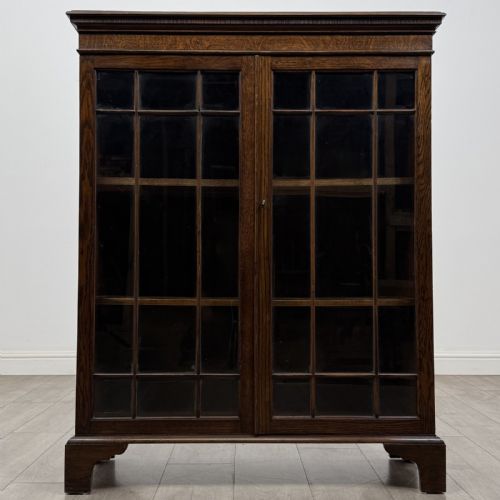
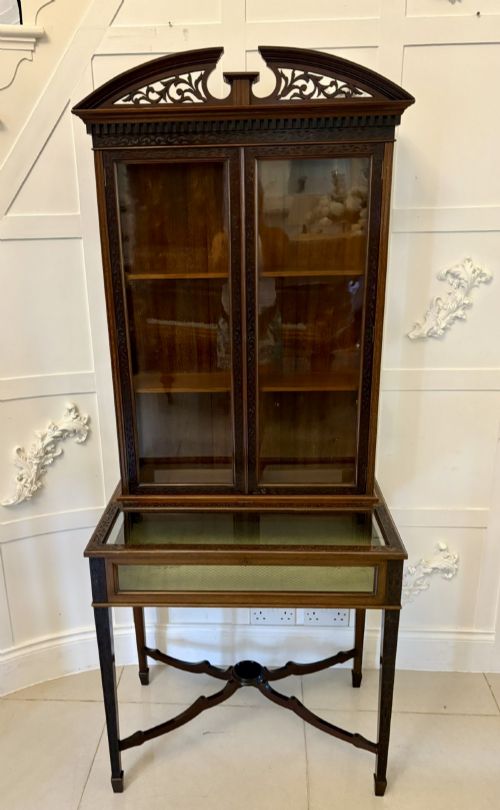
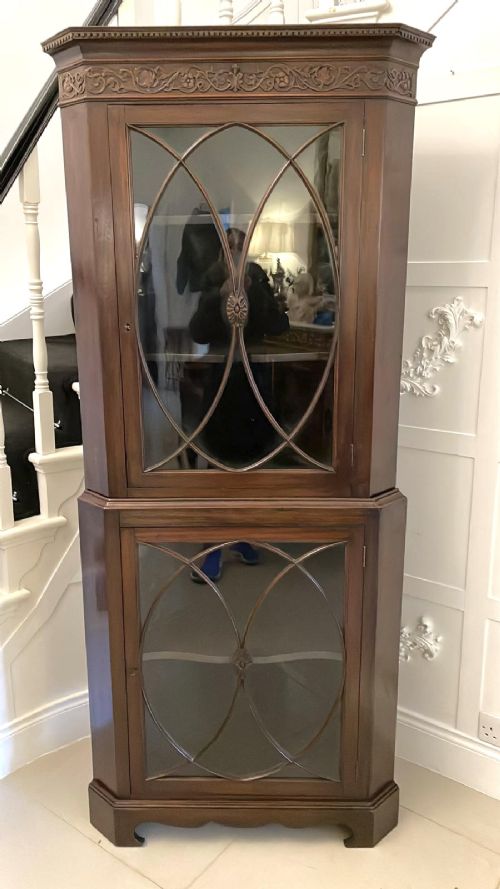
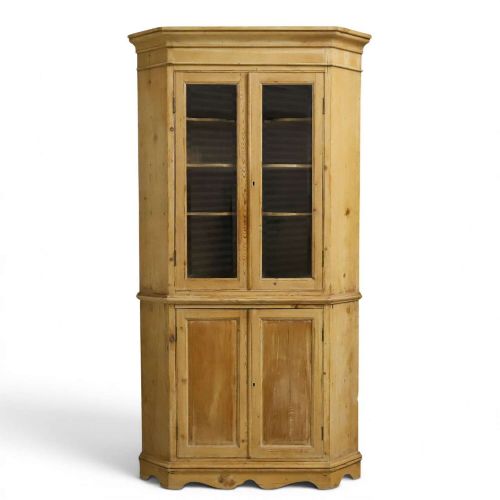
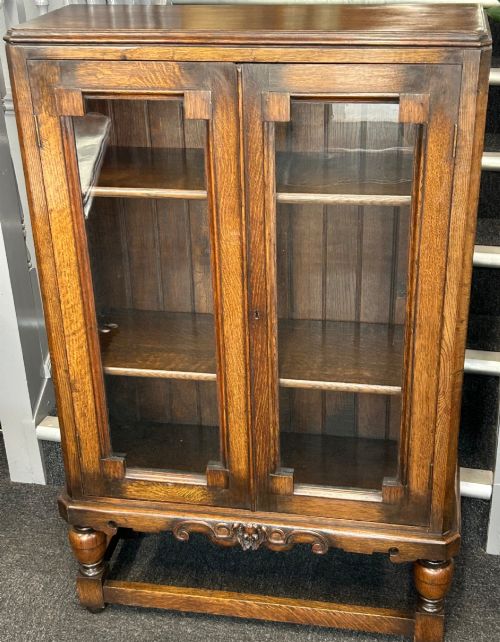
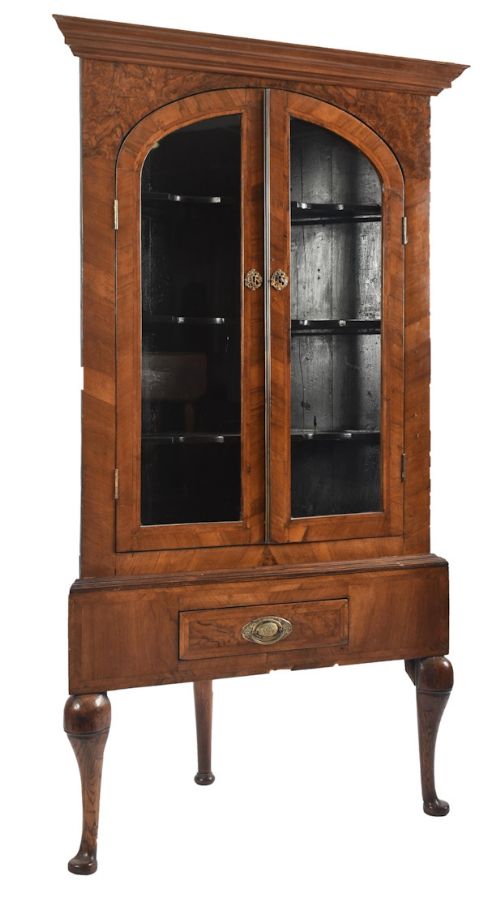
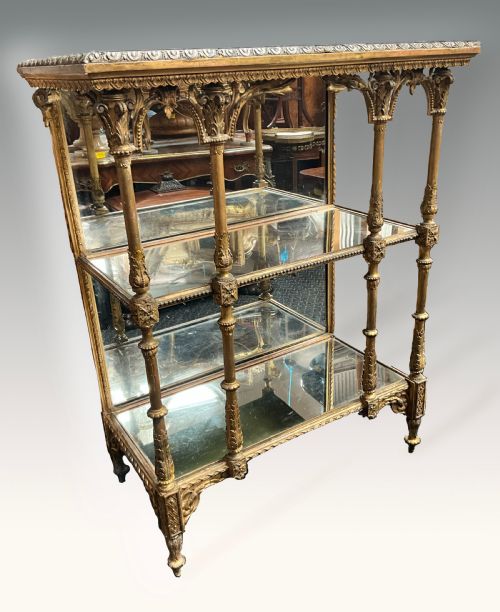
A standing glass display unit provides vertical storage and exhibition space, appearing in forms such as corner cabinets, display cabinets, bookcases, and etagere units. These pieces range from substantial two-part cupboards to lighter freestanding display stands.
The selections span multiple periods, from the eighteenth century through to the Edwardian era and the nineteen-twenties. Buyers will frequently encounter mahogany and oak corner cabinets featuring glazed doors alongside freestanding display furniture in Victorian and revival styles.
Originating as practical furniture for domestic collections or shop interiors, these units serve to protect and exhibit objects simultaneously. Their designs accommodate various room layouts, particularly through specialised corner formats that utilise neglected space.
How they were made
Cabinet makers utilised dense hardwoods such as mahogany, oak, and walnut for the primary structural framework and shelving. Finer examples incorporate satinwood inlay, marquetry, and gilt wood and gesso ornamentation.
Glazing techniques involve leaded, astragal, or flat glass panes secured within timber doors to enclose the display area. Metal elements including brass and bronze appear on structural supports, shop display stands, and hardware fittings.
Standing Glass Display Unit Retail Price Guide 2026
Typical asking prices for standing glass display unit among the pieces listed under this phrase on Sellingantiques today, from the lower quarter to the upper quarter. They describe what is for sale here now, not the wider market.
Listings feature eighteenth-century walnut, nineteenth-century mahogany, and early twentieth-century oak, demonstrating diverse regional cabinet-making traditions.
What varies in quality
Construction methods define the distinction between standard utility furniture and superior cabinet work, observed in the thickness of timber, the precision of joinery, and the execution of carved or inlaid decoration. Serpentine fronts and intricate marquetry indicate higher ambition from the maker.
The selection of secondary timbers and the clarity of the glass panes contribute to the overall refinement of a piece. Original hardware, intact glazing bars, and balanced proportions separate exceptional examples from simpler domestic counterparts.
Lambs of Manchester·Edwards And Roberts
The Standing Glass Display Unit Glossary
- Astragal glazed
- Timber glazing bars dividing a glass door into smaller panes. These delicate mouldings shape the window framework on cabinet doors.
- Etagere
- An open piece of furniture with shelves tiered for displaying ornaments. This lightweight stand provides visibility from multiple angles.
- Marquetry
- Decorative veneer patterns applied to furniture surfaces using thin pieces of wood. Craftsmen arrange contrasting timbers to create pictorial designs.
- Serpentine front
- A cabinet facade curving outward in the centre and inward at the sides. This contour requires skilled woodworking to shape the timber accurately.
Standing Glass Display Unit: Frequently Asked Questions
Where should I place a corner cabinet?
A corner cabinet fits directly into room junctions, utilising angles that standard rectangular furniture leaves empty. This placement preserves floor space while drawing attention to specific corners of a room.
Positioning these units away from direct sunlight protects both the cabinet timber and the items displayed inside from ultraviolet damage. Adequate clearance for opening glass doors remains essential when planning the layout.
How do I clean glass display shelves?
Cleaning glass shelves requires a soft cloth and a mild glass cleaner sprayed onto the cloth rather than directly onto the cabinet. This prevents liquid from seeping into surrounding timber frames or antique joints.
Removing objects before cleaning allows safe access to all surface areas without risking damage to delicate porcelain or glassware during the process.
Can these units support heavy books?
Shelving capacity depends entirely on the thickness of the timber and the method of internal support used by the original cabinet maker. Solid hardwood shelves handle substantial weight better than veneered or thin pine alternatives.
Evaluating the bracket construction underneath each shelf helps determine whether a unit is suitable for heavy volumes or designed strictly for lighter decorative objects.
How do I identify an Edwardian display cabinet?
Edwardian display cabinets frequently feature lighter mahogany timbers combined with satinwood inlay, Sheraton revival motifs, and slender proportions. These pieces reflect the decorative preferences popular around the turn of the twentieth century.
Construction details such as machine-sawn timber elements and standardised hardware assist in separating Edwardian production from earlier nineteenth-century workshops.