
Glazed Ceramic Vases
These glazed ceramic vases bring together centuries of kiln craft, offering structured forms and rich surfaces that transform a room.
Glazed Ceramic Vases
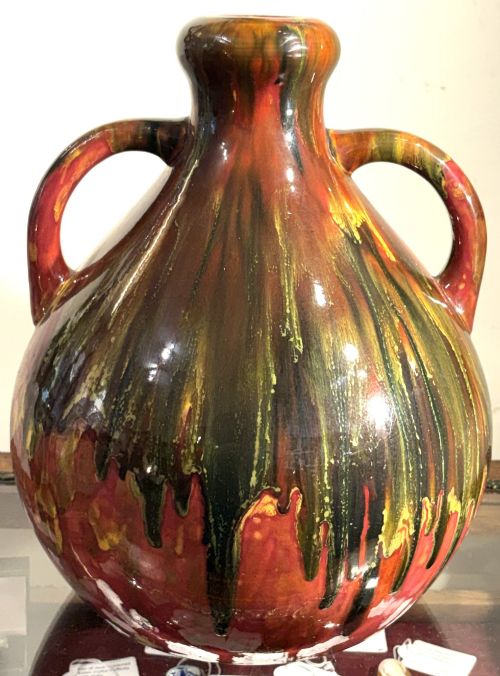
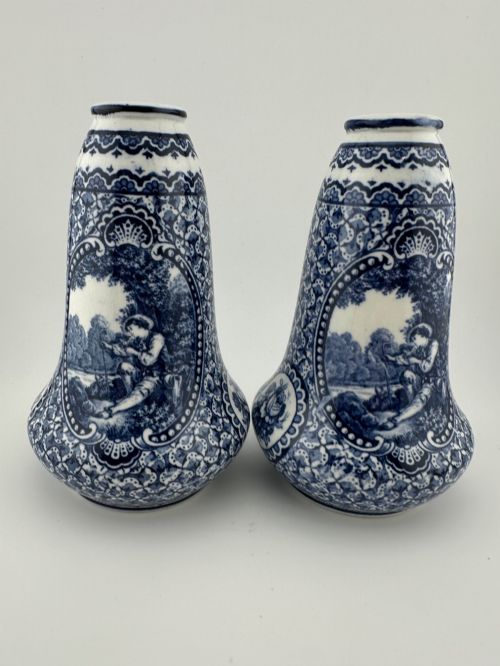
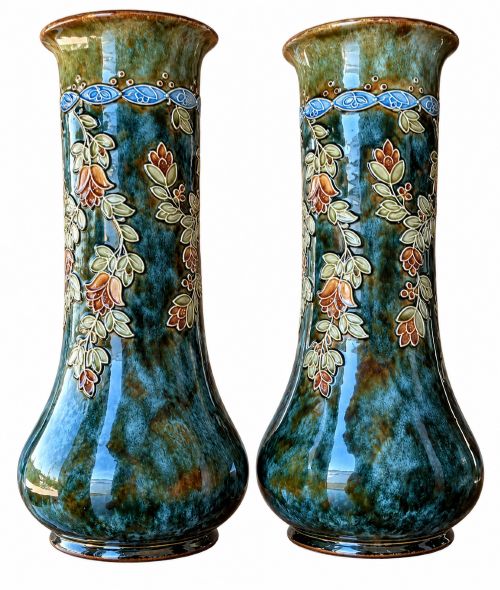
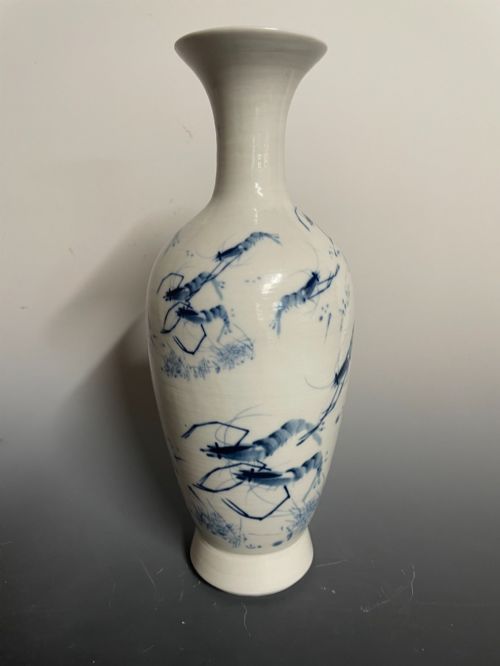
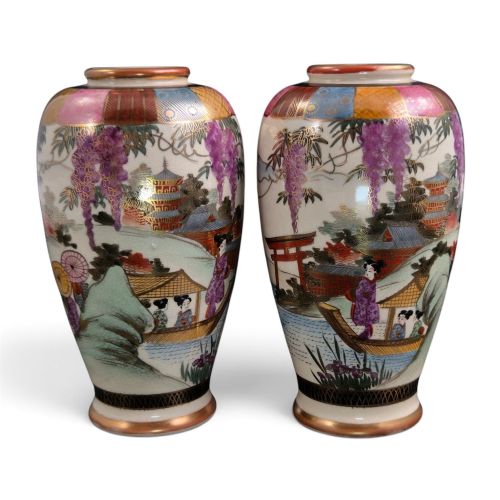
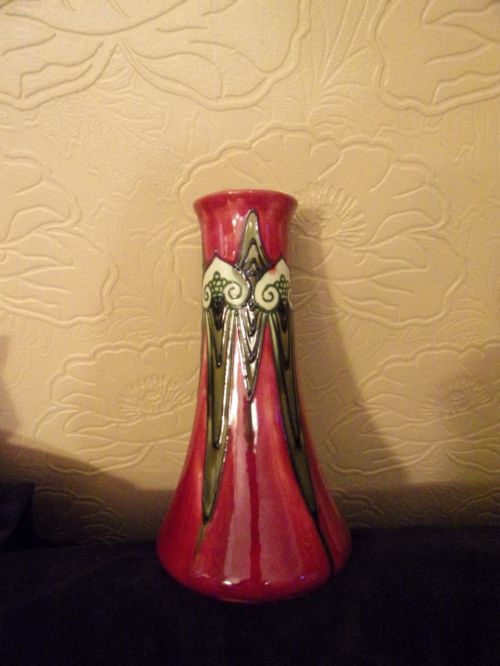
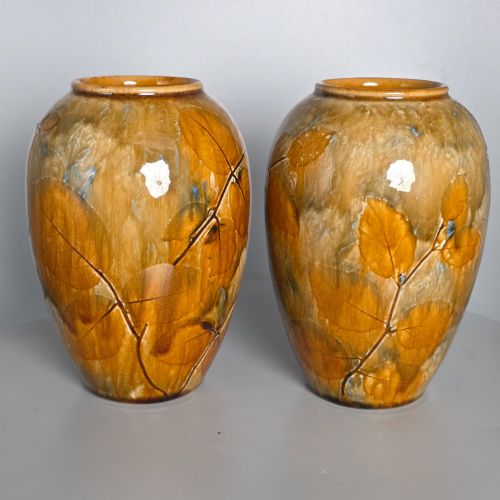
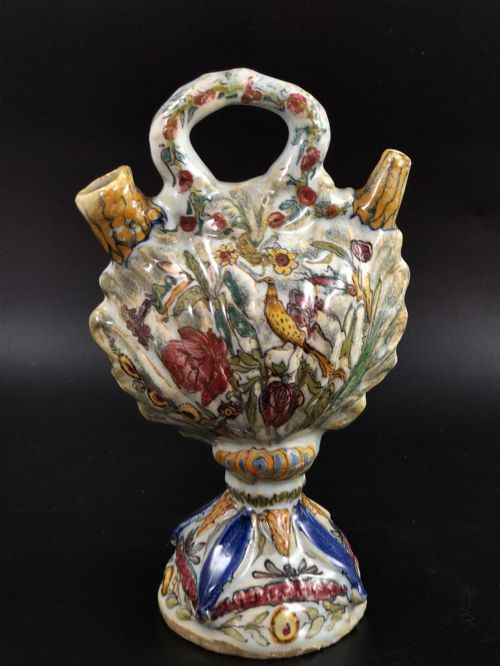
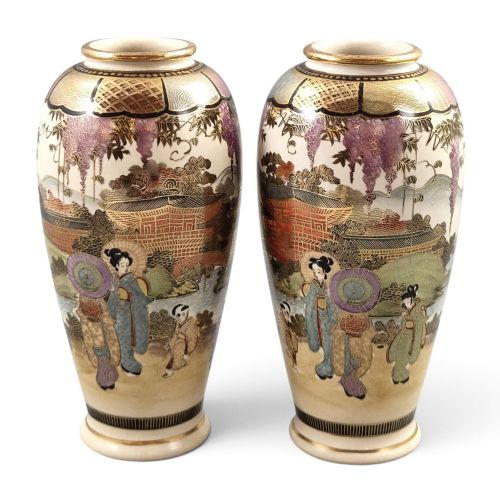
When you search for glazed ceramic vases, you enter a field spanning earthenware, stoneware, and porcelain shaped into vessels, ewers, and spill vases. The selection draws heavily on nineteenth-century European production, alongside earlier Chinese and Japanese pieces.
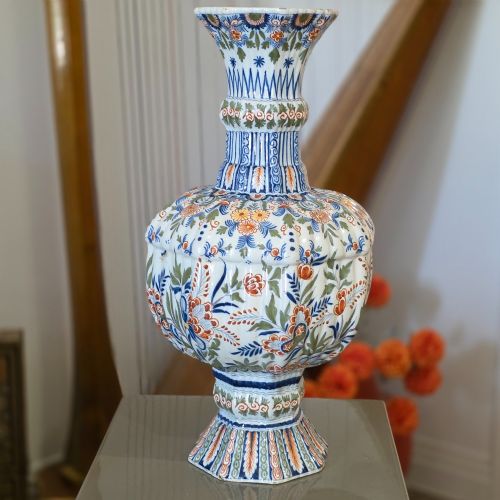
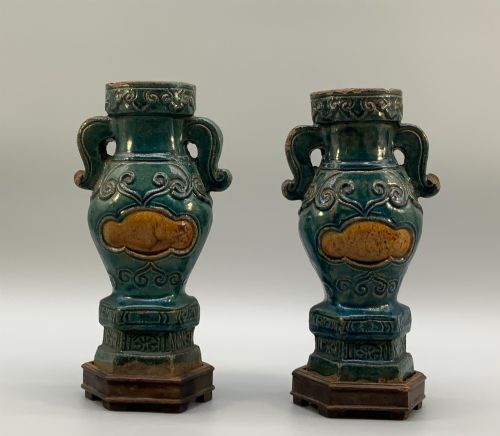
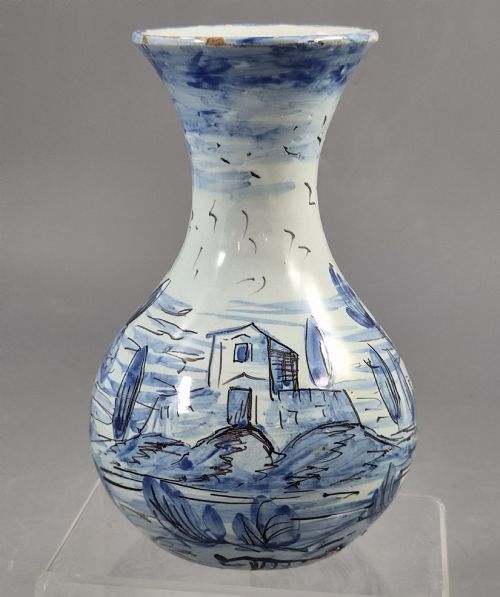
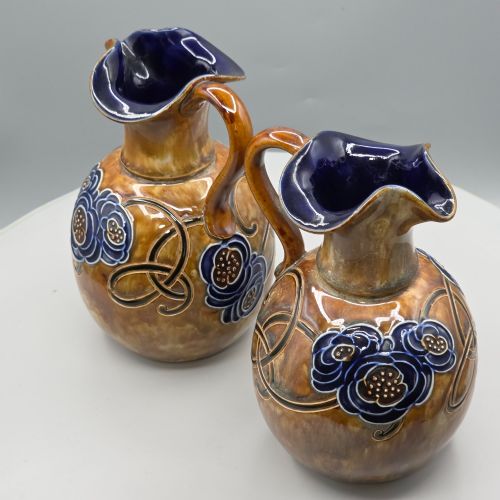
The objects take many forms, from tall umbrella stands and handled jugs to cabinet pieces and pairs of mantle urns. English stoneware and French faience sit alongside Asian ceramics decorated with turquoise, amber, and polychrome glazes.
How they were made
Potters shaped clay on the wheel or pressed it into moulds before applying mineral glazes that fused during firing. Techniques such as tube-lining created raised outlines to hold pools of coloured glaze.
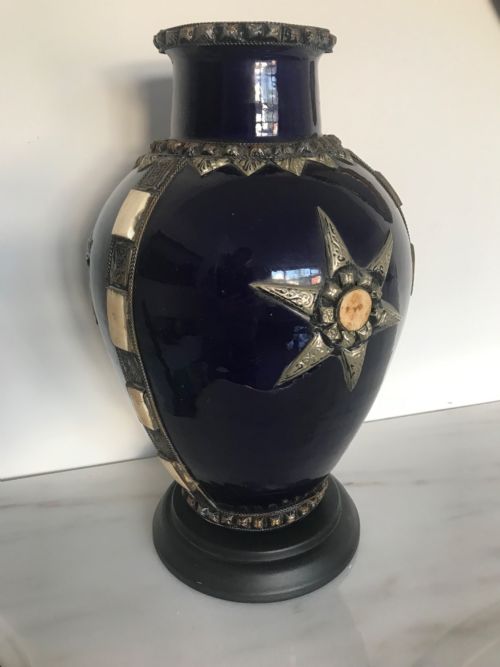
Makers utilised tin glaze, enamel, and salt-glost methods to seal the earthenware or stoneware bodies. Metal mounts, bronze fittings, and silver cabochons were frequently added to finish the pieces.
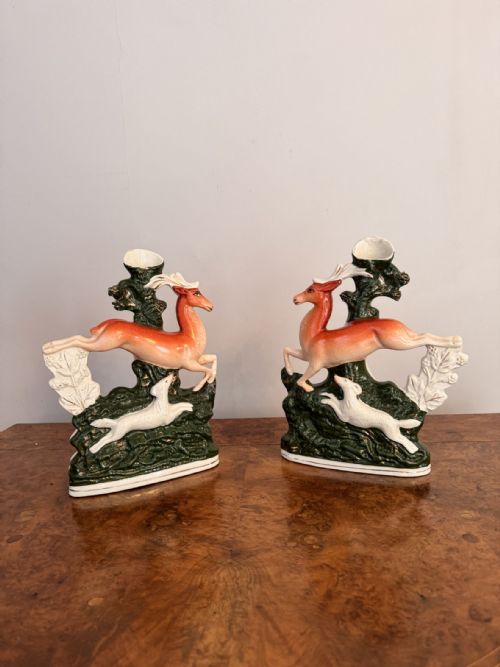
Several Staffordshire sheep and deer stand ready to guard the mantelpiece from stray candle sparks.
What varies in quality
Quality rests on the crispness of the modelled form and the control shown in the firing of the glaze. Hand-painted detail and depth of colour separate standard production from exceptional studio output.
The ambition of the design dictates the standing of a piece, whether in the complexity of a Japanese Sumida Gawa application or the precision of a European revival shape.
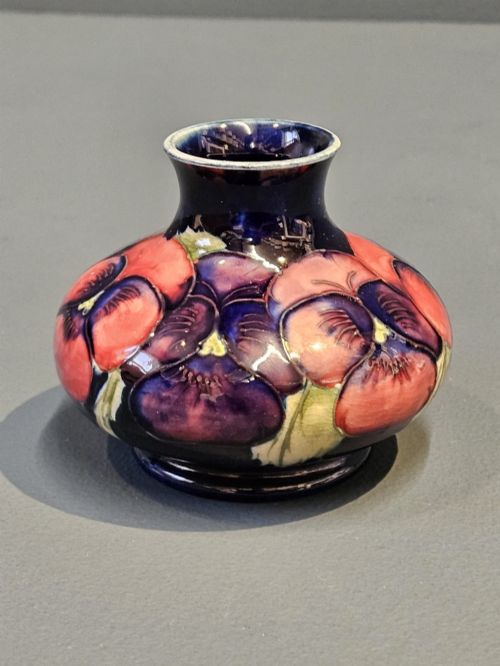
Royal Doulton·Moorcroft·Cantagalli·Théodore Deck·Fourmaintraux-Courquin
The Glazed Ceramic Vases Glossary
- Earthenware
- Porous pottery fired at lower temperatures, requiring an opaque tin glaze or transparent lead glaze to hold liquids.
- Stoneware
- A dense, impermeable pottery fired at higher temperatures until the clay body vitrifies.
- Faience
- European tin-glazed earthenware, often decorated with painted blue and white or polychrome motifs.
- Spill vase
- A small narrow vessel designed to hold taper spills used for lighting candles and fires.
- Tube-lining
- A decorative technique where clay slip is squeezed through a nozzle to outline patterns before glazing.
Glazed Ceramic Vases: Frequently Asked Questions
What periods do these vases come from?
The listings include pieces from the seventeenth century through to the early twentieth century. Victorian and Edwardian examples sit alongside earlier Chinese dynasties and Meiji period Japanese works.
European revivals also draw heavily on eighteenth-century styles, creating a wide spread of historical dates across the selection.
How do I identify a spill vase?
Spill vases are typically narrow and tubular in form, designed specifically to hold wooden spills for lighting hearths. You will often find them modelled as figures, animals, or simple cylindrical holders.
Staffordshire potteries produced many pairs of these utilitarian chimney-piece items during the nineteenth century.
What is Sumida Gawa pottery?
Sumida Gawa pottery originates from Japan and is easily recognised by its heavy, flowing flambe glazes and applied figures. Makers pinched the rims and climbed figures up the exterior walls of the vases.
These pieces date predominantly to the Meiji and Taisho periods and have a distinct sculptural texture.
How should I clean glazed ceramics?
Dust the surfaces gently with a soft, dry cloth to prevent dirt from settling into crevices or crazed glaze lines. Avoid using harsh chemical cleaners or submerging pieces with metal mounts.
Older earthenware can be porous beneath the glaze, so moisture should be kept away from any unglazed areas at the base.