



Carved Ceramic Vase
A carved ceramic vase brings distinctive texture and form to a room, offering rich historical depth through patterned surface decoration.
Carved Ceramic Vase
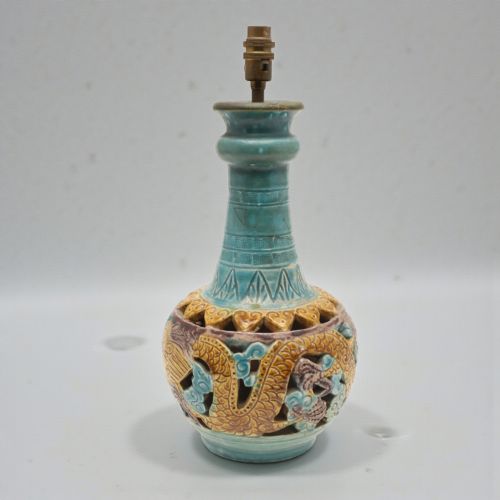
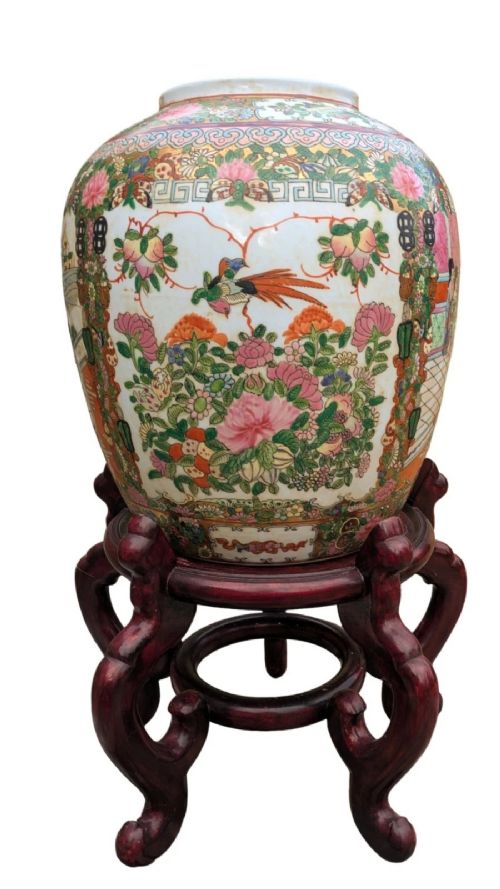
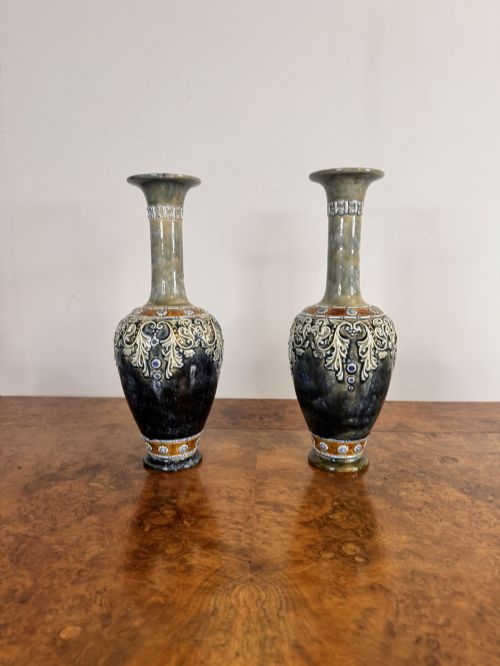
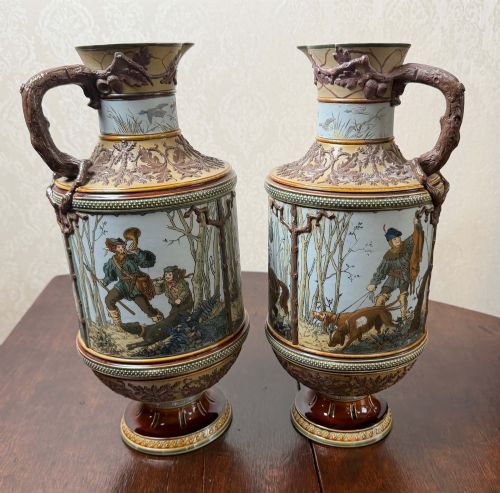
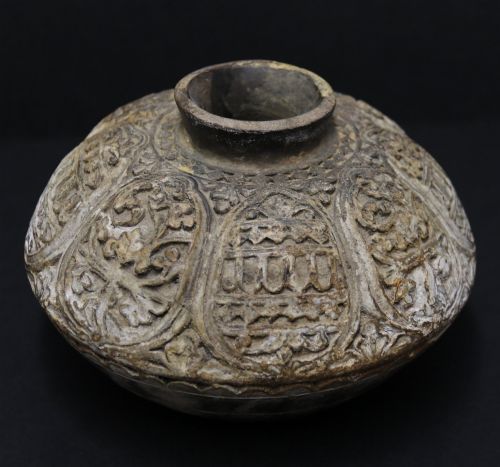
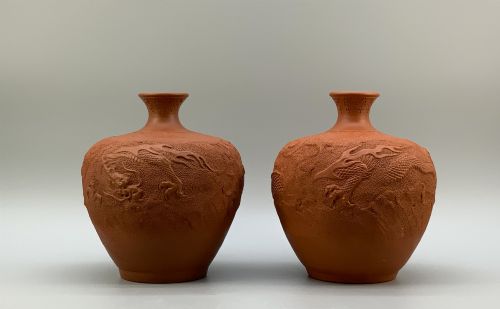
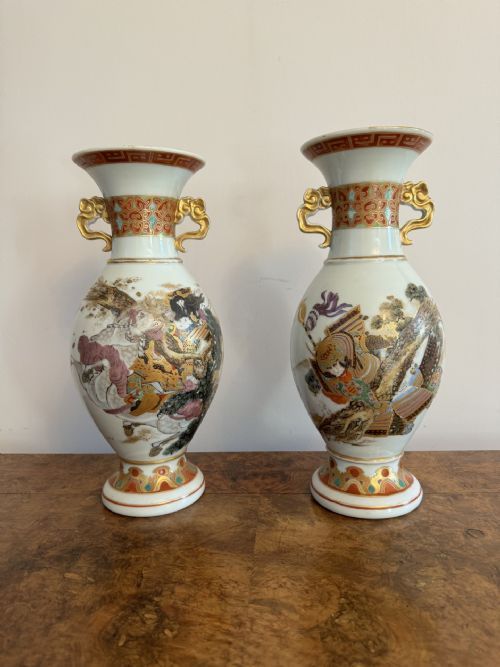
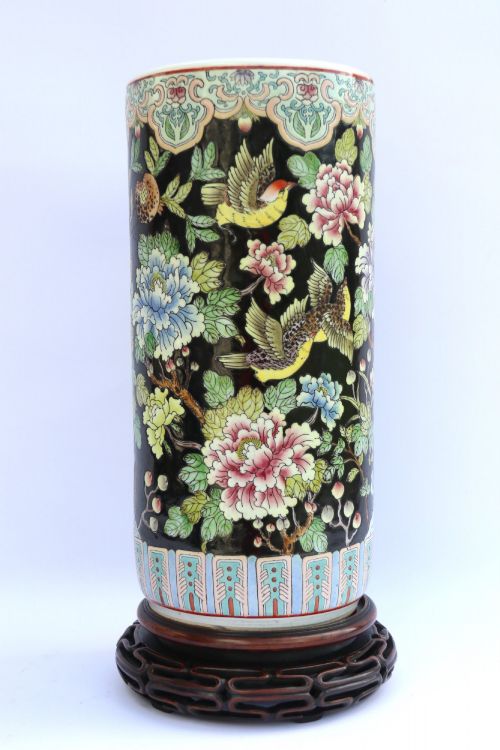
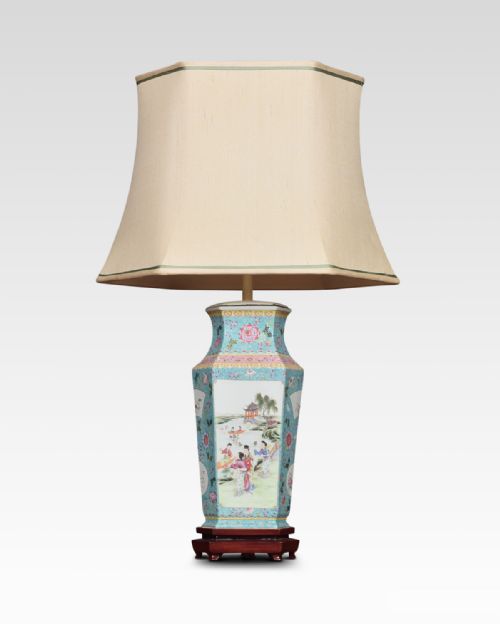
When searching for a carved ceramic vase, you encounter a diverse selection of vessels shaped from clay, pottery, stoneware, and porcelain. The pieces originate from various historical periods, including the seventeenth, nineteenth, and twentieth centuries, with a strong representation of Chinese and Japanese craft traditions. Forms range from traditional baluster shapes and jars to pieces adapted into table lamps alongside standalone decorative vessels.
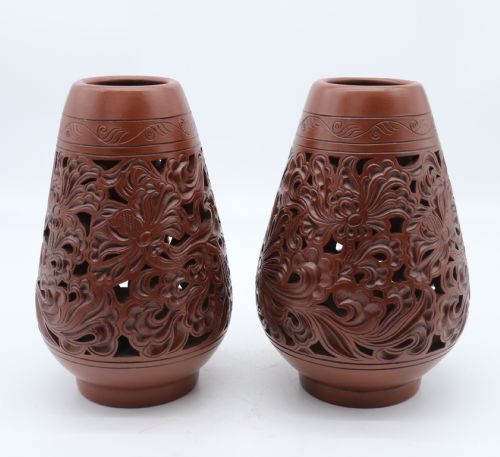
You are most likely to meet nineteenth-century Chinese porcelain and Japanese pottery examples on this page. These often feature distinctive glazes like celadon, famille rose, or sang de boeuf, as well as specific regional styles such as Imari or Canton. Some items incorporate reticulated work or intricate surface incision, demonstrating the varied decorative techniques applied across different Asian and European workshops.
How they were made
The construction of these vessels relies on foundational ceramic materials such as porcelain, stoneware, terracotta, and pottery clay. Artisans shaped these materials into forms like baluster vases and jars, occasionally pairing them with original hardwood stands or mounting them as table lamps.
Surface decoration involved specialised techniques including carving, reticulation, and incising directly into the clay body. Potters applied glazes such as celadon, sang de boeuf, and famille rose, sometimes combining porcelain with lacquer over black paint or enamel to achieve rich visual contrast.
Carved Ceramic Vase Retail Price Guide 2026
Typical asking prices for carved ceramic vase among the pieces listed under this phrase on Sellingantiques today, from the lower quarter to the upper quarter. They describe what is for sale here now, not the wider market.
Several Chinese celadon jars and vases feature carved motifs of swimming ducks among lotus plants, bringing lively animal scenes to traditional pottery.
What varies in quality
The refinement of the surface carving and the precision of the reticulation or incision set finer pieces apart from simpler productions. Mastery in controlling high-temperature kiln firings and glaze reactions, such as achieving an even celadon or deep sang de boeuf tone, distinguishes exceptional works.
The integration of supplementary elements, such as fitted original hardwood stands or well-executed conversions into table lamps, influences the overall integrity of the piece. Consistency in form and the clarity of painted or carved motifs reflect the skill of the maker and the workshop standard.
Makuzu Kozan II·Mougin
The Carved Ceramic Vase Glossary
- Celadon
- A type of transparent green glaze applied to stoneware or porcelain, creating a subtle jade-like surface appearance. This finish has a long history in Asian ceramic production.
- Reticulated
- Describes ceramic work featuring an openwork pattern carved through the outer wall of the vessel. This technique requires exceptional skill during the shaping and drying stages.
- Baluster
- A vertical vase form characterised by a rounded body that tapers toward the base and swells near the lower centre. It remains a classic silhouette across multiple centuries of ceramic design.
- Sang de boeuf
- A rich, deep red copper-based glaze that develops subtle variations during firing. The technique demands precise temperature control within the kiln.
- Famille rose
- A palette of opaque enamel colours dominated by pink, introduced to Chinese porcelain decoration during the Qing dynasty. It allowed for detailed floral and figurative depictions.
Carved Ceramic Vase: Frequently Asked Questions
How do I identify a celadon glaze?
A celadon glaze presents a distinct pale green or grey-green tone resembling jade, achieved through iron oxide in reduction firing.
This finish appears frequently on earlier Chinese porcelain and stoneware vessels listed within these periods.
Can these vases be used as lamps?
Several examples are mounted or adapted as table lamps while retaining their original ceramic body and form.
These functional pieces combine historical ceramic artistry with modern interior lighting.
How are different periods distinguished?
Periods are identified through specific glaze characteristics, clay types, decorative styles, and manufacturing techniques recorded across centuries.
Items range from seventeenth-century incised pottery to nineteenth-century porcelain and twentieth-century stoneware.