


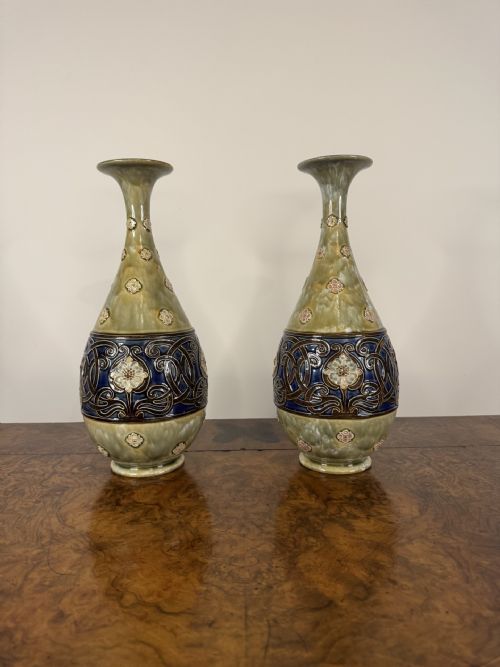


Mottled Glazed Pottery
Mottled glazed pottery pieces bring rich, variegated surface depth to a room through distinctive pooling colours and tactile finishes.
Mottled Glazed Pottery
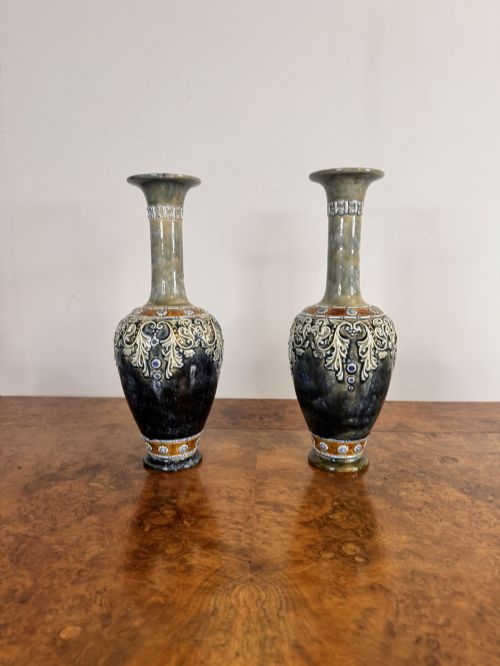
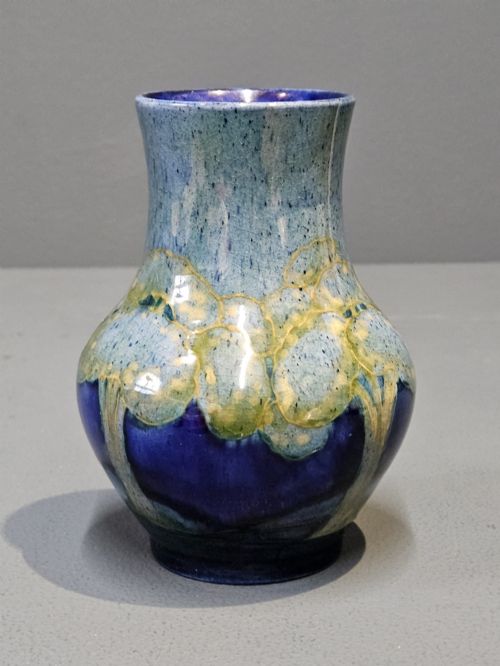
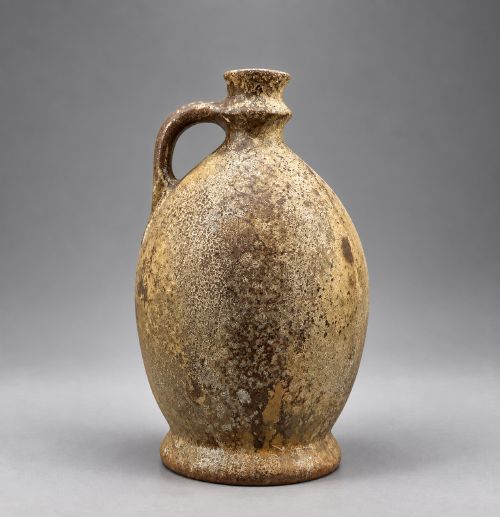
Mottled glazed pottery encompasses functional vessels and decorative objects finished with blended or speckled surface treatments. When searching for mottled glazed pottery, buyers encounter items ranging from Georgian creamware and 19th-century salt-glazed flagons to Edwardian lustre bowls and Art Nouveau stoneware vases.
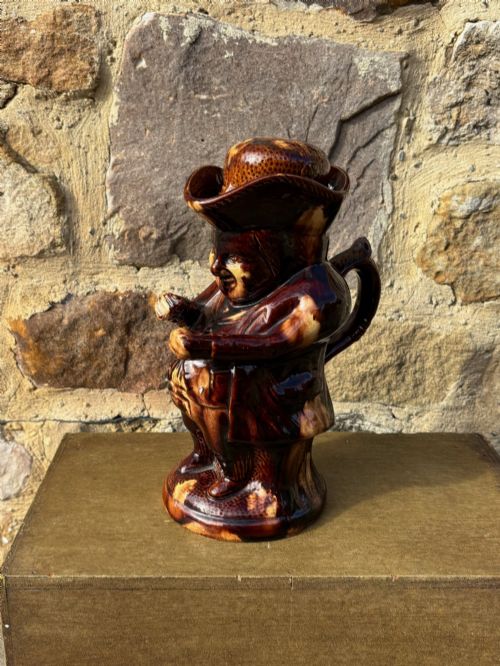
Vessels on this page span several decades of production, featuring utility jugs, Toby jugs, planters, and display vases. Forms extend from English folk pottery and Victorian country wares to distinct Arts and Crafts, Art Deco, and Art Nouveau expressions.
The aesthetic relies heavily on the interaction of the glaze with the body beneath, producing characteristic clouding, pooling, and tonal variation across the surface. Pieces emerge from notable workshops and individual makers, showing diverse regional British and continental European traditions.
Materials and methods
Makers utilised earthenware, stoneware, and creamware bodies as the structural foundation for these pieces. Stoneware and salt-glazed items provided robust, impermeable qualities, while softer earthenwares supported delicate lustre and treacle finishes.
Glazes were applied by dipping, brushing, or pouring before firing in kiln environments that encouraged chemical reactions within the minerals. Specific formulations produced variegated surface effects, incorporating metallic salts or layered pigments to create the signature mottled appearance.
Mottled Glazed Pottery Retail Price Guide 2026
Typical asking prices for mottled glazed pottery among the pieces listed under this phrase on Sellingantiques today, from the lower quarter to the upper quarter. They describe what is for sale here now, not the wider market.
Judging the range
Quality in these ceramics rests upon the control and depth of the glaze chemistry during the kiln firing. Superior examples display intentional, harmonious colour distribution and rich optical depth rather than flat or muddy pooling.
The crispness of the underlying form and the successful integration of decorative details, such as applied handles or painted lustre, distinguish standard production pieces from masterwork outputs associated with named artists and leading potteries.
Royal Doulton·Moorcroft·Berthe Savigny·Wedgwood·English Cranston
The Mottled Glazed Pottery Glossary
- Treacle glaze
- A dark, translucent brown glaze yielding a glossy, treacle-like appearance popular on nineteenth-century utility and figural ceramics.
- Salt glaze
- A historic pottery technique where common salt is introduced into the kiln during high-temperature firing, producing a textured, orange-peel surface texture.
- Lustre
- A type of ceramic glaze containing metallic elements that leave an iridescent sheen upon the surface after a specialised reduction firing.
- Creamware
- A refined earthenware developed in eighteenth-century England, featuring a pale yellowish-white body often covered with a transparent lead glaze.
Mottled Glazed Pottery: Frequently Asked Questions
How do I clean mottled glazed pottery?
Dust these ceramic pieces gently with a soft, dry cloth to protect the historic glaze surfaces from abrasion.
Avoid immersing antique items in water or using chemical cleaning agents, which can penetrate porous earthenware or damage fragile surface finishes.
What is salt glaze pottery?
Salt glaze pottery is created by throwing common salt into the kiln at peak firing temperatures, causing the sodium to react with the silica in the clay body.
This process leaves a distinctive, slightly pitted texture resembling an orange peel across the exterior of the vessel.
Are these pieces suitable for daily use?
Most antique decorative bowls, art pottery vases, and figurines are best reserved for display rather than active utility.
Older materials can possess internal hairline fractures or delicate surface glazes that degrade with frequent handling or liquid containment.
How do I date an antique ceramic piece?
Dating relies on examining the specific potting techniques, body materials, stylistic markers, and any impressed factory stamps or artist signatures.
Comparing the form and glaze characteristics against documented examples from periods like the Arts and Crafts era or the Georgian epoch provides reliable chronological context.