
Gilt Wood Console Table
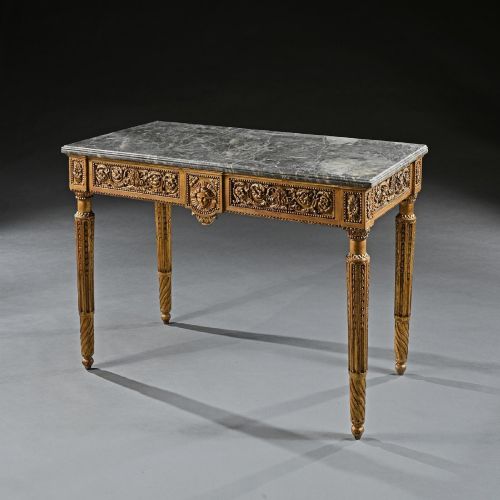
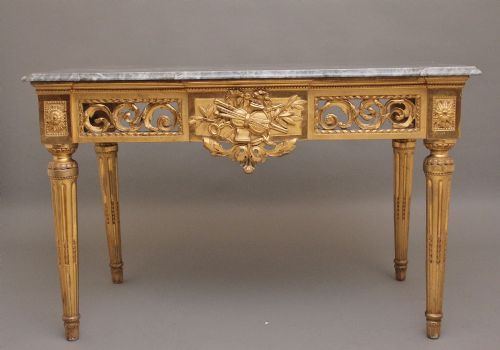
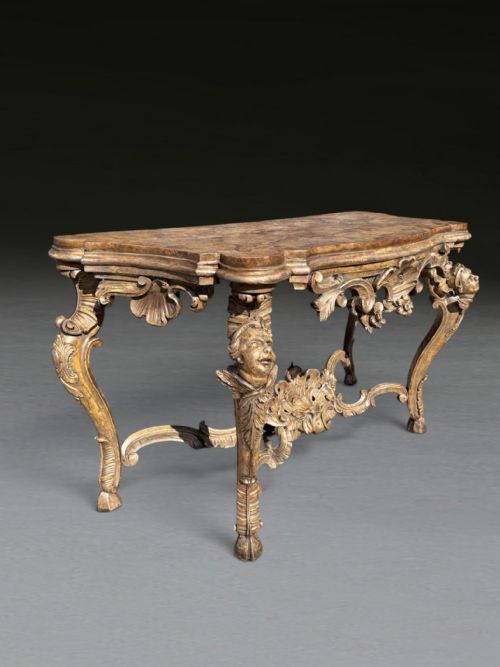
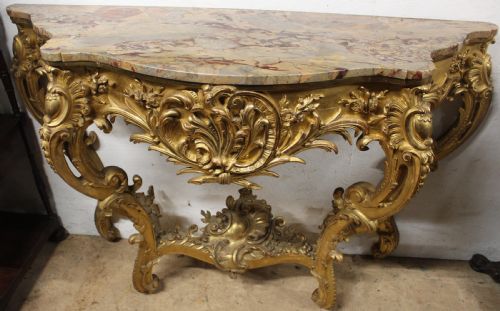
A gilt wood console table combines architectural presence with ornate surface gilding, offering a dramatic focal point for an entrance hall or reception room.
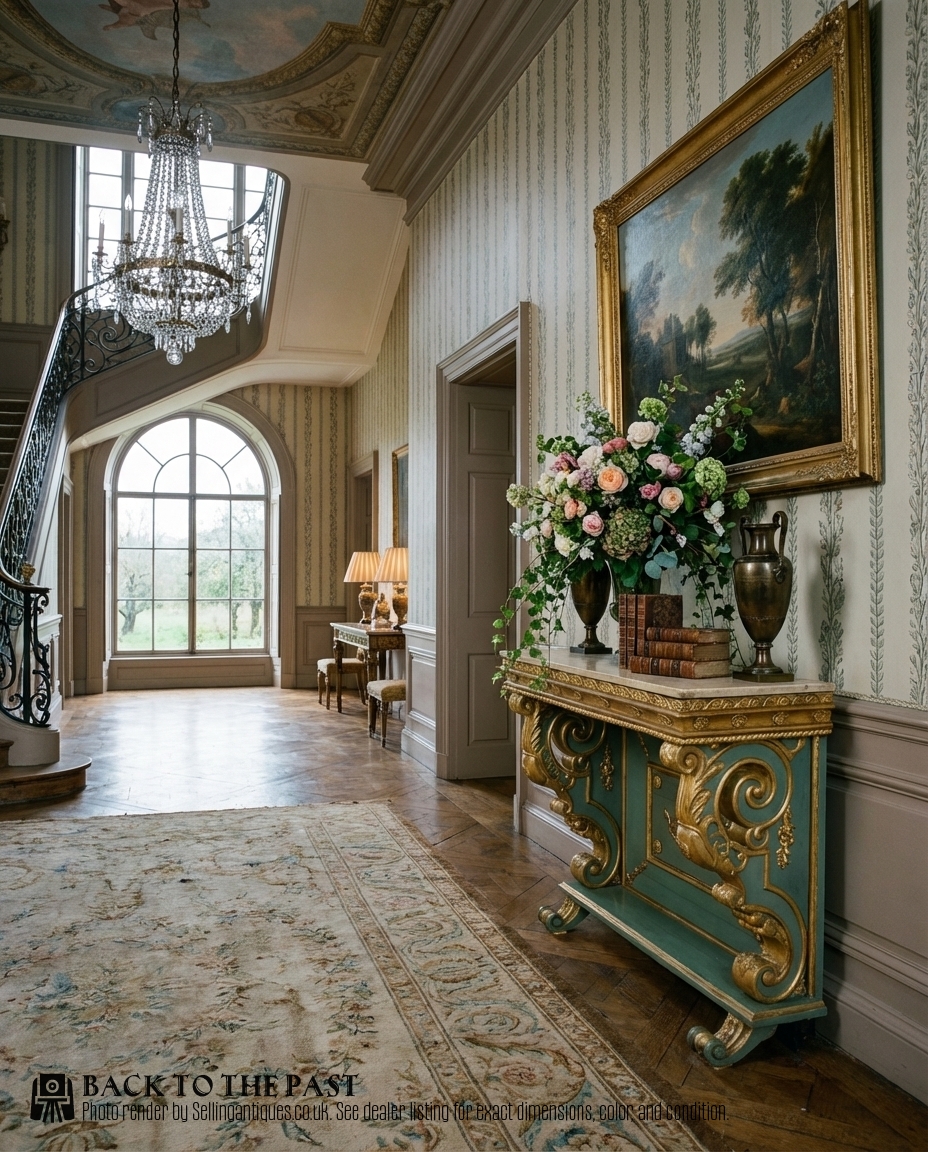
Gilt Wood Console Table
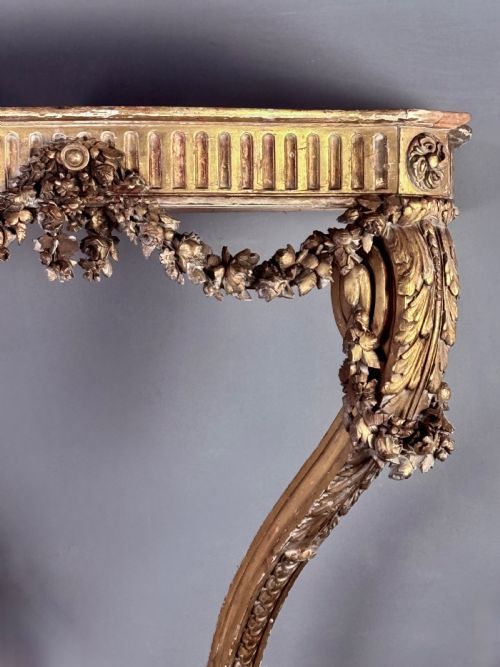
When searching for a gilt wood console table, buyers encounter wall-mounted or freestanding forms primarily originating from the eighteenth and nineteenth centuries. These pieces frequently display continental European craftsmanship, particularly from French and Italian workshops.
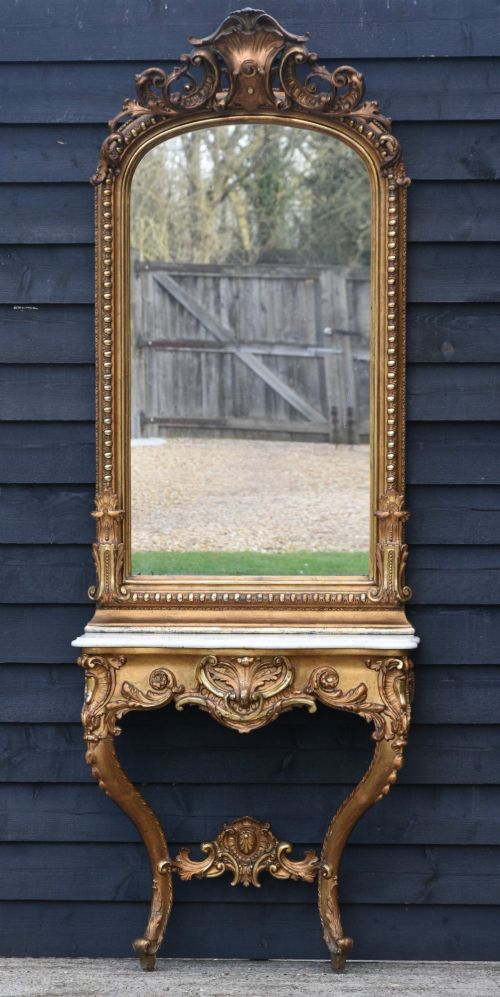
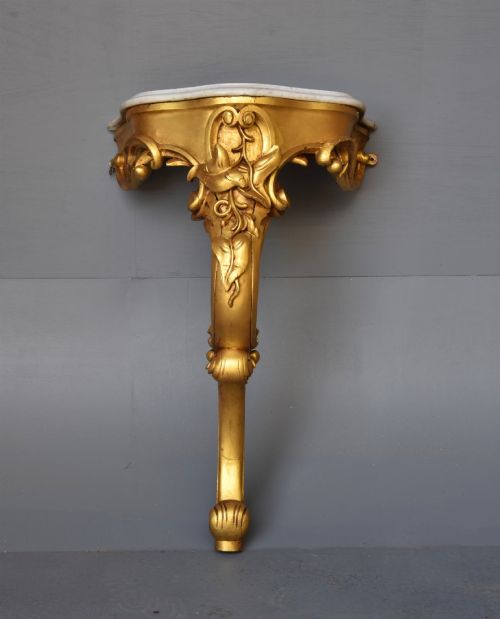
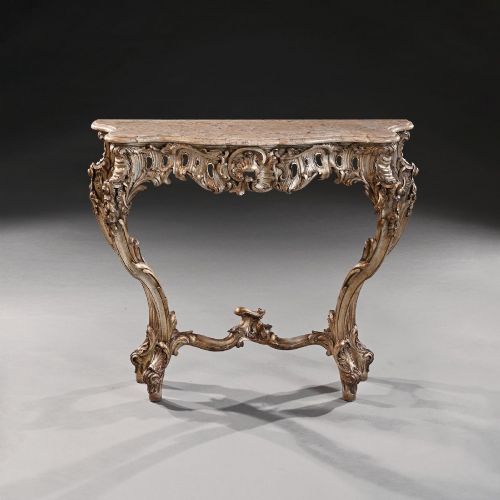
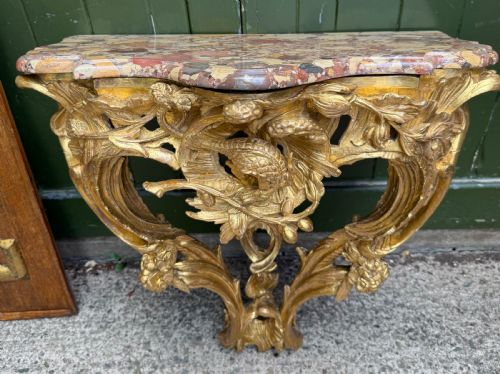
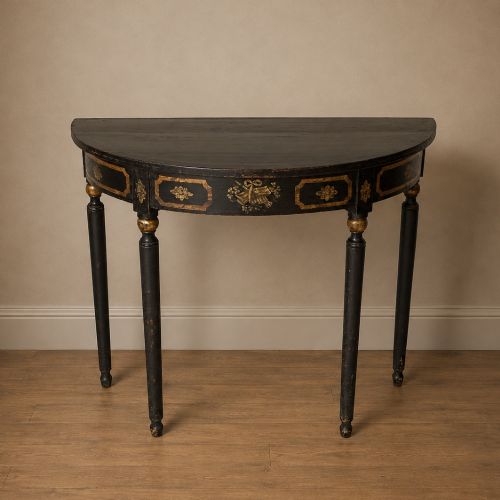
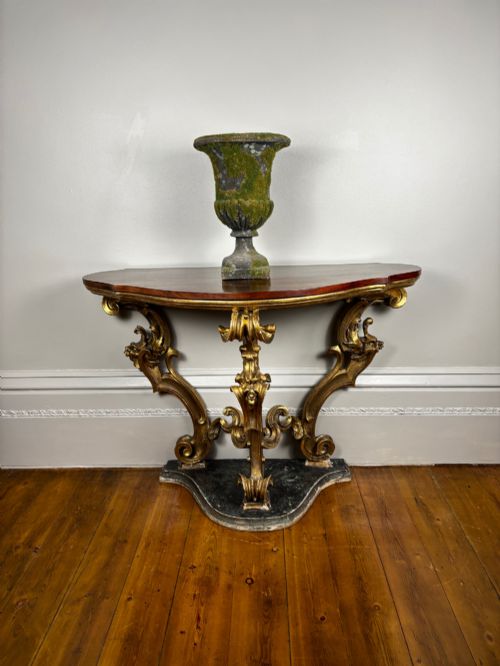
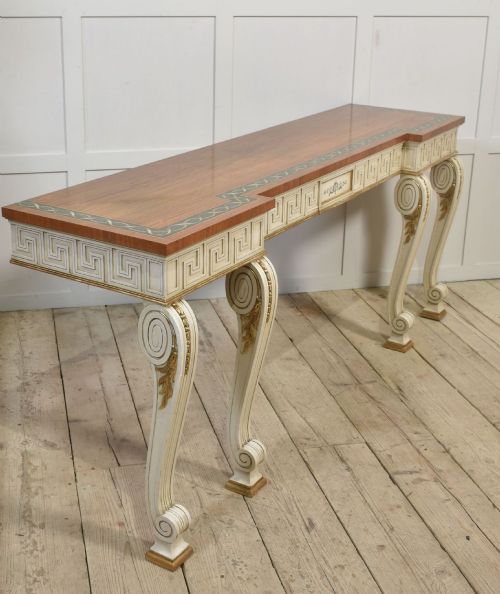
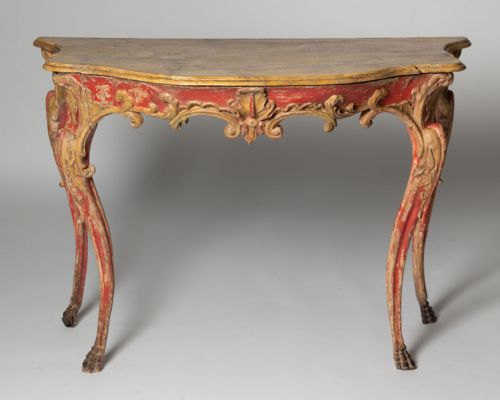
The most common iterations on this page pair carved wooden frames with heavy marble slabs, often shaped in serpentine or demilune outlines. Neoclassical and Rococo Revival designs dominate the selection, reflecting historical tastes for elaborate ornamentation and curved supports.
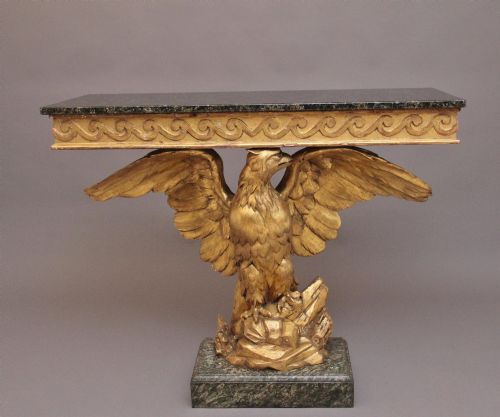
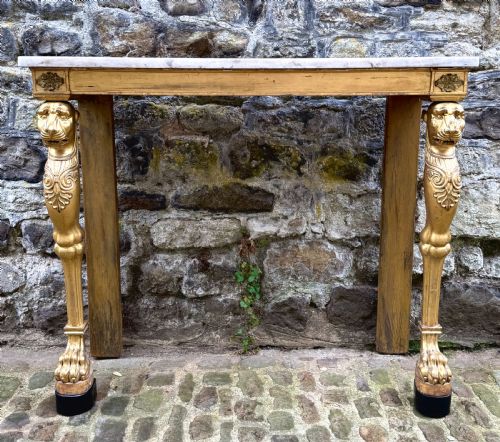
Makers utilised various secondary woods beneath the surface finishes, including mahogany and walnut, while incorporating ornamental bases featuring motifs like lion paws and dolphins. Occasional variations include painted and parcel gilt surfaces alongside silvered gilding.
Materials and construction methods
Artisans carved solid timber frames directly from woods such as mahogany, walnut, or softer woods prepared for surface decoration. Gesso was frequently applied to the carved wooden foundation to create a smooth, sealed base layer for subsequent gilding.
Gold leaf or silver leaf was meticulously laid over the prepared gesso and wood substrate, often burnished to achieve varying levels of reflectivity. Heavier structural tops utilised natural stone slabs, including Carrara and breccia marble, fitted directly to the supporting framework.
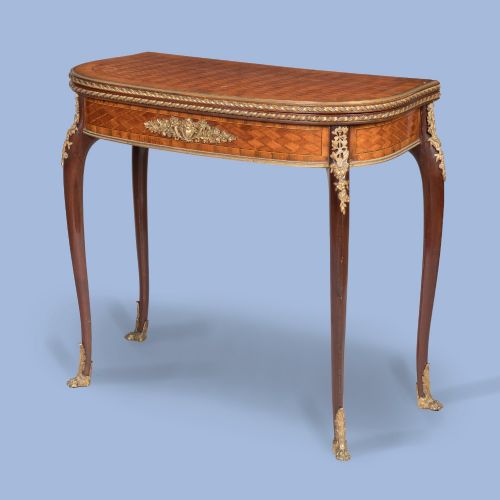
Ormolu mounts and parquetry inlay appear on select examples, demonstrating advanced cabinet-making techniques from French and English makers. Surface treatments also encompass painted and parcel gilt finishes, where exposed painted areas contrast with highlighted gilded details.
Gilt Wood Console Table Retail Price Guide 2026
Typical asking prices for gilt wood console table among the pieces listed under this phrase on Sellingantiques today, from the lower quarter to the upper quarter. They describe what is for sale here now, not the wider market.
Several tables feature carved wooden dolphins acting as structural supports.
Factors determining quality and craftsmanship
The depth and clarity of the wood carving separate standard joinery from superior examples, particularly where deep undercut foliage and sculptural figures are involved. Crisp execution in the gesso layer ensures that underlying carved details remain sharp rather than softened by excessive preparation layers.
The selection and fit of the marble top significantly influence the overall standard, with figured stones like breccia and brèche d'alep indicating higher initial production costs. Originality of the surface finish matters greatly, as undisturbed historical gilding holds more integrity than later repainted or regilt interventions.
Felix Alfred Ternisien
The Gilt Wood Console Table Glossary
- Giltwood
- Timber carved and coated with gold leaf over a prepared ground. This material defines the primary aesthetic of these tables.
- Gesso
- A plaster-like mixture applied to wood frames to create a smooth surface for gilding. It allows carvers to achieve sharp decorative details.
- Console table
- A table designed to stand against a wall, frequently secured to it for stability. These pieces often feature ornamental front legs while relying on wall support.
- Demilune
- Half-moon shape in furniture design. This semicircular format appears frequently in eighteenth and nineteenth-century wall tables.
- Ormolu
- Gilded bronze mounts applied as decorative highlights on furniture. This technique is common in French cabinet work.
- Breccia marble
- A composite stone made of angular fragments embedded in a fine-grained matrix. It provides heavy, highly patterned tops for formal tables.
Gilt Wood Console Table: Frequently Asked Questions
Where should a gilt wood console table be placed?
These tables traditionally anchor entrance halls, formal reception rooms, and long corridors against flat walls. Their shallow depth allows them to sit comfortably in circulation spaces without blocking pathways.
Pairing a console with a matching pier mirror creates a cohesive architectural display that reflects light into darker rooms. Because many historical examples were designed to anchor against a wall, positioning them securely ensures stability.
How do I identify a Rococo Revival piece?
Rococo Revival pieces feature asymmetric C-scrolls, shell motifs, and naturalistic floral carvings that echo eighteenth-century French aesthetics. The woodwork typically displays curved serpentine outlines rather than strict straight lines.
Nineteenth-century interpretations often exhibit heavier proportions and deeper carving than their earlier eighteenth-century predecessors. Examining the underlying construction wood and the composition of the gesso helps clarify the actual period of manufacture.
What is a pier table?
A pier table is a specific type of console table designed to fit directly against the wall space between two windows. These tables frequently accompanied tall wall mirrors, creating a unified vertical arrangement.
Surviving examples from the nineteenth century often retain their original paired mirrors and heavy marble slabs. Their proportions are typically dictated by the architectural gap beneath the window line.
How do I care for antique giltwood surfaces?
Giltwood surfaces require gentle dusting with a soft, dry brush to prevent abrasive particles from scratching the delicate gold leaf. Moisture and chemical cleaning agents can dissolve the underlying gesso and damage the metallic leaf.
Keeping these tables away from direct sunlight and excessive humidity prevents the timber framework from shifting and cracking the prepared ground. Professional conservation is recommended for any structural repairs or surface consolidation.