

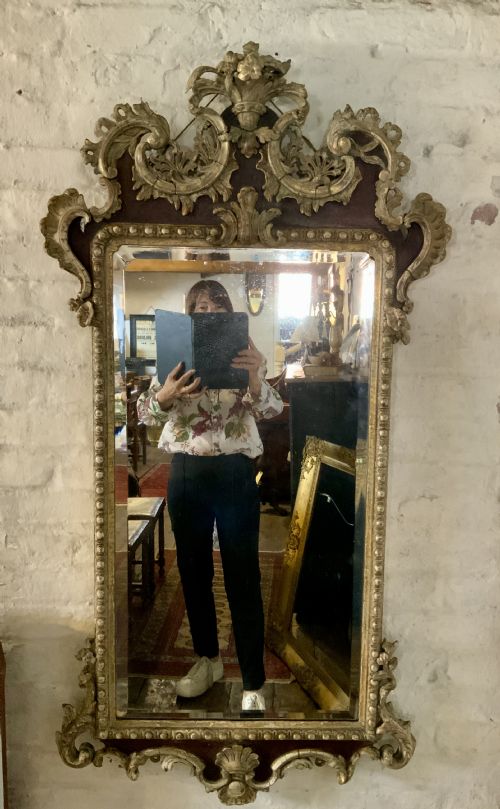
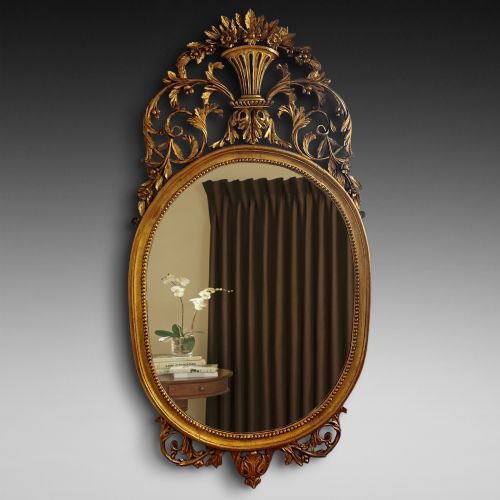
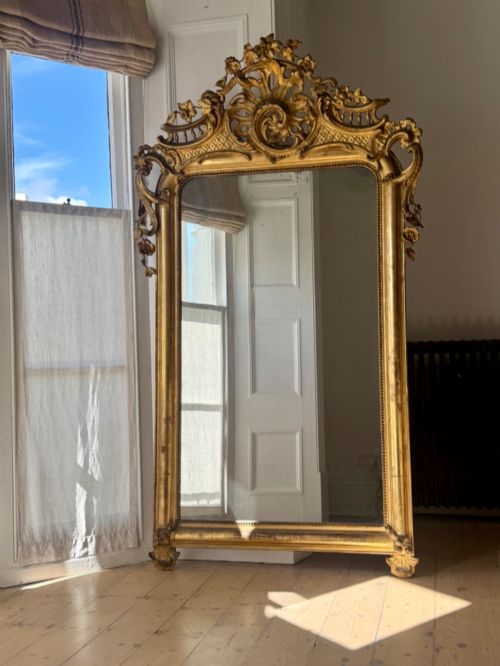
Gilt Pier Glass
When you search for a gilt pier glass, you uncover tall wall mirrors designed to stand between rooms or windows, bringing light and presence to historic interiors.
Gilt Pier Glass
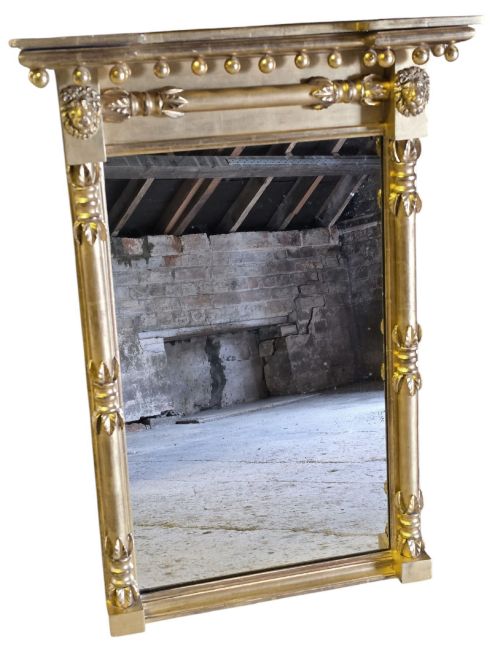
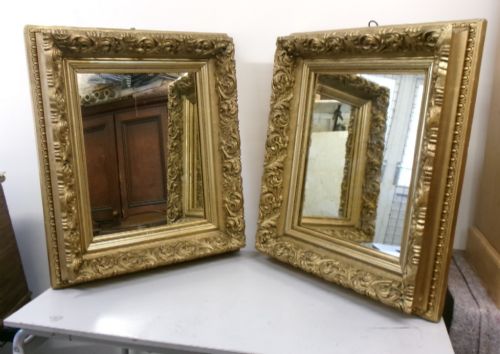
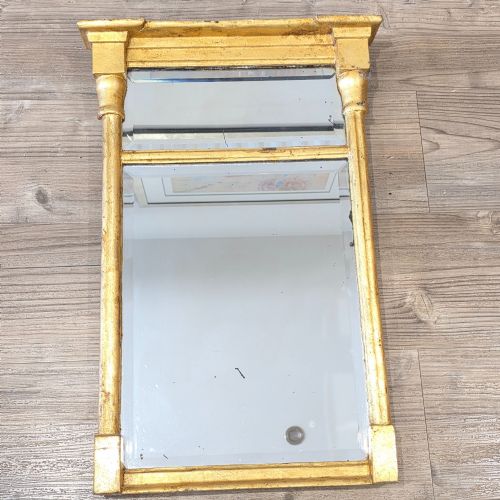
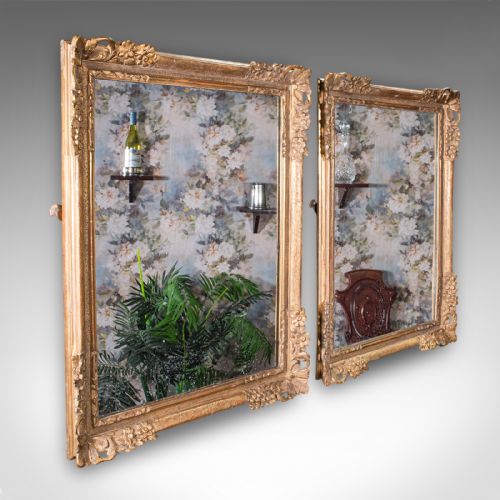
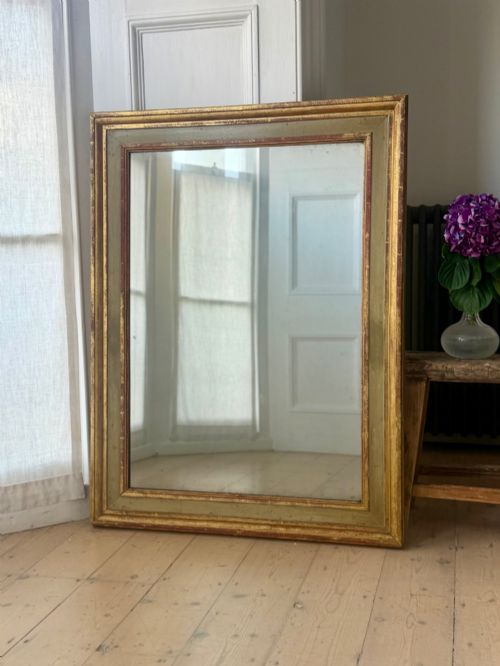
A gilt pier glass is a tall wall mirror historically positioned on the wall space, or pier, between two windows or above a console table. These pieces serve to reflect light and expand the visual depth of reception rooms in Georgian, Regency, and Victorian homes.
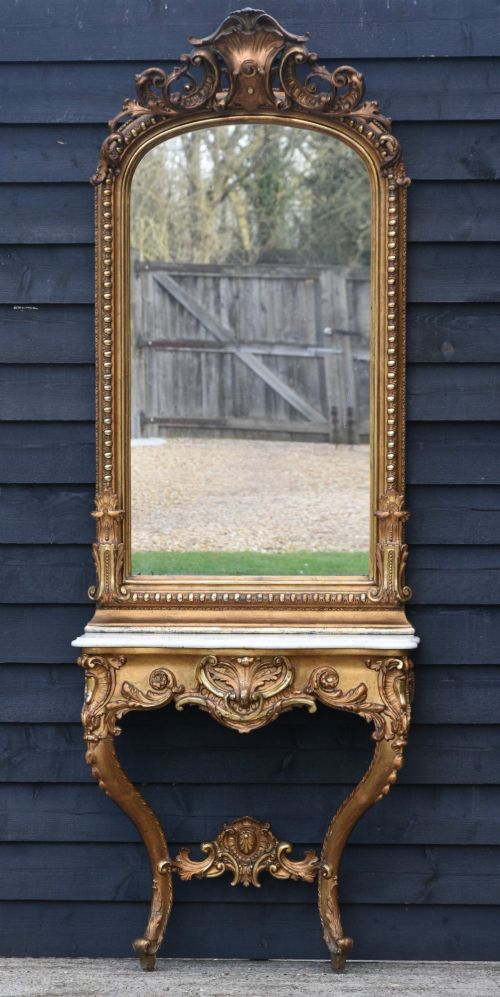
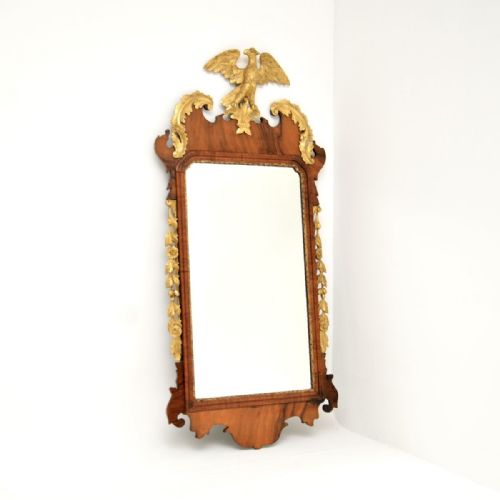
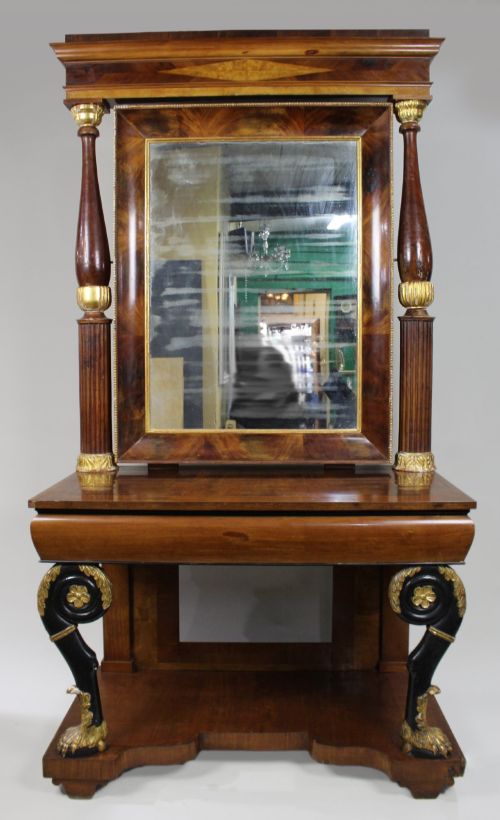
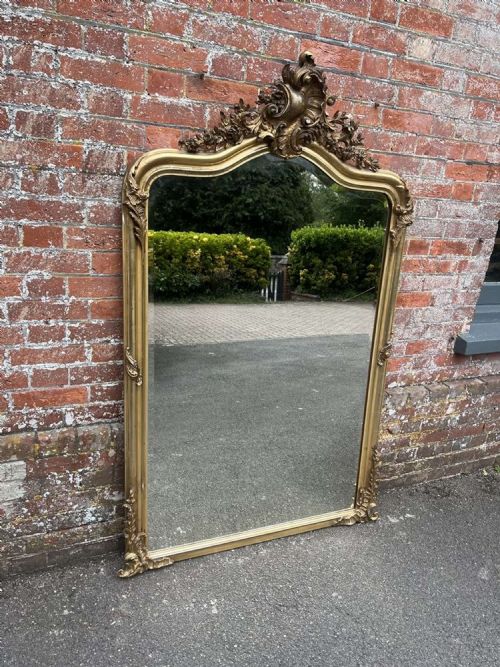
The versions most commonly met on this page range from 18th-century George II and George III designs to Regency and 19th-century French creations. Alongside standard wall mirrors, forms include trumeau mirrors with integrated oil paintings, console tables paired with matching frames, and overmantel variants.
Originating across English and continental workshops, these mirrors integrate architectural symmetry with decorative framing. Surviving examples often retain original glass plates, mercury glass, or decorative verre eglomise panels.
Materials and construction
Frames are constructed primarily from timber foundations such as mahogany, walnut, and painted wood, which provide structural stability. Carved elements and decorative mouldings are frequently rendered in gesso applied over wood before gilding.
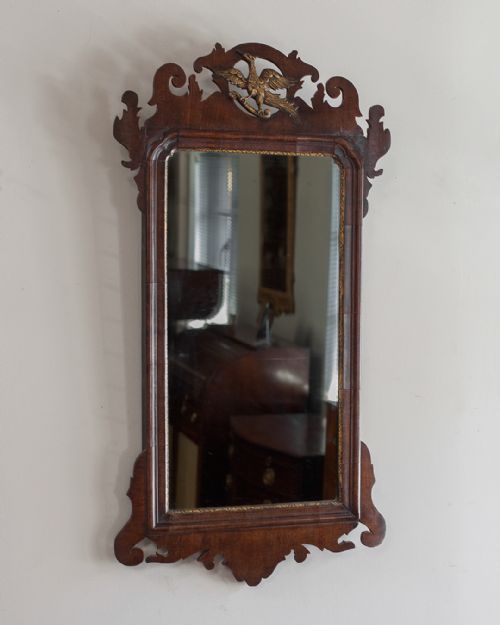
Gilding techniques involve the application of gold leaf onto prepared surfaces to achieve a luminous finish, sometimes complemented by parcel-gilt details on dark wood. Ormolu mounts and painted pastoral oil panels also appear on select continental frames.
Mirror plates consist of traditional mirror glass or mercury glass, occasionally featuring reverse-cut plates or bevelled edges. These are secured within heavy carved frames designed to support the substantial weight of the glass.
Several mirrors retain industrious bees and carved birds nesting within their gilded crests.
Quality and craftsmanship
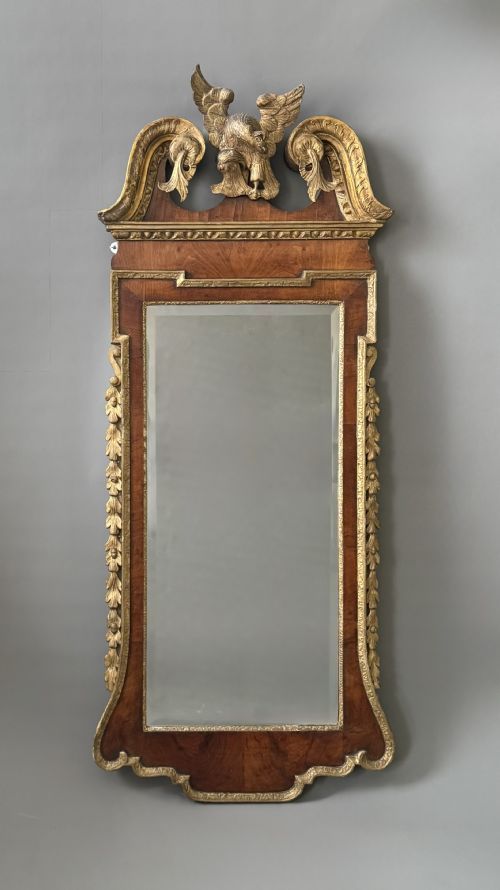
The distinction between tiers of quality rests upon the crispness of the wood carving and the depth of the gesso relief. Finer examples display masterly hand-carving on elements like parcel-gilt fretwork, eagle motifs, or foliate scrolls.
The integrity of the reflective surface contributes heavily to the stature of a piece, with surviving original mercury glass plates or hand-painted verre eglomise panels commanding greater regard than later replacements. The retention of original backboards and structural joinery further separates standard items from exceptional survivals.
The Gilt Pier Glass Glossary
- Pier glass
- A tall mirror specifically designed to hang on the wall space between windows. These mirrors were often matched with console tables placed directly below them.
- Gesso
- A plaster-like mixture applied to wood frames to create a smooth surface for carving and gilding. It allows for intricate, raised decorative details.
- Verre eglomise
- A cold decoration technique where design is applied to the reverse of glass using gold or silver leaf. It produces a distinctive reflective panel set into the mirror frame.
- Trumeau
- A decorative wall mirror incorporating an oil painting or panel above the glass plate. These French pieces frequently feature pastoral scenes or seascapes.
- Parcel-gilt
- Woodwork that is partially gilded with gold leaf while leaving portions of the underlying wood visible. This technique highlights specific carved details against a dark timber ground.
- Mercury glass
- An early form of mirror glass produced by applying a tin and mercury amalgam behind the glass plate. It develops a characteristic mottled foxing over time.
Gilt Pier Glass: Frequently Asked Questions
Where should I hang a pier glass?
A pier glass is traditionally hung on the narrow wall space between two windows to reflect natural light into the centre of a room. They also function effectively above console tables or mantelpieces as focal decorative points.
Because these mirrors are tall and heavy, ensure the wall structure and fixings can support the weight of the timber and glass frame safely.
How do I identify original mirror glass?
Original mirror plates, particularly mercury glass, often display natural foxing, tiny dark oxidation spots, and slight ripples across the surface. These age-related characteristics reveal that the glass has remained undisturbed within its historic frame.
Replacement glass typically appears overly clear, flat, and lacks the subtle imperfections and depth found in 18th and 19th-century plates.
What is a trumeau mirror?
A trumeau mirror is a distinct French wall mirror that includes a decorative oil painting or carved wooden panel set above the mirror plate. They were designed to integrate seamlessly with the architectural panelling of period rooms.
The upper panels frequently depict pastoral landscapes, architectural ruins, or maritime scenes with galleons at sea.
How do I care for giltwood frames?
Giltwood frames require gentle maintenance using a soft, dry brush to remove dust from the intricate gesso and carved details. Avoid liquid cleaners, moisture, and chemical polishes, which can strip or damage the delicate gold leaf.
Keep the mirrors away from direct sunlight and areas of high humidity to protect the underlying timber and prevent the gesso from cracking.