
Gilt Painted Wall Mirror
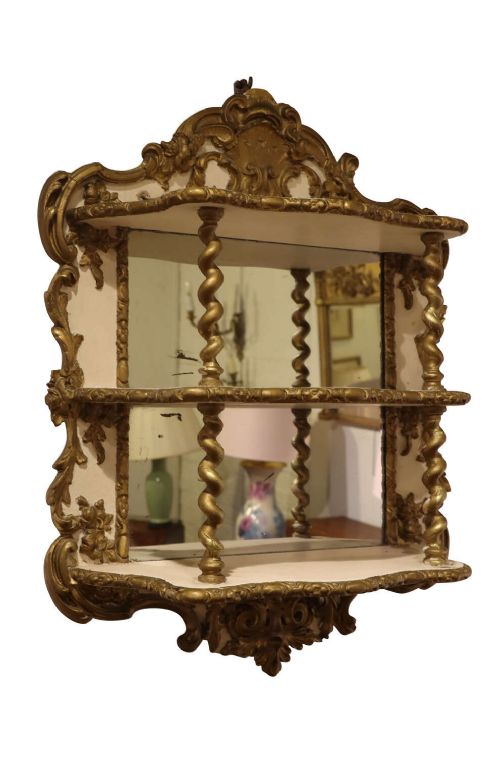
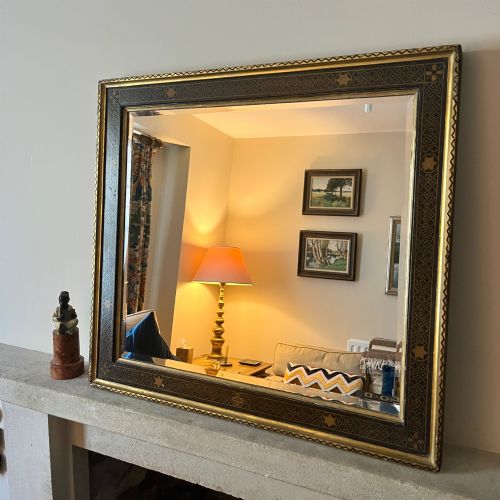
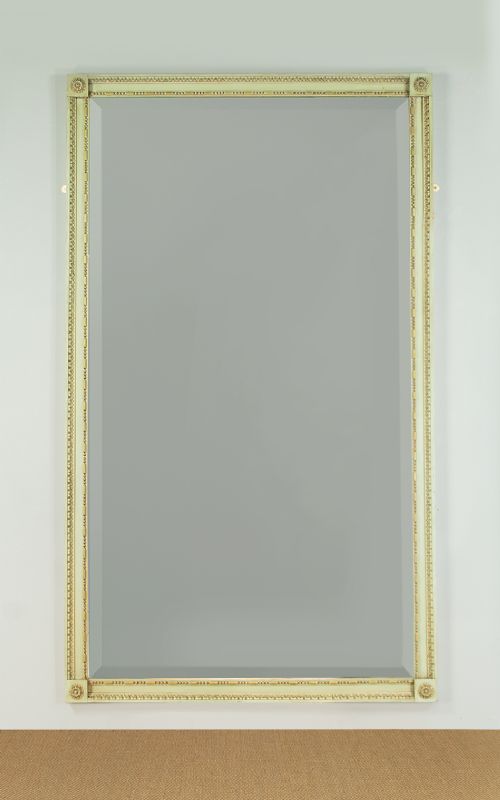
When you search for a gilt painted wall mirror, you are looking for a decorative piece that combines carved wooden frames with layered metallic leaf and surface paint.
Gilt Painted Wall Mirror
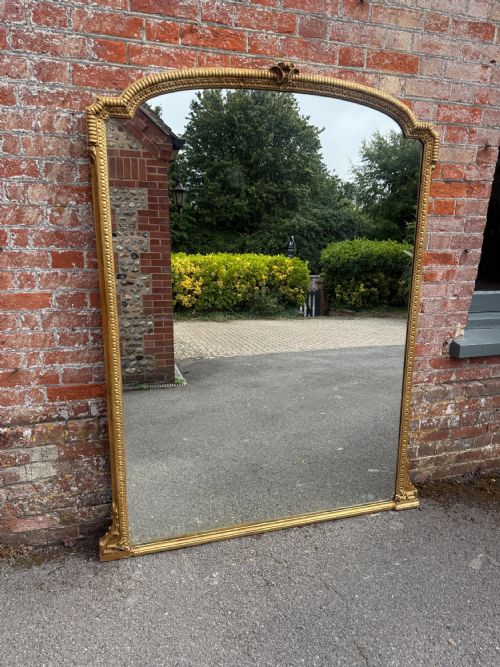
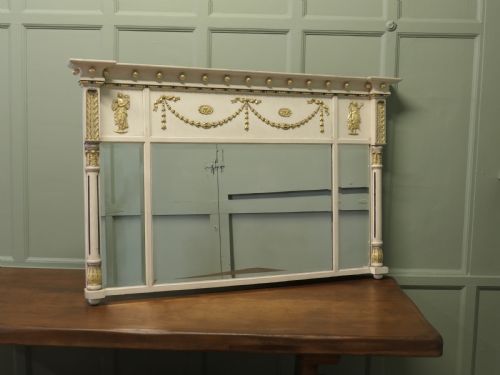
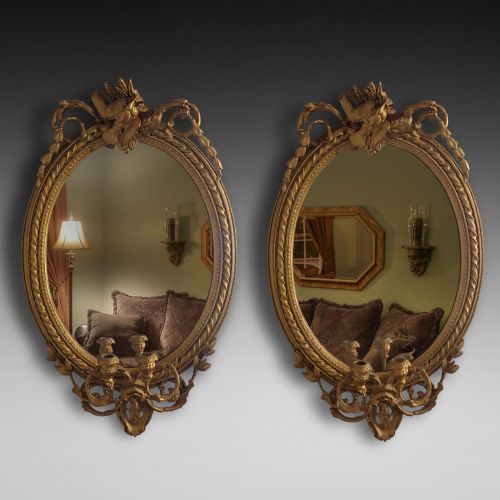
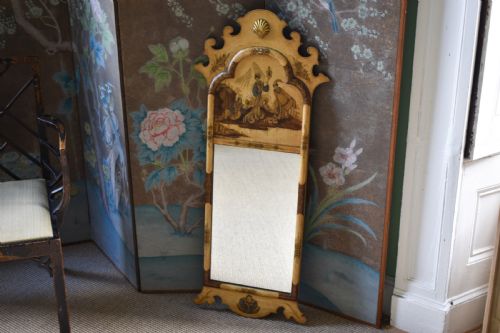
A gilt painted wall mirror brings together reflective glass and ornamented wooden frames finished with a combination of metallic leaf and colour. When you search for a gilt painted wall mirror, the pieces you encounter span from the eighteenth century through the Regency and Victorian eras into the early twentieth century.
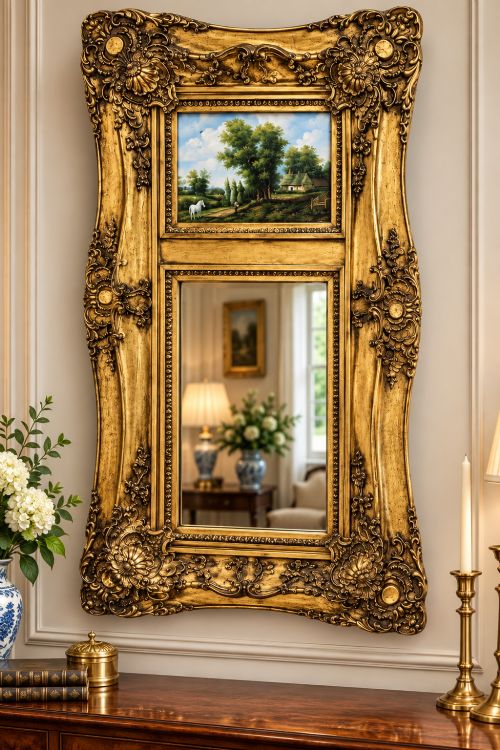
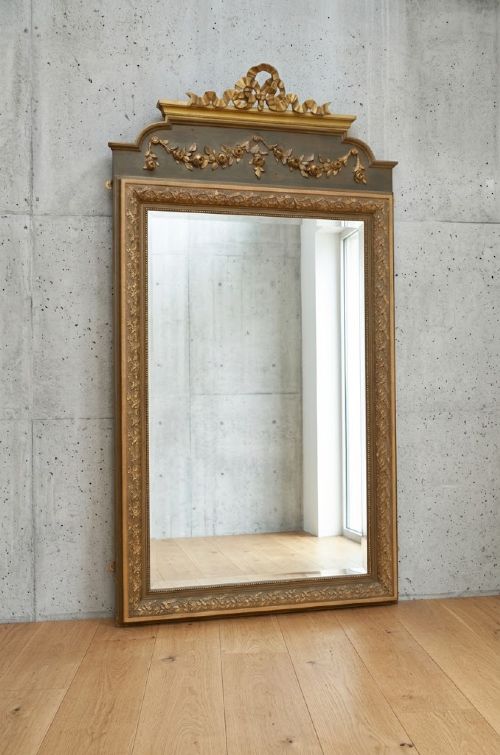
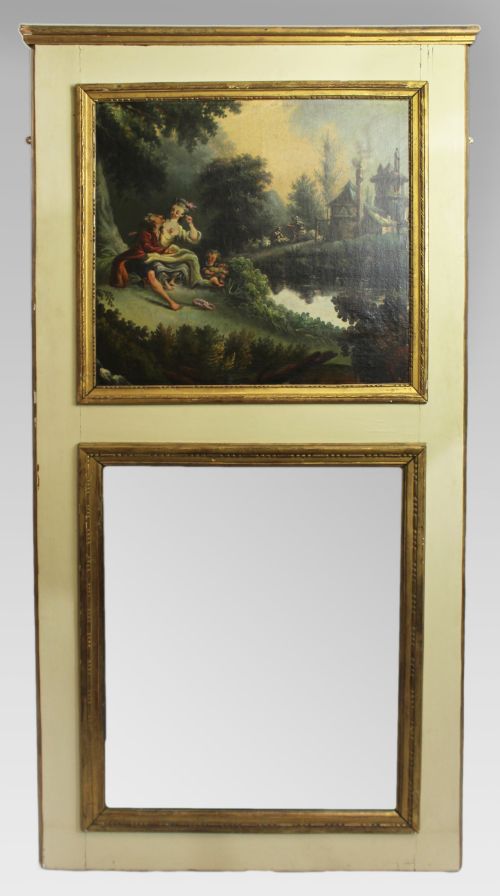
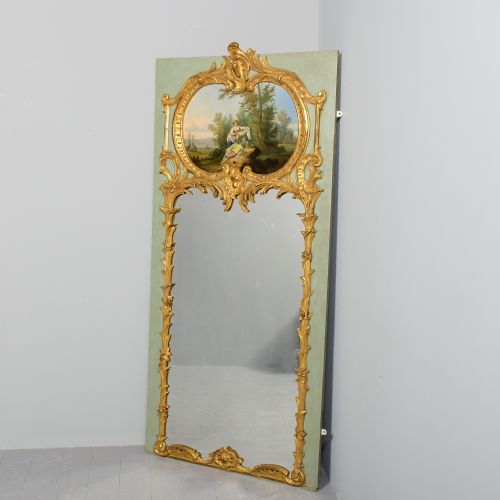
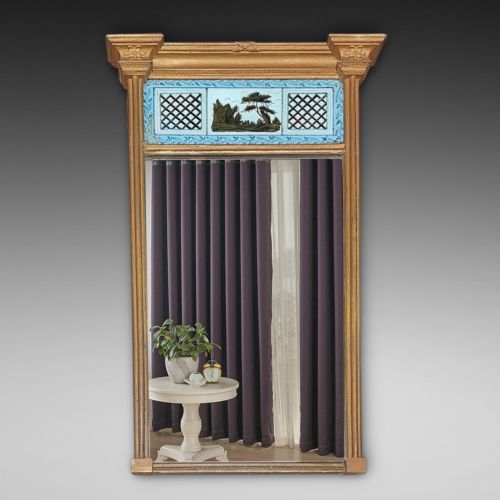
The selection ranges from grand overmantel mirrors designed to sit above a fireplace to vertical trumeau panels incorporating oil paintings or verre églomisé panels. French chateau and provincial models appear alongside English Victorian and Regency examples, offering rectangular, oval, and shaped top formats.
How they were made
Makers shaped the frames from carved timber or built up intricate surface details using gesso applied over a wooden base. Artisans then laid gold leaf or metal gilt onto the prepared mouldings, often combining the metallic finish with painted or parcel-gilt sections.
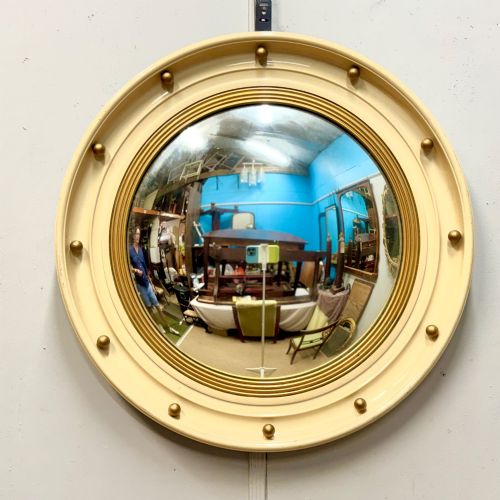
The reflective surfaces utilised traditional mirror glass, including early mercury glass plates and convex butler's mirror formats. Some pieces incorporated reverse painting on glass or integrated oil paintings within trumeau frames.
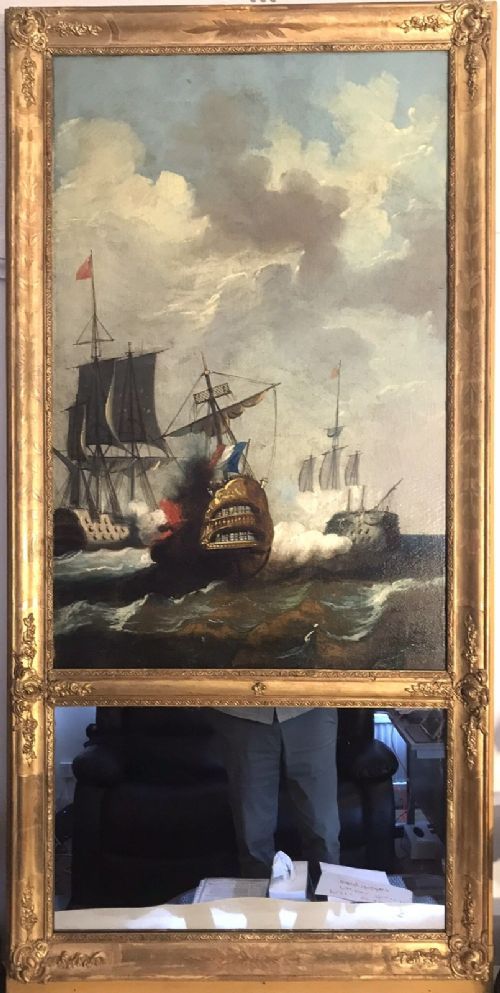
Some nineteenth-century French mirrors hid secret oil paintings of pastoral landscapes and seafaring galleons right above the reflection.
What varies in quality
The standard of a piece rests upon the crispness of the hand-carved woodwork and the depth of the gesso relief beneath the gilding. Superior examples display finely proportioned frames where the painted and gilded surfaces interact harmoniously without obscuring the underlying detail.
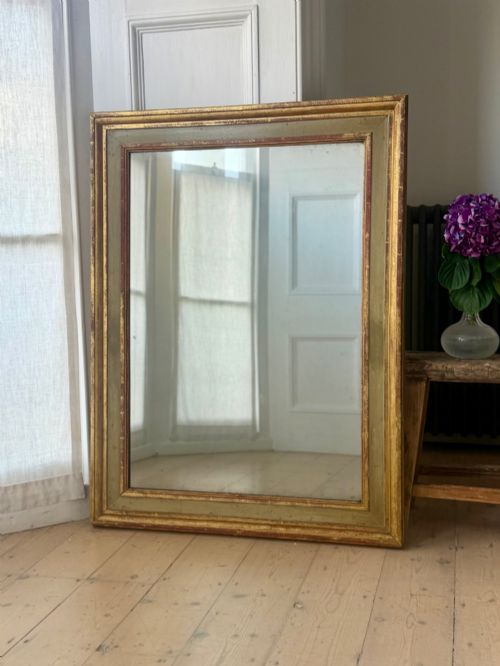
Authenticity of the components also defines the grade, particularly the retention of original mercury glass plates, hand-painted panels, and untouched period finishes rather than later repainting.
The Gilt Painted Wall Mirror Glossary
- Gesso
- A plaster-like mixture applied to wood frames to provide a smooth base for carving and gilding. This substance allows artisans to create sharp decorative relief mouldings.
- Giltwood
- Timber that has been coated with a thin layer of gold leaf. It forms the primary metallic structure of traditional classical frames.
- Trumeau
- An architectural wall panel containing a mirror combined with an oil painting or decorative artwork. These tall vertical pieces originated in eighteenth-century interior design.
- Verre églomisé
- A technique involving cold painting and gilding on the reverse side of glass. This process creates a mirrored panel with translucent decorative motifs.
- Parcel-gilt
- A finish where only specific raised portions of a painted object are highlighted with gold leaf. This method provides contrast against a painted wooden ground.
Gilt Painted Wall Mirror: Frequently Asked Questions
What is a trumeau mirror?
A trumeau mirror is a tall decorative wall piece that incorporates both a looking glass and an integrated oil painting or artistic panel within a single wooden frame.
These pieces were originally designed to hang between windows or above mantelpieces in grand European interiors during the eighteenth and nineteenth centuries.
How do I date an antique mirror?
Dating relies on examining the construction of the wooden frame, the style of the gesso ornamentation, and the characteristics of the glass plate itself. Older pieces often exhibit hand-carved timber elements and mercury glass with distinct ageing.
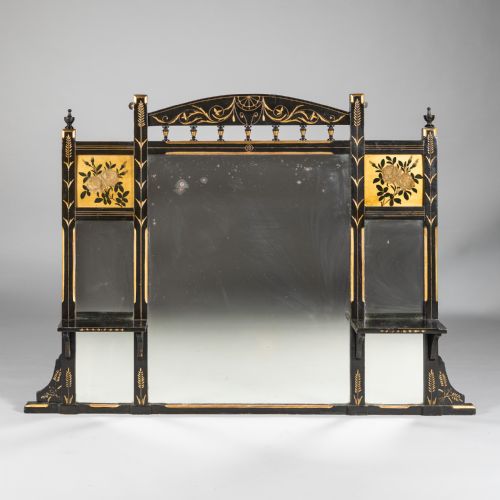
Historical periods such as the Regency, Victorian, and Edwardian eras each brought specific decorative motifs, from classical revival details to aesthetic movement ebonisation.
Where should I hang an overmantel mirror?
An overmantel mirror is traditionally hung directly above a fireplace mantelpiece to reflect light and anchor the focal point of a room. Their grand scale also suits placement above large sideboards or along principal reception room walls.
Secure wall fixings are essential due to the substantial weight of carved wood and gesso frames.
What is mercury glass?
Mercury glass refers to double-walled silvered glass pieces produced during the nineteenth century, which create a distinctive mottled reflective appearance. Despite the historical name, actual liquid mercury was not utilised in the standard manufacturing process.
Finding original mercury glass plates in antique mirrors adds historical integrity to the piece.