


Cream Wood Frame Mirror
These cream wood frame mirror examples bring genuine period character to a room, combining painted timber surfaces with classic architectural forms.
Cream Wood Frame Mirror
When you search for a cream wood frame mirror, you encounter a variety of substantial wall and overmantel pieces originating mainly from the nineteenth century alongside eighteenth-century examples. The selection leans heavily towards French provincial and chateau styles, as well as English overmantels featuring carved wood and gesso frames.
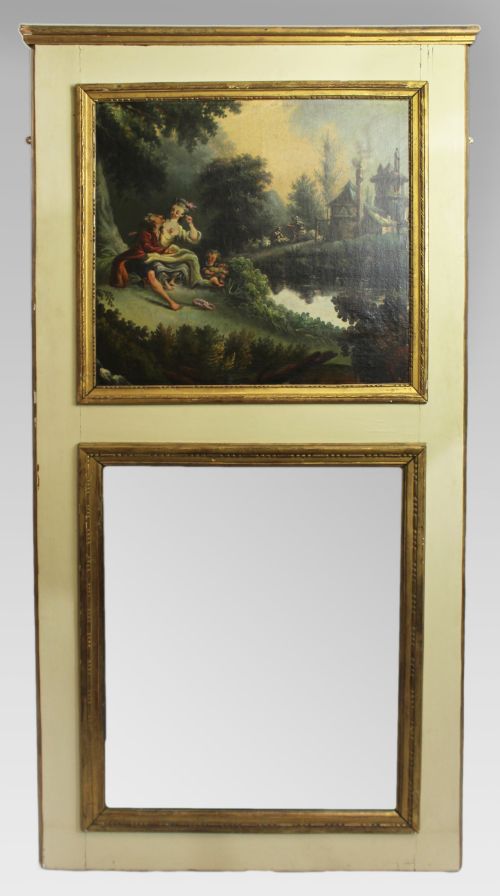
Most pieces you meet here display painted finishes in cream or white, sometimes combined with gilt detailing or floral motifs. Common formats range from large architectural column-framed mirrors to tall trumeau panels and decorative pier glasses.
What varies in quality
Quality in these mirrors rests primarily on the depth and execution of the carved wood and gesso ornamentation. Finer examples show crisp hand-carved details along scrolls, columns, and crestings rather than simpler moulded plaster.
The integration of the painted surface with the underlying timber structure also marks the difference between standard decorative pieces and exceptional period items. Original painted or gilt surfaces that have aged with honest patination hold greater distinction than later commercial over-painting.
Listings feature pieces spanning the eighteenth to early twentieth centuries, with a strong presence of nineteenth-century French painted overmantels.
The Cream Wood Frame Mirror Glossary
- Trumeau mirror
- A decorative mirror panel, often incorporating an oil painting or artwork above the glass, commonly found in French interiors. These tall vertical pieces were designed to fit between windows or above mantelpieces.
- Overmantel mirror
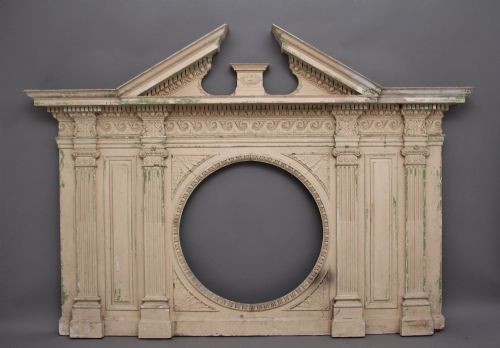
- A large mirror specifically proportioned to hang above a fireplace mantel. They frequently span significant widths and feature architectural framing such as columns or scrolling motifs.
- Gesso
- A traditional plaster mixture applied to wood frames to create a smooth surface for gilding or painting. It allows craftsmen to carve intricate relief details before finishing.
- Pier glass
- A tall mirror designed to hang on the narrow section of wall between two windows. They often sit above small console tables and reflect additional light into a room.
- Vitruvian scroll
- A classical repeating ornamental band composed of wave-like scrolls. This decorative motif appears on the frames of specific period mirrors.
- Bistro mirror
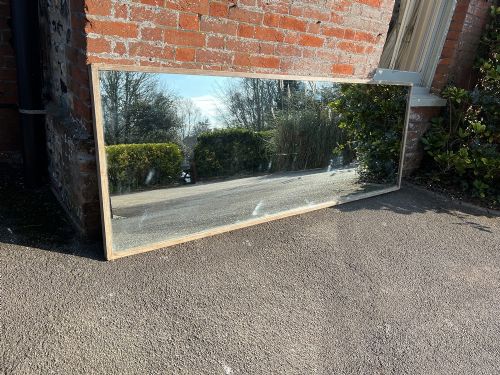
- A robust, functional mirror type originating from commercial French settings. These pieces combine practicality with decorative painted wooden frames.
Cream Wood Frame Mirror: Frequently Asked Questions
Where should I hang an overmantel mirror?
These large mirrors are traditionally placed directly above a fireplace mantel to anchor the room's central hearth. Their substantial scale allows them to reflect light and expand the visual space of a reception room.
Ensure the wall fixings are secured into solid studs or masonry to support the considerable weight of the wooden frame and heavy glass.
How do I clean a painted wooden frame?
Dust the carved wood and gesso surface gently with a soft, dry cloth or a gentle brush. Avoid using harsh chemical sprays or abrasive cleaners that can damage the aged cream paint.
If moisture is necessary for stubborn dust, dampen the cloth slightly and dry the surface immediately afterwards to protect the timber.
Are these mirrors genuinely antique?
The selection includes authentic pieces dating from the eighteenth and nineteenth centuries, including Victorian and Edwardian examples. Materials such as old pine, hand-applied gesso, and original mirror glass indicate period manufacture.
Examine the backboards, fixings, and the character of the paint layer to understand the age and history of each individual piece.