





Distressed Gold Wall Mirror
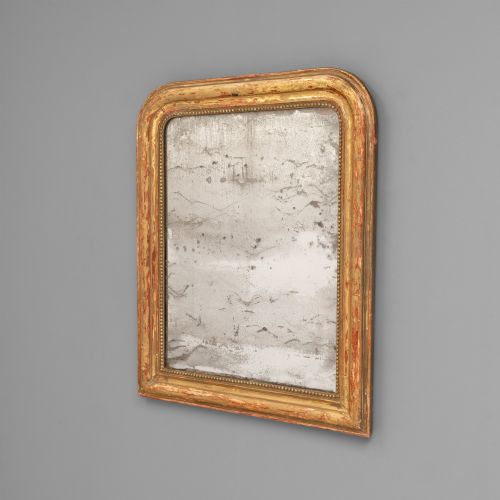
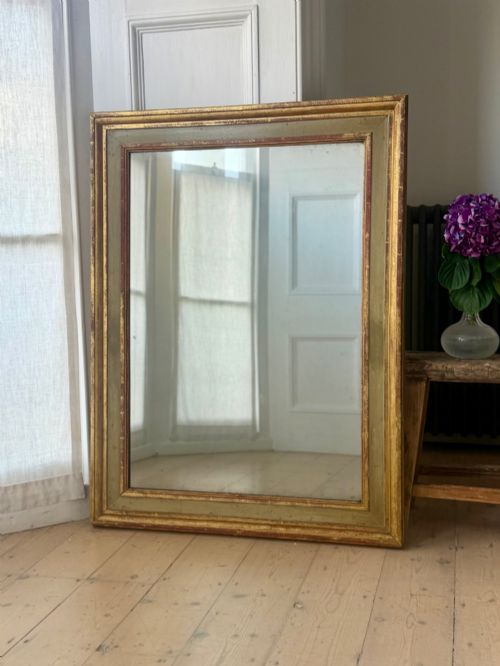
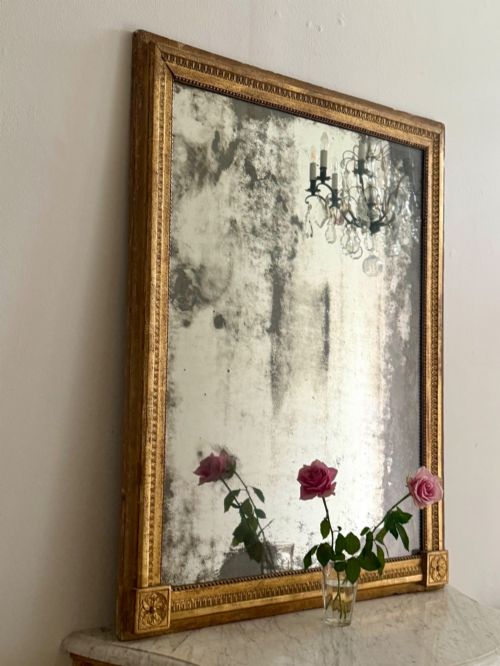
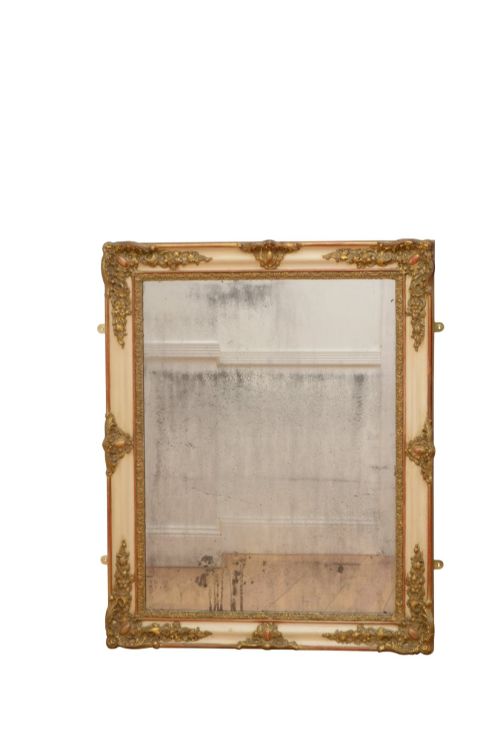
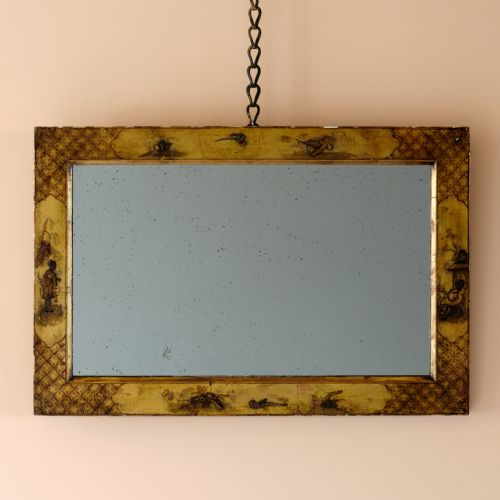
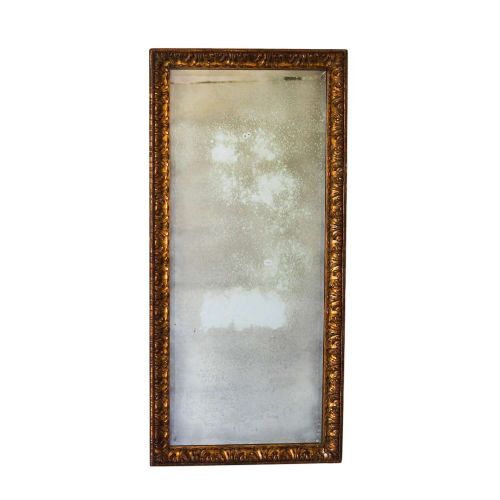
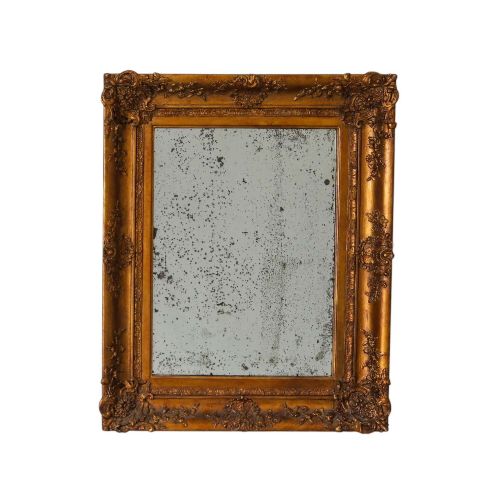
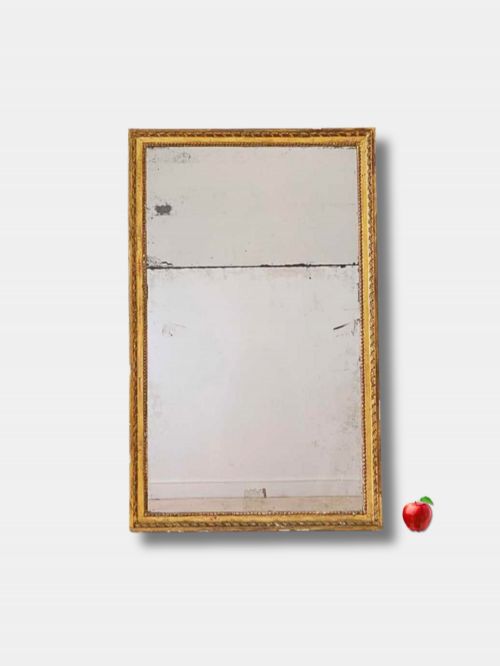
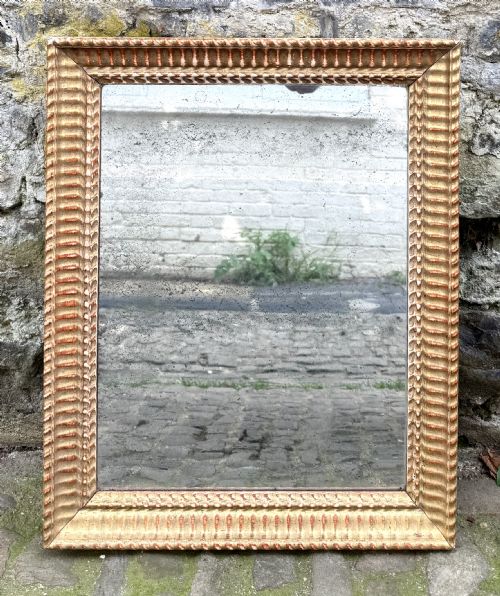
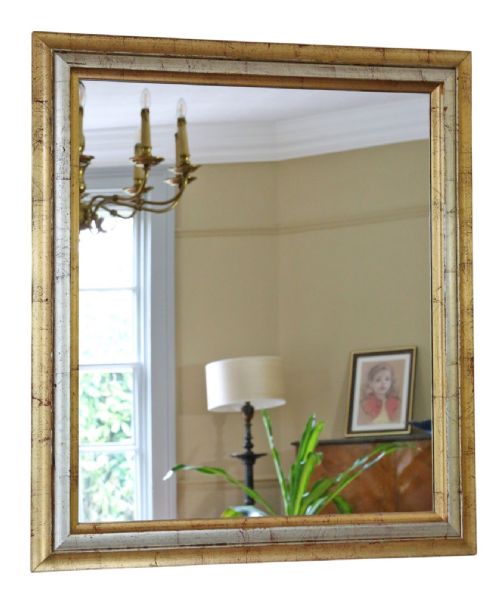
These pieces are a distressed gold wall mirror, combining aged metallic frames and weathered plates to bring historic character into a room.
Distressed Gold Wall Mirror
A distressed gold wall mirror draws the eye through weathered surfaces and aged metal finishes that reflect history within a room. When searching for a distressed gold wall mirror, collectors most frequently encounter 19th Century French and English examples featuring carved wooden frames.
The selection ranges from grand overmantel pier mirrors to smaller provincial hanging pieces and girandoles. Styles lean heavily towards French Rococo, Louis Philippe, and Regency designs, often showing significant wear on the original frames.
Proportion and scale vary greatly, from intimate dressing mirrors to very large wall-hanging statements designed to anchor a principal reception room. Painted wood finishes frequently appear alongside pure giltwood, showing layers of sub-surface colour where the gold has thinned.
How they were made
Makers built the structural frames using carved wood, applying gesso to smooth the surface before laying gold leaf or oil gilt. This traditional ground layer allowed intricate details on styles like Italian Baroque and French Neoclassical to hold the metallic leaf securely.
Mirror plates relied on historic manufacturing techniques, notably mercury glass, which naturally developed foxing, clouding, and dark spots over decades. Frames often combined painted wood with partial gilding, creating a deliberately aged contrast that time subsequently deepened.
Several mirrors spent their early days reflecting patrons in French bistros before finding a quieter retirement on domestic walls.
What varies in quality
The calibre of a piece rests in the depth of the hand-carved wooden frame beneath the gesso and gilding. Finer examples display crisp botanical or scroll ornamentation that remains sharp despite centuries of softening.
The integrity of the original mirror plate dictates much of the visual weight, with authentic mercury glass showing organic oxidation patterns rather than modern damage. Frames that retain their original layered paint and gold leaf show a harmonious ageing process that lesser restorations miss.
The Distressed Gold Wall Mirror Glossary
- Mercury glass
- A type of silvered glass produced by pouring a mercury amalgam between double-walled blown glass, which creates a mottled, reflective background over time.
- Foxing
- Brown or dark spots and speckles that develop on old mirror plates due to the degradation of the backing material.
- Gesso
- A plaster-like mixture applied to wood frames to create a smooth surface for gilding or painting.
- Trumeau
- A decorative wall mirror or panel designed to fit into the architectural space between windows or above a fireplace.
- Girandole
- A branched wall mirror fitted with candle holders that reflect additional light into a darkened interior.
Distressed Gold Wall Mirror: Frequently Asked Questions
What is mercury glass?
Mercury glass involves a double-walled glass blown object containing a silvering mixture that produces a distinctive mottled reflection.
Over time, chemical reactions within the plate create foxing and dark spots that distinguish old glass from modern replicas.
How do I hang a heavy mirror?
Large overmantel and pier mirrors require secure attachment directly into structural wall studs using appropriate metal brackets.
Because many frames utilise heavy carved wood and thick glass plates, professional installation is strongly advised.
Are the mirror plates original?
Many surviving pieces retain their historic mercury or early silvered glass plates, identifiable by natural clouding and foxing.
Replacement plates occasionally appear in pieces that experienced heavy use in domestic or commercial settings like bistros.
How do I clean an antique mirror?
Dust the gilded frame gently with a soft, dry brush to prevent moisture from damaging the fragile gesso and gold leaf.
Clean the glass plate sparingly using a soft cloth and minimal water, avoiding harsh chemicals that might penetrate the degraded edges.
What defines Louis Philippe style?
Louis Philippe mirrors typically feature softly rounded upper corners and simple, elegant moulded wooden frames.
This mid-nineteenth-century design offers a restrained alternative to the elaborate flourishes found in earlier Rococo examples.