




Hand Painted Wall Mirror
A hand painted wall mirror brings colour and narrative surface to a room, using painted detail to turn plain glass into a focal point.
Hand Painted Wall Mirror
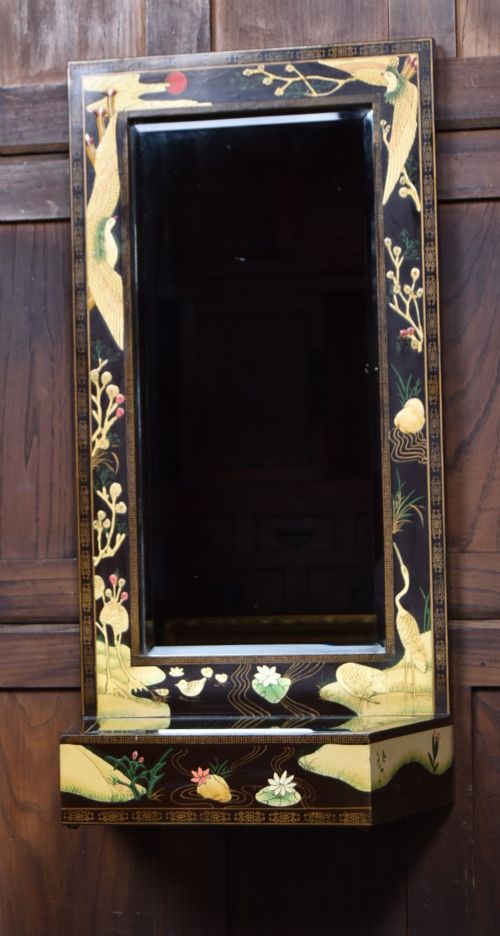
A hand painted wall mirror combines reflective glass with decorative brushwork, appearing across styles from Chinoiserie and Italian Rococo to Victorian and French Provincial. These pieces function primarily as wall mirrors, though related forms such as overmantel mirrors and console tables with mirrors also emerge in the selection.
Most examples originate across the nineteenth and early twentieth centuries, spanning periods from George I style down to nineteen-thirty. Buyers encounter forms ranging from oval black lacquered frames and cream Chinoiserie panels to Italian pier glass and painted silk inserts.
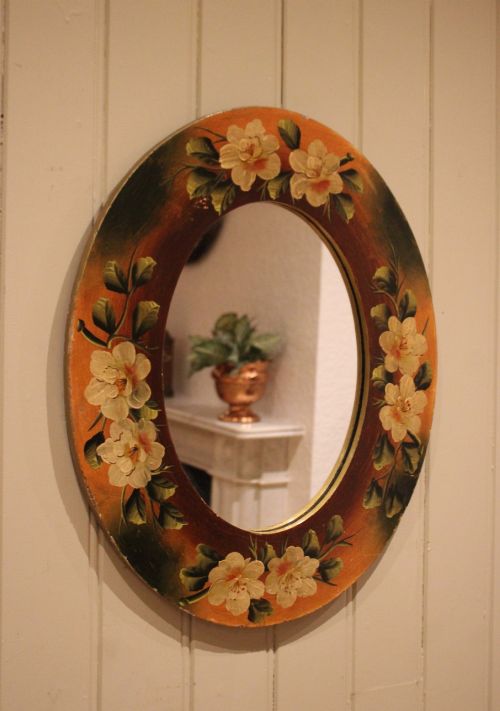
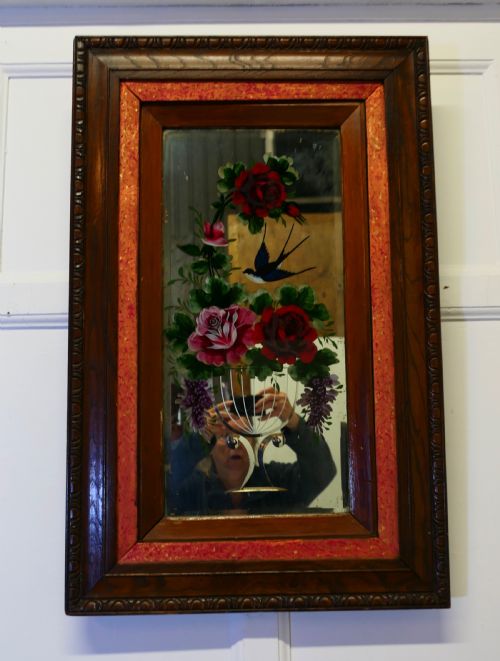
The decorative approach varies from floral motifs and roses to Asian-style landscapes and gilt accents. Pieces such as gypsy mirrors or octagonal wall mirrors offer distinct regional and period characteristics.
How they were made
Makers built these frames using wood, gesso, and lacquer, applying paint and sometimes gold leaf or gilt directly to the surfaces or panels. Some examples incorporate mirror glass and paint on silk, reflecting traditional craftsmanship of the periods represented.
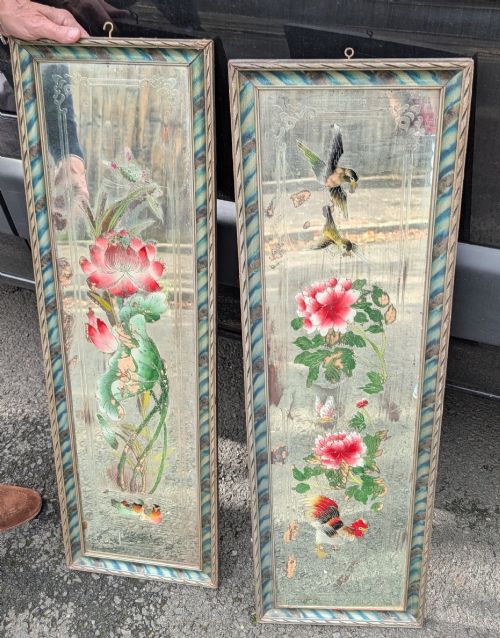
Techniques range from reverse painting and etching on glass to delicate foliate panels set within gilded walnut or painted frames. The integration of paint with carved wood or gesso required specialised finishing skills particular to each stylistic movement.
Some nineteenth-century mirrors come with painted silk panels, proving that even reflections appreciate a little silk dressing.
What varies in quality
The distinction between ordinary and exceptional examples rests in the execution of the painted detail and the harmony of the frame. Finer pieces demonstrate control in brushwork, whether depicting intricate Chinoiserie scenes or delicate floral arrangements.
Material application also separates the tiers, seen in the depth of the lacquer, the richness of the gold leaf or gilt, and the preservation of the original painted silk or mirror plate.
The Hand Painted Wall Mirror Glossary
- Chinoiserie
- European decorative style inspired by Chinese art and design, featuring painted motifs of figures, landscapes, and pavilions. This style appears frequently on lacquered wall mirrors from the eighteenth and nineteenth centuries.
- Pier glass
- A tall wall mirror designed to hang on the pier, the section of wall between two windows. These mirrors often sit above console tables and feature decorative painted or gilded frames.
- Overmantel mirror
- A large horizontal mirror designed specifically to be hung above a fireplace mantel. These pieces often incorporate elaborate framing and painted or gilded decoration.
- Gesso
- A paint mixture consisting of a neutral binder mixed with chalk, gypsum, or pigment, used as a prepared surface for painting or gilding on wood frames. It provides a smooth base for intricate decorative details.
- Reverse painting
- A technique where the artist paints directly on the back of the glass, so that the image is viewed through the front. This method protects the pigment and produces a glossy finish.
Hand Painted Wall Mirror: Frequently Asked Questions
Where should I hang a hand painted wall mirror?
These mirrors suit spaces where the painted frame and glass can catch natural light, such as above a mantelpiece, a console table, or an entryway wall.
They serve as decorative focal points, so positioning them away from damp environments helps protect the paint and lacquer over time.
How do I clean a hand painted wall mirror?
Clean the glass carefully using a soft cloth and a gentle glass cleaner, taking care to spray the cloth rather than the glass directly.
Keep moisture and cleaning liquids away from the painted surfaces, lacquer, and gold leaf to preserve the original decoration.
Are these mirrors original antiques?
The selection includes pieces from the nineteenth and early twentieth centuries, representing periods such as the Victorian era, the Aesthetic Movement, and the nineteen-twenties.
Materials like wood, gesso, lacquer, and original mirror plates help indicate the age and authenticity of each piece.
What is a gypsy mirror?
A gypsy mirror typically refers to a decorative wall mirror produced in the late nineteenth or early twentieth century with a distinctive folk or bohemian aesthetic.
These pieces often feature painted or fabric-backed frames that reflect the decorative tastes of the period.