

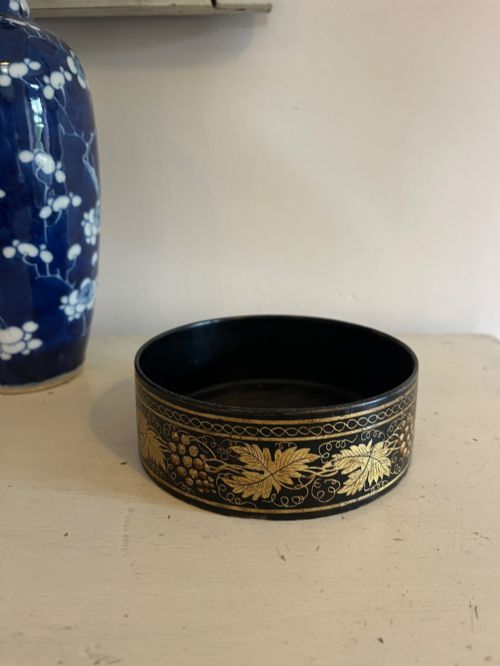


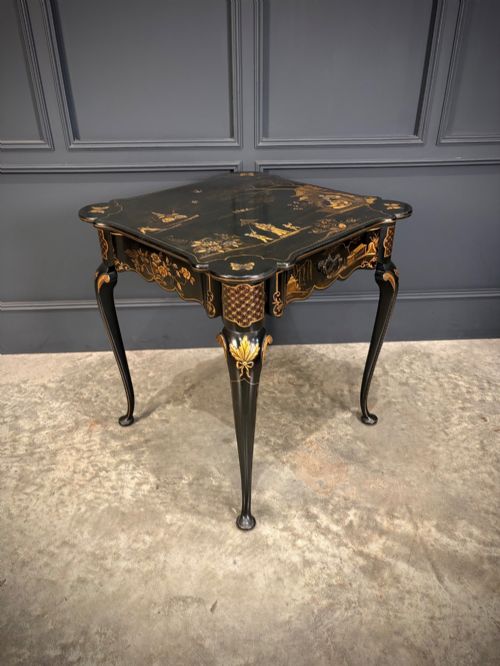
Gilt Lacquered Table
A gilt lacquered table brings decorative surface work and dark or vibrant lacquer grounds into a room.
Gilt Lacquered Table
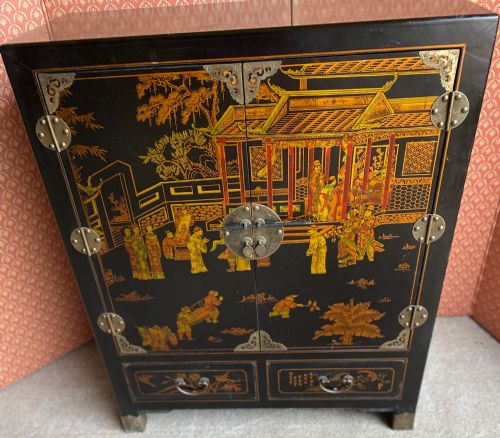
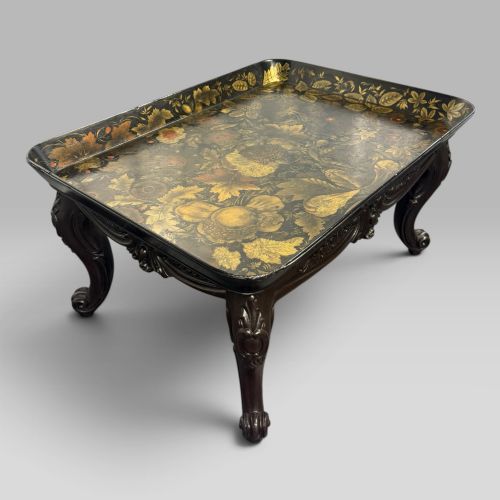
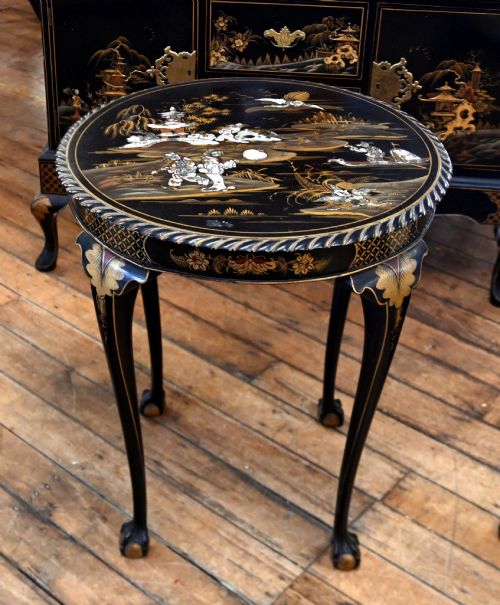
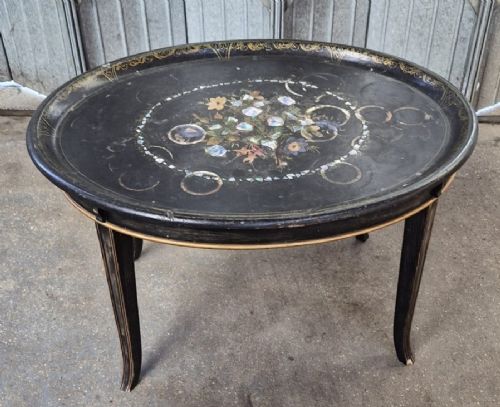
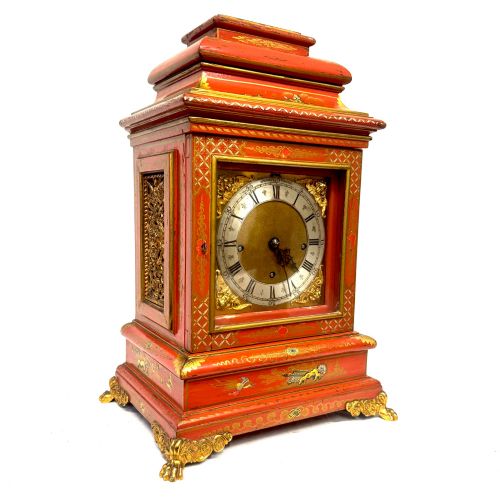
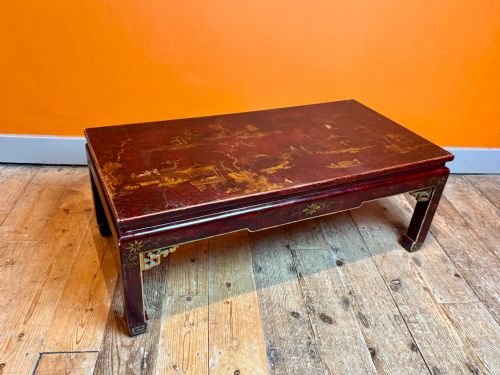
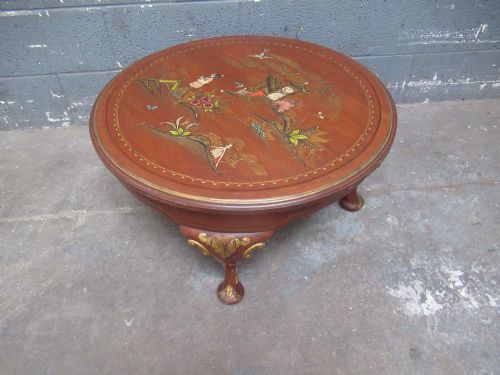
A gilt lacquered table sits within a lineage of decorative surface furniture spanning the eighteenth century through to the art deco period. These pieces draw heavily on Chinoiserie motifs, featuring oriental figures, landscapes and flora rendered in gold paint or leaf upon a dark or red ground. The form most commonly met here is the side or occasional table, alongside coffee tables and tray tables.
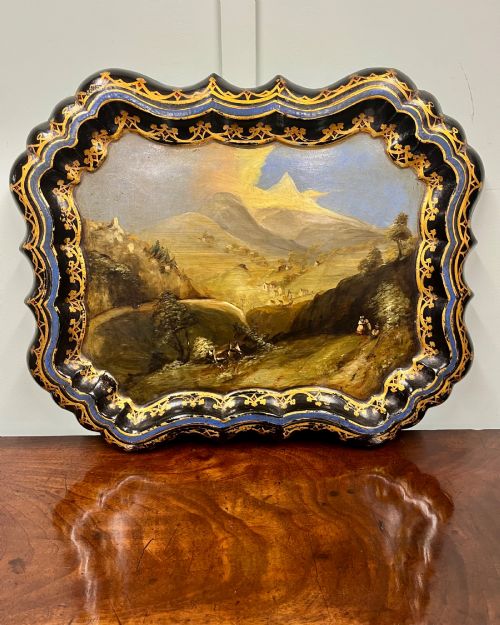
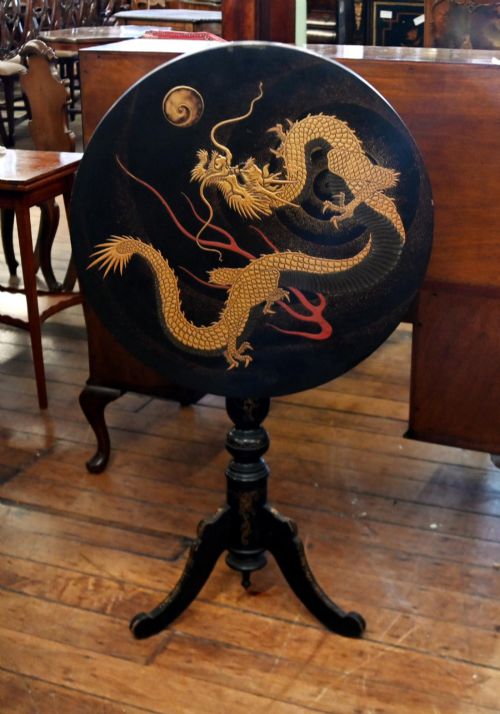
Makers adapted the technique across various periods, including Regency, Victorian, and later twentieth-century iterations. While many items utilise standard wood frames finished with applied lacquer, others incorporate papier-mâché or tilt-top mechanisms. Their primary purpose was display and light domestic use in reception rooms.
Materials and construction
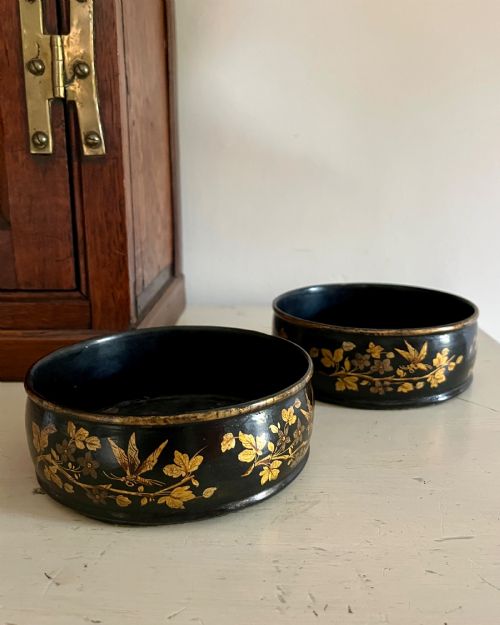
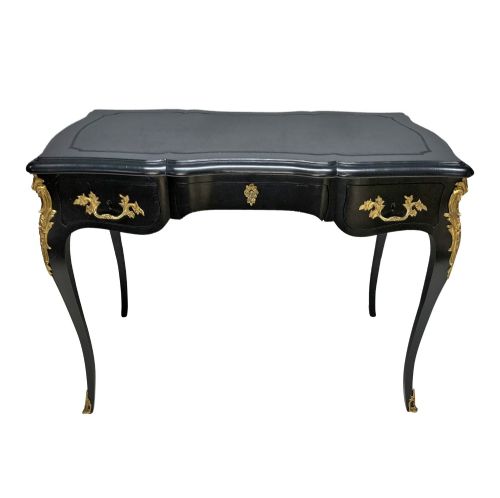
The foundation of these tables relies on wood, papier-mâché, or toleware, which receive multiple coats of lacquer to build a smooth base. Artisans then apply gilt paint or gold leaf by hand to delineate the intricate Chinoiserie scenes and borders. Brass or ormolu mounts sometimes supplement the design, particularly on pieces influenced by French styles.
Subsequent drying and polishing create the characteristic glossy sheen associated with finished lacquer. The durability of the piece depends upon the adherence of these layered finishes to the core material beneath.
Gilt Lacquered Table Retail Price Guide 2026
Typical asking prices for gilt lacquered table among the pieces listed under this phrase on Sellingantiques today, from the lower quarter to the upper quarter. They describe what is for sale here now, not the wider market.
Listings feature periods spanning from the eighteenth century to the 1930s, using materials such as lacquer, papier-mâché, and gold leaf.
Distinctions in quality
The division between standard items and superior examples lies in the execution of the hand-painted gilt decoration and the depth of the lacquer layers. Finely rendered motifs show crisp detail in the figures and landscapes, whereas lower quality versions present flat, simplified brushwork with minimal layering.
Structural integrity also dictates worth, separating pieces that retain their original timber frames and stable lacquer from those compromised by heavy surface wear or later repainting. The cohesion between the decorative scheme and the period form remains a primary indicator of merit.
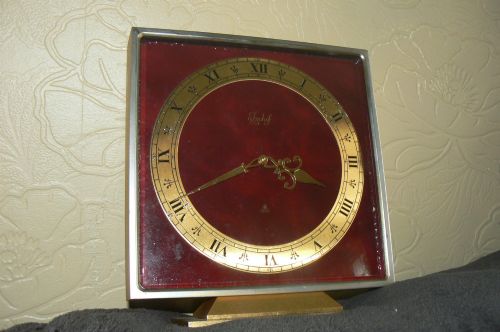
Swiss Imhof·Maison Bagues
The Gilt Lacquered Table Glossary
- Chinoiserie
- European artistic style reflecting Chinese motifs. Artisans applied whimsical scenes of pagodas, figures, and landscapes to furniture surfaces.
- Papier-mâché
- Composite material made from paper pulp or layers of paper bound with glue. It provided a lightweight base for lacquer and gilt decoration on trays and tables.
- Gilt
- Application of gold leaf or gold paint to a surface. It provided the bright metallic contrast characteristic of lacquered furniture.
- Tilt-top
- Table construction allowing the surface to pivot vertically when not in use. This mechanism saved space in smaller domestic interiors.
Gilt Lacquered Table: Frequently Asked Questions
How do I clean a gilt lacquered table?
Dust the surface gently with a soft, dry cloth to prevent scratching the delicate lacquer finish. Avoid using water, chemical sprays, or abrasive polishes that can lift the gold leaf.
Keep the table away from direct sunlight and heat sources to prevent the lacquer from cracking or fading over time. Professional conservation is advised if the surface sustains damage.
What periods do these tables come from?
The listings span several centuries, starting from the eighteenth century through the Regency and Victorian eras. Later examples from the Edwardian period and the 1920s and 1930s also appear frequently.
Each period brought distinct proportions and stylistic interpretations to the traditional Chinoiserie aesthetic, ranging from formal ebonised work tables to low coffee tables.
Were these tables made in England?
Many examples originate from English workshops interpreting Asian design traditions, particularly during the Regency and Victorian periods. European centres such as France and Venice also produced similar decorative furniture.
Makers frequently adapted Asian export techniques to suit domestic European tastes, resulting in distinct regional variations in form and motif.
How do I distinguish antique lacquer from modern reproductions?
Examine the surface under a strong light to check for the fine network of age cracks known as craquelure within the lacquer. Hand-painted gilt work on older pieces exhibits natural irregularities and wear consistent with age.
Modern replicas often display uniform machine printing or lack the depth achieved by multiple hand-applied coats of traditional resin and varnish.