



Gilt Japanese Imari Porcelain
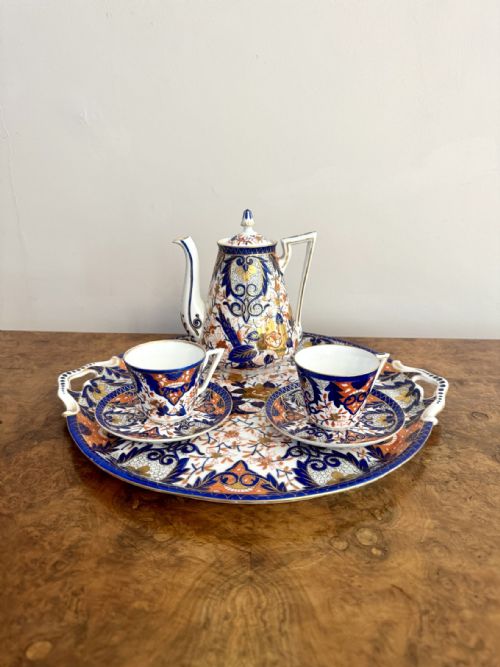
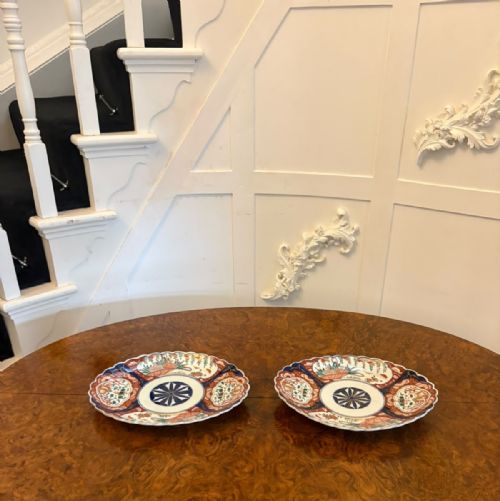
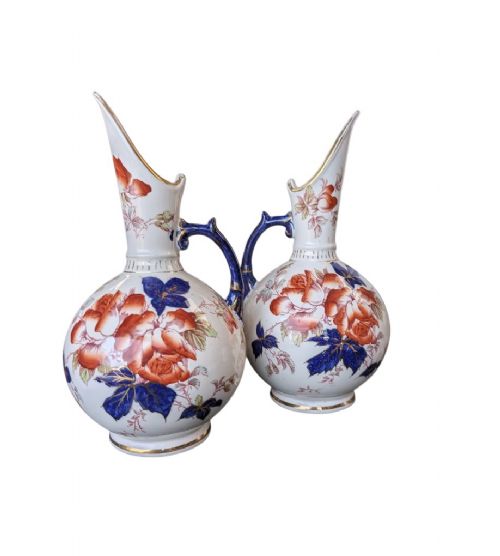
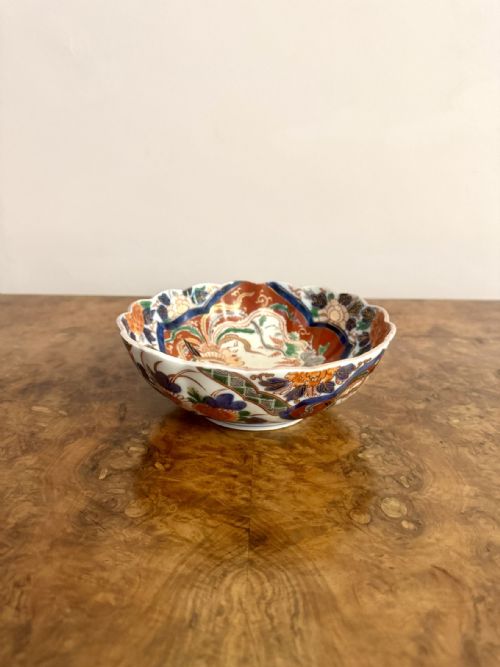
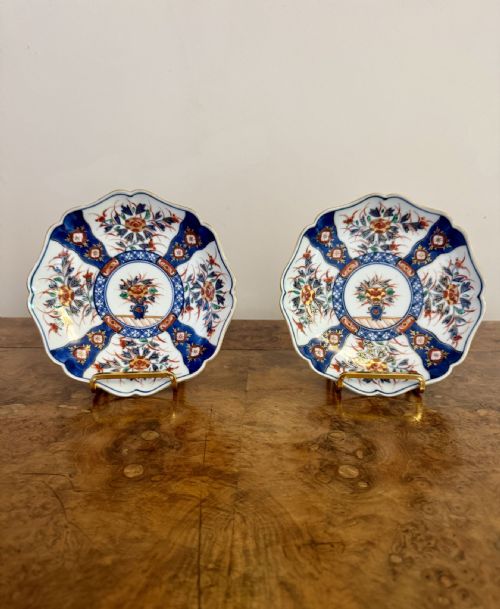
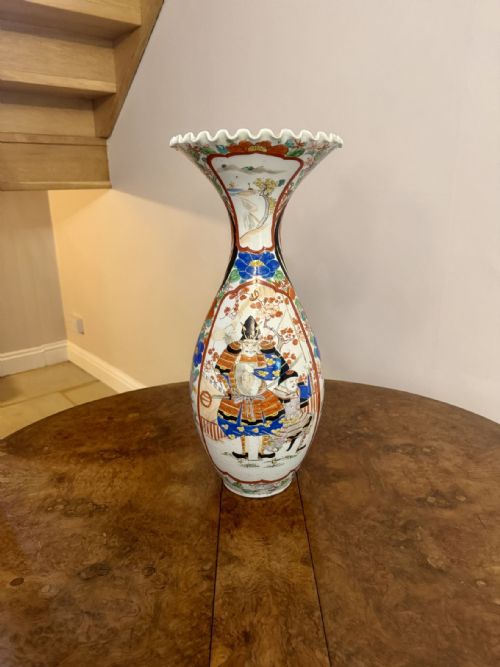
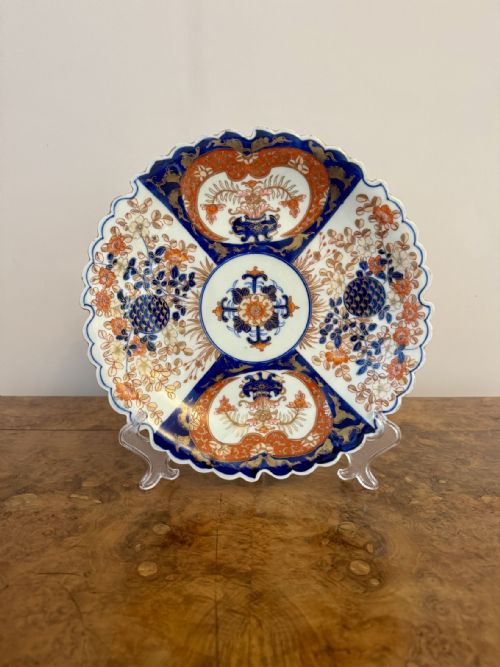
These gilt Japanese imari porcelain pieces bring rich iron-red, cobalt blue, and metallic highlights into domestic interiors.
Gilt Japanese Imari Porcelain
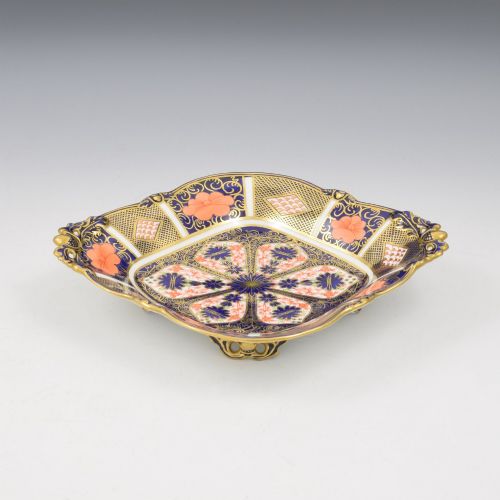
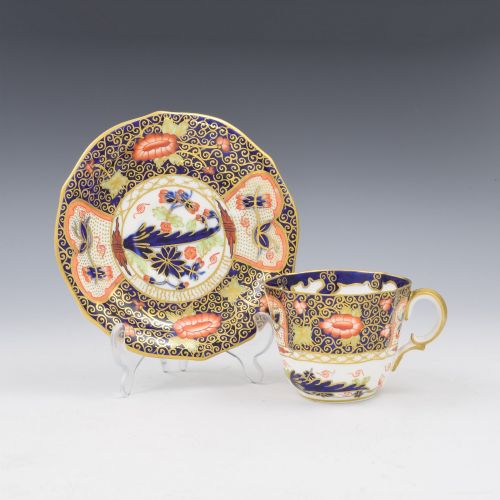
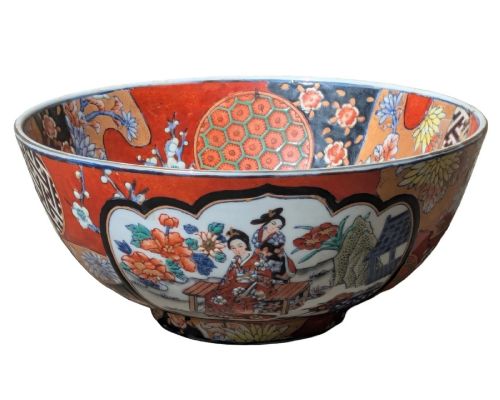
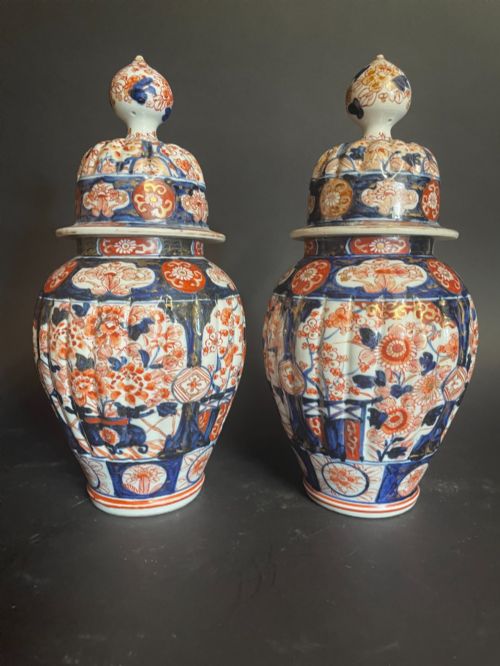
Gilt Japanese imari porcelain encompasses decorative plates, chargers, bowls, vases, and lidded jars created for both export and domestic display. The examples met on this page span from the seventeenth century through the Meiji period and into the early twentieth century.
Buyers encounter distinct forms ranging from large chargers and spill vases to table lamps and handled pitchers. Japanese production dominates the selection, alongside English interpretations executed in similar palettes.
Vessels from the Meiji period appear frequently, alongside eighteenth-century works and later nineteenth-century interpretations. These objects demonstrate the enduring appeal of the characteristic palette across multiple generations of ceramic manufacture.
How they were made
Potters shaped porcelain bodies by hand or on the wheel before applying underglaze cobalt blue and iron-red enamel pigments. Artisans then added gold leaf, gilt, and gilding to accentuate specific motifs across the glazed surface.
Firing techniques bonded these mineral colours to the porcelain body, yielding durable surfaces that retained their lustre through centuries of use and display.
Some nineteenth-century makers mounted antique Japanese vases as table lamps, giving old imari porcelain an entirely new job after decades on the sideboard.
What varies in quality
The precision of the hand-painted brushwork distinguishes superior examples from simpler production pieces. Artisans who executed intricate geometric patterns and detailed flora achieved greater depth within the traditional palette.
The application of gold leaf and gilding dictates the visual richness of each vessel. Heavier, more deliberate metal application elevates the presence of chargers and vases, while sparse decoration shifts focus to the underlying porcelain form.
Royal Crown Derby·Fukagawa
The Gilt Japanese Imari Porcelain Glossary
- Imari
- A style of Japanese porcelain originating from the port of Arita, traditionally decorated in cobalt blue, iron-red, and gold. This aesthetic heavily influenced subsequent European ceramic production.
- Meiji Period
- The era in Japanese history spanning from 1868 to 1912, noted for significant export of decorative arts to Western markets. Pieces from this time often exhibit confident brushwork and rich gilding.
- Charger
- A large decorative plate intended for display on walls, cabinets, or tables rather than daily dining use. These substantial objects provide expansive surfaces for complex painted narratives.
- Koro
- A traditional Japanese incense burner supported on legs and fitted with a pierced cover. These vessels combine functional ventilation with detailed surface decoration.
- Arita
- The Japanese town renowned as the birthplace of porcelain production in the seventeenth century. Kilns in this region supplied the foundational wares that defined the imari style.
Gilt Japanese Imari Porcelain: Frequently Asked Questions
How do I date a piece?
Dating relies on stylistic shifts in the painting, the weight of the porcelain body, and recorded periods such as the Meiji era or eighteenth century.
Closer examination of the base often reveals kiln marks or characteristics typical of specific manufacturing decades.
Were these made for export?
Many imari ceramics were produced specifically for European and Western markets through maritime trade networks, adapting traditional Japanese motifs to foreign tastes.
Domestic production ran parallel, sharing similar iron-red and cobalt palettes applied to porcelain bodies.
How were chargers displayed?
Large chargers were traditionally mounted on walls, set into dedicated display stands, or placed centrally on dining furniture to catch candlelight.
The substantial diameter of these plates made them focal points within period interiors.
Are English and Japanese pieces different?
English potteries like Derby produced imari patterns inspired by imported Asian wares, adapting the palette to local ceramic bodies.
Japanese originals maintain distinct paste characteristics and regional painting traditions that separate them from European interpretations.