




Traditional Imari Pattern Vase
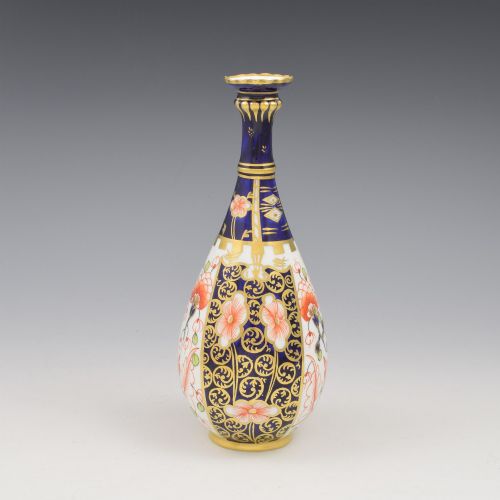
These traditional imari pattern vase examples bring striking ironstone, porcelain and gilt palettes into your rooms.
Traditional Imari Pattern Vase
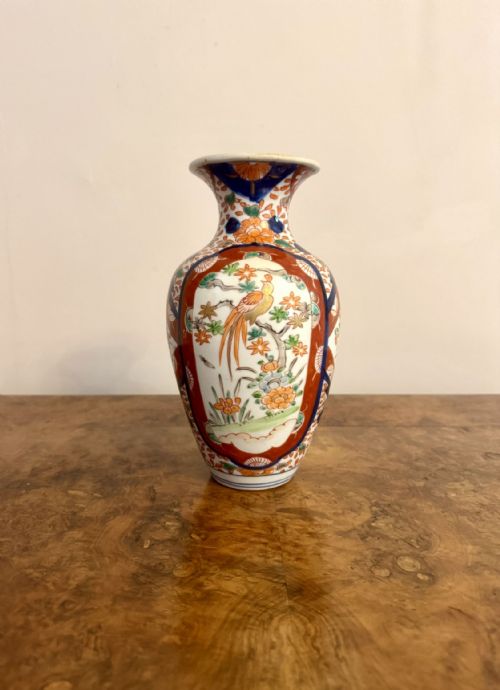
When you search for a traditional imari pattern vase, you encounter Japanese and Victorian ceramic works originating from the eighteenth, nineteenth and early twentieth centuries. The selection on this page centres heavily upon Japanese Meiji and Edo period creations, alongside nineteenth century interpretations.
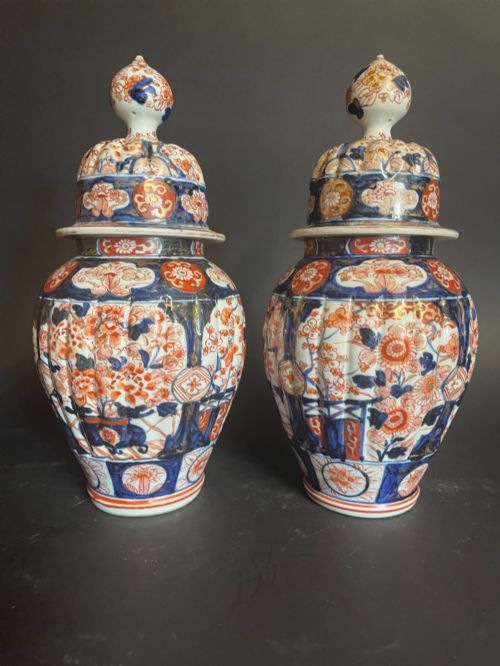
Most items appearing here take the form of vases, decorative vases, lidded jars and lidded vases. Collectors also encounter pairs configured as table lamps, spanning various heights up to large scale display pieces.
The aesthetic relies upon distinct styles including Japanese Imari, Japanese Edo Period and Japanese Meiji. These decorative objects display characteristic motifs that have appealed to interior decorators for generations.
How they were made
Potters shaped these vessels from ceramic, ironstone and porcelain before applying detailed enamel decoration and glaze. Kiln firing fixed the foundational colours onto the body of each piece.
Many examples incorporate gold leaf or gilt highlights applied over the glaze to catch the light. Artisans shaped certain bodies into hexagonal forms alongside traditional rounded profiles.
Traditional Imari Pattern Vase Retail Price Guide 2026
Typical asking prices for traditional imari pattern vase among the pieces listed under this phrase on Sellingantiques today, from the lower quarter to the upper quarter. They describe what is for sale here now, not the wider market.
One towering pair stands at seventy six centimetres high, demanding a sturdy table and an appreciative audience.
What varies in quality
Differentiation across the range rests upon the crispness of the enamel painting and the precision of the gilt work. Superior examples demonstrate a balanced composition and controlled brushwork across the entire ceramic surface.
Scale and form also influence distinction, with impressive large pairs and hexagonal vessels commanding attention through their substantial presence. The complexity of the lidded jars and multi piece sets indicates higher ambition in the workshop.
The Traditional Imari Pattern Vase Glossary
- Imari
- A style of Japanese porcelain decorated in underglaze blue and overglaze red, gold and green. This palette defines the traditional aesthetic seen on these vessels.
- Meiji
- A period in Japanese history spanning from eighteen sixty eight to nineteen twelve. Pieces from this era often show high technical proficiency in enamel work.
- Edo Period
- The period in Japanese history running from sixteen hundred and three to eighteen sixty eight. Items originating from this time carry significant historical weight.
- Ironstone
- A type of durable ceramic developed in the nineteenth century. It provides a robust body for decorative vases and jars.
- Gilt
- A thin layer of gold applied to the surface of porcelain or metal mounts. This technique adds metallic brilliance to the decorative scheme.
Traditional Imari Pattern Vase: Frequently Asked Questions
What periods do these vases come from?
The pieces span the eighteenth century, the nineteenth century, and the early twentieth century. This includes specific eras such as the Japanese Edo period and the Meiji period.
Victorian interpretations also appear among the selections. Dates range from around seventeen eighty up to nineteen hundred.
How were these vases originally used?
Households displayed these vessels as decorative items in reception rooms and parlours. Lidded jars served to hold dried petals or simply stood as ornamental centrepieces.
Some examples have been adapted into table lamps for domestic lighting. Their striking patterns were designed to draw the eye within a room.
What materials make up these pieces?
The primary materials are porcelain, ceramic and ironstone. Artisans finished these bodies with glaze, enamel and gold leaf or gilt highlights.
Certain items also incorporate brass components, particularly those converted for electrical use as lamps.
What shapes do these vases take?
Standard forms include rounded vases and lidded jars with fitted covers. Some items feature distinct hexagonal shaped bodies.
Sizes vary from standard decorative vessels up to impressive large heights reaching seventy six centimetres.