



Vintage Oriental Pottery Vase
When you handle a vintage oriental pottery vase, you hold centuries of refined ceramic tradition spanning Satsuma earthenware and Imari porcelain.
Vintage Oriental Pottery Vase
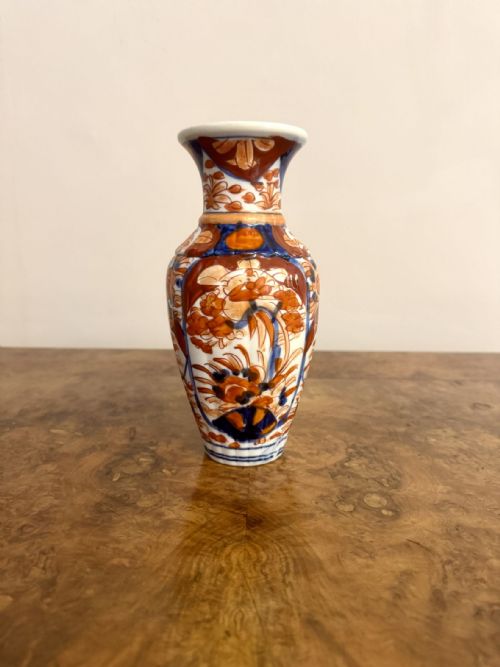
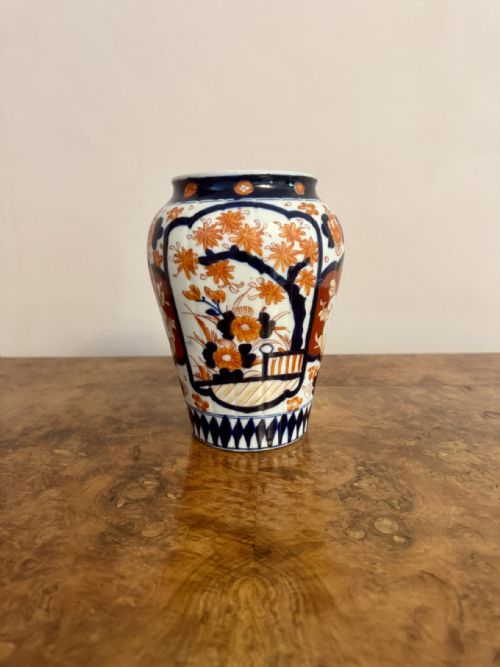
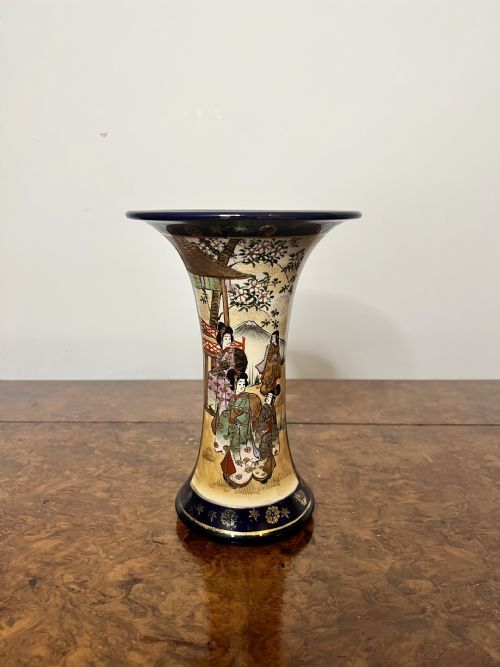
A vintage oriental pottery vase encompasses diverse Asian ceramic forms ranging from nineteenth-century Japanese Imari to twentieth-century Satsuma earthenwares. Buyers searching for a vintage oriental pottery vase typically encounter pieces styled across the Meiji, Taisho, and Showa periods, including pairs, lidded vessels, and table lamps.
How they were made
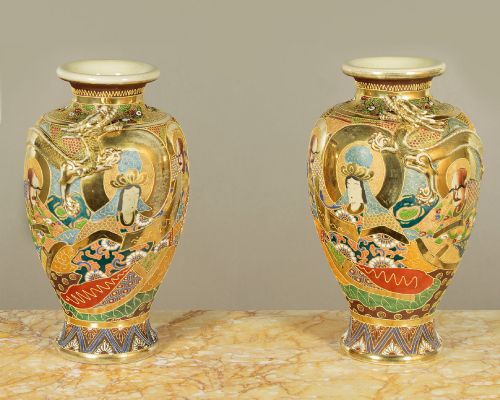
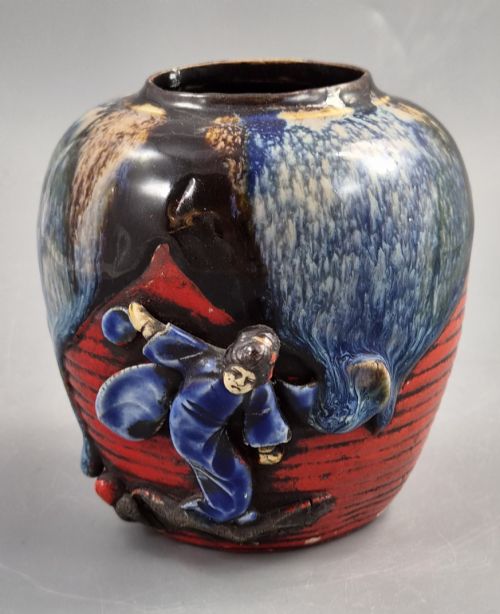
Potters shaped these vessels using local clays and fine porcelain, applying detailed hand-painted enamel decoration alongside rich gold leaf and gilt highlights. Many pieces employ specialised glazes, including cobalt blue, turquoise, and flambe finishes, fired in traditional kilns.
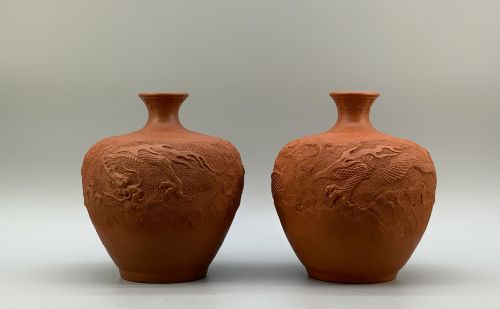
Craftsmen also utilised moulded and applied techniques, attaching sculptural figures, dragons, and geometric panels directly onto the body of the vase before final firing.
The inventory records pieces predominantly from the nineteenth century through the nineteen-thirties, spanning earthenware and porcelain.
What varies in quality
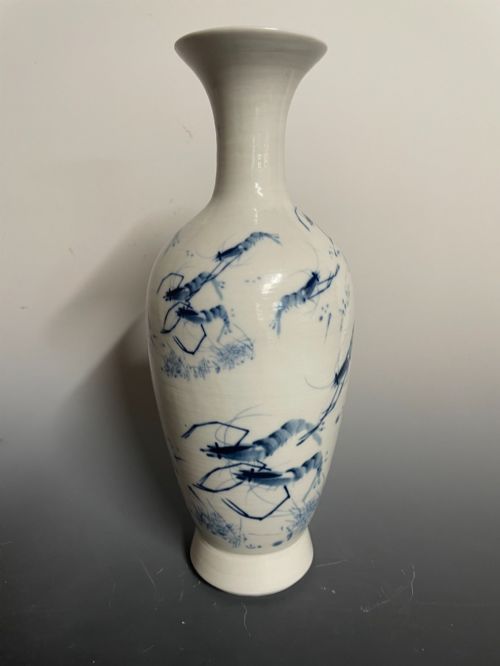
Quality rests primarily in the precision of the hand-painting, where finer vessels display meticulous figural processions, intricate floral motifs, and controlled brushwork. The crispness of the gilt detailing and the depth of the enamel layers further distinguish superior examples from standard decorative output.
Artistic attribution and maker signatures also influence standing, with identified studio work commanding particular attention from collectors seeking documented heritage.
Chosei·Hakusan·Kinkozan·Hattori
The Vintage Oriental Pottery Vase Glossary
- Satsuma
- A type of Japanese earthenware characterised by a pale, ivory-coloured crackle glaze that provides a canvas for elaborate enamel and gilt decoration.
- Imari
- A traditional style of Japanese porcelain featuring a distinct palette of underglaze blue, iron red, and gilt accents.
- Kutani
- Japanese ceramic ware known for bold colour palettes, frequently incorporating greens, purples, and reds in pictorial scenes.
- Meiji Period
- An era in Japanese history spanning from eighteen sixty-eight to nineteen twelve, noted for exceptional decorative arts production.
- Cloisonne
- A decorative technique where enamel is applied within compartments formed by soldered wire on a metal or ceramic base.
Vintage Oriental Pottery Vase: Frequently Asked Questions
How do I date a Satsuma vase?
Dating relies heavily on stylistic shifts, paste composition, and the presence of artist signatures or studio marks. Earlier Meiji pieces often feature denser, finer crackle glazes and minute hand-painted detail.
Later twentieth-century productions tend toward bolder, massed enamels and simplified forms. Comparing known signatures against period registers confirms the decade of manufacture.
Were these vases used for flowers?
Many larger vessels served strictly as decorative display pieces rather than functional flower holders, particularly intricate Satsuma earthenwares whose porous bodies and delicate gilt surfaces suffered from moisture exposure.
Sturdier porcelain Imari and blue-and-white jars handled water more successfully, though surviving examples frequently show pristine interiors suited primarily for interior ornament.
How should I display my vase?
Position your vessel away from direct sunlight to protect the fragile overglaze enamels and prevent fading of the gilt highlights. Place them on stable, level surfaces where their detailed painted panels remain fully visible.
Avoid high-humidity areas, especially with earthenware bodies, to preserve the integrity of the antique crackle glaze.