
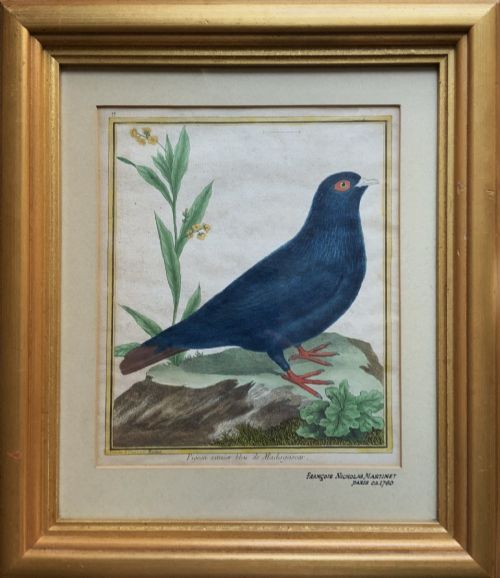
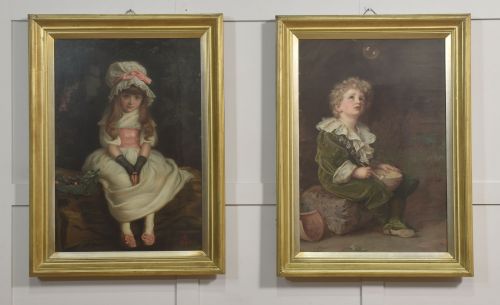
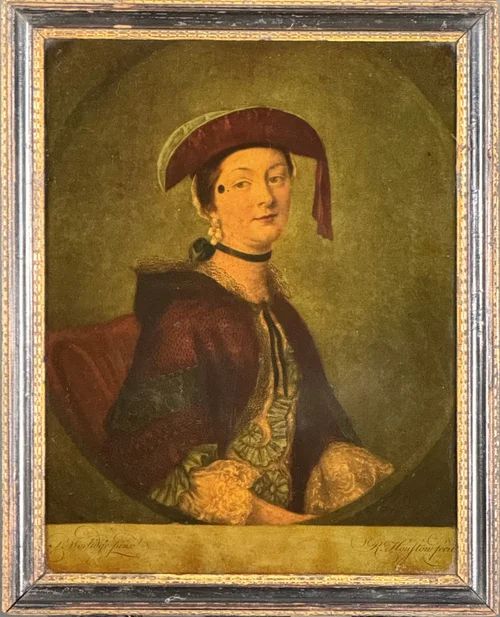
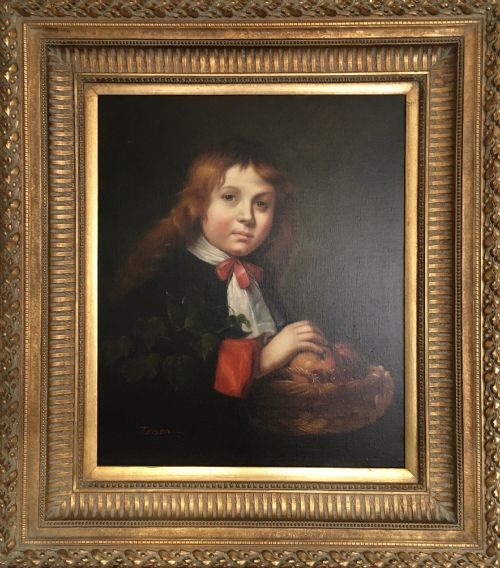
Gilt Framed Wall Print
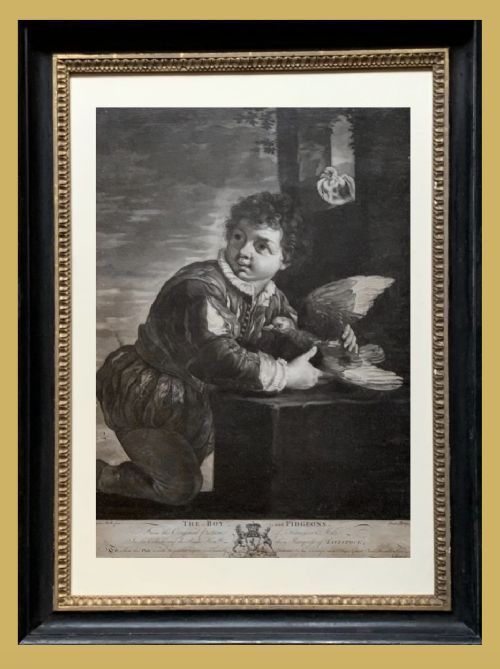
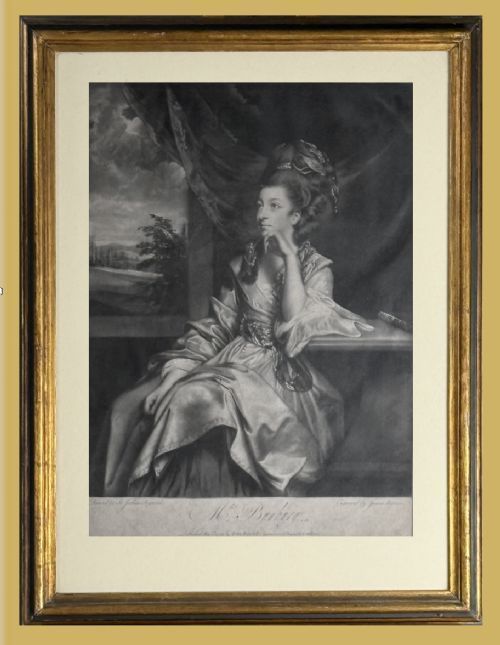
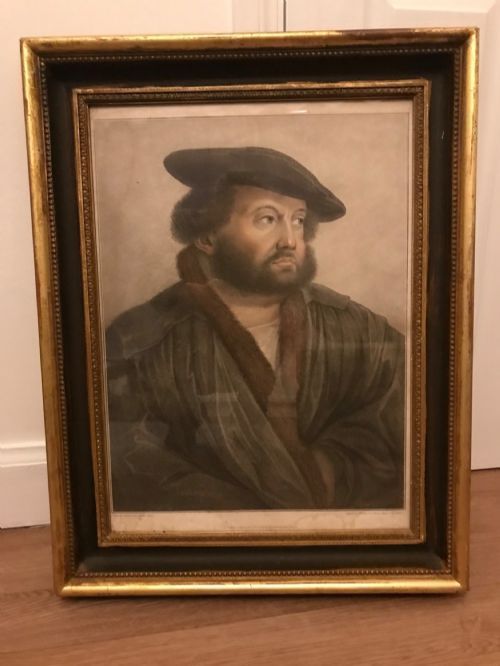
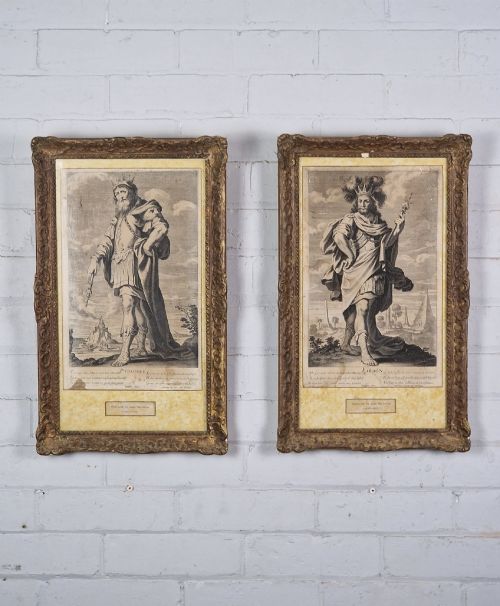
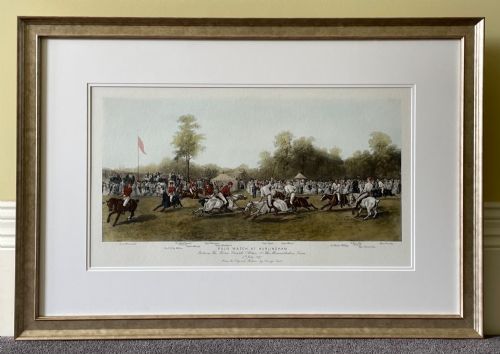
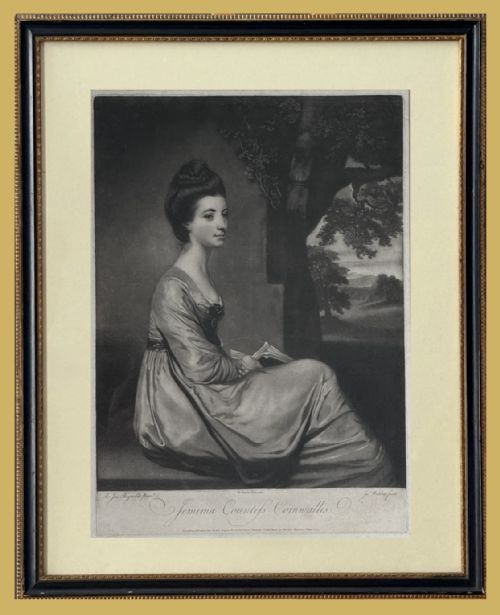
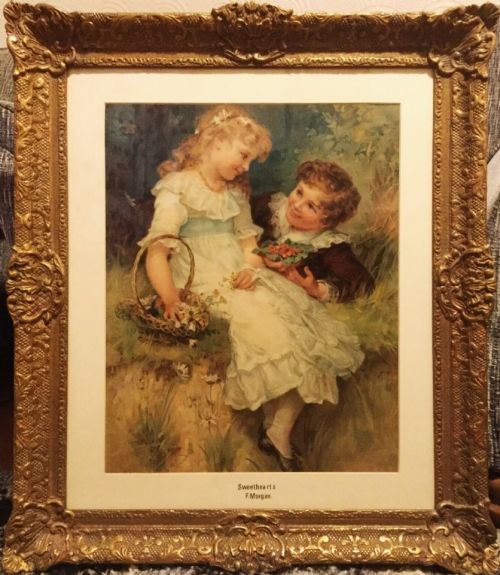
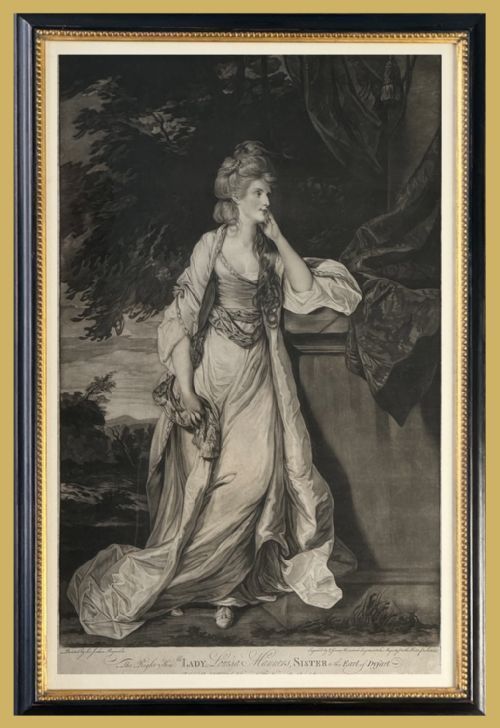
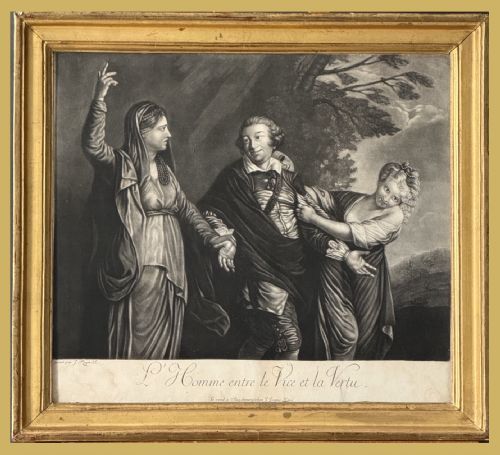
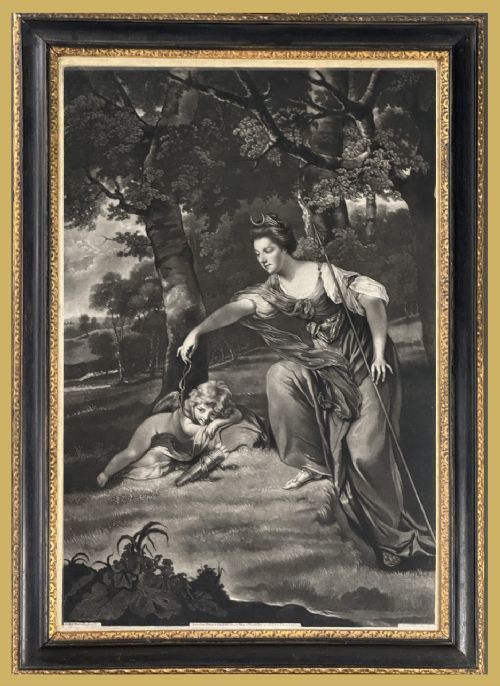
A gilt framed wall print brings historical portraiture and decorative engraving together inside a bright metallic border.
Gilt Framed Wall Print
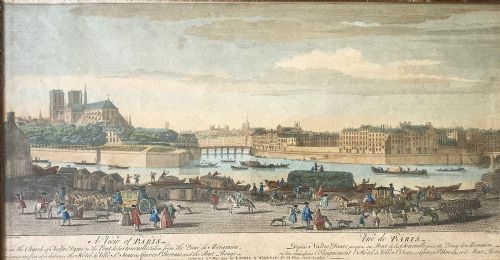
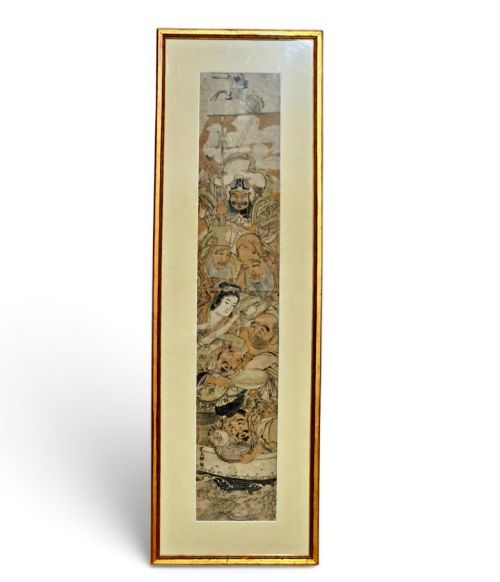
A buyer seeking a gilt framed wall print encounters paper works enclosed within wooden surrounds treated with gold leaf, gilt, or giltwood. These objects span periods from the seventeenth century through to the mid-twentieth century.
The items listed on this page appear primarily as engravings, mezzotints, lithographs, etchings, and watercolours. Portraiture and botanical or animal studies recur frequently within Georgian, Victorian, and Edwardian aesthetic frameworks.
Materials and construction
Paper serves as the primary medium for the imagery, carrying ink or pigment applied through intaglio printing, lithography, or hand painting. Wood forms the structural core of the surrounding frame.
Gold leaf and gilt finishes cover the wooden mouldings to create a reflective metallic sheen. Glass protects the fragile paper surface set behind the frame rebate.
Listings feature paper works protected by glass within wooden frames finished in gold leaf, gilt, or giltwood across multiple centuries.
Factors influencing quality
The clarity of the printed impression or the delicacy of the brushwork determines the visual strength of the piece. Early strikes from copper plates preserve fine details that later impressions lose.
The craftsmanship of the frame and the retention of original gilding contribute significantly to the overall integrity of the object. Period frames that match the age of the enclosed print demonstrate superior preservation.
John Boydell·James Watson·Francesco Bartolozzi·Jean Mariette·Katsukawa Shunshō·François-Nicolas Martinet·Charles Spooner·Valentine Green·Jiohan Elis Haid·Thomas Frye·James Heath·Kurt Meyer-Eberhardt·David Bates·John Faber Jr·Herbert Dicksee
The Gilt Framed Wall Print Glossary
- Mezzotint
- A printmaking process of the intaglio family where the plate is roughened to achieve rich dark tones and subtle gradations in portraits. This technique gained widespread popularity for reproducing painted portraits during the eighteenth century.
- Stipple engraving
- A method of creating prints by dotting the copper plate rather than cutting continuous lines to produce soft tonal effects. It was frequently utilised for neoclassical portraiture.
- Lithography
- A planographic printing process based on the repulsion of oil and water upon a flat stone or metal plate. Artists used this method to produce both detailed illustrative works and vibrant advertising prints.
- Giltwood
- Timber carved and subsequently covered with a thin layer of gold leaf or metallic powder. It provides a durable and decorative housing for works on paper.
Gilt Framed Wall Print: Frequently Asked Questions
How do I hang a heavy gilt frame safely?
Use brass picture wire secured firmly to heavy-duty screw eyes fixed directly into the wooden frame backing.
Ensure the wall fixing engages with a stud or utilises an appropriate cavity anchor to support the combined weight of the wood, glass, and paper.
Are these prints original period pieces?
The inventory includes original prints and engravings produced during the eighteenth, nineteenth, and early twentieth centuries.
Paper stock, ink types, and framing methods help establish the historical period of each individual listing.
How should I clean the glass and frame?
Wipe the glass carefully with a cloth slightly dampened with water or a mild glass cleaner, keeping moisture away from the frame edge.
Dust the giltwood gently with a dry, soft brush to protect the metallic surface from abrasion.
Can I remove the print from its frame?
Opening period frames risks damaging brittle historic paper, backing boards, and original seals.
Leaving the artwork undisturbed inside its housing preserves the structural context and protects the fragile paper surface.