


Hogarth Frame Art
Hogarth frame art brings together historic prints and paintings within distinct moulded timber borders.
Hogarth Frame Art
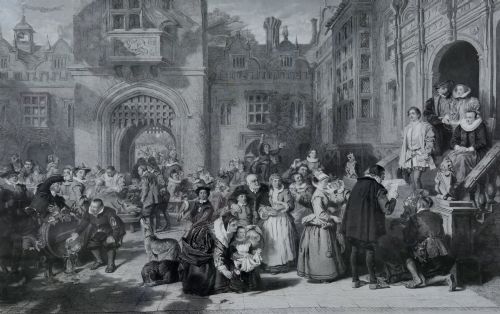
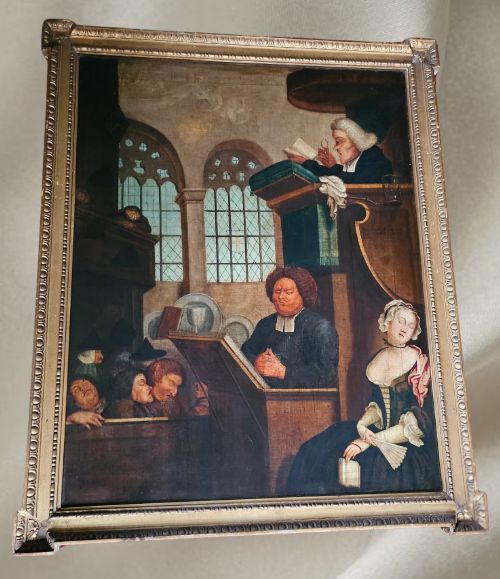
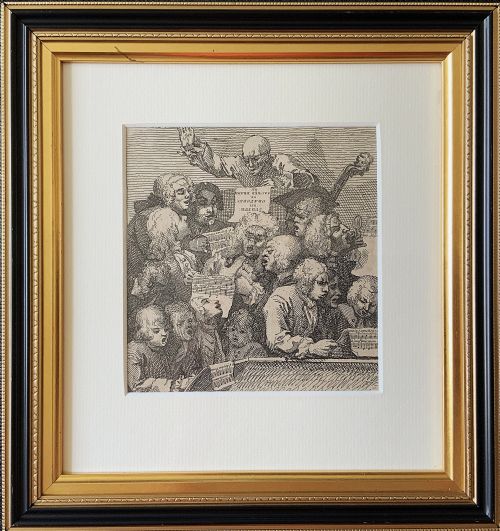
When searching for hogarth frame art, collectors encounter traditional framing enclosing period engravings, etchings, watercolours, and miniature paintings. These pieces predominantly span the eighteenth and nineteenth centuries, featuring works created during the Georgian, Regency, and Victorian eras.
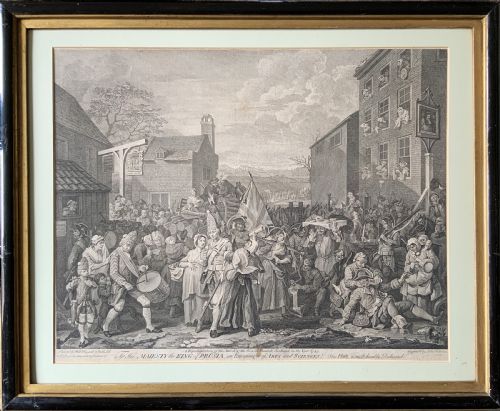
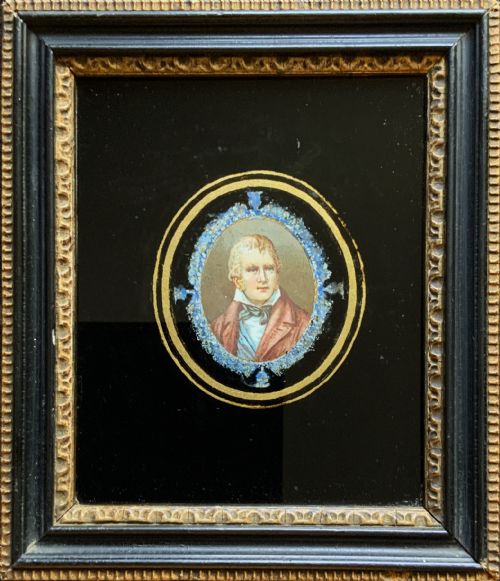
The most common examples on this page are paper works, such as hand-coloured engravings and sporting prints, housed in dark stepped or ogee mouldings. Alongside these paper items, miniature portraits on ivory, tin plate, or piano keys also appear within these distinctive wooden surrounds.
The subjects range widely, taking in satirical prints, topographical watercolours, hunting scenes, and political cartoons. Each piece demonstrates how historical imagery was preserved and displayed in specific types of decorative mouldings.
Materials and construction
The physical objects rely on timber frames paired with paper, canvas, or tin plate supports. Wood forms the primary structure of the housing, shaped into distinct profiles often enhanced with gold leaf or gilt finish.
Artworks within the frames utilise paper, oil paint, watercolour, and printmaking techniques such as engraving and etching. Master makers applied these traditional methods by hand during the eighteenth, nineteenth, and early twentieth centuries.
Object types include framed prints, wall art, miniature paintings, and engravings in various styles.
Assessing quality in framing and works
Quality rests upon the crispness of the engraving or the finesse of the brushwork inside the mount. Stronger examples display clear impression lines on paper and confident handling in watercolours or oils.
The construction of the timber moulding itself dictates value, where hand-finished wood surfaces and original backing materials outclass later replacements. Preservation of the early glass and the integrity of the original framing elements also elevate the piece.
William Hogarth·Luke Sullivan·George Romney·E Jackson Stodart·John Dean
The Hogarth Frame Art Glossary
- Engraving
- A printmaking technique where an image is incised onto a metal plate using a sharp tool. This method produces fine, precise lines visible in many historical prints.
- Etching
- A process where acid cuts into unprotected parts of a metal plate to hold ink. It yields fluid, painterly lines distinct from direct engraving.
- Stipple engraving
- A method of creating prints using dots rather than continuous lines to render tone and texture. It became popular for reproducing soft-focus portraits and subject pieces.
- Miniature painting
- A small-scale portrait or landscape executed with extreme precision. These works often appear in delicate wood frames designed for intimate viewing.
- Ogee moulding
- A symmetrical framing profile featuring a double curve shaped like an elongated S. This specific profile defines the traditional appearance of the housing.
Hogarth Frame Art: Frequently Asked Questions
What is a hogarth frame?
A hogarth frame is a stepped or ogee wooden moulding, traditionally finished in dark tones or gilt, used to house prints and paintings. The design complements eighteenth and nineteenth-century works without overwhelming the central image.
These mouldings became standard for framing satirical engravings, portraits, and watercolours during the Georgian and Regency periods. Their simple yet refined profile remains closely associated with historical British art.
How do I date these framed pieces?
Dating relies on examining the paper, the method of printing, the style of the timber frame, and any inscriptions on the reverse. Older frames often feature hand-planed wood and early glass.
Paper stock and printing techniques also offer clear chronological clues. Eighteenth-century engravings differ significantly in texture and ink quality from nineteenth-century productions.
Where should I hang this art?
These works suit traditional studies, hallways, and living spaces where their dark wood frames can anchor a wall display. They pair well with period furniture and traditional interior schemes.
Direct sunlight should be avoided to protect the delicate watercolours and hand-coloured engravings from fading over time. Controlled indoor lighting preserves both the paper and the original frame.
Are the frames original to the art?
Many listings retain their original period frames, while others have been paired with appropriate antique mouldings over the years. Examining the fit, fixings, and wear helps determine the relationship between art and frame.
Original framings often show age-appropriate patina and construction methods consistent with the era of the artwork. This historical pairing adds significantly to the character of the piece.