


Regency Hand Coloured Engraving
A regency hand coloured engraving brings the crisp line of copperplate print and the subtle wash of watercolour together on old paper.
Regency Hand Coloured Engraving
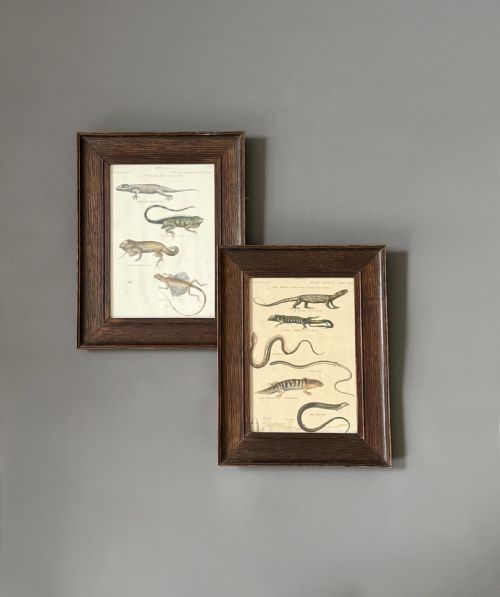
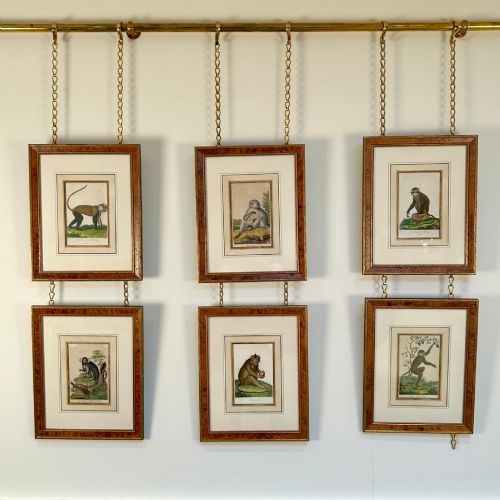
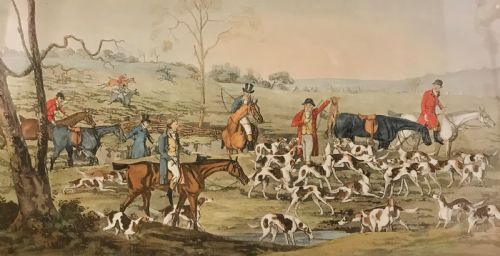
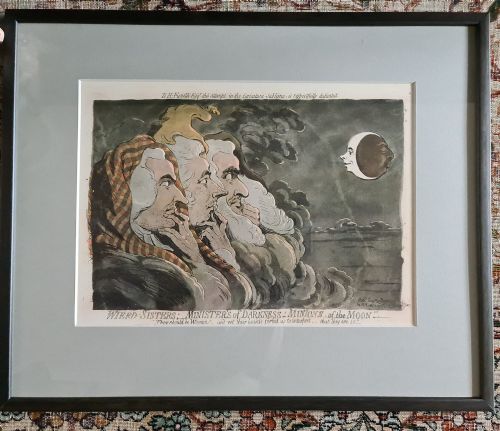
When you search for regency hand coloured engraving, you enter a world of framed artwork and antique prints spanning the nineteenth century, Georgian era, and the late eighteenth century. These works capture natural history subjects like reptiles and monkeys, alongside sporting scenes, maps, and satirical prints after notable artists.
Most examples you meet here are framed wall art presented in wood, burr wood, or gilt wood frames behind glass. They range from single sheets to matched pairs and larger sets, reflecting the diverse pictorial interests of the period.
How they were made
The underlying image begins as an ink impression pulled from an engraved metal plate onto paper. Artisans then applied watercolour by hand to selective areas of the design, bringing vibrancy to subjects ranging from natural history plates to satirical scenes.
Framing forms an integral part of these pieces, utilising wood, burr wood, and gilt wood alongside glass to protect the delicate paper and pigment over the centuries.
The object types span wall art, framed prints, antique prints, antique maps, and framed art prints.
What varies in quality
Quality rests upon the crispness of the original ink impression and the sensitivity of the watercolour wash applied to the paper. A steady hand and a clear plate make all the difference between a flat sheet and a lively image.
The choice of framing materials also influences the character of the piece, with well-figured burr wood and gilt mouldings elevating the presentation of the print within.
William Bird MD FLS·Gilray·George Romney·Henry William Banbury·Thomas Rowlandson·R Scott·Bartolozzi·Kauffman·H Thielcke
The Regency Hand Coloured Engraving Glossary
- Engraving
- A printmaking technique where an artist cuts a design directly into a metal plate using a sharp tool called a burin. The resulting lines hold the ink for printing.
- Hand coloured
- A print finished with washes of watercolour applied by brush after the ink impression has dried on the paper.
- Stipple engraving
- A method of creating an image using a fine pattern of dots rather than continuous lines, often producing soft tonal gradations.
- Gilt wood
- Wood that has been coated with a thin layer of gold leaf, commonly found on traditional picture frames.
Regency Hand Coloured Engraving: Frequently Asked Questions
How should I hang these prints?
Keep them away from direct sunlight to protect the watercolour pigments and paper from fading over time.
Grouping smaller framed prints together creates a strong visual impact on a wall.
Are these prints original to their stated period?
The listings include pieces produced during the Georgian and Regency eras, using period printing and hand colouring techniques.
Examination of the paper and ink helps confirm the historical context of each artwork.
What subjects are most common?
Sporting scenes, natural history studies of animals, maps, and satirical works after well-known artists appear frequently.
Pairs and sets offer options for symmetrical hanging or coordinated displays.
Why do some prints have plate marks?
The plate mark shows the indentation left by the metal printing plate pressed into the damp paper during the printing process.
Its presence confirms the use of traditional intaglio printing methods rather than modern reproduction techniques.