
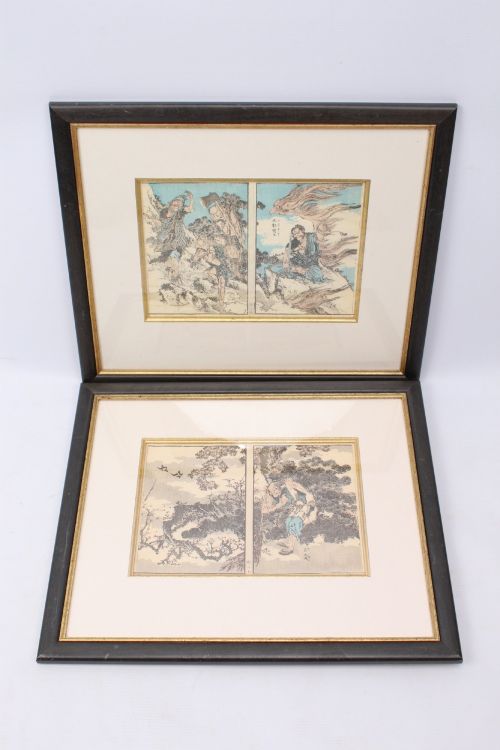
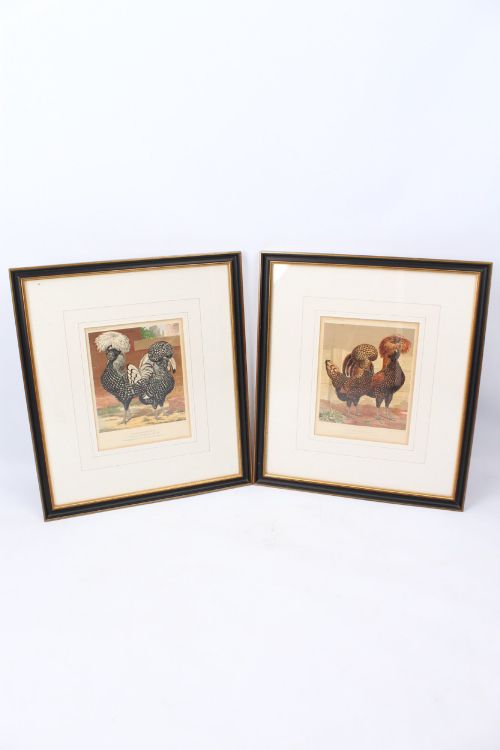
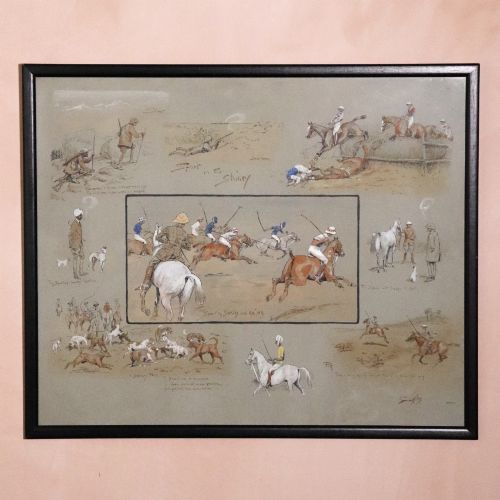
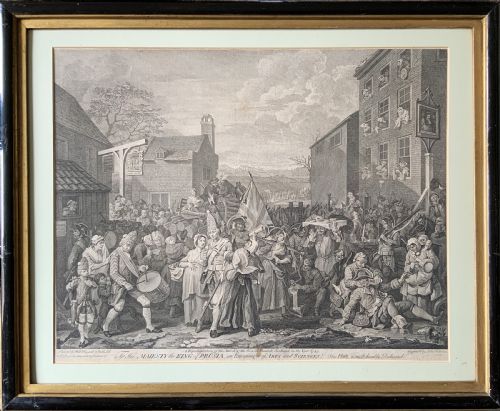


Black Mount Framed Print
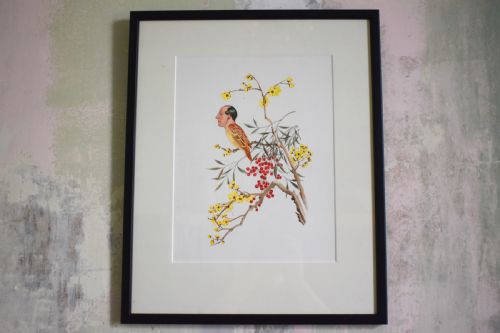
A black mount framed print brings graphic depth and historic character to a room, offering everything from sporting scenes to classical engravings.
Black Mount Framed Print
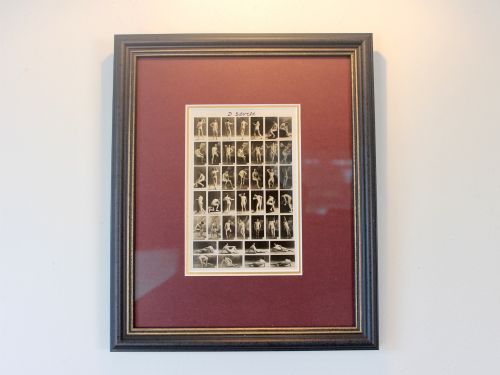
When you search for a black mount framed print, you encounter a varied selection of works on paper housed behind glass within traditional wooden or gilded frames. These pieces span several centuries, moving from eighteenth-century engravings to early twentieth-century lithographs, watercolours, and photographic contact sheets.
The versions most commonly met on this page include hand-coloured engravings, satirical cartoons, architectural studies, and animal illustrations. They draw upon Georgian, Regency, Edwardian, and Art Deco aesthetics, often framed to complement the tonal weight of the imagery within.
How they were made
The physical construction of these works relies on traditional paper supports paired with watercolour pigment, ink, or printing plates such as mezzotint and engraving. Artisans mounted these works using wood, gilt wood, and gold leaf frames fitted with protective glass.
Framing techniques often incorporate deep mounts or ebonised surrounds to enhance the visual contrast of the artwork. The combination of organic wood and delicate paper requires stable environmental conditions to preserve the integrity of both the frame and the enclosed print.
Listings feature paper, glass, wood, and gold leaf materials across periods ranging from the eighteenth century to the 1930s.
What varies in quality
Quality in these works is defined by the crispness of the printing plate, the delicacy of any hand-applied watercolour tinting, and the preservation of the paper support. Earlier impressions pulled from copper or wood blocks display sharper line work than later copies.
The framing materials also distinguish the range, with original gilt wood and hand-carved ebonised surrounds holding greater craftsmanship than later replacements. The harmony between the mount, the frame, and the paper artwork dictates the overall standard.
The Black Mount Framed Print Glossary
- Engraving
- A printmaking method where an artist cuts lines directly into a metal plate with a burin. This technique produces fine, precise details and clean lines.
- Mezzotint
- A tonal printmaking process where the copper plate is roughened uniformly to produce rich dark areas and subtle graduations of light. It creates a velvety depth absent in standard line engravings.
- Lithography
- A planographic printing process based on the repulsion of oil and water on a stone or metal plate. It allows for fluid, painterly marks and accurate reproduction of illustrations.
- Ebonised
- Wood treated to resemble dense, black ebony. This finish is achieved through staining or chemical treatment to provide a dark, formal border around works on paper.
Black Mount Framed Print: Frequently Asked Questions
How do I care for framed paper art?
Keep framed paper works away from direct sunlight to prevent the fading of watercolour pigments and the yellowing of the paper support. Maintaining a stable indoor climate protects the organic materials in both the frame and the print from moisture damage.
Ensure the piece is hung securely using appropriate fixings suited to the weight of the wood and glass. Routine dusting with a dry, soft cloth keeps the glass clear without disturbing the surrounding frame.
Are these prints original period pieces?
The listings include original engravings, etchings, and watercolours produced across the eighteenth, nineteenth, and early twentieth centuries. Each item reflects the printing and artistic techniques characteristic of its specific period of origin.
Examining the paper texture, ink distribution, and framing style helps identify the age of the piece. Physical evidence on the reverse of the frame often provides further clues regarding its history.
What framing styles should I expect?
Frames vary from simple ebonised wooden borders to ornate gilt wood and gold leaf mouldings. Many pieces incorporate deep mounts that create physical distance between the artwork and the protective glass.
These framing choices often reflect the period in which the artwork was created or subsequently housed. Original frames contribute significantly to the historic character of the piece.
How do I identify different print types?
Engravings show fine, precise lines etched into the plate, while mezzotints present soft, tonal fields of light and dark. Lithographs and modern prints exhibit smoother, more fluid colour application without indented plate marks.
Using a magnifying glass helps reveal the dot patterns of later printing methods versus the solid ink lines of hand-pulled historical plates. Comparing the paper margin also assists in determining the production method.