
Gilded Regency Wall Mirror
A gilded regency wall mirror brings brilliant light and classical proportion into a room, offering the unmistakable refinement of nineteenth-century design.
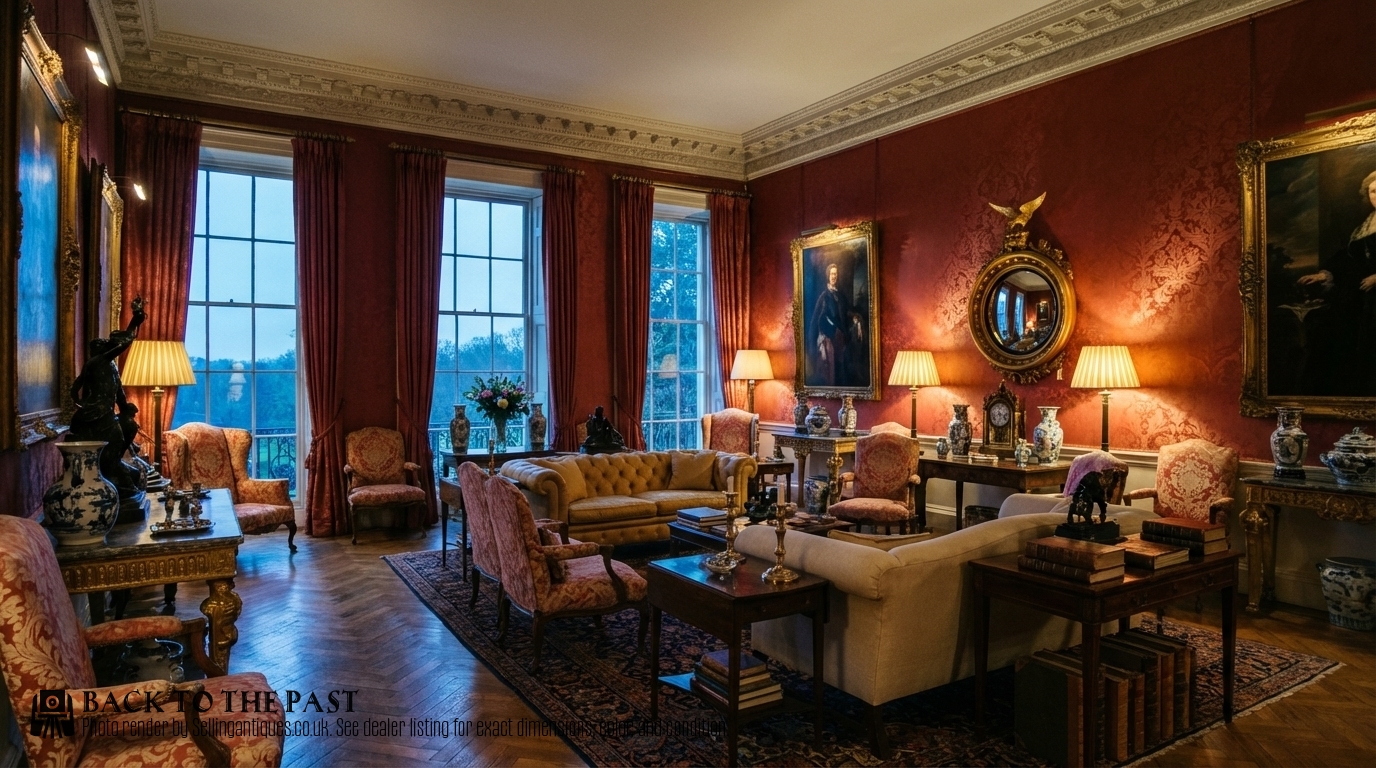
Gilded Regency Wall Mirror
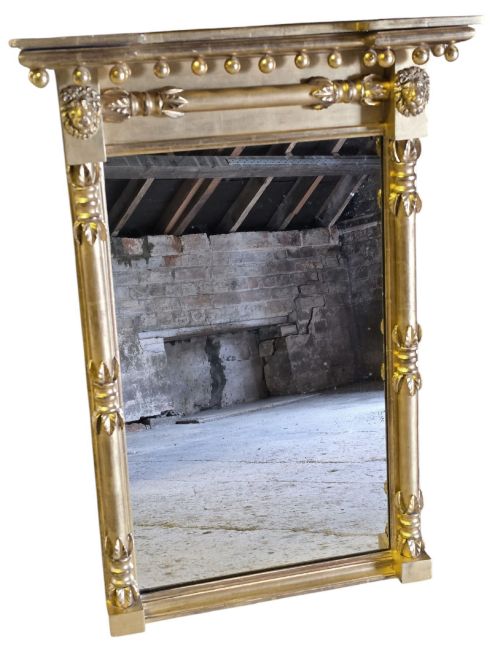
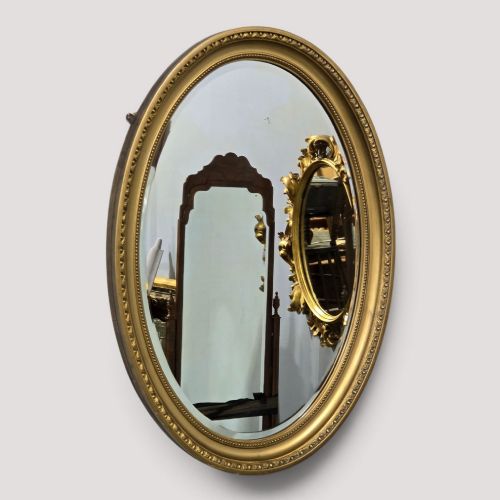
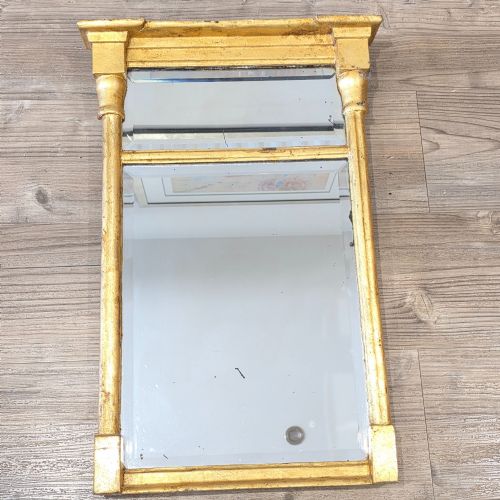
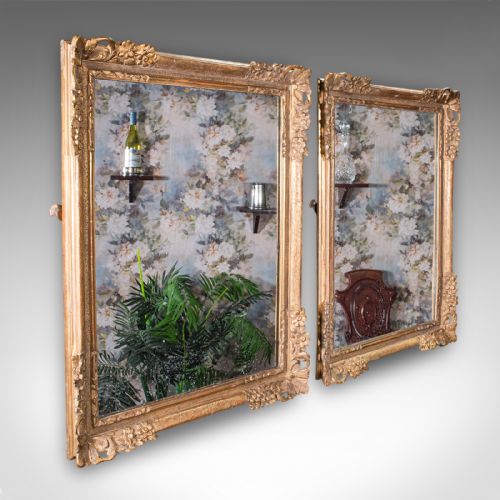
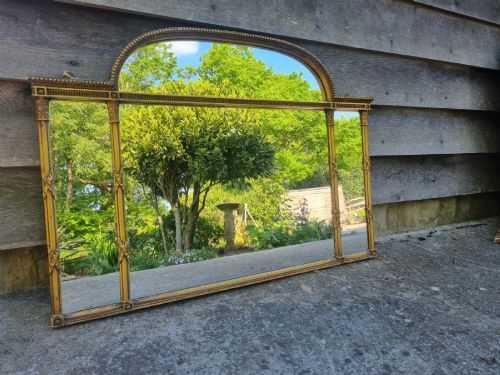
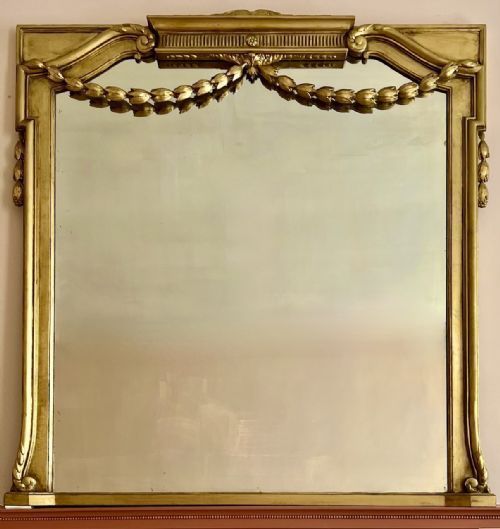
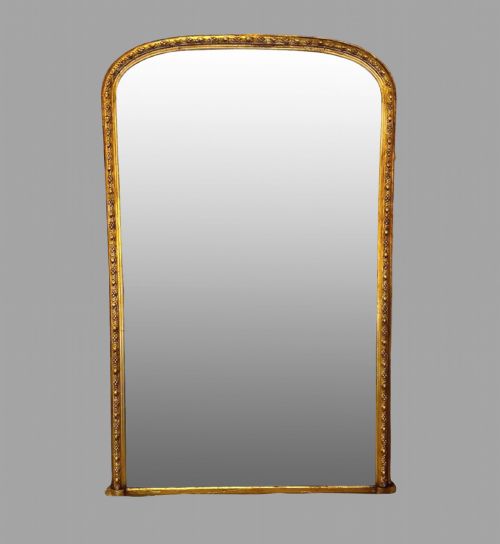
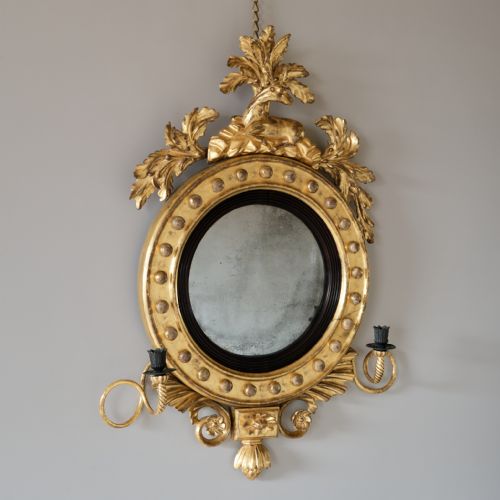
A gilded regency wall mirror encompasses the grand decorative glass pieces shaped by early nineteenth-century aesthetic ideals, including substantial overmantels, tall pier mirrors, and circular convex forms. These objects served both to illuminate dark interiors by reflecting window light and to anchor the formal arrangement of a principal room.
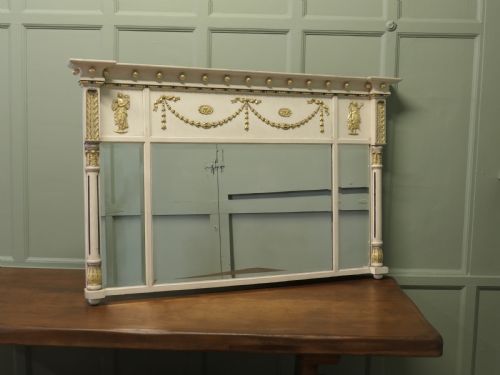
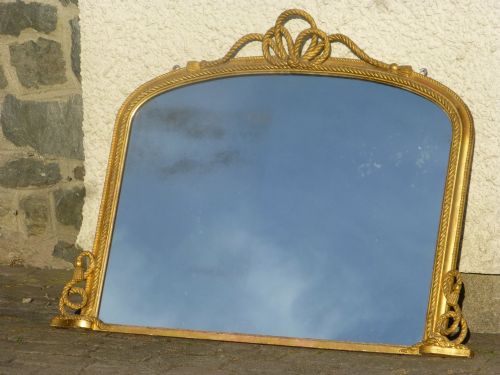
Buyers browsing this selection encounter pieces originating primarily from the Regency period alongside later revivals, featuring characteristic architectural framing like column details, rope twists, and neoclassical motifs. The formats range from intimate dressing mirrors and wall sconces to massive architectural overmantle mirrors designed to span entire chimney breasts.
The survival of these mirrors spans authentic early nineteenth-century examples and later Victorian or Edwardian interpretations in the Regency style. Each piece demonstrates the enduring appeal of gilt surfaces and classical geometry within domestic interior decoration.
How They Were Made
Craftsmen built the foundational structure of a gilded regency wall mirror using timber frames of wood or carved wood, frequently embellished with moulded composition or gesso to achieve intricate relief details. Artisans then applied gold leaf to these prepared surfaces, often utilising water gilding techniques that allowed the metal to be burnished to a brilliant shine.
The optical component relies upon mirror glass, which historically includes original plates, silvered surfaces, or specialised panels decorated with verre eglomise techniques. Secondary treatments like ebonised wood, paint, or foxed plate finishes provide contrast and depth to the reflective elements.
What Varies in Quality
The distinction between ordinary and exceptional examples rests upon the crispness of the original carving, the integrity of the gilt surface, and the survival of period components like mercury or mirror glass plates. Superior pieces display deep, hand-carved relief work and well-balanced proportions that demonstrate the confident hand of a skilled workshop.
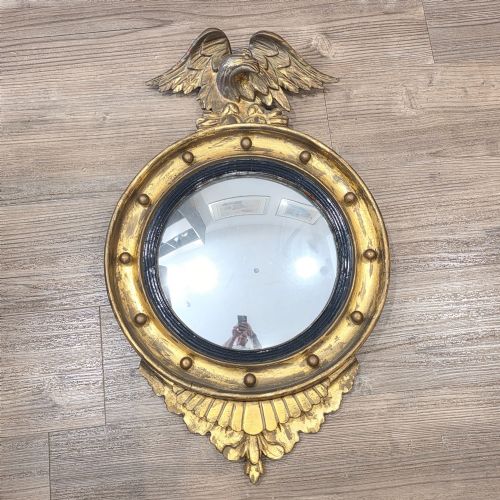
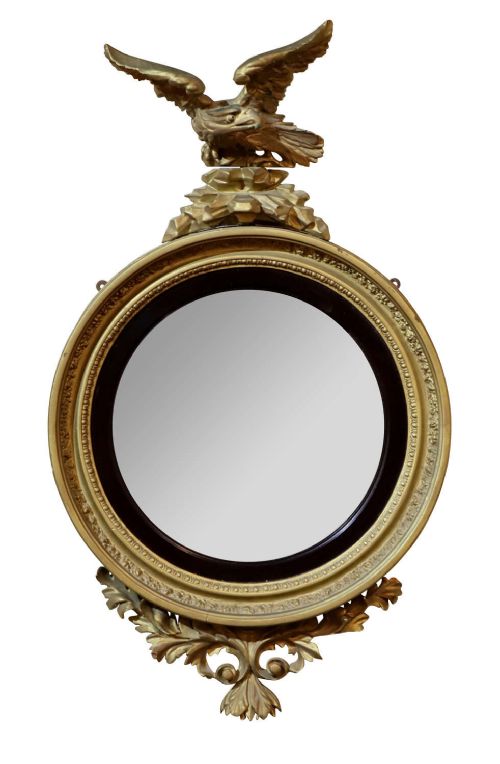
Condition plays a defining role, distinguishing items retaining their original water gilding and glass from those subjected to later restoration, overpainting, or total regilding. The presence of authentic decorative elements, such as eagle surmounts or lion masks, elevates the visual authority of the finished mirror.
Gillows Of Lancaster
The Gilded Regency Wall Mirror Glossary
- Giltwood
- Wood that has been coated with gold leaf or gold paint to produce a rich, reflective metallic finish. This material forms the primary visual vocabulary of classical English mirrors.
- Gesso
- A plaster-like mixture applied to wooden frames as a smooth base before gilding or painting. It allows craftsmen to model sharp, intricate ornamental details.
- Convex Mirror
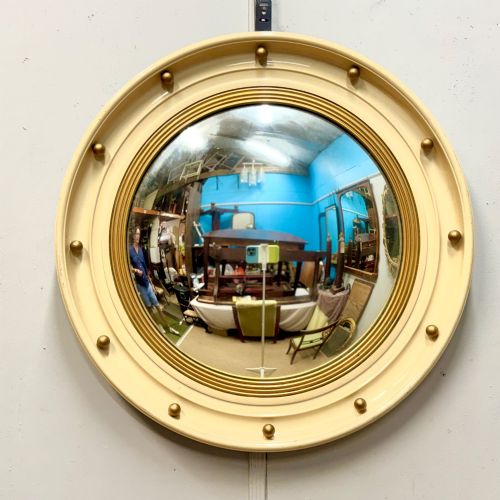
- A circular mirror featuring an outward-curving glass plate that bends reflections to capture a wide-angle view of the interior. These pieces are frequently surmounted by carved figures like eagles.
- Verre Eglomise
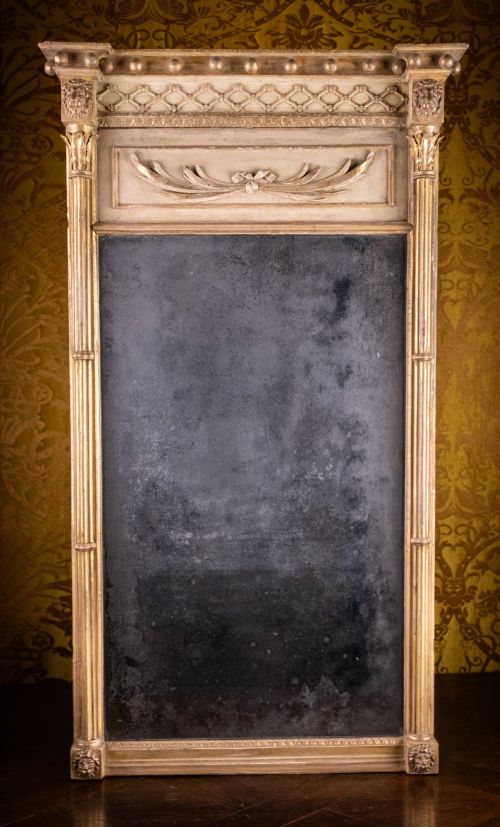
- A cold decoration technique where designs are painted and gilded on the reverse side of glass panels. It often appears in the frieze panels above pier mirror plates.
- Overmantle Mirror
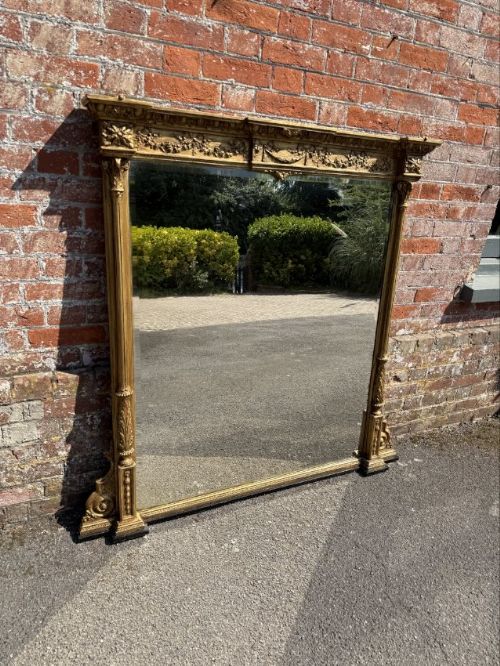
- A wide mirror specifically proportioned to hang above a fireplace mantelpiece. They often incorporate multiple plates and architectural column frames.
Gilded Regency Wall Mirror: Frequently Asked Questions
Where should I hang a convex mirror?
A convex mirror works best on a principal wall where its wide-angle reflection can capture the entire depth of a room. Placing it opposite a window maximises the natural light brought into the space.
Because these circular mirrors draw immediate visual attention, they function effectively as focal points above furniture groupings or smaller wall expanses.
How do I identify a true period piece?
Examining the construction methods behind the gilt surface helps reveal the age of the frame. Authentic early examples utilise traditional joinery and gesso layers that show natural signs of ageing beneath the gold leaf.
The mirror glass itself often provides clues through slight distortions, foxing, or the thinner, heavier characteristics of older reflective plates.
What is a pier mirror used for?
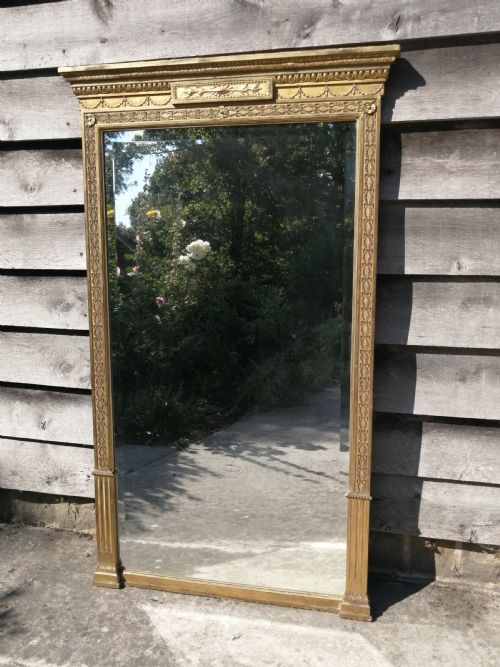
A pier mirror was historically designed to hang on the narrow wall space between two windows, known as the pier. Their vertical proportions helped bounce light back into the darkest parts of a formal room.
Over time, these tall rectangular mirrors also found placement above console tables and dressing surfaces to serve both functional and decorative roles.
How do I care for antique gilt surfaces?
Maintaining antique giltwood requires gentle dusting with a soft, dry brush to prevent damage to the delicate gold leaf layers. Moisture and chemical cleaning solutions must be avoided entirely to protect the historic gesso and wood beneath.
Keeping the mirror away from direct sunlight and damp environments ensures the frame and glass remain stable over decades of display.