
Gilded Mantel Clock
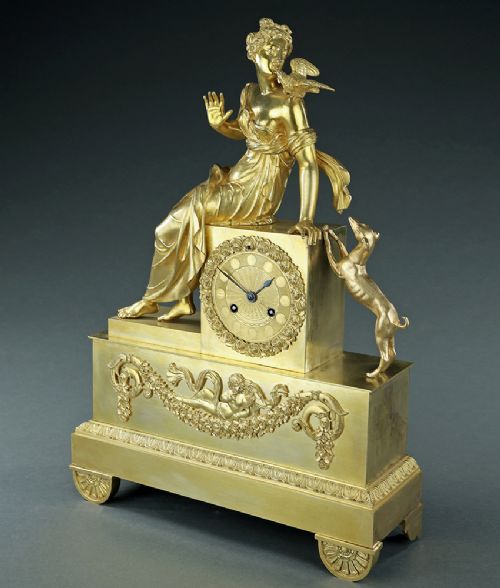
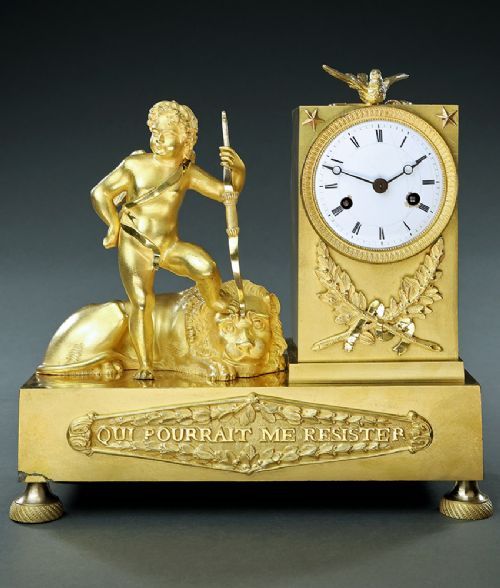
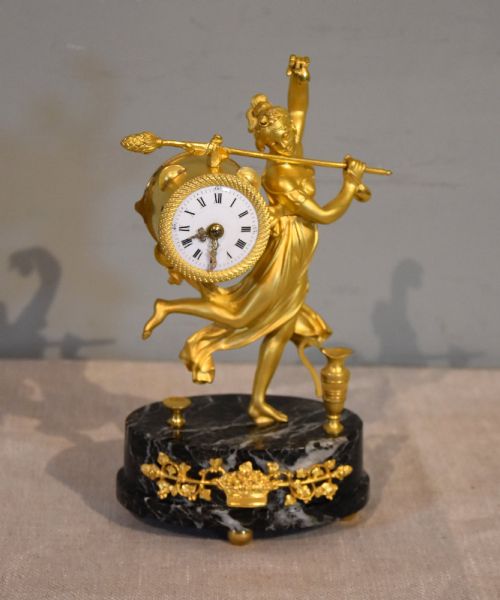
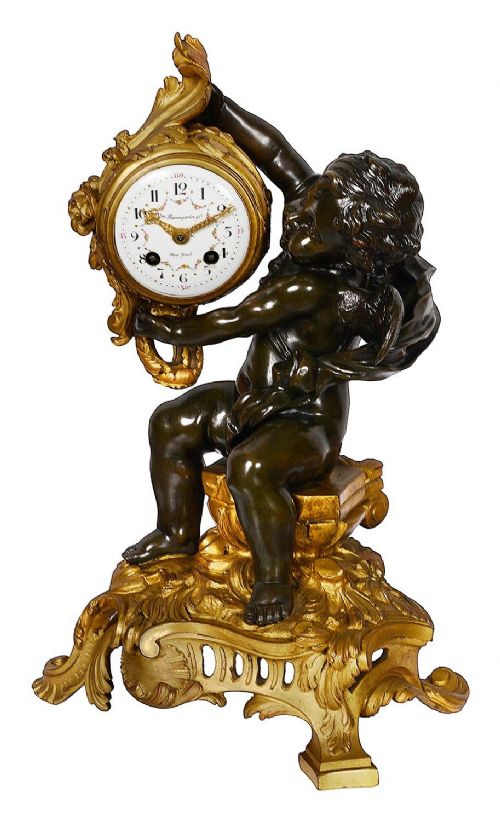
A gilded mantel clock brings nineteenth-century French and Victorian weight and polish to a room.
Gilded Mantel Clock
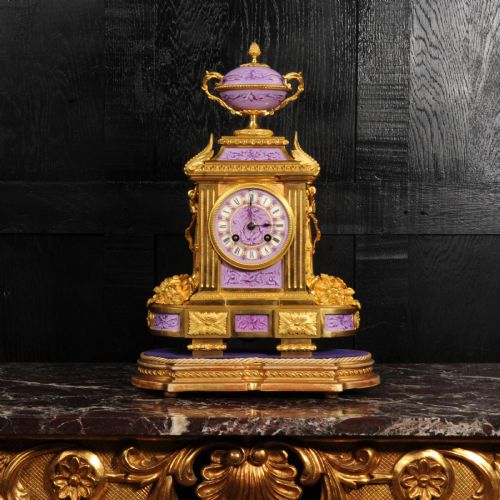
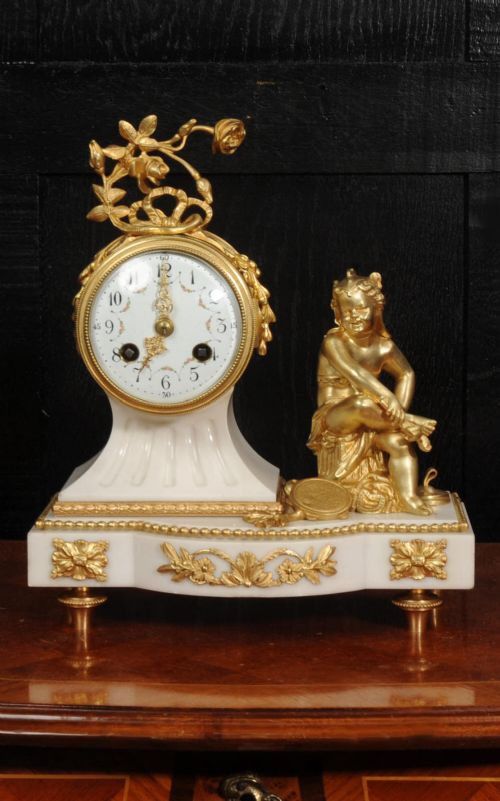
A gilded mantel clock is a striking or time-keeping domestic timepiece designed to sit upon a fireplace shelf or side table. When searching this phrase, a buyer encounters nineteenth-century pieces spanning the Victorian era and French periods from eighteen-fifty to nineteen-hundred.
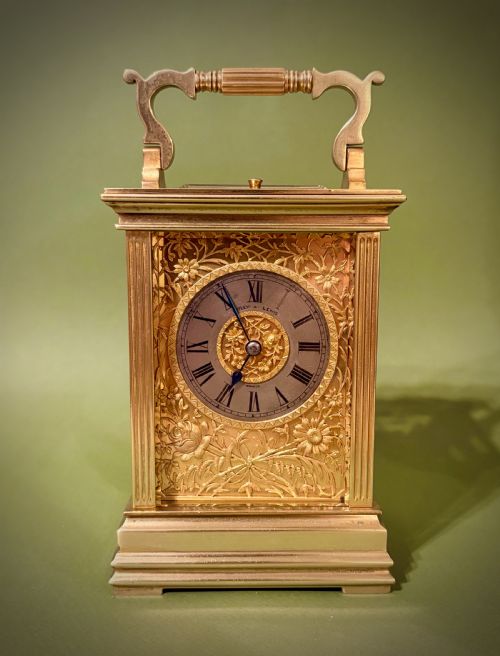
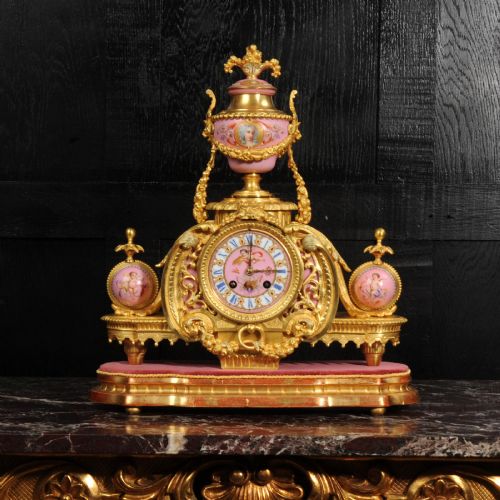
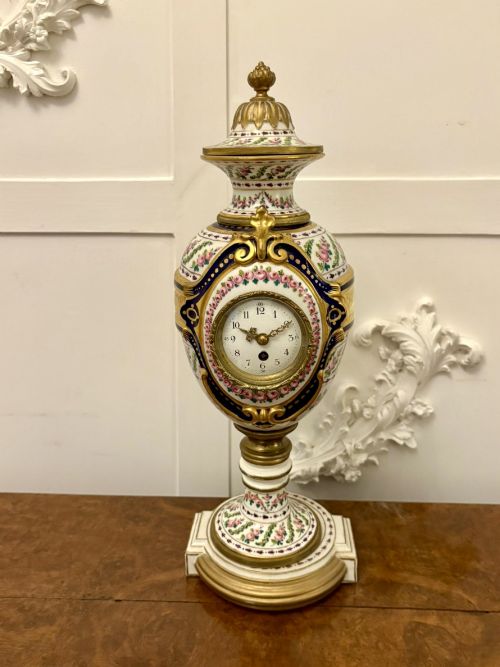
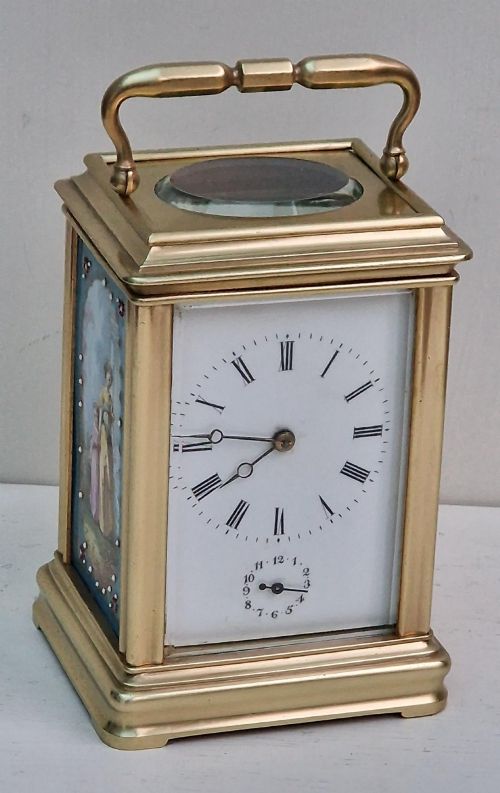
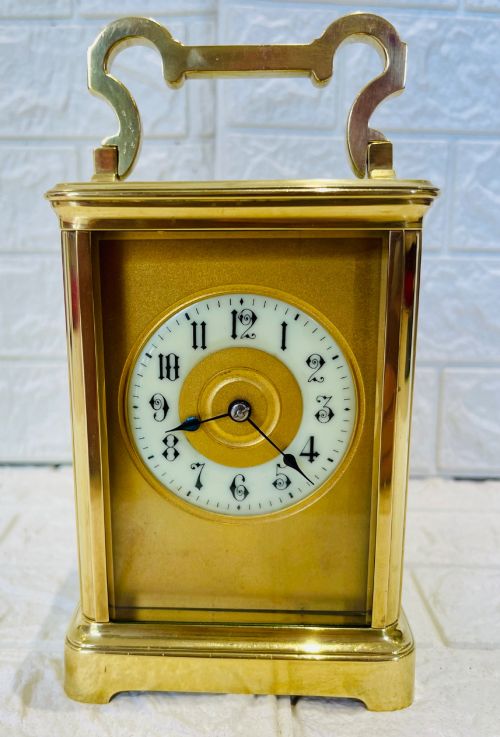
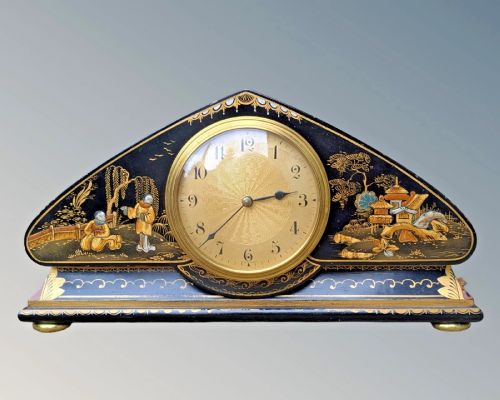
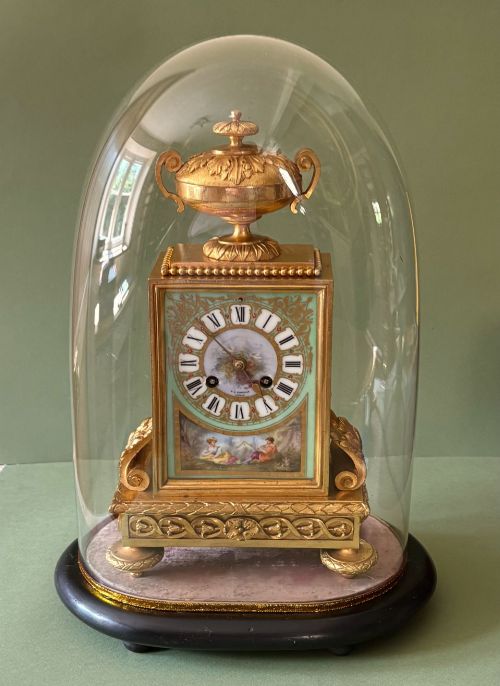
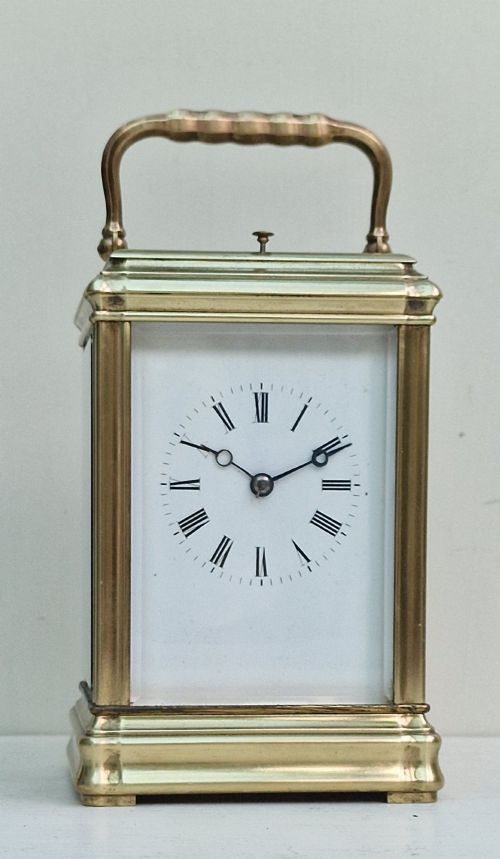
The common forms on this page include carriage clocks in brass or gorge cases, large portico clocks, and urn-shaped or porcelain-mounted mantel pieces. Many examples arrive paired with side garnitures or porcelain panels depicting pastoral scenes.
Most items originate from French workshops in Paris, with occasional English pieces by makers such as Viner of London. The visual language draws heavily on French Empire, Rococo Revival, and Neoclassical styles.
How they were made
These clocks rely on heavy metallic foundations of bronze, brass, or cast metal treated with mercury gilt or ormolu finishes. Foundries cast the mounts and cases with intricate botanical or figural ornamentation before applying fire gilding.
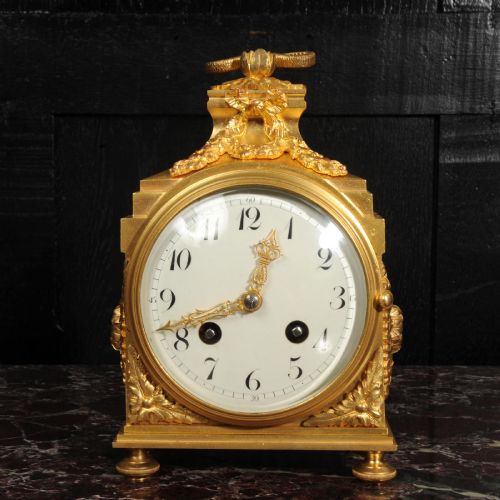
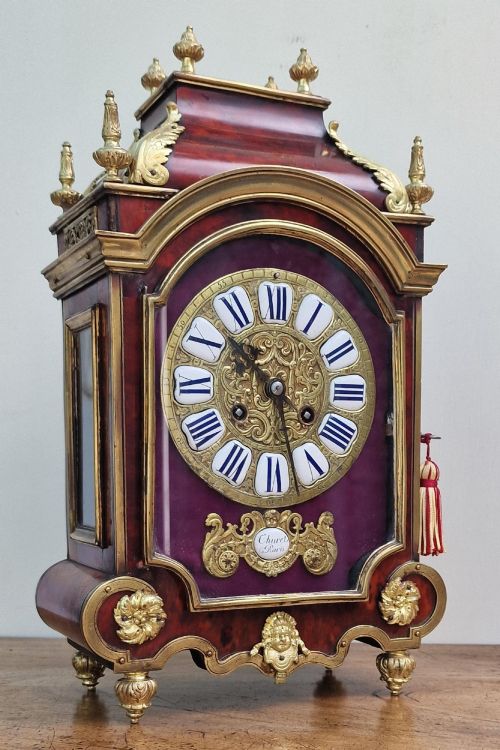
Dials frequently incorporate white enamel chapter rings with individual cartouches for the numerals, sometimes backed by Sèvres porcelain panels or set within glass four-glass cases. Movements are mechanical, employing eight-day spring or fusee mechanisms with rack striking or repeating complications.
Gilded Mantel Clock Retail Price Guide 2026
Typical asking prices for gilded mantel clock among the pieces listed under this phrase on Sellingantiques today, from the lower quarter to the upper quarter. They describe what is for sale here now, not the wider market.
The documented styles span French Empire, Neoclassical, and Rococo Revival, alongside Victorian interpretations.
What varies in quality
The integrity of the dial and the inclusion of signed movements by established makers elevate an example. Hand-painted porcelain panels and undamaged bevelled glass within carriage clock cases also distinguish superior pieces.
Achille Brocot·Japy Freres·Thuret Paris·Canaillor of Paris·Le Roy Paris·Margaine Of France·Philippes Paris·Berger Paris·Dupont of Paris·Rafard of Paris·Marti Paris·Viner of London
The Gilded Mantel Clock Glossary
- Ormolu
- Gilded bronze produced by applying a mixture of mercury and gold to a bronze base and heating it. This technique creates a durable, warm metallic lustre characteristic of nineteenth-century French pieces.
- Gorge case
- A stepped, pillared brass frame typical of better French carriage clocks. The design allows glass panels to be set securely into the housing.
- Garniture
- A set comprising a central clock flanked by matching decorative objects such as vases or urns. These groups were designed to sit symmetrically on a mantelpiece.
- Cartouche
- A small enamelled plaque bearing a numeral, pinned individually to the clock dial. These segments are common on nineteenth-century French enamel faces.
- Fusee
- A conical pulley used in clock movements to maintain even driving force as the mainspring unwinds. This mechanism improves timekeeping accuracy.
Gilded Mantel Clock: Frequently Asked Questions
How do I wind a mechanical mantel clock?
Use the appropriate key on the winding arbors found on the dial face, turning gently until resistance increases. Avoid over-winding to protect the internal spring.
Most nineteenth-century movements require attention every eight days, while platform escapement carriage clocks follow a similar routine.
Why does my clock run fast or slow?
Temperature changes and settling on an uneven mantelpiece affect the pendulum or balance wheel. Adjusting the small regulating square on the dial or movement usually corrects the beat.
Professional servicing is recommended if minor regulation fails to stabilise the timekeeping.
What is a carriage clock?
A portable mechanical timepiece created for travellers during the nineteenth century. These clocks feature protective brass or gorge cases with folding handles and glass panels.
Many examples include repeating mechanisms that chime the hours and quarters upon pressing a button on top.
How do I identify French and English clocks?
French clocks from this era commonly utilise ormolu mounts, enamel cartouche dials, and movements stamped by makers like Japy Freres or Leroy. English pieces frequently employ fusee movements housed in architectural wood or heavy bronze cases.
Stylistic cues such as Rococo curves or Empire classical figures also point toward French manufacture.