



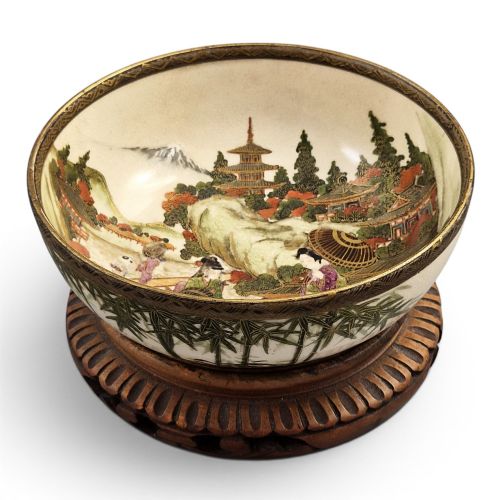
Gilded Japanese Dish
A gilded japanese dish brings the intricate hand-painted motifs and rich metallic accents of Meiji-era craftsmanship straight to a cabinet or wall display.
Gilded Japanese Dish
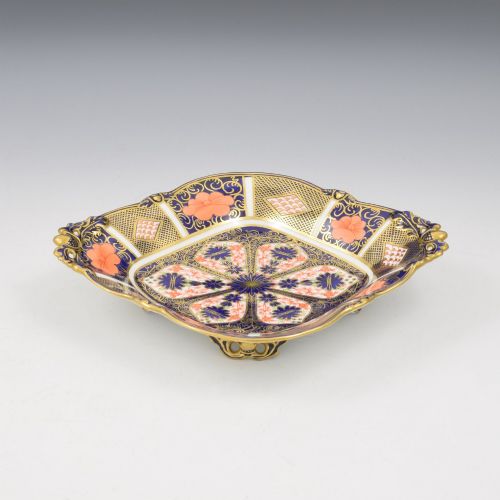
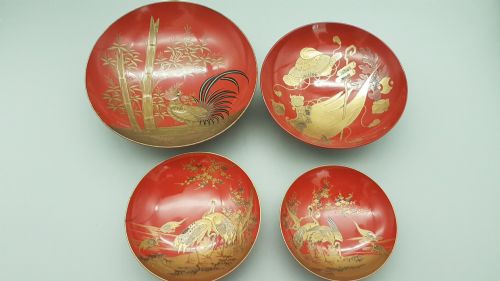
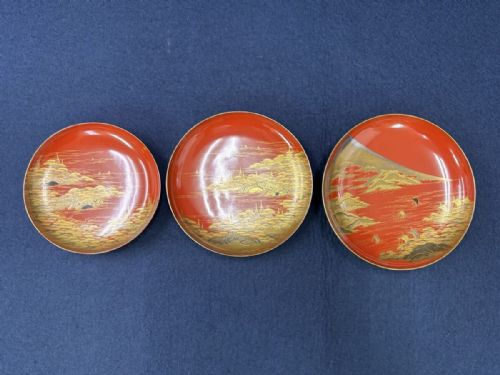
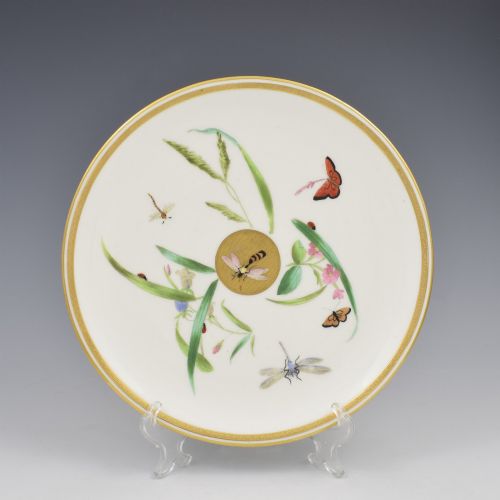
A gilded japanese dish encompasses a variety of decorative forms, ranging from large porcelain chargers and scalloped plates to shallow bowls and small lacquer sake cups. The selection here leans heavily towards nineteenth-century and early twentieth-century pieces produced during the Meiji and Taisho periods, alongside select British interpretations influenced by Japanese design.
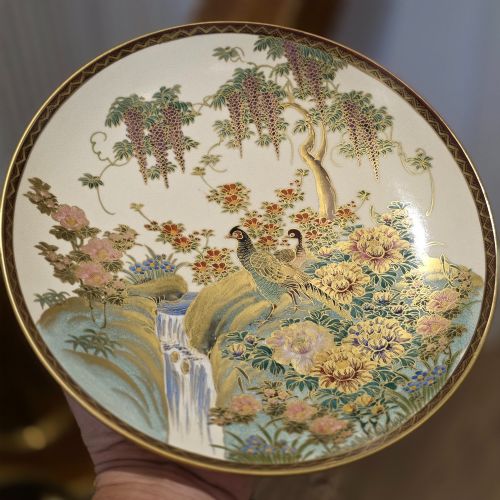
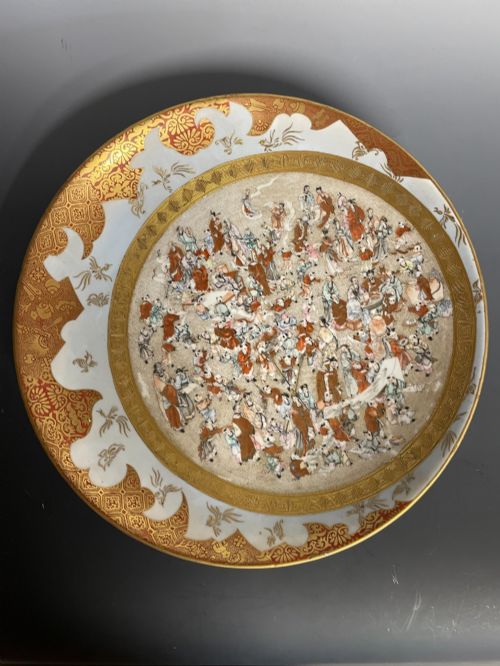
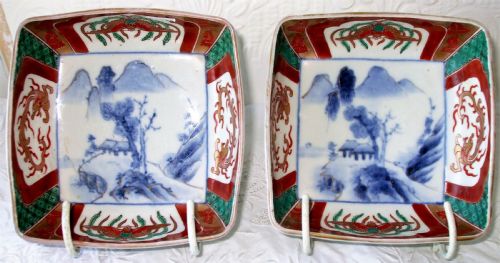
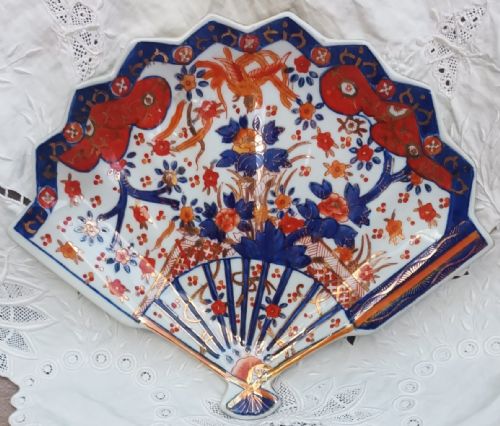
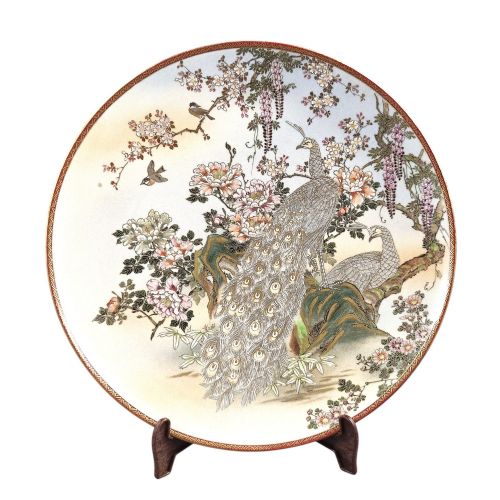
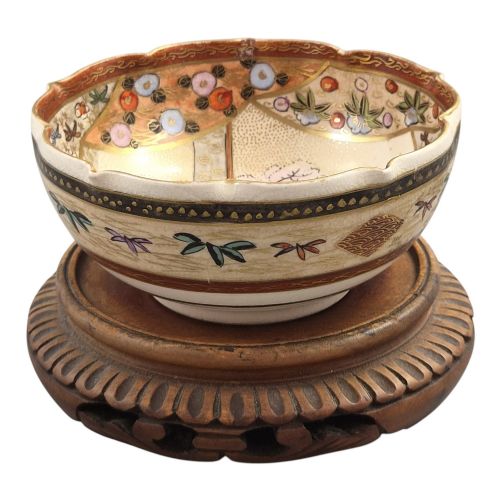
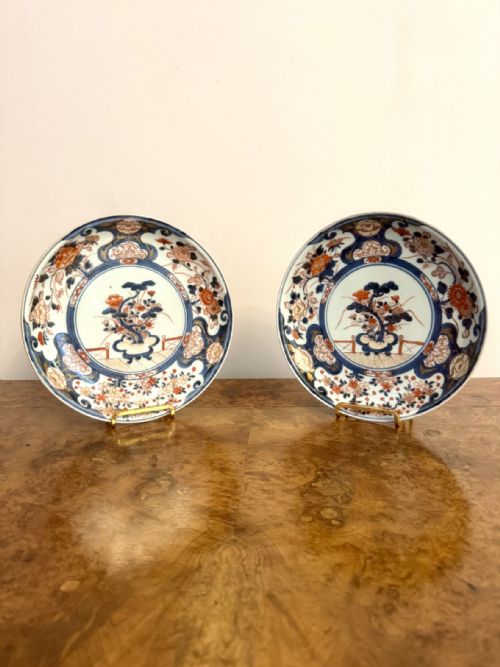
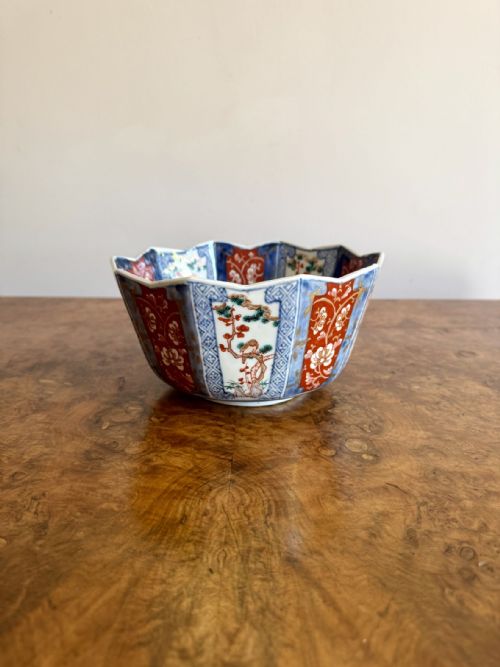
Buyers will encounter distinct regional styles, particularly vibrant Imari porcelain and finely detailed Satsuma earthenware. These objects served both as decorative works of art and functional vessels, often featuring intricate hand-painted floral, bird, and landscape motifs enriched with gold leaf or gilt detailing.
The assortment reflects diverse physical shapes, including traditional round plates, square trays, fan-shaped dishes, and shell-shaped vessels. Such variety ensures that collectors can find items suited for intimate table settings or substantial wall-mounted displays.
Materials and construction methods
Potters and artisans relied primarily on porcelain and earthenware as the foundational bodies for these plates, chargers, and bowls. Earthenware pieces, particularly those from Satsuma, often utilised a fine crackle-glaze that provided a textured base for subsequent enamelling and gilding.
Decoration involved meticulous hand-painting using enamel pigments combined with gold leaf or liquid gilding to highlight specific motifs like peacocks, wisteria, and peonies. Additionally, specialised pieces incorporated urushi lacquer combined with wood substrates for lightweight vessels such as sake cups.
The inventory includes items spanning the Victorian, Edwardian, Meiji, and Taisho periods.
Factors that define quality
The finesse of the hand-painted brushwork and the precision of the gilding separate standard production pieces from masterwork examples. Superior items display crisp, detailed depictions of natural scenes and human figures without blurring or misaligned enamel layers.
Artist signatures and workshop marks incised or painted on the base elevate certain bowls and chargers, indicating production by recognised makers from Kyoto, Yokohama, or specific historical kilns.
Koshida·Gyokkō·Kozan·Toshozan·Shuzan·Yasuda·Hododa
The Gilded Japanese Dish Glossary
- Imari
- A style of Japanese porcelain featuring a distinct palette of underglaze blue, iron red, and abundant gold highlights. It originated in the town of Arita and was widely exported to Europe.
- Satsuma
- A type of Japanese earthenware characterised by a yellowish, ivory-coloured crackle glaze that is typically decorated with polychrome enamels and rich gilding. It became immensely popular during the Meiji period.
- Meiji Period
- The era of Japanese history spanning from 1868 to 1912, marked by the opening of trade with the West and a surge in the production of highly detailed decorative arts.
- Urushi Lacquer
- A traditional natural varnish harvested from the lacquer tree, applied in multiple thin layers to wood substrates to create a durable, glossy surface often enhanced with gold dust.
- Kutani
- A style of Japanese porcelain known for its bold colour palettes, frequently incorporating green, purple, yellow, and red alongside heavy gold ornamentation.
Gilded Japanese Dish: Frequently Asked Questions
How do I distinguish Satsuma from Imari ware?
Satsuma ware is typically an earthenware body featuring an ivory crackle glaze decorated with enamel and gold. Imari ware uses a hard porcelain body painted predominantly in underglaze blue, iron red, and gilt.
Examining the underside and feeling the weight of the piece helps clarify the material differences between these two prominent styles.
Can these antique dishes be used for serving food?
Most antique decorative dishes and chargers from the nineteenth century are intended for display rather than daily dining. Historic glazes and delicate gold leaf can wear down with frequent use and washing.
Gentle dusting with a soft, dry cloth is the best way to maintain their appearance over time.
What does the Meiji period signify for these items?
The Meiji period represents an era of rapid modernisation in Japan when craftsmen refined porcelain and earthenware techniques specifically for international export. Pieces from this time often exhibit exceptional attention to detail.
Signed works from this window frequently attribute pieces to specific master artisans or prominent Kyoto workshops.
Where should I display a large charger plate?
Large chargers are ideally suited for wall mounting using specialised plate hangers or placement on sturdy wooden display stands inside cabinets. Their broad surfaces allow the intricate hand-painted motifs to be viewed fully.
Keeping them away from direct sunlight preserves the vibrant enamel colours and gold leaf highlights.