


Crackle Glaze Bowl
These crackle glaze bowl examples bring centuries of ceramic artistry to your home, offering a tactile depth that ordinary pottery simply lacks.
Crackle Glaze Bowl
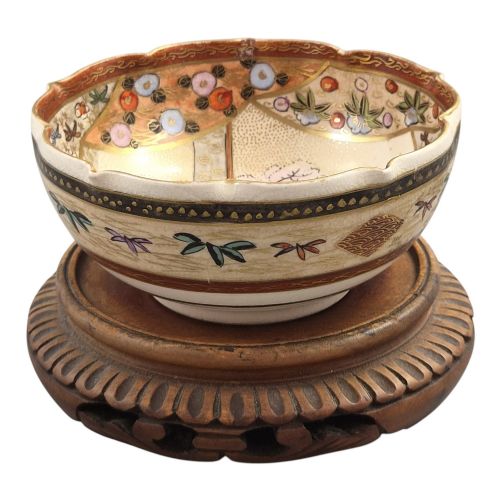
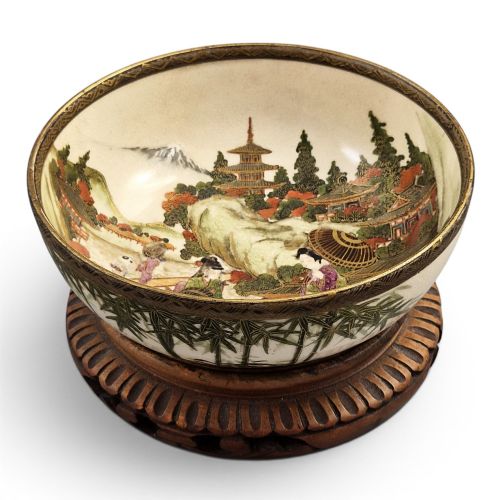
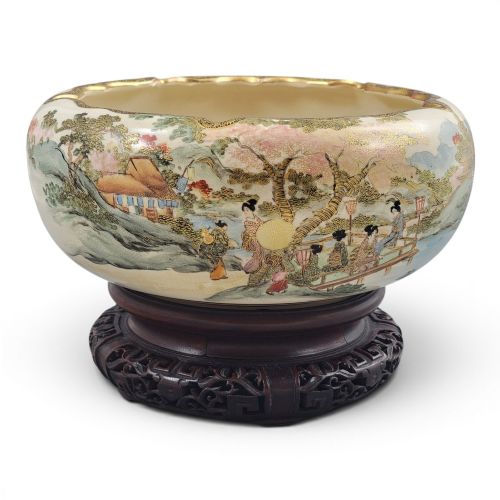
A crackle glaze bowl displays a network of fine decorative fissures across its surface, a deliberate aesthetic choice rather than a structural flaw. You will most frequently encounter Japanese Satsuma pieces from the Meiji period, alongside Chinese Qing Dynasty celadon and porcelain wares.
The forms range from sugar bowls and incense burners to large decorative dishes and twin fish dishes. These items bridge functional domestic use and high decorative art, originating from distinct periods including the nineteenth and early twentieth centuries.
Materials and Methods
The foundational bodies are shaped from earthenware and ceramic, providing a sturdy canvas for the intricate surface work. Artisans applied specialised glazes that contracted at different rates during cooling, producing the characteristic network of fine lines.
Many examples incorporate elaborate surface embellishments, utilising enamel, gold leaf, and gilt highlights to accentuate the refined forms. Skilled masters in Kyoto and regional studios signed their finished works, recording their authorship directly into the ceramic base.
The available listings demonstrate a strong representation of nineteenth-century Japanese Satsuma earthenware alongside eighteenth-century Chinese crackle-glazed porcelain.
Assessing Quality and Execution
The distinction between standard production and masterwork execution lies in the precision of the glaze contraction and the finesse of the hand-painted enamel details. Superior examples display a harmonious balance between the underlying network of crazing and the painted or gilded decorative schemes.
Signatures by renowned makers elevate the status of a piece, reflecting the high standards of specific studios and historical workshops. The integration of supplementary materials, such as gold leaf and rich cobalt blue pigment, distinguishes more ambitious artistic undertakings from everyday wares.
Shizan·Kinkozan·Shozan·Ryuzan
The Crackle Glaze Bowl Glossary
- Crackle Glaze
- A ceramic surface finish featuring deliberate microscopic fissures within the glassy top layer. This effect is achieved by manipulating cooling rates in the kiln.
- Satsuma
- A type of Japanese earthenware originating from Satsuma Province, traditionally characterised by an ivory-coloured crackled glaze. These pieces are frequently heavily decorated with polychrome enamels and gold.
- Celadon Glaze
- A jade-green ceramic glaze originating in China, prized for its resemblance to natural stone. It often complements the subtle network of crackles beneath the surface.
- Meiji Period
- A distinct era in Japanese history spanning from 1868 to 1912, noted for a surge in intricate decorative arts destined for export. Many Satsuma bowls date from this industrious creative epoch.
- Qing Dynasty
- The final imperial dynasty of China, lasting from 1644 to 1912, responsible for producing refined monochrome and crackle-glazed porcelains.
Crackle Glaze Bowl: Frequently Asked Questions
What causes the crackle effect in these bowls?
The crackle effect results from a tension mismatch between the ceramic body and the outer glaze layer during the firing and cooling process.
As the piece cools, the glaze contracts at a different rate than the underlying clay, creating a controlled web of decorative fissures.
How do I care for an antique crackle glaze bowl?
These delicate ceramic and earthenware pieces require gentle handling and should be washed by hand using mild soap when necessary.
Avoid exposing them to sudden thermal shocks, harsh abrasives, or prolonged moisture to protect the historic glaze and gilding.
How do I distinguish Satsuma ware from Chinese celadon?
Satsuma ware typically presents an opaque ivory earthenware body covered in a fine network of crackles and rich enamel painting.
Chinese celadon relies on a translucent jade-green glaze over a stoneware or porcelain body, focusing on subtle colour rather than painted decoration.
Were these bowls used for food or display?
While some forms like sugar bowls served functional domestic roles, many Satsuma and Qing Dynasty examples functioned primarily as decorative dishes or incense burners.
Their intricate gilding and delicate enamel work indicate they were valued as ornamental works of art rather than everyday tableware.