

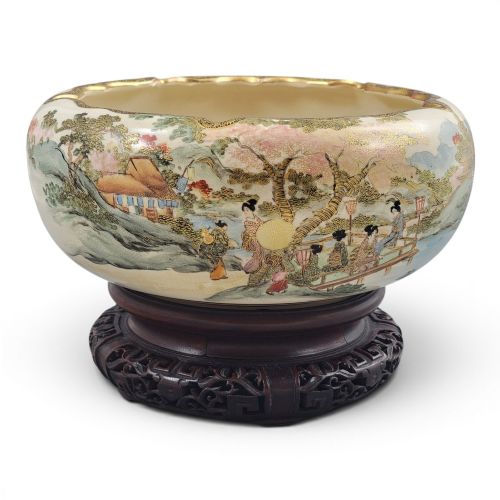


Vintage Japanese Bowl
These vintage japanese bowl selections span centuries of craftsmanship, offering striking decorative presence and traditional utility for the home.
Vintage Japanese Bowl
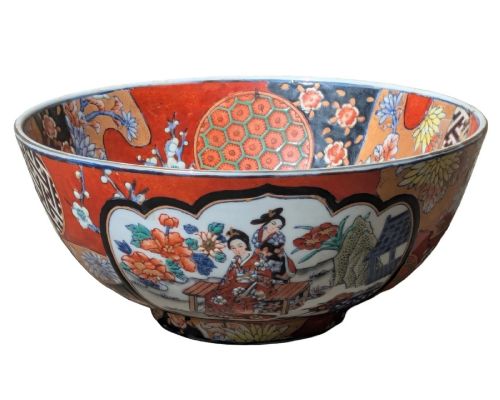
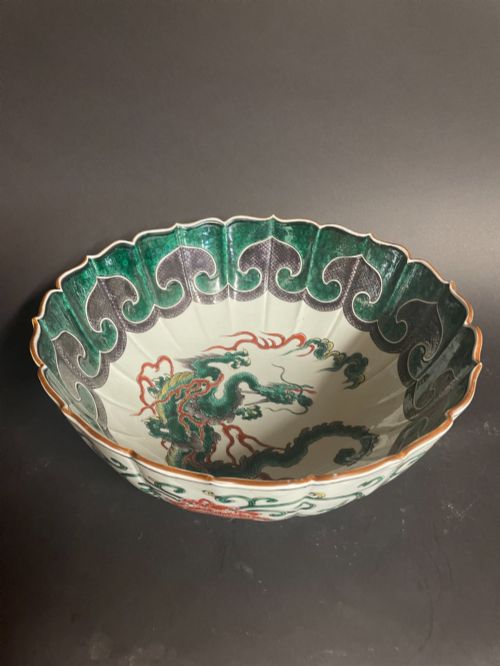
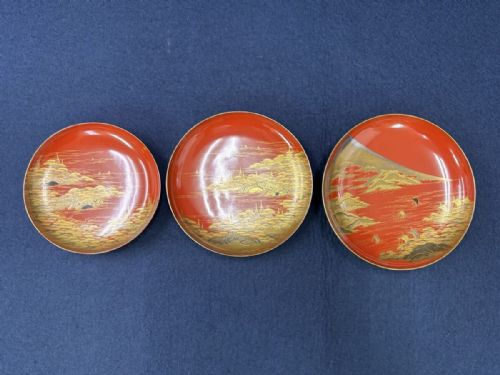
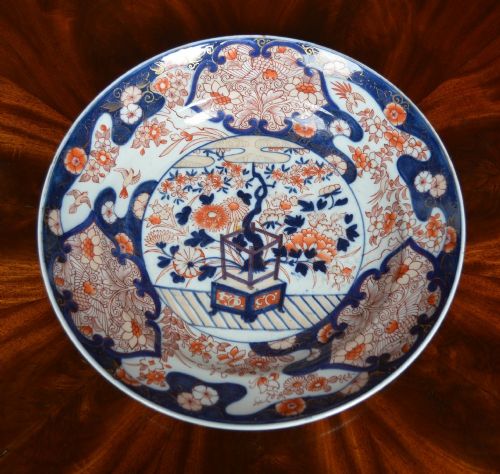
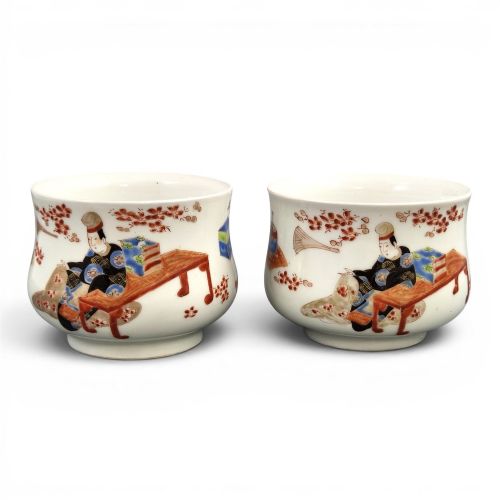
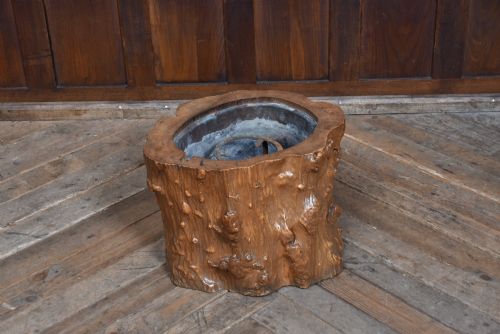
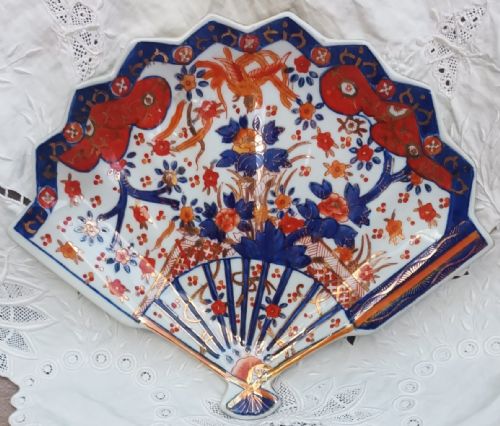
A vintage japanese bowl search brings together diverse vessels ranging from large decorative Imari porcelain pieces to delicate lacquer sake cups and heavy earthenware hibachi. Most examples on this page date from the Edo period through the Meiji period and into the early twentieth century, reflecting varied domestic and ceremonial uses.
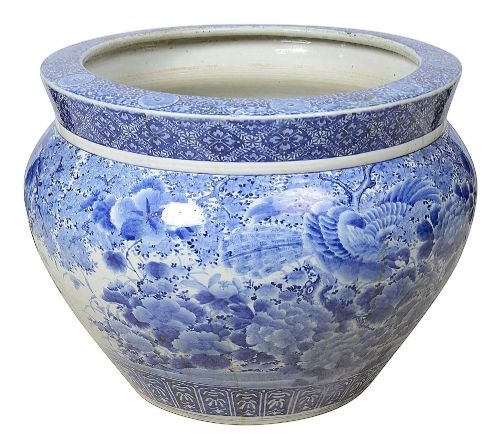
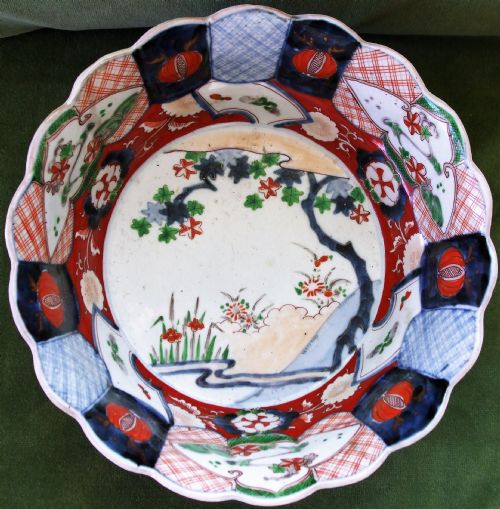
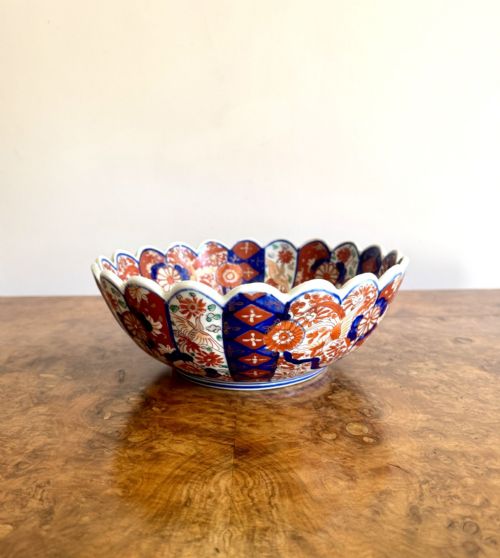
Buyers will encounter scalloped edge porcelain bowls alongside blue and white garden planters, Satsuma earthenware vessels, and cloisonne enamel chargers. These objects demonstrate the breadth of historic Japanese ceramic and metalwork traditions available to collectors.
Forms vary from small tea cups and shallow dishes to monumental jardinieres and pedestal bowls. Each item carries distinct regional characteristics tied to kilns in Arita, Kyoto, and surrounding production centres.
How they were made
Potters shaped porcelain and ceramic bodies by hand or on the wheel before applying cobalt underglaze, enamel pigments, and gold leaf highlights. Firing took place in wood-fuelled climbing kilns that imparted subtle variations in surface texture and glaze pooling.
Metal vessels utilised copper bases combined with intricate wirework and enamel pastes for cloisonne pieces, while wooden items employed dense native timbers joined and finished with natural lacquer layers.
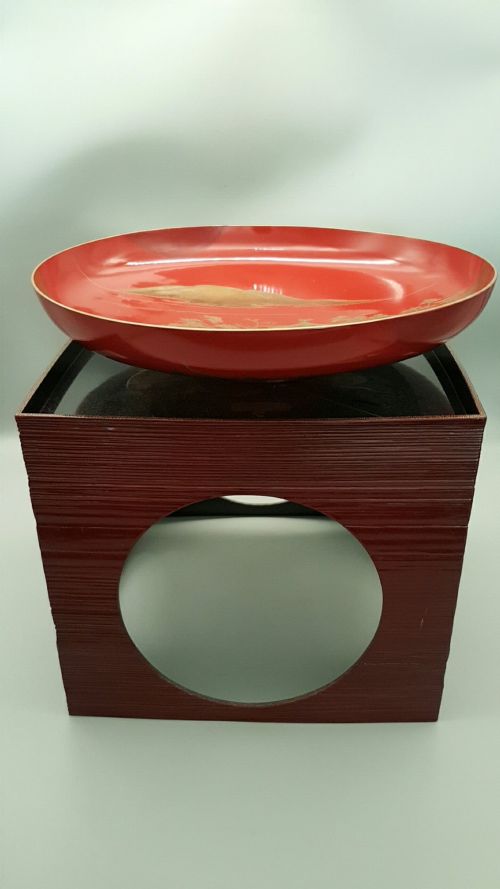
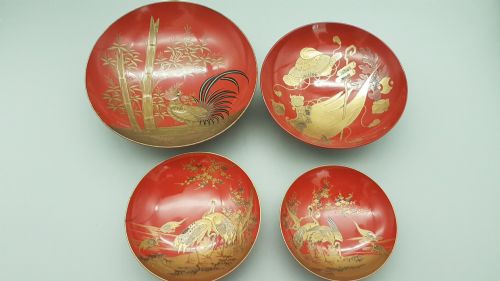
Several lacquer sake cup sets preserve tiny painted vistas of Mount Fuji that reward close inspection with a magnifying glass.
What varies in quality
Quality rests upon the precision of the hand-painted detailing, the clarity of the cobalt underglaze, and the richness of the enamel and gold leaf application. Finer pieces display balanced composition and steady brushwork across complex pictorial scenes.
The physical weight of the porcelain body, the crispness of moulded edges such as scallop shapes, and the preservation of delicate surface finishes distinguish standard domestic ware from masterwork productions.
Shizan·Kinkozan·Ginshōtei Gyokushi·Roberts and Belk
The Vintage Japanese Bowl Glossary
- Imari
- A traditional style of Japanese porcelain decorated in underglaze blue, iron red, and gold. It originated in the Hizen province and gained high popularity in European export markets.
- Meiji Period
- The era in Japanese history lasting from 1868 to 1912, associated with rapid modernisation and the widespread export of decorative arts. Pieces from this time often feature elaborate pictorial designs.
- Cloisonne
- A decorative metalwork technique where enamel paste is applied within compartments created by soldered wire filigree. The piece is then fired and polished to a smooth finish.
- Satsuma
- A type of Japanese earthenware featuring a crackled ivory glaze and detailed polychrome enamel paintings often enriched with gold. Many Satsuma vessels were produced specifically for international exhibition.
- Edo Period
- The period of Japanese history spanning from 1603 to 1868 under the rule of the Tokugawa shogunate. Works from this era display distinct traditional motifs and restrained forms.
Vintage Japanese Bowl: Frequently Asked Questions
What is the Meiji period?
The Meiji period spans the reign of the Emperor Meiji from 1868 to 1912. It represents an era of significant social change and an explosion of fine decorative arts destined for Western markets.
Items from this timeframe frequently exhibit extraordinary technical skill in ceramics, lacquer, and cloisonne enamel work.
How were these bowls used historically?
Historic Japanese bowls served both functional roles in daily dining and ceremonial purposes such as tea preparation and sake drinking. Larger vessels functioned as garden planters, hibachi heating containers, or decorative display pieces.
The scale and material choice directly reflected the intended domestic or ritual context within traditional households.
Are these pieces safe for food?
Antique ceramics from the Edo and Meiji periods were manufactured primarily for display, ritual use, or historical dining practices rather than modern culinary standards. Many older glazes and enamel decorations contain materials unsuited for daily food consumption.
Collectors generally treat these vintage items as decorative display pieces or collectables to preserve their historic surfaces.