


Gilded Frame Portrait Painting
A gilded frame portrait painting brings centuries of aristocratic presence and masterly portraiture directly to your interior walls.

Gilded frame portrait paintings
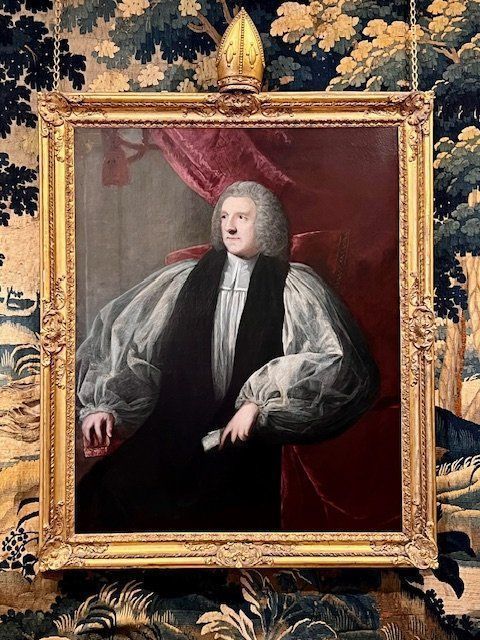
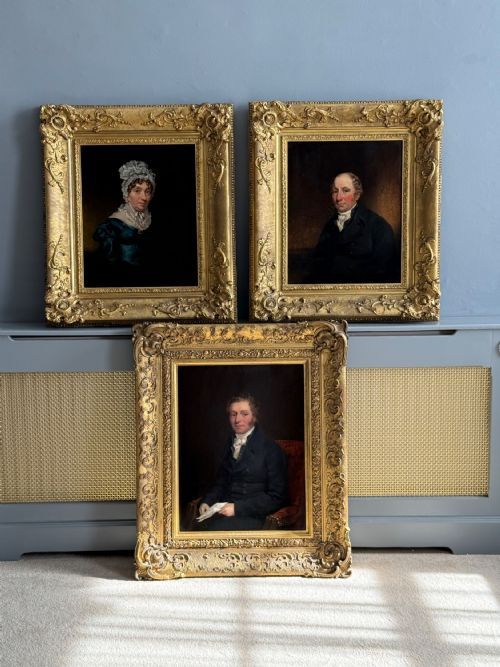
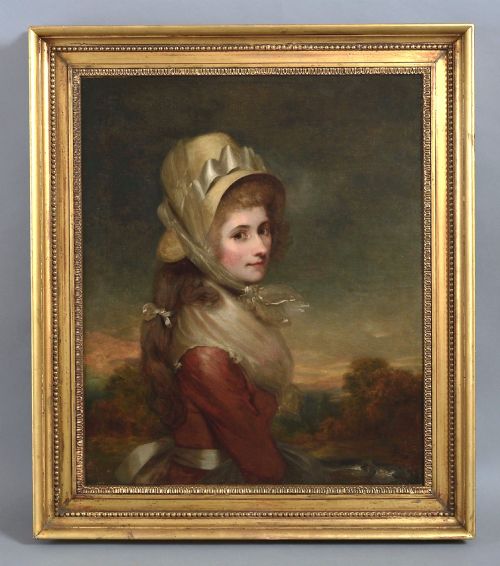
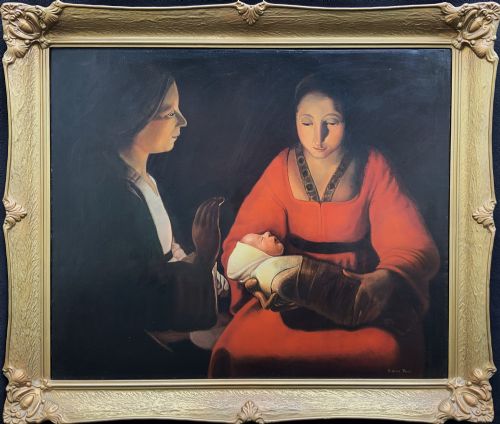
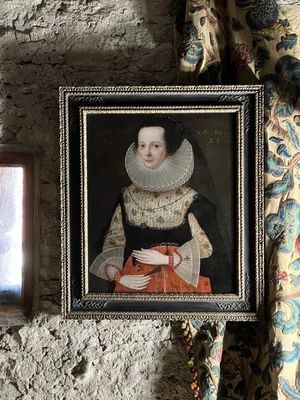
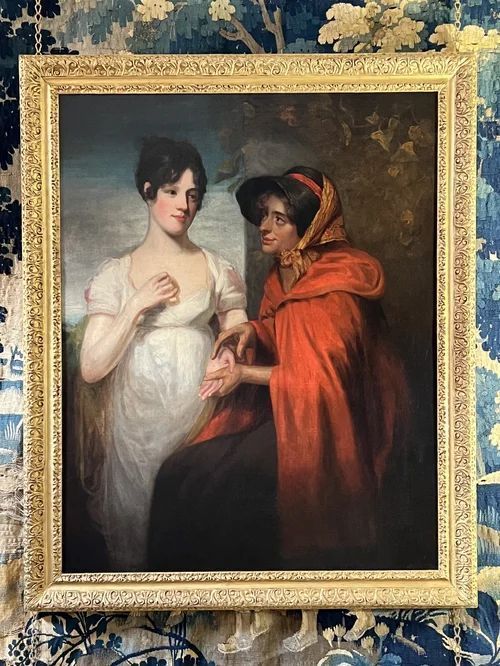
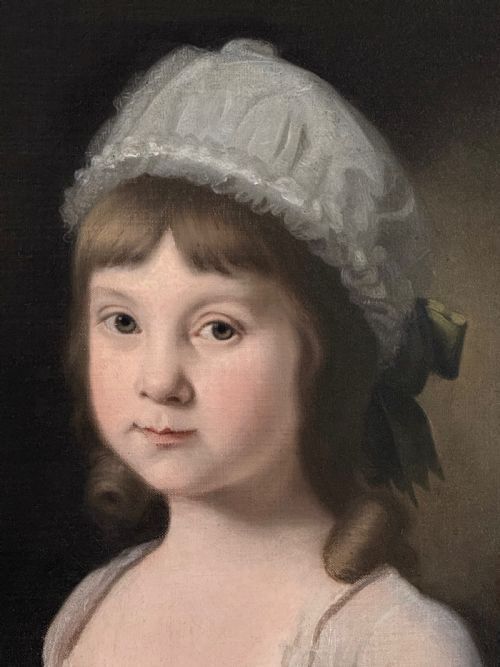
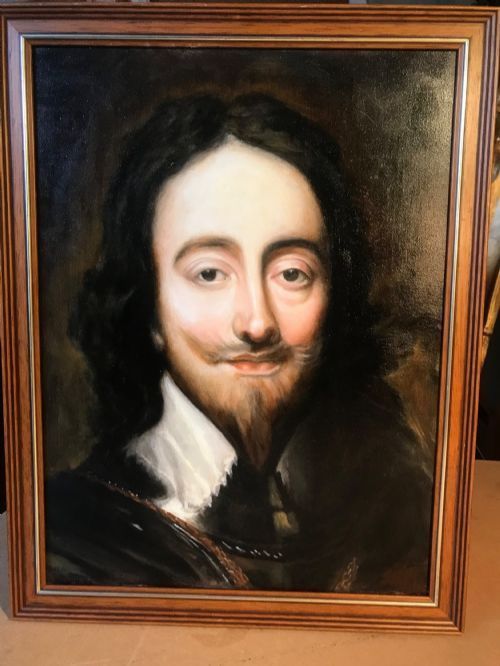
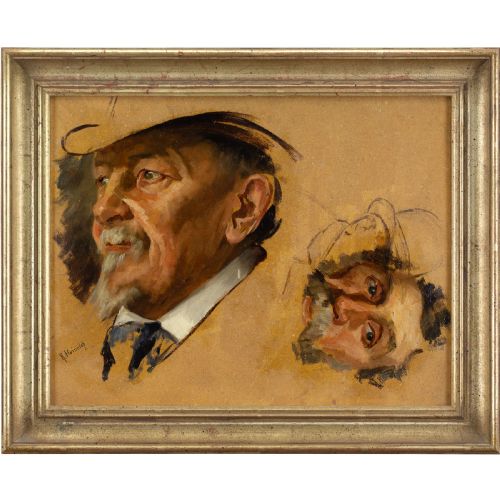
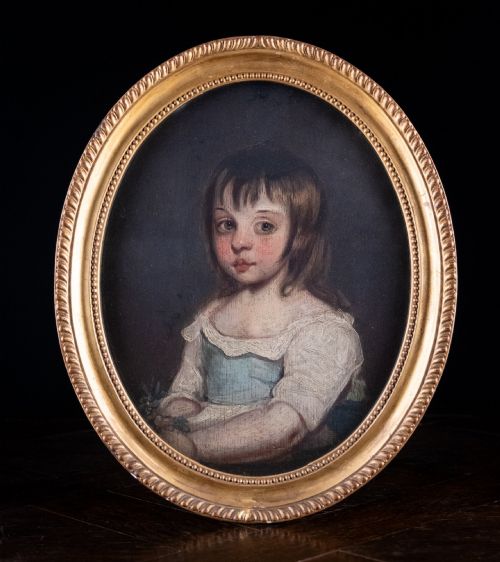
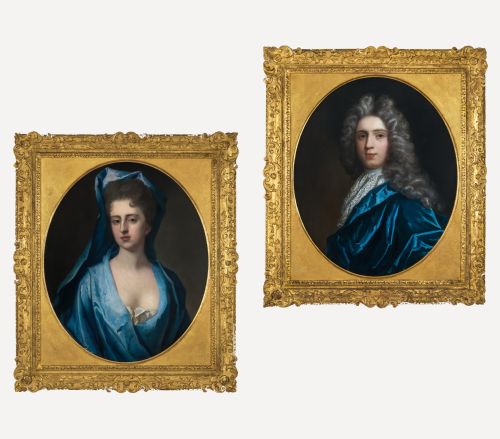
A gilded frame portrait painting captures historic sitters from the seventeenth, eighteenth, and nineteenth centuries, alongside mid-twentieth century copies and interpretations. You will encounter works originating from British, Spanish, and Italian schools, depicting named baronets, ladies, and anonymous subjects.
The format centres on oil paint applied to canvas, housed within ornate wooden surrounds highlighted in gold leaf and gilt wood. These pieces range from grand Baroque group portraits to intimate individual studies.
Early Georgian and British Baroque examples dominate the selections, offering a glimpse into historic portraiture traditions executed by established painters and regional schools.
Materials and construction
Artists built these works using oil paint on stretched canvas supported by wooden frames. The supporting structures utilise timber carved into intricate mouldings.
Finishing techniques rely on the application of gold leaf or gilt wood to the wooden frames, providing a reflective border that complements the pigments of the oil paintings.
Retail Price Guide 2026
Typical UK retail prices for gilded frame portrait painting, calculated from the Sellingantiques database of over a million retail prices indexed since 2003. This retail price guide relies exclusively on Sellingantiques data; no external sources or auction records are used, so the figures do not describe the wider market.
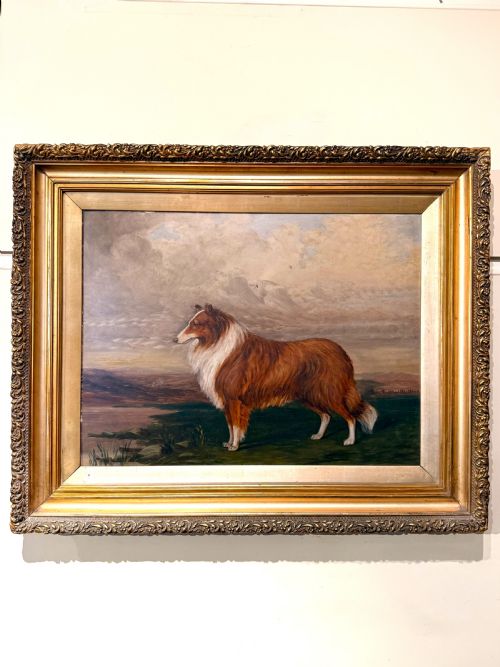
Subjects range from aristocratic ladies and nobility to blue chow dogs and allegorical figures like sibyls.
Assessing quality
The preservation of the original gilt wood and gold leaf surface significantly influences the overall character of the piece. Subtle modulation in the oil paint and vigorous carving distinguish superior examples from standard workshop productions.
Michael Dahl·Thomas Murray·James Maubert·John Horsburgh·John Theodore Heins·Pierre Mignard·Sir Godfrey Kneller·John Closterman
The Gilded Frame Portrait Painting Glossary
- Oil on canvas
- A traditional painting medium where pigments suspended in oil are applied to a woven fabric support. This combination allows for rich colour blending and lasting durability.
- Gilt wood
- Timber treated with a thin layer of gold leaf or metallic powder to achieve a lustrous golden finish. It provides the primary decorative housing for historical portraits.
- Baroque
- An artistic style spanning the seventeenth and early eighteenth centuries, characterised by drama, rich detail, and deep chiaroscuro. British and Italian variations appear frequently in portraiture.
- School
- A designation used when a painting originates from the circle or followers of a particular master rather than being directly signed by the artist. It links unsigned works to a recognised tradition.
Frequently Asked Questions
How do I hang a heavy framed painting?
These works require secure wall anchors fixed directly into masonry or wall studs to support the weight of timber and canvas.
Position the piece at eye level to replicate the viewing conditions intended for historic portraiture.
Are these portraits original period pieces?
The selection includes seventeenth, eighteenth, and nineteenth-century works alongside later twentieth-century copies.
Check the listed period and attribution details for each individual canvas to verify its exact age.
How should I clean a gilded frame?
Dust the carved wooden surfaces gently with a soft, dry brush to prevent accumulation without disturbing the gold leaf.
Avoid liquid cleaners or moisture, which can damage historic gilt finishes.
What do school attributions mean?
A designation like Italian School or English School indicates a work produced within a specific regional tradition during a particular era.
These pieces reflect the stylistic conventions of prominent masters without bearing an individual signature.