



Gilded Footed Bowl
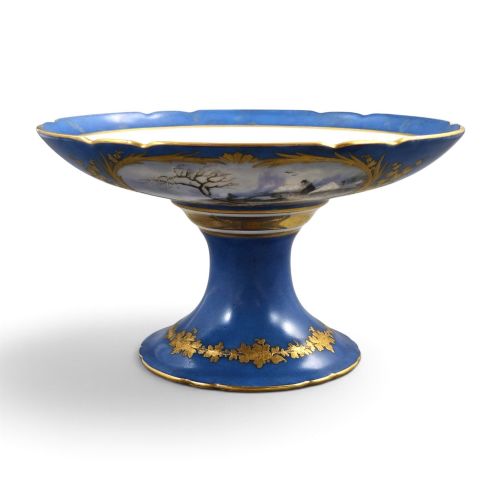
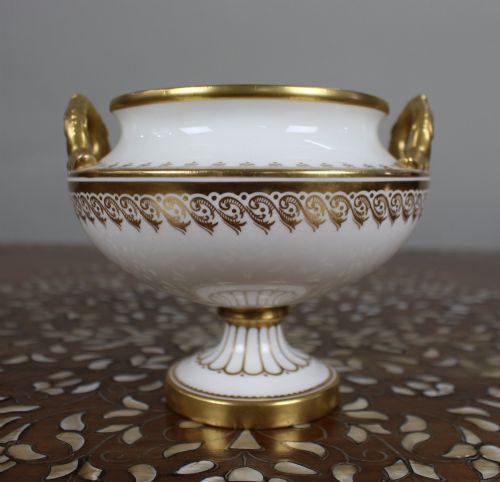
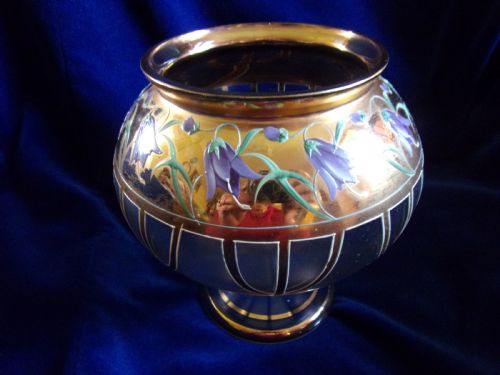
A gilded footed bowl brings golden light and height to a table, combining ceramic or glass craft with elevated display.
Gilded Footed Bowl
When you search for a gilded footed bowl, you encounter raised vessels designed for display, service, and centrepiece placement. The pieces on this page span pedestal bowls, comports, tazzas, and tripod bowls from various historical periods.
The nineteenth century provides a strong presence here, alongside pieces from the Edwardian, Art Nouveau, and Art Deco eras. You will find porcelain, glass, crystal, and ironstone forms raised upon feet or pedestals, often finished with extensive gilding.
Origins stretch across English, French, and Japanese workshops, encompassing works by makers such as Wedgwood and Rousseau alongside unmarked pieces. These raised vessels function as decorative dishes, fruit bowls, and centrepieces.
What varies in quality
Quality rests upon the crispness of the modelling, the depth and execution of the hand-applied gilding, and the integrity of the enamel work. Superior examples demonstrate confident brushwork, balanced proportions, and careful integration of the foot or pedestal to the bowl.
The fineness of the porcelain body or the clarity of the crystal glass dictates the baseline of refinement. Pieces bearing distinct artistic signatures or specific factory attributions show greater ambition in their design and execution.
Listings span porcelain, crystal, and ironstone materials, with periods reaching from the eighteenth century through to the art deco era.
Wedgwood·Royal Worcester·Moser·Baccarat·François-Eugène Rousseau·Mason·Samson·St Louis glassworks
The Gilded Footed Bowl Glossary
- Tazza
- A shallow bowl or cup mounted on a stem and foot, used historically for serving fruit or wine.
- Comport
- A decorative stand or pedestal bowl designed for holding fruit or sweetmeats on a dining table.
- Lustre Glaze
- A metallic ceramic glaze that produces an iridescent sheen through the reduction of metal oxides during firing.
- Gilding
- The application of gold leaf or powdered gold to the surface of porcelain, glass, or metal objects.
- Tripod Bowl
- A vessel elevated upon three distinct feet or supports, often seen in Japanese Imari porcelain.
Gilded Footed Bowl: Frequently Asked Questions
What is a footed bowl used for?
These elevated vessels primarily served as centrepieces, fruit bowls, or decorative dishes for display on dining tables and sideboards.
In period settings, they held fruit, sweetmeats, or floral arrangements, adding height and reflective golden light to the room.
How do I identify a nineteenth-century piece?
Nineteenth-century examples often display Victorian, Neoclassical, or early Art Nouveau stylistic traits, combined with hand-applied gilding on porcelain or glass.
Examining the underside for factory marks, paste consistency, and the wear patterns of the foot rim helps confirm the period of manufacture.
Are these bowls safe for food use?
While many pieces were originally made for domestic service, antique gilding and enamel work require careful handling and gentle washing.
Most collectors today use these fragile ceramic and glass bowls primarily for decorative display rather than daily dining service.