


Oriental Dragon Bowl
These oriental dragon bowls span centuries of skilled craftsmanship in porcelain, bronze, brass, silver, enamel and jade.
Oriental Dragon Bowl
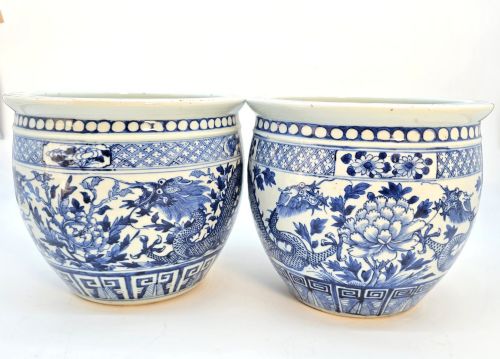
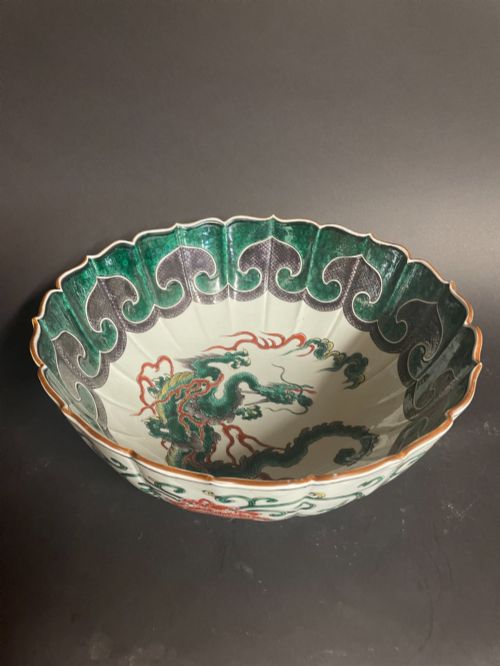
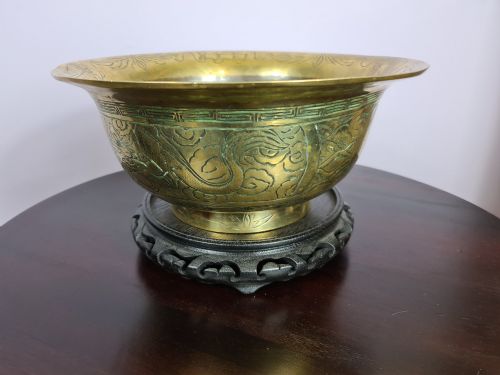
An oriental dragon bowl brings together traditional forms and mythical iconography across diverse decorative objects found within this selection. You will encounter everything from large jardinieres and chargers to smaller brush washers and incense burners.
The pieces on this page originate from Chinese, Japanese and British workshops, spanning the eighteenth century through to the early decades of the twentieth century. Porcelain vessels and metal castings dominate the available forms, often featuring distinct cultural stylistic traits.
Vessels carrying the oriental dragon bowl description frequently incorporate specific motifs such as the Qing Dynasty designs, Japanese Meiji period details or later Art Nouveau interpretations. Each form serves a different decorative or practical purpose within the home.
Materials and production methods
Potters and metalsmiths shaped these pieces using ceramic, porcelain, bronze, brass, silver and jade, applying techniques appropriate to each medium. Enamel and lustre glaze applications frequently add colour and surface texture to the porcelain and metal bodies.
Metal vessels such as bronze and brass bowls involve casting methods, sometimes finished with detailed chasing or cloisonne enamel work. Ceramic examples utilise traditional throwing or moulding techniques before receiving hand-painted underglaze or overglaze decoration.
Recorded styles include Qing Dynasty, Meiji Period, Chinese Export, Chinoiserie and Art Nouveau.
Assessing quality and execution
The finesse of the dragon motif separation from the background determines the visual impact of an oriental dragon bowl. Highly detailed engraving on metal or precise brushwork on porcelain separates finer items from simpler production pieces.
Weight, material density and the crispness of casting or potting contribute substantially to the overall quality of these vessels. Signed pieces and those bearing period character marks or specific maker attributions generally reflect higher levels of workshop standard.
Daisy Makeig Jones Wedgwood
The Oriental Dragon Bowl Glossary
- Cloisonne
- Enamelling technique where thin metal wires form compartments on a metal base to hold coloured paste before firing.
- Jardiniere
- A large ornamental pot or bowl designed to hold plants or flowers.
- Brush washer
- A small basin historically used in East Asian calligraphy for cleaning brushes.
- Celadon
- A pale green jade or ceramic glaze imitating the colour of jade.
- Doucai
- A Chinese porcelain technique combining underglaze blue outlines with overglaze enamels.
Oriental Dragon Bowl: Frequently Asked Questions
What are oriental dragon bowls made from?
The pieces span porcelain, ceramic, bronze, brass, silver, enamel and jade materials. Each substance dictates the weight and manufacturing technique of the individual vessel.
Metal examples often utilise bronze or brass casting, whilst ceramic items employ traditional pottery methods finished with glazes or enamel.
How are these bowls used today?
Collectors display these items as decorative centerpieces, jardinieres for plants, or standalone sculptural objects on tables and shelves.
Smaller vessels such as brush washers and incense burners function well as desk accessories or small display pieces.
How do I distinguish Chinese from Japanese pieces?
Chinese pieces often reference dynastic periods such as the Qing era, employing specific stylistic motifs and mark traditions.
Japanese items frequently reflect the Meiji period or earlier Edo influences, showing distinct aesthetic approaches in metalwork and porcelain decoration.
What periods do these bowls come from?
The selection includes items dating from the eighteenth century through to the early twentieth century, including Victorian and Art Nouveau eras.
Many pieces originate from the late nineteenth century and the decades leading up to nineteen thirty.