

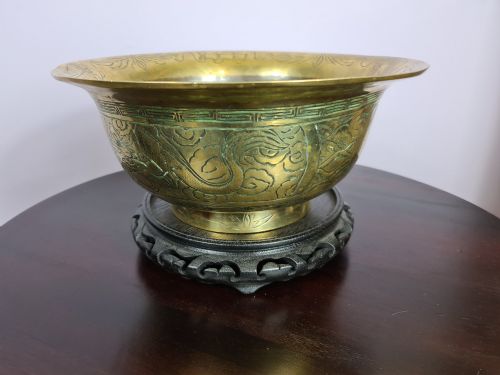


Antique Chinese Motif Bowl
An antique chinese motif bowl brings centuries of heritage to your table, combining traditional craftsmanship with enduring decorative appeal.
Antique Chinese Motif Bowl
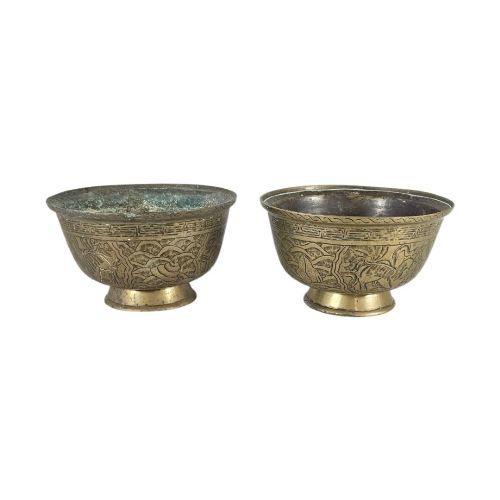
An antique chinese motif bowl represents a diverse grouping of vessels spanning multiple dynasties and centuries, from delicate porcelain dishes to heavy bronze and brass ritual forms.
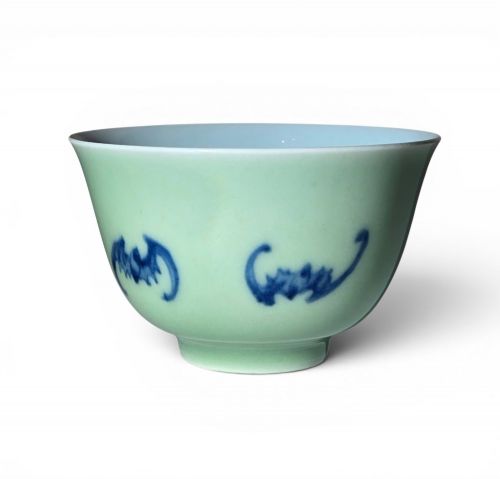
The pieces on this page encompass various styles including Qing Dynasty, Ming Dynasty, and Chinese Export, often featuring hand-painted cobalt blue designs, celadon glazes, and intricate motifs.
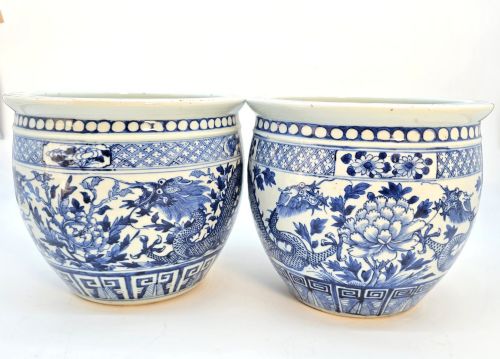
Buyers will encounter functional teaware, deep saucer-dishes, large jardinières, and ceremonial bronze vessels that reflect the rich artistic history of Chinese material culture.
How they were made
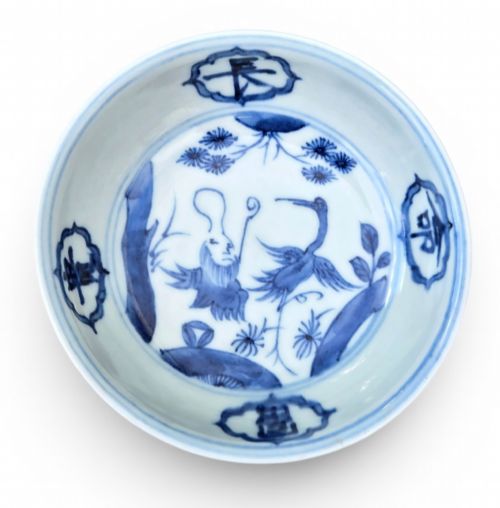
The physical construction relies heavily on porcelain fired with cobalt underglaze, alongside cast bronze and brass finished with enamel and cloisonné techniques.
Potters and metalworkers employed intricate hand-painting, incised carving beneath glazes, and detailed metal inlay to create complex botanical, animal, and symbolic motifs.
Listings span from the 17th century through the early 20th century, utilising materials like porcelain, bronze, brass, and enamel.
What varies in quality
Quality separates through the crispness of the hand-painted motifs, the purity and depth of the cobalt underglaze, and the weight and precision of the bronze or porcelain body.
The refinement of the incised details, such as phoenix and peony designs, and the balance of the overall form distinguish finer examples from standard production pieces.
The Antique Chinese Motif Bowl Glossary
- Cobalt Underglaze
- A blue pigment applied to ceramic bodies before glazing and firing at high temperatures. This technique produces deep, permanent hues that remain sharp under the glossy surface.
- Cloisonné
- A metalwork technique where enamel paste is applied within compartments defined by soldered wire strips. The piece is then fired and polished to a smooth finish.
- Celadon
- A pale green jade-like glaze originating in China. It is achieved through iron oxide in the glaze mixture reacting during a reduction firing.
- Jardiniere
- A large ornamental pot or bowl designed to hold plants or flowers. These vessels often feature heavy proportions and decorative exterior motifs.
- Archaistic
- A style in later Chinese art that deliberately mimics the forms, decorations, and patinas of ancient ritual bronzes from earlier dynasties.
Antique Chinese Motif Bowl: Frequently Asked Questions
How are antique Chinese motif bowls dated?
Dating relies on stylistic characteristics, material composition, and any reign marks present on the base of the vessel. Comparing the potting technique and glaze type against known examples helps establish the correct period.
Changes in cobalt pigment tones and casting methods across centuries also provide reliable clues for period attribution.
What motifs appear on these bowls?
Common decorations include birds, lotus flowers, dragons, bats, phoenixes, and figures such as Shoulao and cranes. These symbols traditionally convey wishes for longevity, prosperity, and good fortune.
The arrangement of motifs often reflects the specific dynasty and the intended ritual or decorative function of the vessel.
Can these bowls be used daily?
While durable porcelain and bronze items were historically used for food, drink, or ritual offerings, older pieces require careful handling. Many collectors prefer to display them rather than subject them to modern wear.
Gentle hand washing without abrasive cleaners preserves the delicate glazes and historical surface patinas.
What is the difference between porcelain and bronze bowls?
Porcelain bowls are ceramic vessels fired from fine clay, celebrated for translucent bodies and painted blue or green glazes. Bronze bowls are metal castings prized for substantial weight and sculpted surface details.
Both categories served distinct practical and ritual roles within Chinese households and temples.