




Wedgwood Dragon Lustre
Wedgwood dragon lustre brings together rich iridescent glazes and mythical beasts, offering vibrant porcelain pieces that command attention in any room.
Wedgwood Dragon Lustre
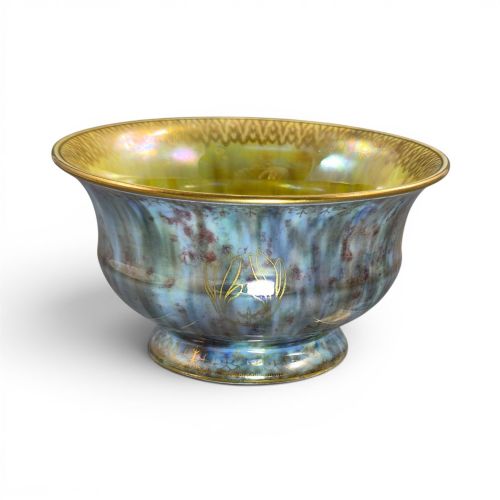
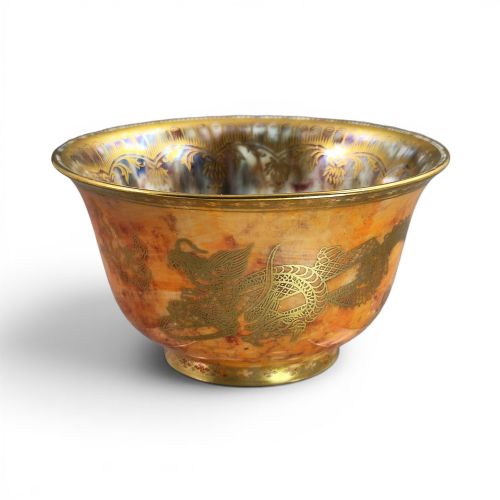
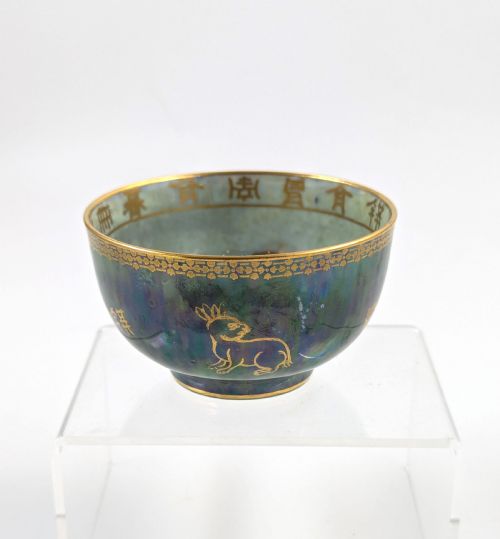
When you search for wedgwood dragon lustre, you encounter striking ceramic forms decorated with intricate mythical motifs. These items predominantly appear as decorative bowls, miniature cups, and decorative vases from the Edwardian period and the 1910 to 1920 decades.
The most common pieces on this page are bowls and vases displaying complex dragon patterns in varied colourways. These wares reflect the artistic transitions of Art Nouveau and Art Deco design through their bold ornamentation and striking glaze work.
Makers and designers from this era utilised specific pattern numbers to categorise their output. Collectors frequently encounter pieces carrying distinct numerical identifiers alongside signature dragon imagery.
Assessing quality in lustre ware
The depth and brilliance of the iridescent glaze determine much of the visual appeal. Superior examples display a vibrant interplay of colour across the porcelain body without dull patches.
The precision of the gilding and the clarity of the painted dragon details separate standard items from masterworks. Clean lines in the gold leaf application indicate superior workshop execution.
Dragons chase pearls of wisdom across bowls while miniature cups guard tiny mythical tails.
Daisy Makeig Jones
The Wedgwood Dragon Lustre Glossary
- Lustre Glaze
- A type of ceramic glaze containing metallic oxides that produce an iridescent, pearl-like sheen upon firing. This chemical application creates the signature shimmering surface seen on these wares.
- Bone China
- A soft-paste porcelain incorporating animal bone ash for added strength and translucency. It serves as a smooth canvas for intricate overglaze painting.
- Gold Leaf
- Hammered sheets of gold used for delicate gilding work on ceramic surfaces. Artisans apply this material by hand to highlight specific design elements.
- Art Deco
- A design style characterised by sleek geometric shapes and stylised motifs that emerged during the early twentieth century. This aesthetic influenced the bolder forms of later lustre pieces.
Wedgwood Dragon Lustre: Frequently Asked Questions
What is wedgwood dragon lustre?
These pieces are decorative ceramic vessels adorned with mythical dragon motifs and finished with iridescent glazes. They represent a specific pinnacle of early twentieth-century decorative arts.
Collectors prize them for their vibrant use of colour and metallic gilding. They function primarily as display objects rather than utility items.
How are different patterns identified?
Pottery workshops assigned specific pattern numbers to track their distinct decorative schemes. These numbers often appear painted or stamped on the underside of the base.
Consulting historical pattern lists helps connect individual pieces to their original design groups. Variations in the dragon motif usually correspond to these specific numbers.
Are these pieces handmade?
The forming of the ceramic body involved traditional potting techniques combined with factory methods of the period. Skilled artisans then painted the intricate surface details by hand.
This individual handiwork ensures that no two vessels are entirely identical. The personal touch of the decorator remains visible in the brushwork.