
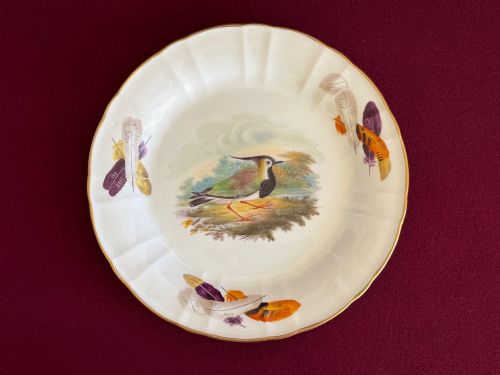


Gilded Edge Wall Plate
These gilded edge wall plate examples bring hand-painted porcelain and rich enamel into domestic spaces.
Gilded Edge Wall Plate
A gilded edge wall plate brings together decorative porcelain, bone china, and enamel surfaces framed by metallic borders. When searching for a gilded edge wall plate, collectors encounter a diverse range of forms spanning the nineteenth century up to the mid twentieth century.
The selection here includes cabinet plates, chargers, and ribbon dishes from English manufacturers and Japanese kilns. English traditional designs, Regency pieces, and Japanese Imari plates represent the primary origins available on this page.
How they were made
Potters shaped porcelain and bone china bodies before applying cobalt underglaze, enamel pigments, and hand-painted details. Skilled hands executed intricate pictorial scenes, floral motifs, and pattern work directly onto the ceramic surface.
Gold leaf and gilding were applied along the rims and borders to create the characteristic metallic edge. Firing fixed the glazes and secured the precious metal leaf to the ceramic body.
Listings feature porcelain and bone china enhanced with gold leaf, cobalt underglaze, and enamel across periods from Regency to the mid twentieth century.
What varies in quality
The refinement of the painted decoration distinguishes standard production from exceptional artistry. Hand-painted cabinet plates featuring named subjects or specialised techniques like pate-sur-pate demonstrate superior craftsmanship compared to simpler wares.
The preservation of the gold leaf and the crispness of the enamel colours dictate the visual impact of each piece. Heavier chargers and square-shaped plates showcase the ambition of the original kiln.
Wedgwood·Copeland·Royal Worcester·Ridgway·Coalport·Vienna·Mintons
The Gilded Edge Wall Plate Glossary
- Cabinet plate
- A decorative ceramic plate intended for display in a cabinet rather than for dining use. These often feature elaborate hand-painted scenes and gilded borders.
- Charger
- A large decorative plate or dish used historically for ceremonial service or as a base under other courses. On this page, they provide a larger canvas for intricate patterns.
- Imari
- A style of Japanese porcelain decorated in underglaze blue and overglaze iron red, gold, and other colours. It gained immense popularity in Europe during the nineteenth century.
- Pate-sur-pate
- A ceramic decorating technique where relief designs are built up using successive layers of liquid white clay on a coloured background. This demanding method creates a cameo-like effect.
- Ribbon dish
- A decorative dish featuring pierced handles or rims designed to thread ribbon through for hanging or presentation. Edwardian examples often employ this form.
Gilded Edge Wall Plate: Frequently Asked Questions
How do I hang a wall plate safely?
Wall plates require specialised spring-loaded brass hangers that grip the rim securely without damaging the ceramic body. Ensure the fixing in the wall matches the weight of the charger or plate before mounting.
Heavier items like large Japanese imari chargers need robust wall anchors to support their substantial porcelain mass over time.
Can I use these plates for dining?
Most antique cabinet plates and decorative dishes are intended purely for visual display rather than daily meals. The delicate hand-painted enamels and gold leaf borders risk deterioration through regular food use and washing.
Dinner plates from mid twentieth-century makers can handle light dining use, though hand-washing remains essential to protect the gilt edges.
What is Japanese Imari?
Imari refers to Japanese porcelain exported from the port of Imari, characterised by a distinct palette of cobalt blue, iron red, and abundant gold leaf. These wares became highly sought after by European collectors during the nineteenth century.
The style relies on dense geometric and floral panels that cover the surface of plates and chargers.
How do I date an antique porcelain plate?
Dating relies on maker marks stamped or painted on the reverse, alongside stylistic clues such as the form, painting technique, and colour palette. Regency pieces often exhibit neoclassical motifs, while Edwardian items show lighter ribbon and floral details.
Comparing the paste quality and glaze characteristics helps confirm the production era when marks are absent.