
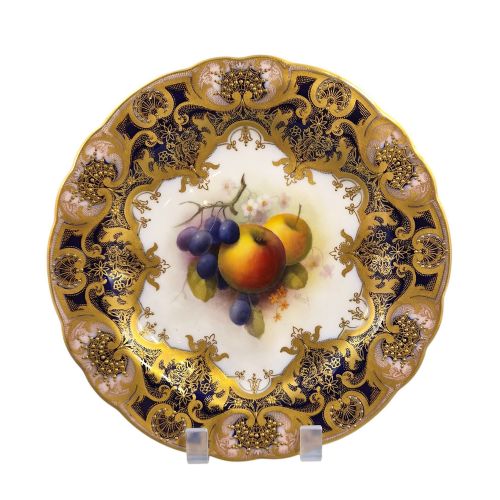
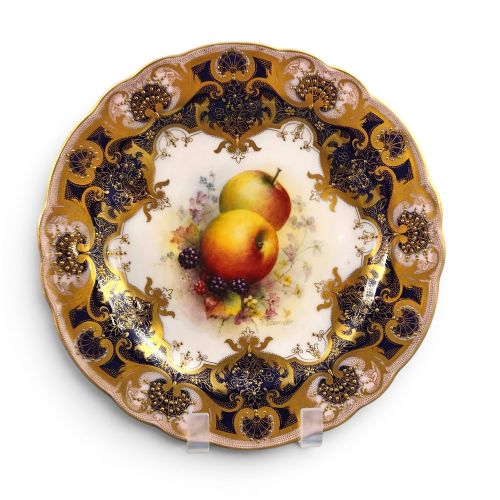
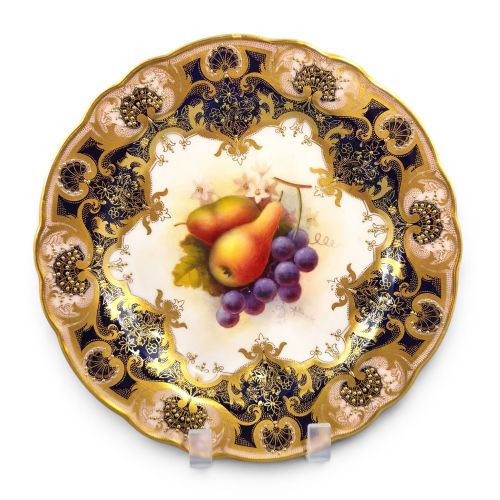
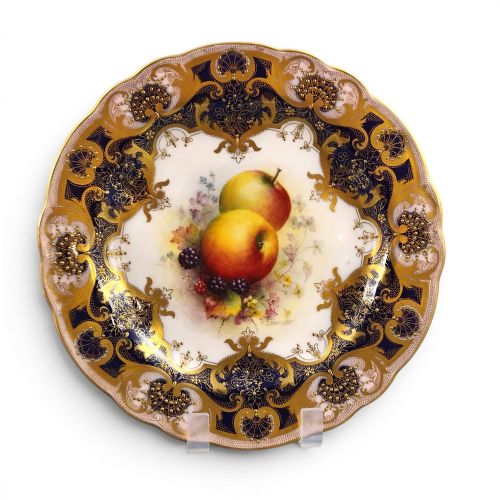
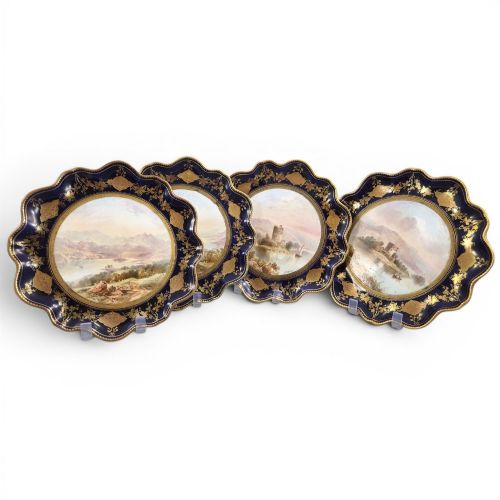


Gilded Cobalt China Plate
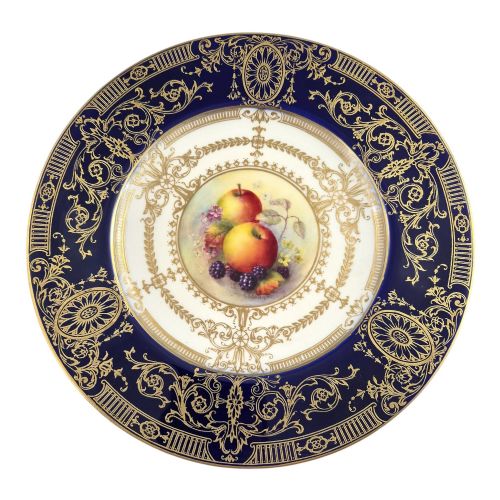
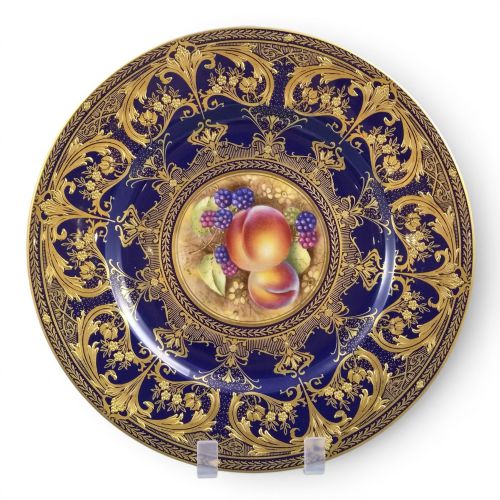
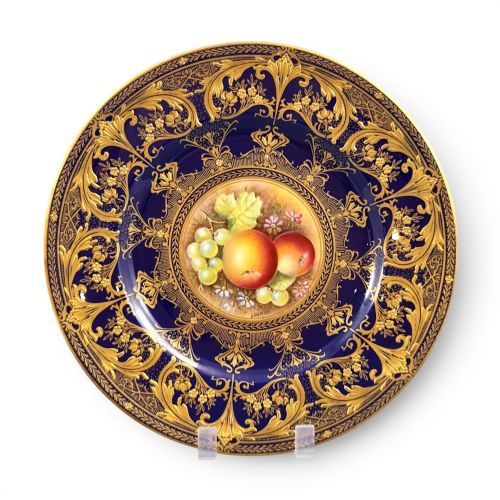
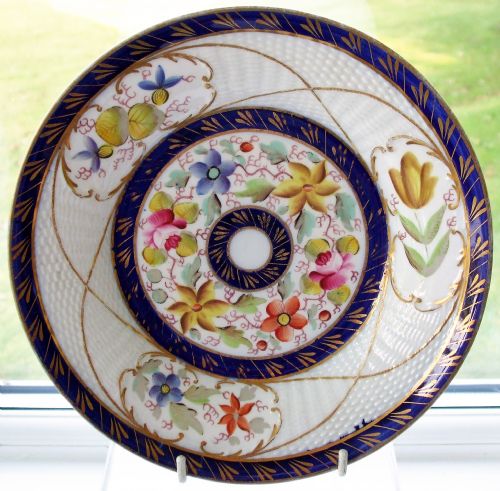
These gilded cobalt china plate examples combine deep blue grounds with bright metallic leaf, originating mainly across Victorian and Georgian workshops.
Gilded Cobalt China Plate
A gilded cobalt china plate brings together a rich blue underglaze ground and lustrous metallic accents, typically produced as cabinet pieces, dessert services, or decorative dishes. When exploring this phrase, buyers encounter examples spanning from the eighteenth century through to the twentieth century, created across English, French, and German potteries.
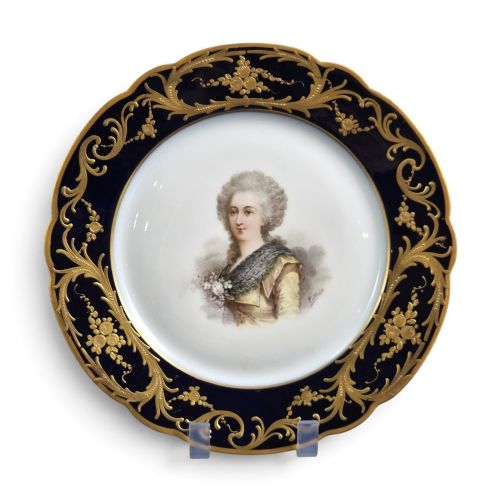
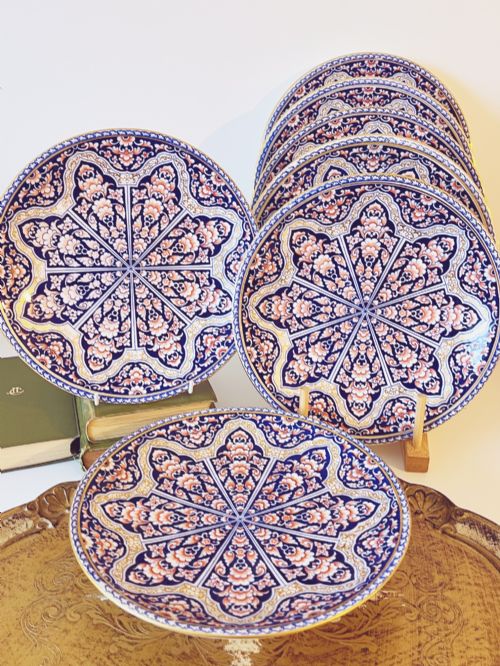
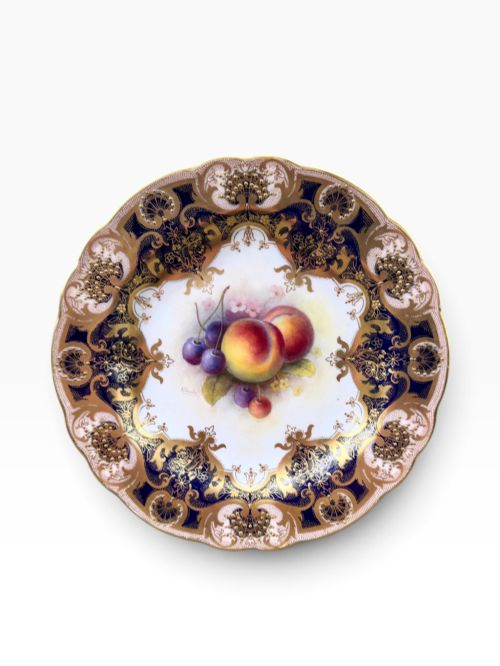
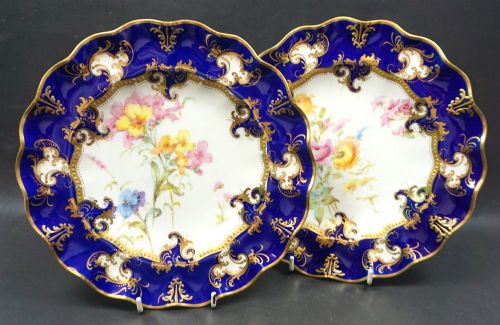
The selection on this page relies heavily on nineteenth-century production, alongside notable eighteenth-century and mid-twentieth-century items. Forms range from standard cabinet plates and soup dishes to serving dishes and dessert plates, often featuring hand-painted botanical, figurative, or armorial motifs set against the deep blue backdrop.
Originating from established factories such as Royal Worcester, Coalport, and various continental workshops, these items were designed primarily for display rather than daily dining. The combination of intense blue enamel and applied gilding creates a strong visual contrast that defined formal domestic presentation in past eras.
How They Were Made
The base body consists of porcelain, bone china, or ironstone, shaped and fired to create a durable ceramic foundation. Cobalt oxide provides the intense blue colour, applied beneath or over the glaze to achieve deep, even tones across the surface.
Gold leaf and liquid gilt are applied by hand over the fired glaze, often using tooling techniques to create textured or patterned metallic borders. Hand-painting in enamel adds floral, landscape, or portrait details, requiring subsequent low-temperature firings to fix the pigments.
Listings feature porcelain and bone china from the eighteenth, nineteenth, and twentieth centuries, incorporating hand-painted enamel and gold leaf.
What Varies in Quality
Quality rests on the precision of the hand-painted decoration and the depth of the cobalt ground. Finer pieces display meticulous brushwork in central panels and crisp, even tooling within the gilt borders, whereas simpler items rely on transfer printing.
The execution of the gilding itself distinguishes standard production from superior output. High-end examples utilise thick, burnished gold leaf that retains its brilliance, while lesser pieces show thinning or rubbing of the metallic layer.
Royal Crown Derby·Royal Worcester·Coalport·New Hall·Chamberlain Worcester·Meissen
The Gilded Cobalt China Plate Glossary
- Cobalt
- A deep blue metallic oxide used to colour ceramic glazes. It creates the rich background typical of these plates.
- Gilt
- A thin layer of gold applied to the ceramic surface. It provides the metallic highlights characteristic of the style.
- Bone china
- A type of porcelain containing bone ash, developed in England. It yields a strong, translucent white body.
- Ironstone
- A heavy, durable type of earthenware patented in the nineteenth century. It offers a robust alternative to standard porcelain.
Gilded Cobalt China Plate: Frequently Asked Questions
How were these plates used?
These items served primarily as decorative cabinet pieces or as part of formal dessert and service sets for wealthy households. They were displayed on sideboards or used during special dining occasions rather than everyday meals.
The inclusion of delicate gilding and hand-painted central scenes meant they required careful handling and washing by hand to preserve the surface decoration.
Are these plates safe for food?
Historic ceramic pieces from the eighteenth and nineteenth centuries are generally intended for display rather than modern culinary use. Older glazes and metallic applications may not meet contemporary food safety standards.
Exposing these surfaces to acidic foods or modern dishwashing detergents can damage the delicate enamels and wear away the gold leaf over time.
How do I date an antique plate?
Dating relies on factory backstamps, impressed marks, and stylistic indicators recorded in the ceramic body. Many nineteenth-century English and continental makers used specific symbol systems or registration numbers on the reverse.
Comparing the painting style, such as botanical or armorial details, alongside the shape of the dish helps narrow the period of manufacture.
How should I display them?
Cabinet plates require secure wall hangers or stable plate stands designed specifically for heavy porcelain and ironstone. Placing them away from direct sunlight prevents the painted enamel colours from fading over the years.
Ensure the display location is free from vibration to prevent accidental slips, as these ceramic bodies can chip or crack if dropped.