
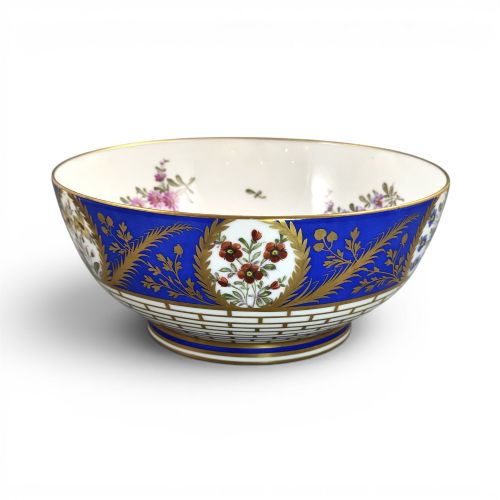


French Decorative Porcelain Dish
These french decorative porcelain dish examples combine painted porcelain with gilt bronze and ormolu mounts, bringing eighteenth- and nineteenth-century elegance straight to a cabinet.
French Decorative Porcelain Dish
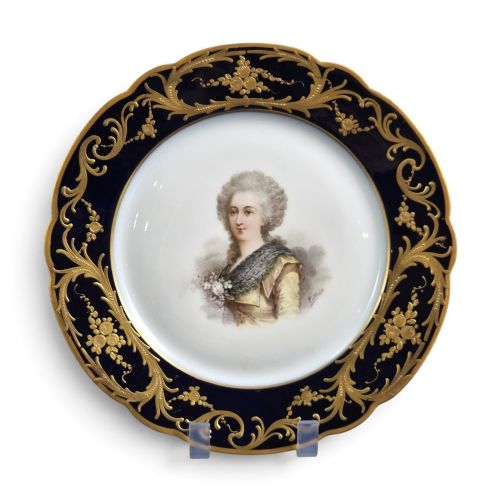
A french decorative porcelain dish encompasses cabinet plates, comports, bowls, and lidded dishes originating from eighteenth- and nineteenth-century workshops. Buyers seeking this phrase regularly encounter pieces produced in the S_vres manner, featuring cobalt grounds and historic portrait subjects.
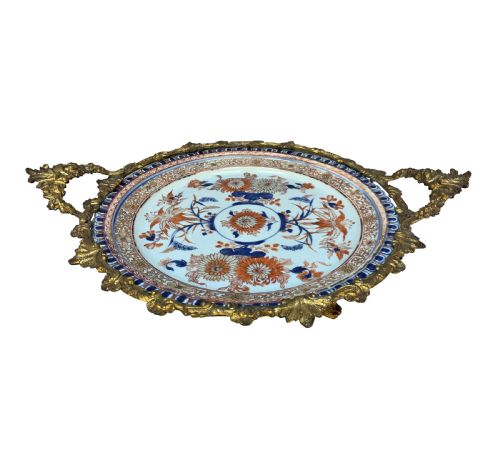
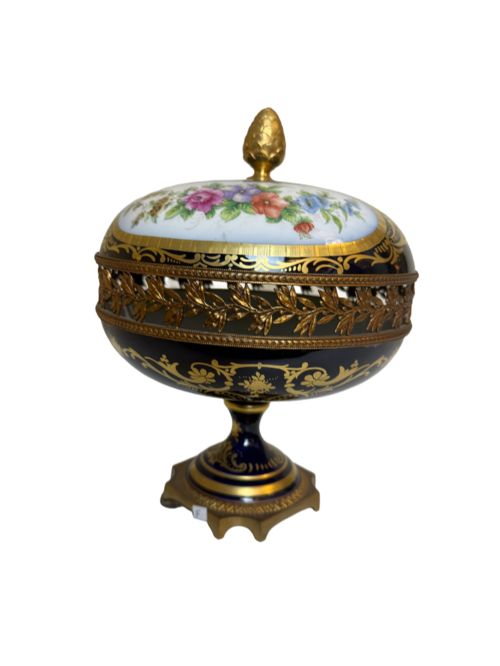
Forms range from flat decorative plates to footed bowls and grand centrepieces mounted in ormolu and gilt bronze. These items reflect stylistic revivals including French Rococo, Louis XVI, and Chelsea-Derby alongside Japonesque experiments.
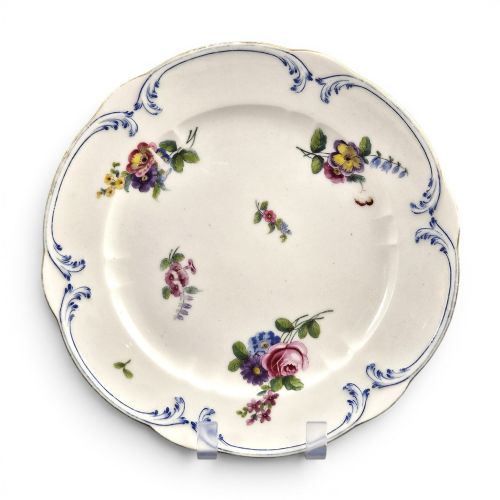
Origins stretch from soft-paste porcelain of the seventeen-seventies through late nineteenth-century Paris productions. Pieces often appropriate earlier royal aesthetics for bourgeois drawing rooms.
Markers of distinction
Quality rests upon the fineness of hand-painted detail in portraiture and narrative scenes, alongside the crispness of casting in the surrounding bronze or ormolu mounts. Finer pieces demonstrate superior control over polychrome enamels and gold leaf application.
The integration between ceramic body and metal hardware dictates overall execution, where bespoke mounts align seamlessly with the porcelain contours rather than masking generic forms.
Listings feature eighteenth-century soft-paste porcelain alongside late nineteenth-century pieces decorated in the S_vres manner.
Ambroise Michel·Pucher Deroche·Louis Pierre Malpass
The French Decorative Porcelain Dish Glossary
- Ormolu
- Gilded bronze used for decorative mounts and stands. This technique gained prominence in French decorative arts during the eighteenth century.
- Soft-paste porcelain
- An artificial ceramic composition fired at lower temperatures than true hard-paste porcelain. It exhibits a characteristic warm glaze tone common in eighteenth-century pieces.
- Champleve
- An enamelling technique where troughs are dug into metal and filled with vitreous paste before firing. It appears on nineteenth-century bronze mounts.
- Comport
- A raised dish or bowl used for serving fruit or sweets on a dining table. They frequently feature elaborate gilt bronze pedestals.
- Japonesque
- A nineteenth-century Western artistic style influenced by Japanese art and design. French ceramicists applied these motifs to porcelain dishes during the late period.
French Decorative Porcelain Dish: Frequently Asked Questions
How do I date a french decorative porcelain dish?
Dating relies on body composition, stylistic revival markers, and painted signatures or factory marks on the underside.
Soft-paste bodies and specific hand-painted scene subjects generally point towards eighteenth-century origins, whereas massed ormolu mounts and champleve enamel suggest late nineteenth-century manufacture.
Were these dishes meant for dining?
Many objects categorised under this phrase served decorative rather than utilitarian functions in historic interiors.
Cabinet plates, comports, and centrepieces were displayed on walls, sideboards, or tables to signal taste and affluence rather than for daily meals.
What is the difference between hard-paste and soft-paste?
Hard-paste porcelain uses kaolin and petuntse fired at high temperatures, creating a durable, vitreous body. Soft-paste is an artificial mixture containing glass frits fired at lower temperatures.
Soft-paste yields a softer glaze texture that absorbs enamels differently than true hard-paste porcelain.
How should I clean ormolu mounts?
Ormolu mounts require gentle dusting with a dry microfibre cloth to preserve the historic surface layer.
Harsh metal polishes and chemical cleaners strip away the original gilding on both the bronze hardware and the adjacent porcelain.