
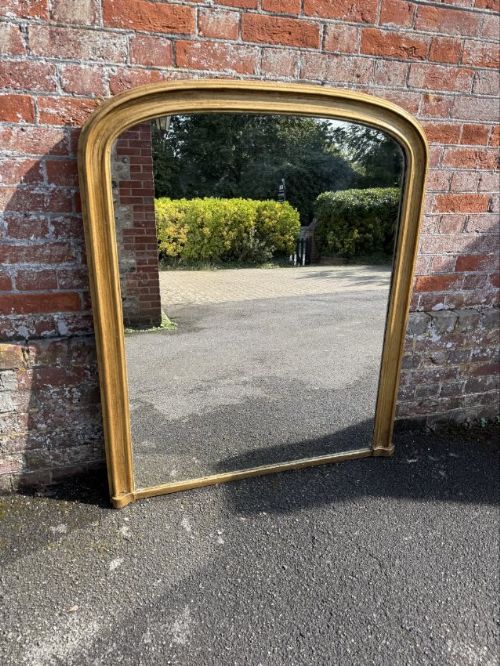
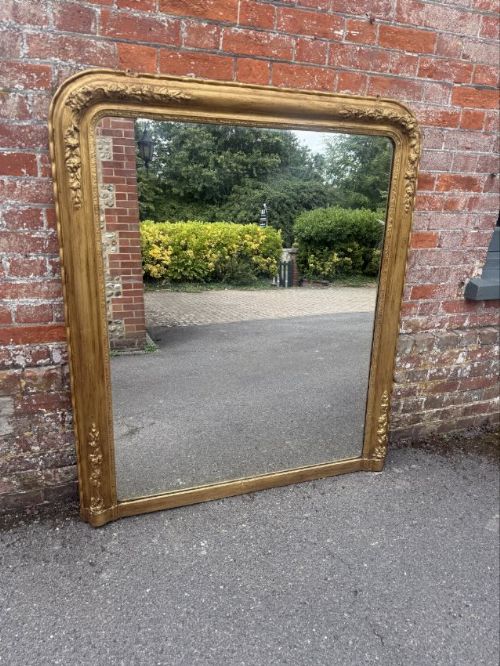
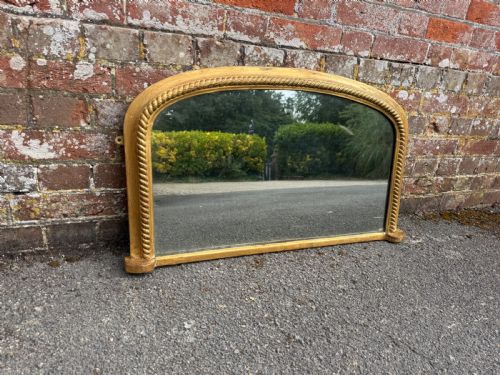
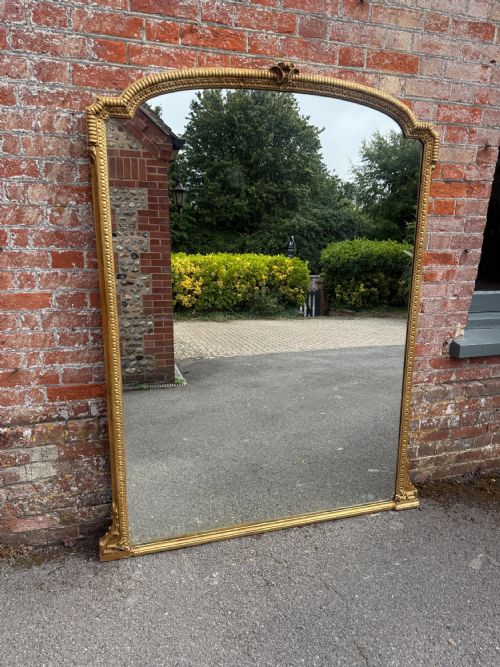


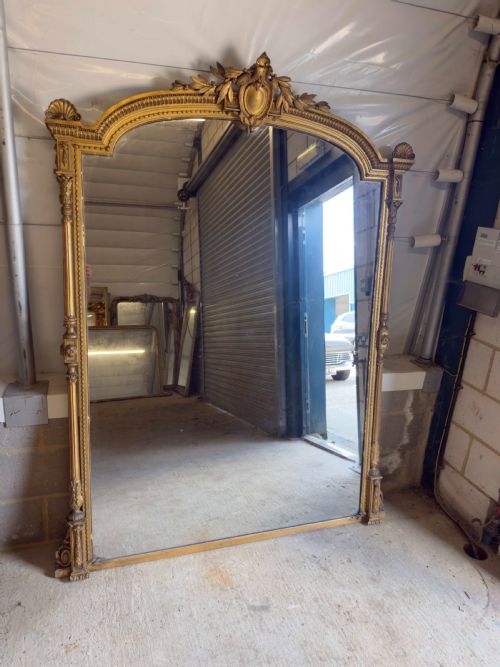
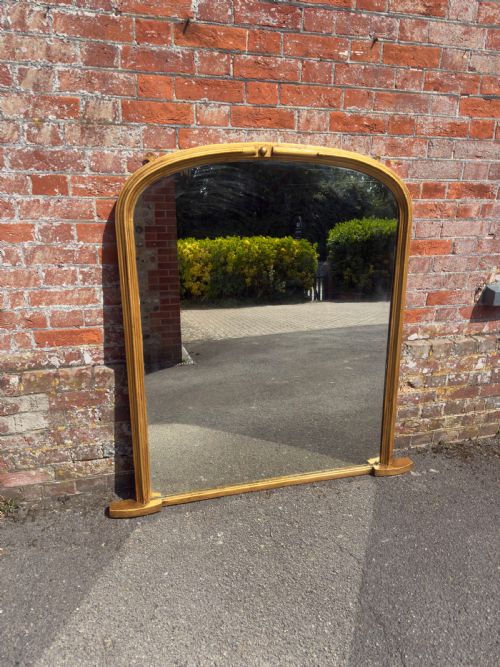
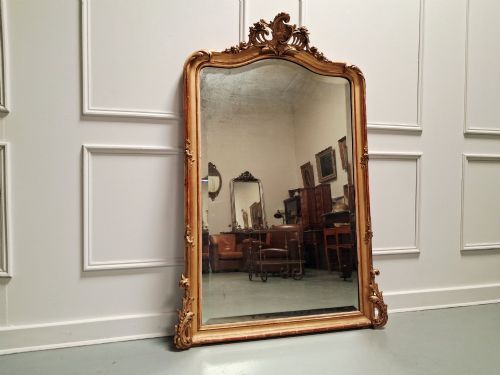
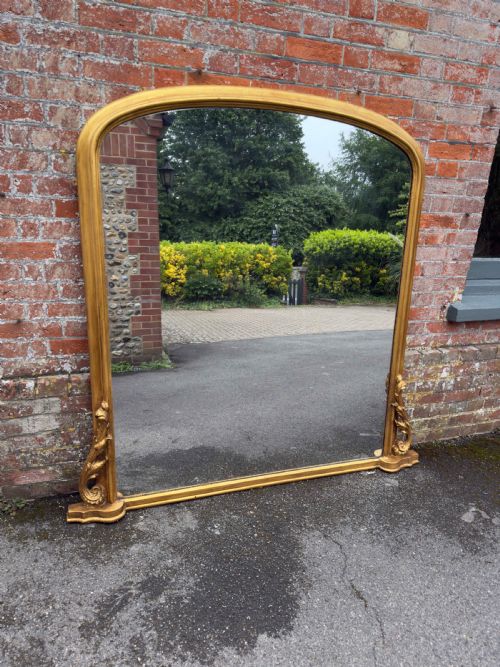
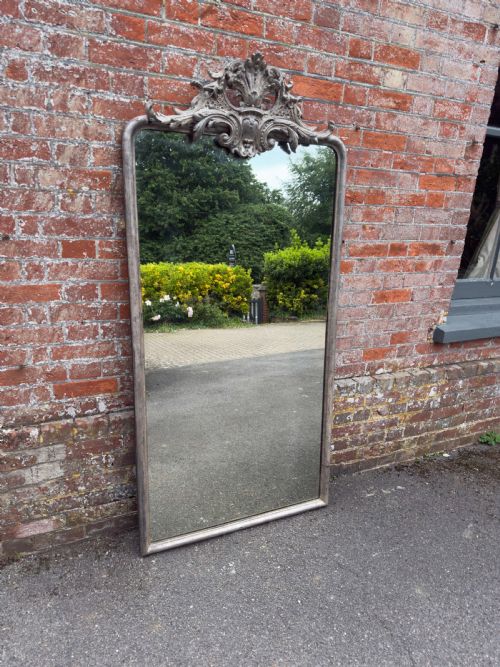

Gesso Arched Mirror
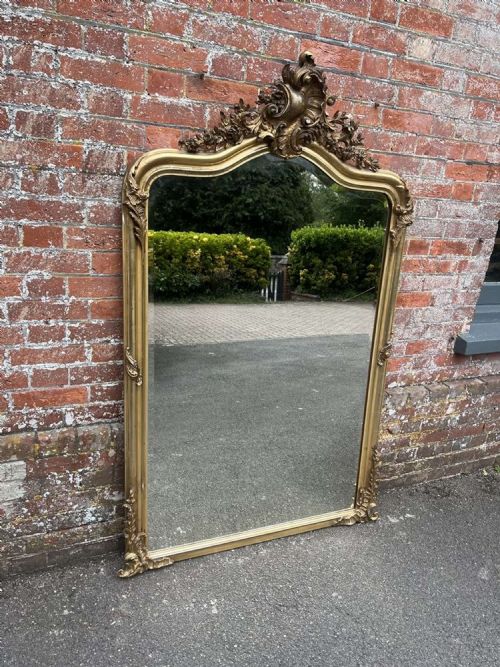
A gesso arched mirror brings nineteenth-century architectural grandeur into a room, offering reflective depth and decorative carved frames that catch the light.
Gesso Arched Mirror
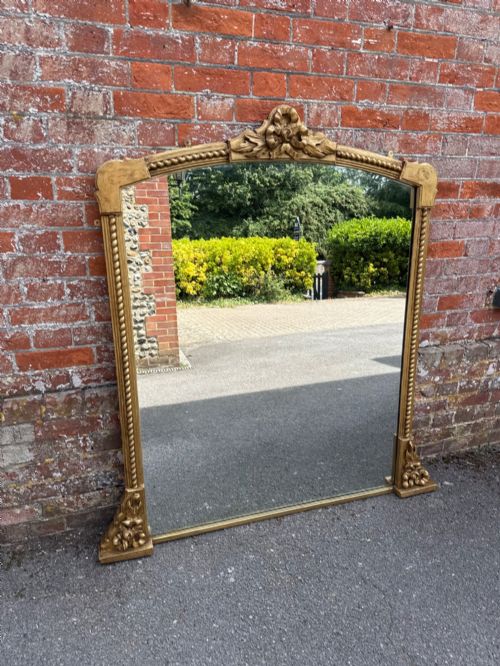
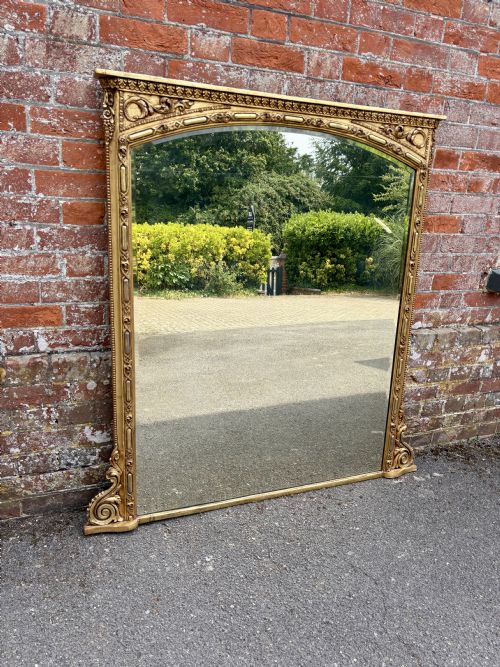
When searching for a gesso arched mirror, buyers encounter grand nineteenth-century wall and overmantel pieces designed to sit above fireplaces or anchor large interior walls. These objects combine wooden frames with moulded plaster surfaces shaped into sweeping arches, often displaying rope twist, ribbed, or laurel leaf motifs.
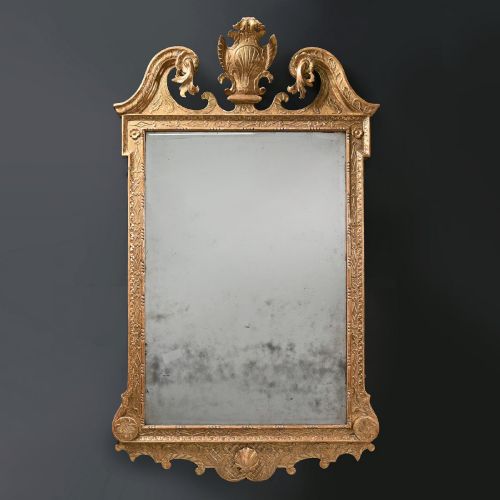
The majority of pieces seen here originate from Victorian England and nineteenth-century France, spanning periods from the 1850s through to the 1880s alongside earlier examples from the eighteenth century. They function primarily as overmantel mirrors, providing scale and proportion to period rooms through their substantial dimensions and shaped tops.
How They Were Made
Artisans constructed the structural foundation from carved wood, providing a sturdy base to support the heavy glass and decorative ornamentation. Onto this wooden framework, they applied layers of gesso - a mixture of plaster of Paris and binder - which allowed craftsmen to carve intricate details like ribbed columns, rope twists, and floral borders while the material remained pliable.
The finished gesso and wood surfaces were then gilded with gold leaf, painted, or finished with silvering to create the reflective metallic sheen characteristic of these large wall and overmantel mirrors. Mirror glass was set within the rebated frame, secured behind the moulded surrounds that defined the arched or shaped top profiles.
Gesso Arched Mirror Retail Price Guide 2026
Typical asking prices for gesso arched mirror among the pieces listed under this phrase on Sellingantiques today, from the lower quarter to the upper quarter. They describe what is for sale here now, not the wider market.
Several mirrors include hidden rope twists and tucked-away laurel leaves that artisan hands pressed into soft gesso over a century ago.
What Varies in Quality
The standard of carving and the crispness of the moulded gesso ornamentation dictate the visual strength of the piece, where deep, sharply defined botanical or architectural motifs separate finer work from softer, shallower pressings. The complexity of the frame design - whether incorporating detailed ribbed columns, twisted ropes, or layered laurel leaves - reflects the ambition of the original workshop.
Originality of surface finish also defines the upper tier, where intact early gilding, paint, or original mirror glass retain their authentic historical character. Proportion and scale play a crucial role, with pieces maintaining balanced architectural lines commanding greater presence in a room.
The Gesso Arched Mirror Glossary
- Gesso
- A plaster-based mixture applied to wooden frames to provide a smooth, buildable surface for carving and gilding. This compound allowed artisans to achieve sharp relief details that wood alone could not easily hold.
- Overmantel Mirror
- A large mirror specifically designed to hang on the wall directly above a fireplace mantelpiece. These pieces were proportioned to fill the vertical space between the hearth and the ceiling.
- Giltwood
- Wood that has been coated with a thin layer of gold leaf or metallic powder over a preparation base. It creates a luminous, reflective surface that brightens dark nineteenth-century interiors.
- Rope Twist
- A carved decorative moulding resembling the interwoven strands of a rope, frequently seen running along the inner or outer borders of mirror frames. This pattern added textural depth to Victorian and Georgian designs.
- George II
- An eighteenth-century design period associated with architectural symmetry, heavy carving, and early giltwood mirrors. Pieces from this era display rigorous craftsmanship and robust proportions.
Gesso Arched Mirror: Frequently Asked Questions
Where should I hang a gesso arched mirror?
These mirrors work best mounted directly above a fireplace mantelpiece, where their traditional overmantel proportions balance the hearth below. They also anchor large empty walls in hallways or living rooms, reflecting light across the space.
Ensure the wall structure and fixings can support the substantial weight of the carved wood and glass construction.
How do I clean a gesso arched mirror?
Dust the carved gesso and gilded frame gently with a soft, dry brush to prevent accumulation in the recesses of the ornament. Avoid using harsh chemical sprays or abrasive cloths that might strip the delicate metallic leaf.
Clean the mirror glass with a mild glass cleaner applied to a cloth rather than directly onto the glass surface, keeping moisture away from the wooden frame joints.
What is the difference between Victorian and George II mirrors?
George II mirrors originate from the eighteenth century and typically feature architectural symmetry, heavy carved wood, and distinct gesso and giltwood construction. Victorian examples date from the nineteenth century and often incorporate broader revival styles like Rococo or French Chateau influences.
Victorian pieces frequently utilise massed gesso ornamentation including rope twists, ribbed columns, and laurel leaf framing.