



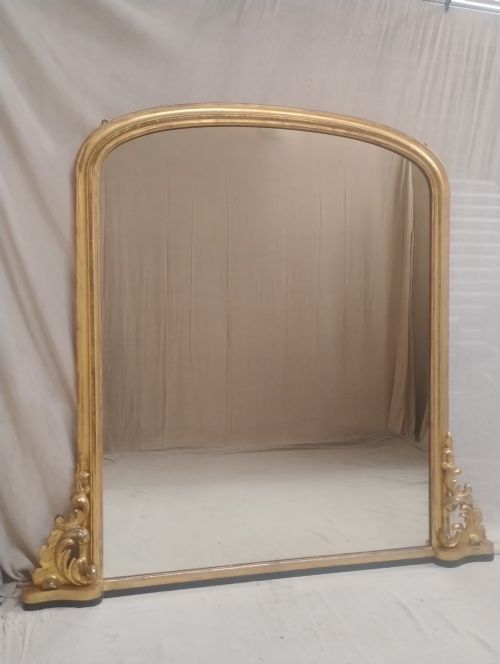
Victorian Arched Wall Mirror
A victorian arched wall mirror brings nineteenth-century presence to a room, combining curved architectural lines with grand scale.
Victorian Arched Wall Mirror
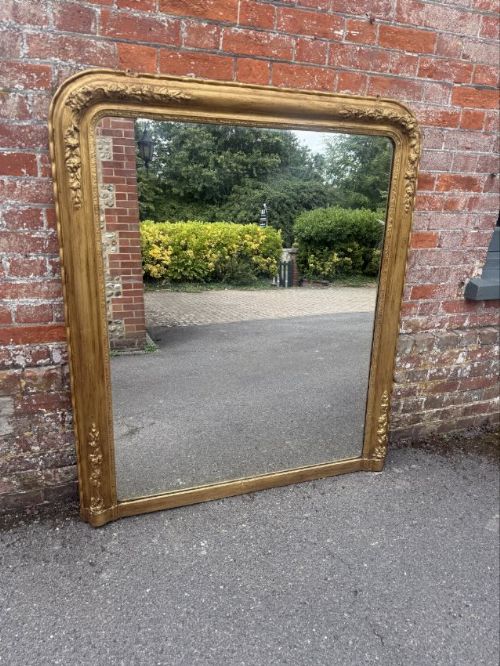
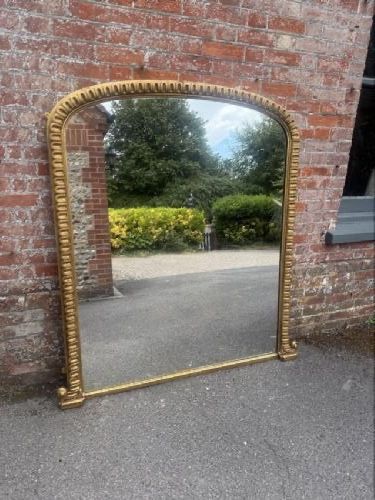
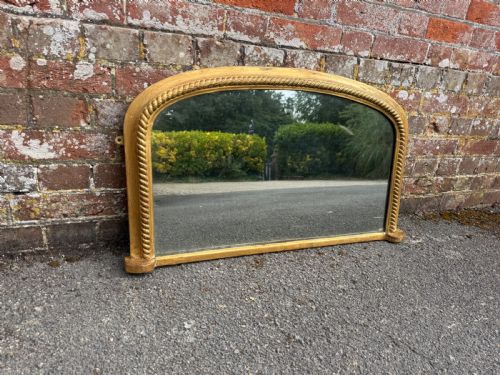
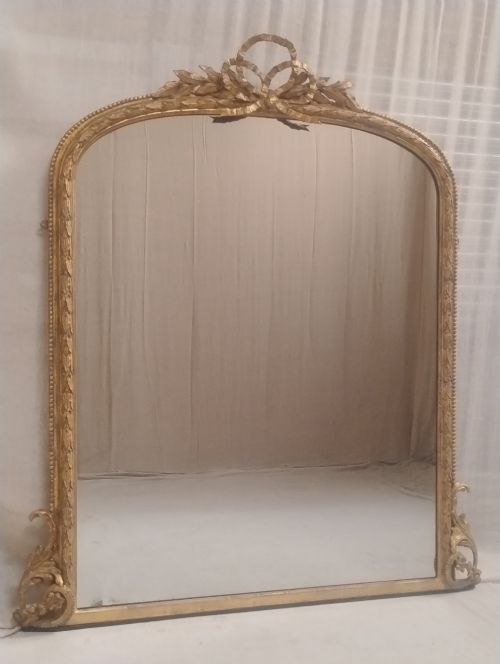
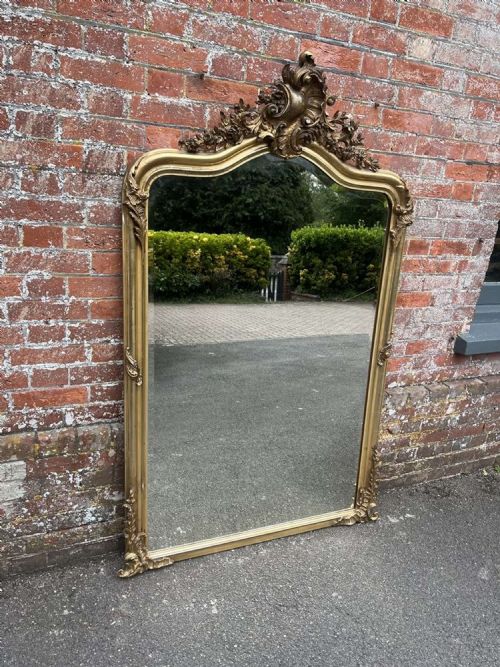
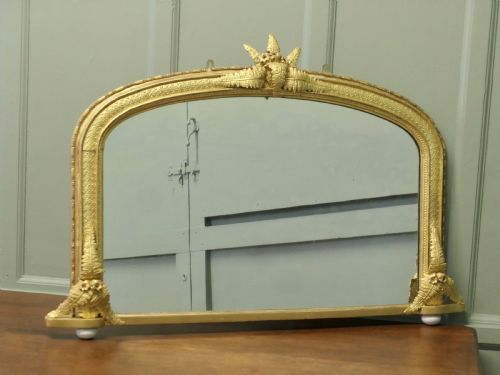
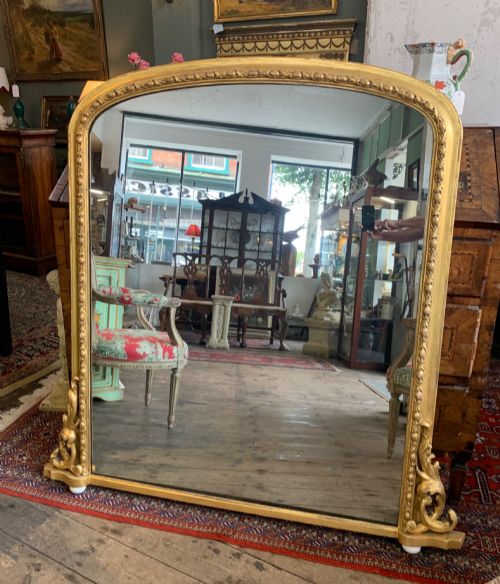
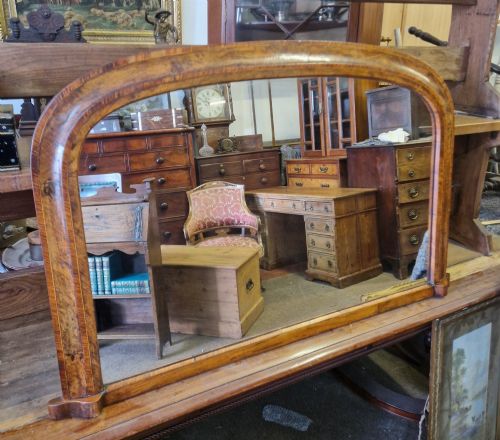
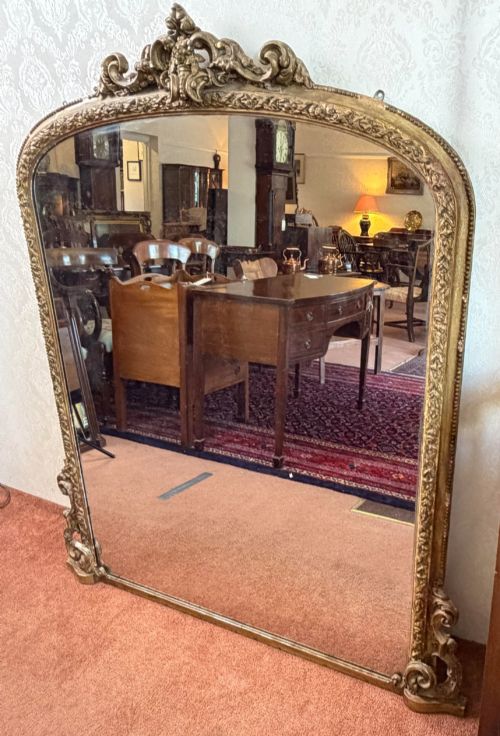
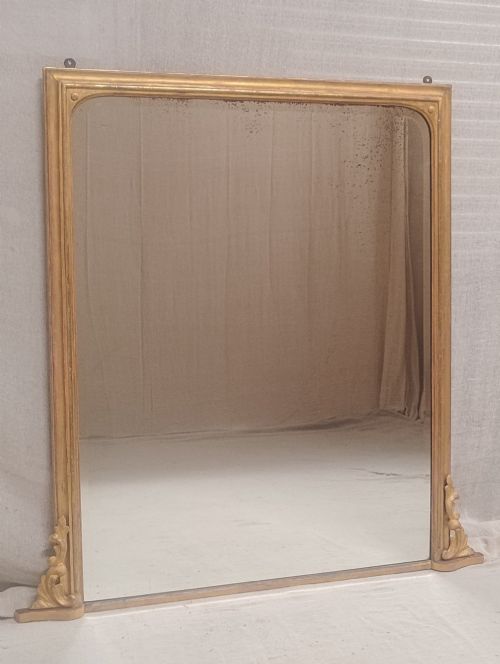
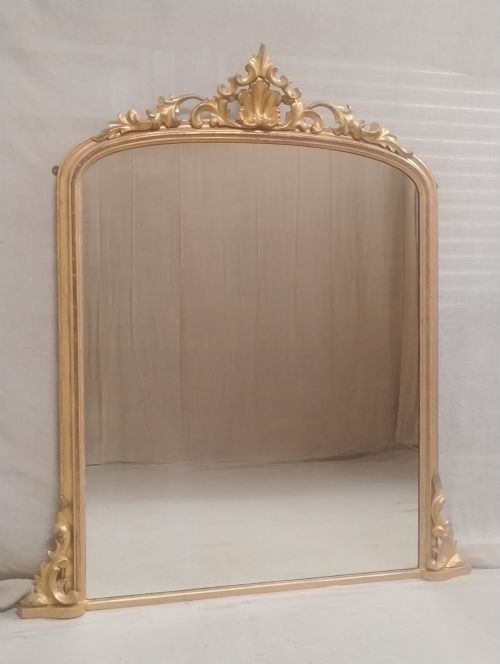
A victorian arched wall mirror typically takes the form of an overmantel or large wall-hanging glass, designed to reflect light and expand the sense of space in nineteenth-century interiors. These pieces appear frequently in English and French stylistic traditions, often spanning the period from the mid-nineteenth century up to nineteen-hundred.
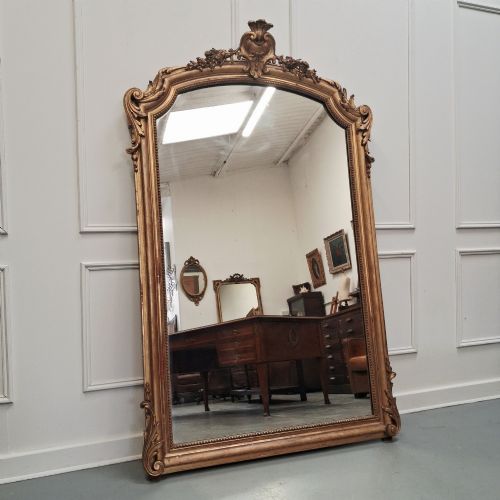
The dominant formats on this page include large carved wood frames with arched or shaped tops, alongside rectangular and pier-style glasses featuring rounded upper edges. Many examples reflect revivalist movements, showing influences from Rococo and Gothic designs translated through nineteenth-century craftsmanship.
Materials and construction
Makers built the foundational framework using timber such as oak, walnut, or carved wood, then applied layers of gesso to build up intricate surface details and mouldings before gilding the exterior. Gold leaf or applied gilt finishes provided the characteristic metallic sheen seen across the majority of surviving examples.
Mirrors incorporated heavy sheet glass fitted into shaped rebates, often supported by secondary wooden backs and secured with traditional joinery methods suited to the large proportions of overmantel pieces.
Some nineteenth-century makers incorporated nautical rope twist carvings into the gilt frames, letting sailors bring the sea indoors.
Judging the execution
Quality separates through the depth and crispness of the hand-carved woodwork and the applied gesso ornaments, where finer examples retain sharp relief and precise ribbon, rope twist, or tulip framing. Lesser pieces show softer moulding profiles and heavier, less refined plaster layers.
The Victorian Arched Wall Mirror Glossary
- Overmantel mirror
- A large horizontal or vertical glass designed specifically to hang on the wall directly above a fireplace mantelpiece. These pieces often feature an arched top to follow the architectural lines of the chimney breast.
- Gesso
- A plaster-like mixture applied to wooden frame bases and allowed to set before being carved or moulded into decorative reliefs. It provides a smooth surface for subsequent gilding.
- Giltwood
- Timber that has been coated with gold leaf or metallic powder suspended in size. This finish gives the frame its brilliant reflective metallic appearance.
- Rococo Revival
- A nineteenth-century design movement that reinterpreted the asymmetrical, curving ornamentation of the eighteenth-century French style. It relies heavily on naturalistic motifs like scrolls, shells, and floral elements.
- Pier mirror
- A tall, narrow glass traditionally hung on the wall space between two windows, often reflecting light into the darker central areas of a Victorian room.
Victorian Arched Wall Mirror: Frequently Asked Questions
How were these mirrors used?
These mirrors served primarily as functional and decorative focal points in nineteenth-century parlours and drawing rooms, typically positioned above fireplaces to amplify candlelight and daylight.
Their substantial dimensions allowed them to visually anchor large reception rooms and reflect surrounding interior furnishings.
Where should I hang one?
An arched wall glass works effectively above a fireplace mantel, along a principal hallway, or as a leaner mirror against a main living room wall.
Because of their significant height and weight, these pieces require secure wall fixings anchored directly into structural masonry or studs.
How do I date a piece?
Dating relies on examining the construction methods of the wooden frame, the composition of the gesso, and the style of the carving alongside the silvering technique of the mirror plate.
Mid-nineteenth-century examples often display distinct Rococo Revival motifs, whereas later Victorian iterations incorporate varied framing styles like rope twist or simpler ribbed moulding.
Are French and English styles different?
French nineteenth-century pieces frequently exhibit pronounced Rococo scrolls and softer, more sweeping crests, while English overmantels tend toward architectural symmetry and robust structural framing.
Both traditions utilise carved wood and gesso finished in gilt, though the regional decorative vocabulary varies across the makers' outputs.