



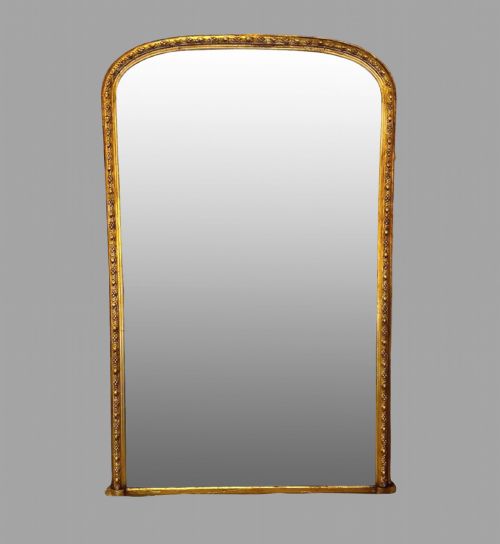
Large Gold Arch Mirror
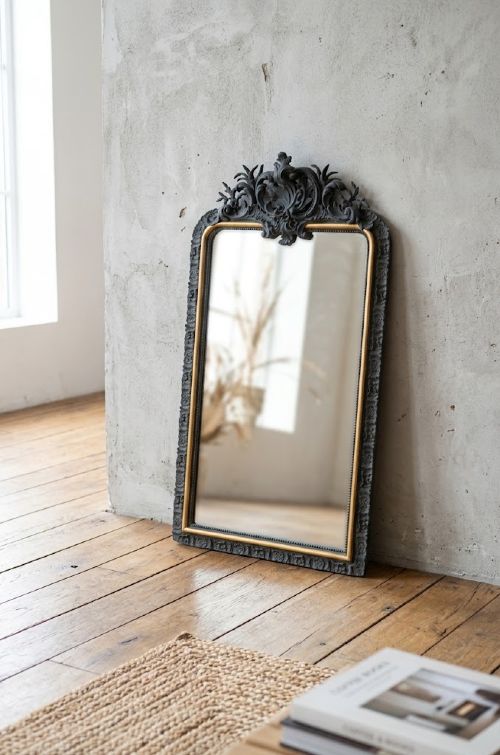
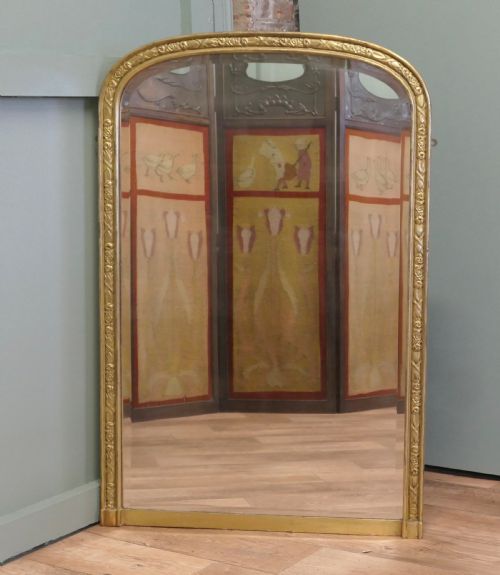
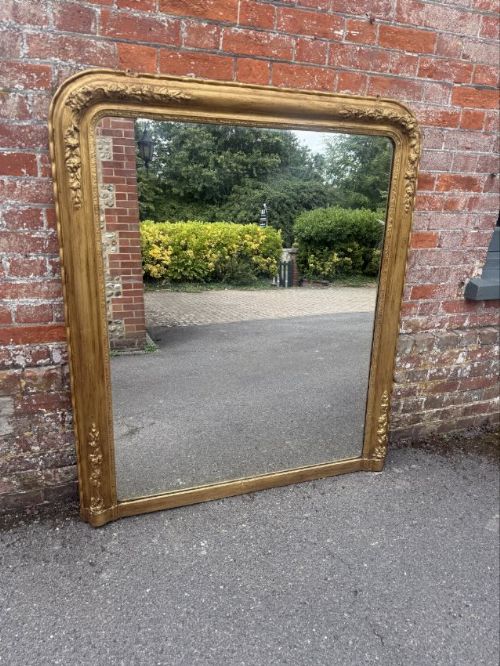
A large gold arch mirror brings nineteenth-century presence and reflective depth to a room through traditional gilded framing.
Large Gold Arch Mirror
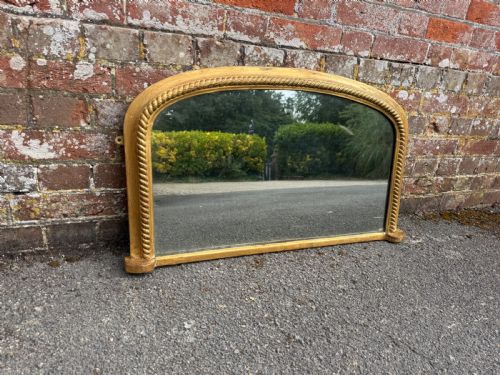
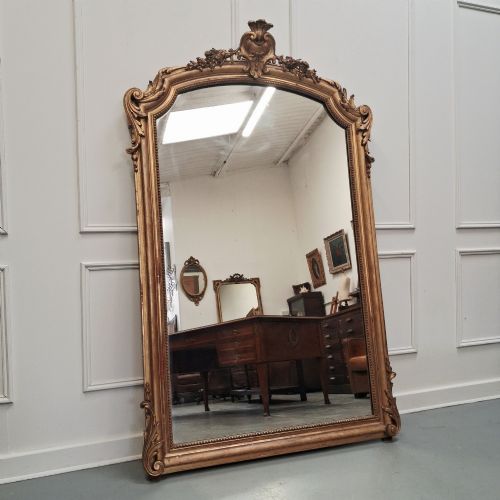
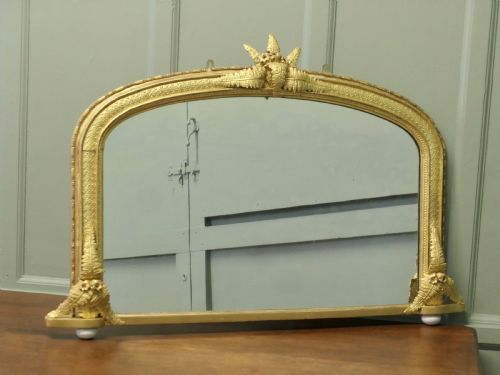
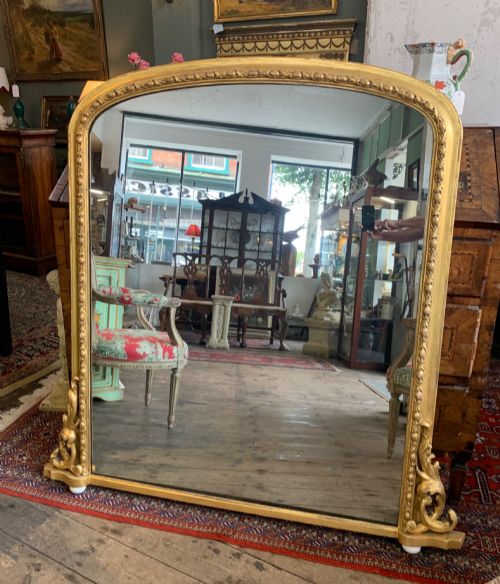
A large gold arch mirror typically takes the form of an overmantel mirror designed to sit above a fireplace, or a tall wall-mounted pier mirror.
The pieces seen here span the Victorian era, the nineteenth century generally, and periods from eighteen-fifty to nineteen-hundred, originating from both English and French workshops.
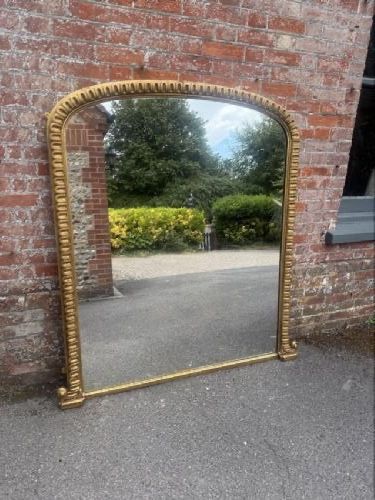
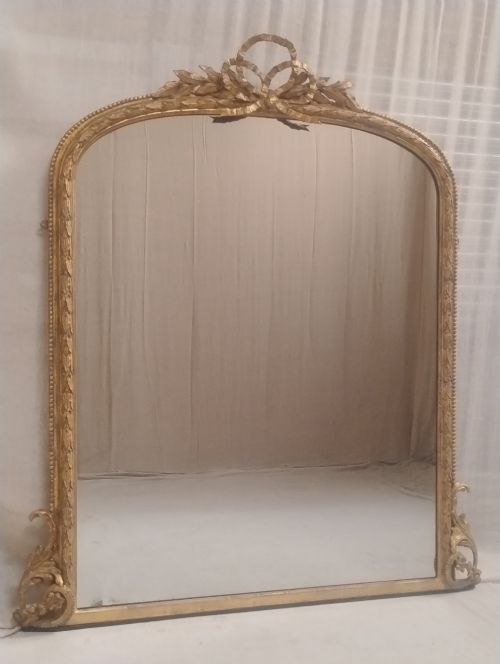
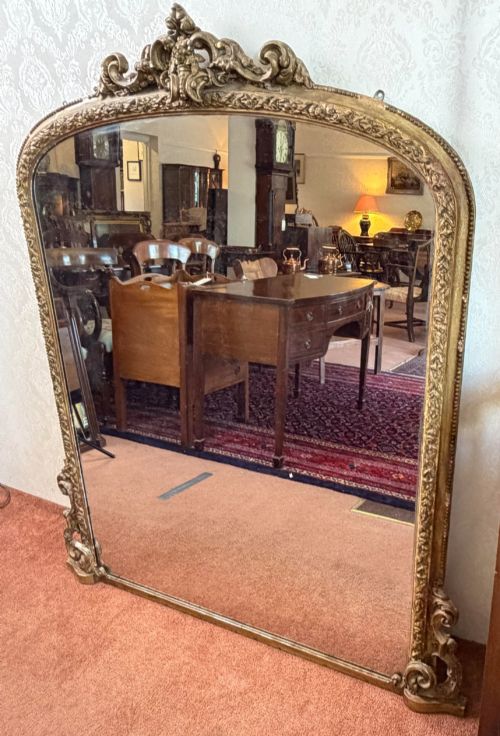
The defining characteristic is the arched or shaped top, paired with substantial proportions and a gilded surface.
Materials and construction
Makers built the foundational frames using carved wood, applying layers of plaster and gesso to build up decorative mouldings, ribbed patterns, and shaped crests.
The gold finish relies on gold leaf or traditional gilding applied over the prepared gesso and wood base.
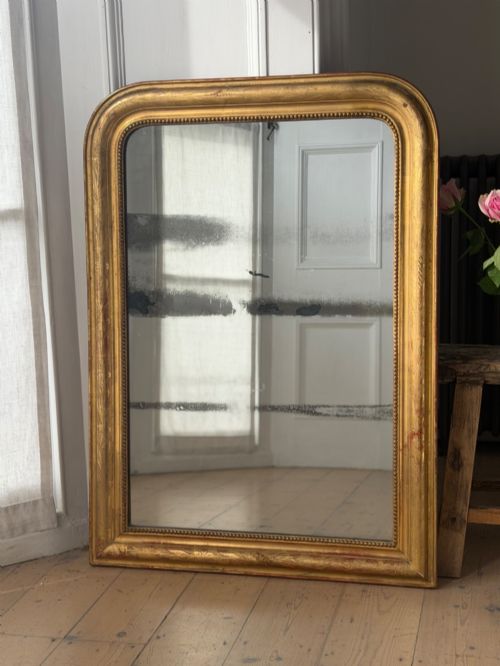
Mirrors utilise glass plates, occasionally featuring period characteristics such as foxed mercury glass.
Some nineteenth-century makers incorporated nautical rope twists into heavy gilt overmantel frames.
Distinctions in quality
Quality rests in the depth and crispness of the carved wood and gesso ornamentation, separating mass-produced decorative items from finely detailed nineteenth-century work.
The integrity of the original gilding and the preservation of the glass plate dictate the desirability and visual impact of the piece.
The Large Gold Arch Mirror Glossary
- Overmantle mirror
- A large mirror specifically shaped to fit the space on the wall directly above a mantelpiece or fireplace.
- Gesso
- A plaster-like mixture applied to wood frames to create a smooth surface for subsequent gilding and carving.
- Giltwood
- Timber that has been coated with gold leaf or gilt finish, forming the primary metallic surface of the frame.
- Pier mirror
- A tall mirror designed to hang on the narrow section of wall between two windows.
- Louis Philippe
- A nineteenth-century French style characterised by restrained classical proportions and gentle arched tops.
Large Gold Arch Mirror: Frequently Asked Questions
Where should I hang an overmantel mirror?
These large mirrors traditionally sit on the chimney breast directly above a fireplace, anchoring the room's main focal point.
Alternatively, position them on a substantial wall to bounce light around the space and create an illusion of greater depth.
How do I identify a Victorian mirror?
Victorian examples often feature heavy timber frames covered in gesso with distinctive arched tops, rope twists, or tulip motifs.
Examining the construction methods and the backboards helps confirm the nineteenth-century period origin.
What is foxed glass?
Foxed glass refers to the natural ageing of the reflective backing, creating mottled spots and a characteristic misty appearance.
This oxidation is common in older mercury glass plates and adds historical character to antique mirrors.
How do English and French mirrors differ?
English pieces from the nineteenth century frequently present robust architectural framing designed for overmantel placement with gesso enrichment.
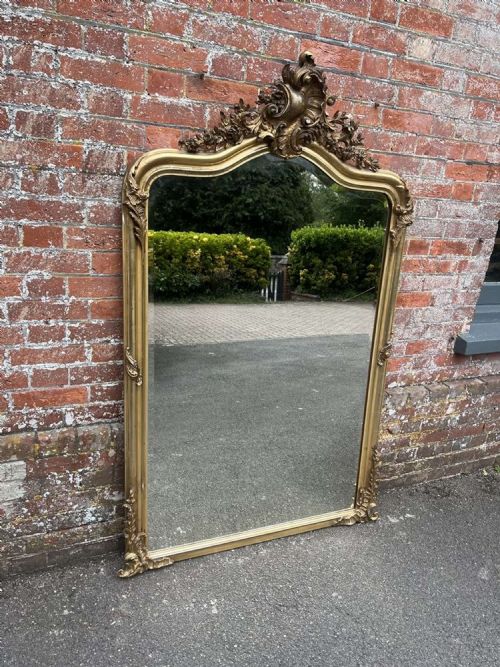
French equivalents, such as Louis Philippe or Rococo styles, often employ softer crests and refined decorative moulding.