


Carved Foliage Wall Mirror
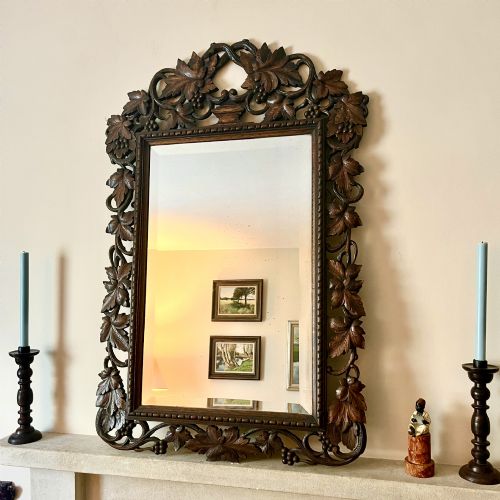
These carved foliage wall mirror examples bring ornate woodwork and reflective glass into a room, offering immediate visual depth.
Carved Foliage Wall Mirror
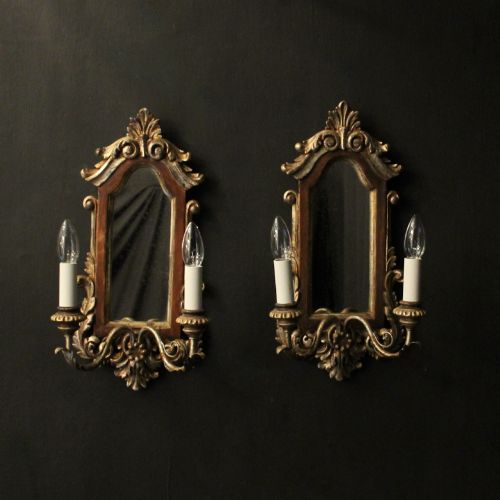
A carved foliage wall mirror brings organic motifs and intricate woodwork into domestic spaces, drawing from traditions spanning the eighteenth and nineteenth centuries. Buyers browsing this selection encounter wall mirrors, overmantel mirrors, and twin arm girandoles reflecting various regional aesthetics.
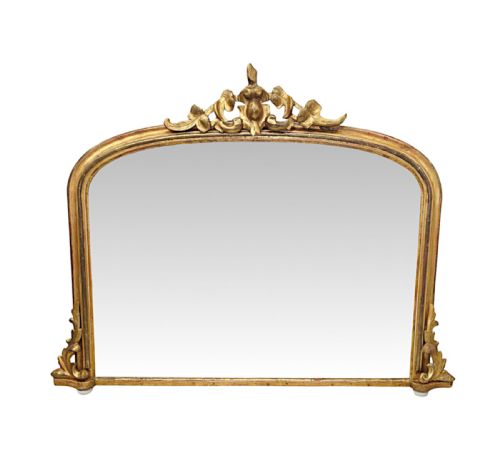
The prevalent versions on this page originate from Italian, French, and English workshops, with Florentine designs particularly prominent. Pieces range from compact oval and archtop formats to large overmantels designed to anchor a room.
Stylistic influences vary widely, encompassing Florentine Baroque, Florentine Rococo, French Rococo, and Victorian Arts and Crafts traditions. This variety allows collectors to match specific period interiors or introduce sculptural focal points into modern rooms.
How they were made
Craftsmen shaped these frames from solid timbers such as oak, walnut, mahogany, and general wood substrates before applying decorative finishes. Artisans then built up intricate foliage motifs using layers of gesso applied over the carved base.
Many frames received gold leaf or giltwood treatments to achieve a luminous surface, while others were painted to suit specific decorative schemes. Original mirror glass was secured within these ornate borders, completing the construction.
Several mirrors include candle arms, letting eighteenth-century carvers multitask by providing both illumination and foliage decoration.
What varies in quality
The depth and crispness of the foliage carving distinguish finer examples from simpler production, reflecting the skill of the hand carver. Relief work that retains sharp definition and complex undercut detail demonstrates superior craftsmanship.
The application and preservation of the giltwood, gold leaf, or paint finish also determine the character and standing of a piece. Original surfaces that have aged naturally carry greater visual integrity than heavy modern restorations.
The Carved Foliage Wall Mirror Glossary
- Giltwood
- Wood that has been coated with gold leaf or gold paint. This finish creates a reflective and decorative surface characteristic of formal period frames.
- Gesso
- A plaster-like mixture applied to wood frames to provide a smooth base for gilding or painting. It allows craftsmen to model fine relief details before applying gold leaf.
- Girandole
- A branched wall mirror designed to hold candles. The reflective glass enhances the candlelight within the room.
- Overmantel Mirror
- A large mirror designed to hang specifically above a fireplace mantel. These pieces often feature wide proportions to match the scale of the hearth.
- Rococo
- An ornate artistic style featuring asymmetrical scrollwork and naturalistic plant motifs. It heavily influences many of the fluid carved foliage frames seen here.
Carved Foliage Wall Mirror: Frequently Asked Questions
Where should I hang an overmantel mirror?
These large mirrors traditionally sit directly above a fireplace mantel to reflect light and anchor the hearth visually. They also work effectively above low sideboards or large console tables in principal reception rooms.
Ensure the wall fixings match the substantial weight of the timber and gesso frame to support the piece securely.
How do I care for giltwood frames?
Dust the carved foliage gently with a soft, dry brush to prevent dirt from settling into the intricate recesses of the gesso. Avoid liquid cleaners or polishes that can lift or dull the delicate gold leaf surface.
Keep the mirror away from direct heat sources and excessive moisture to protect the wooden substrate and underlying preparation layers.
What is a girandole mirror?
A girandole is a wall mirror fitted with integrated candle arms extending from the frame. These arms allowed candlelight to bounce around the room before the introduction of electric lighting.
They function well as decorative wall sconces that combine illumination with reflective glass.
How do I distinguish Florentine mirrors?
Florentine mirrors typically feature dense, ornate carvings of C-scrolls, foliage, and floral elements executed in giltwood. Their rich surface texture reflects Italian craftsmanship developed across the eighteenth and nineteenth centuries.
They often appear in oval or shaped formats designed to create a dramatic decorative statement.