



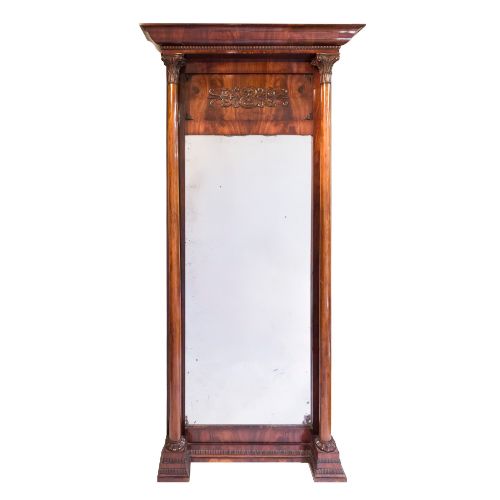
Victorian Carved Pier Mirror
A victorian carved pier mirror brings vertical presence to a room, designed traditionally to hang on the wall space between windows.
Victorian Carved Pier Mirror
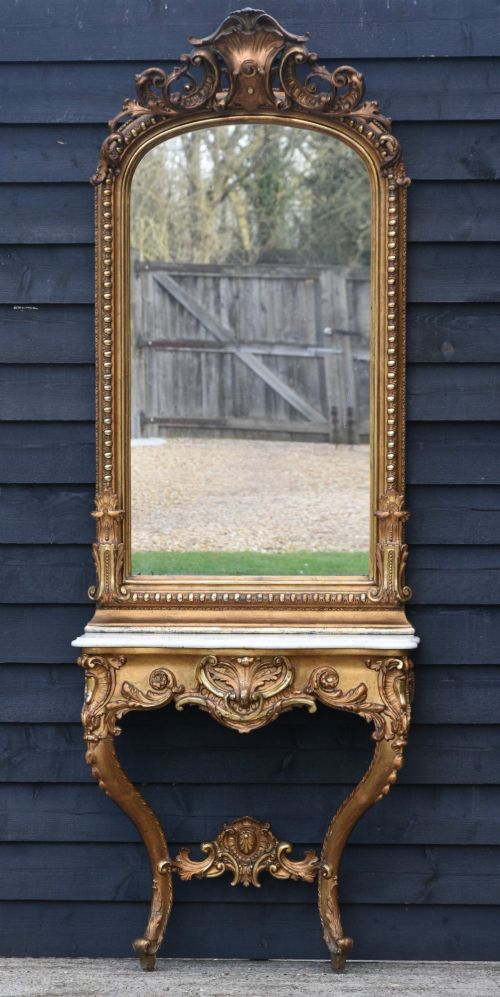
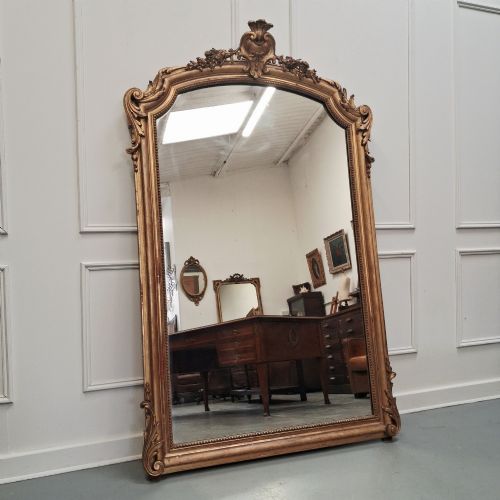
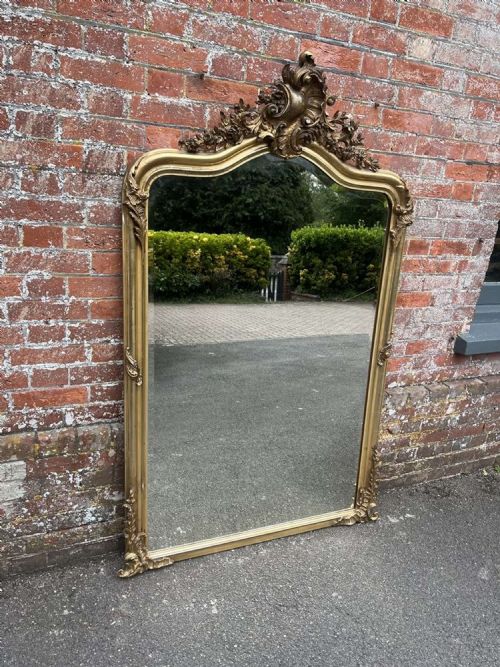
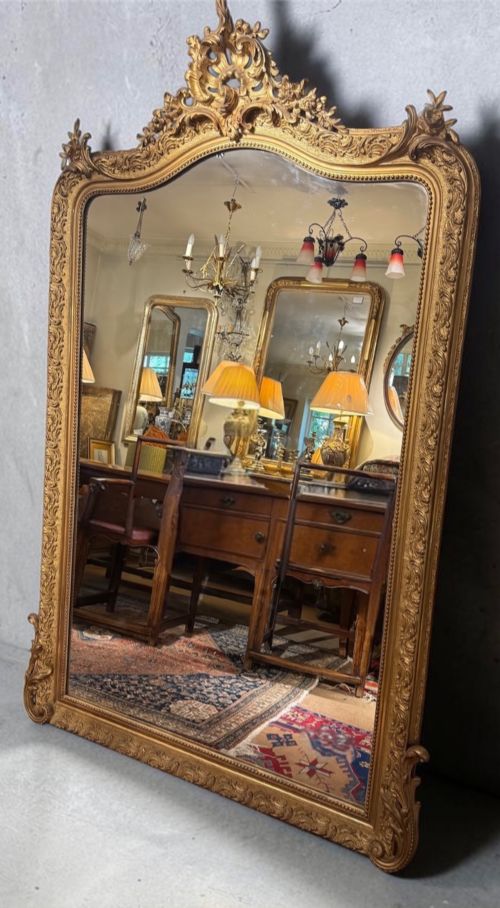
A victorian carved pier mirror typically stands tall and narrow, designed to fit the specific architectural wall space between two windows in a nineteenth century interior. These furnishings often paired directly with console tables positioned beneath them to reflect light and enhance the sense of space in a reception room.
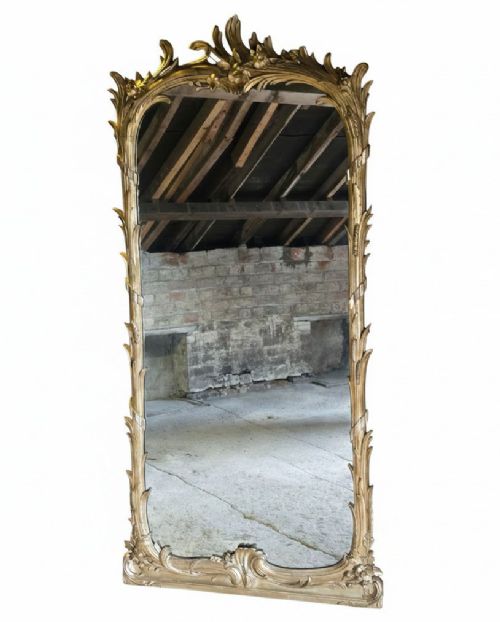
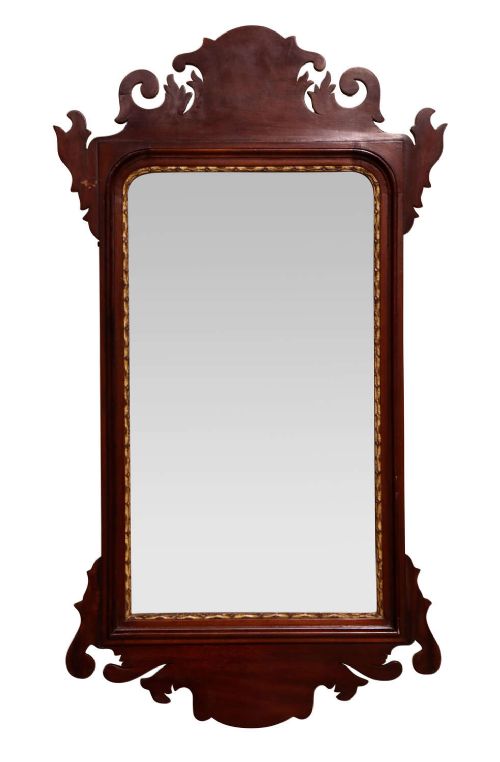
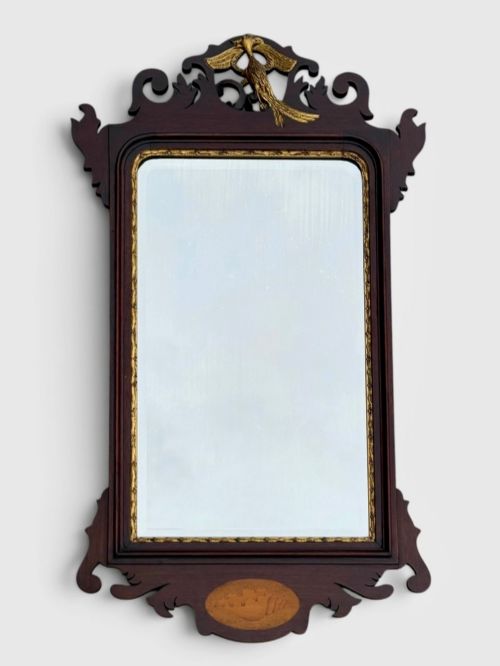
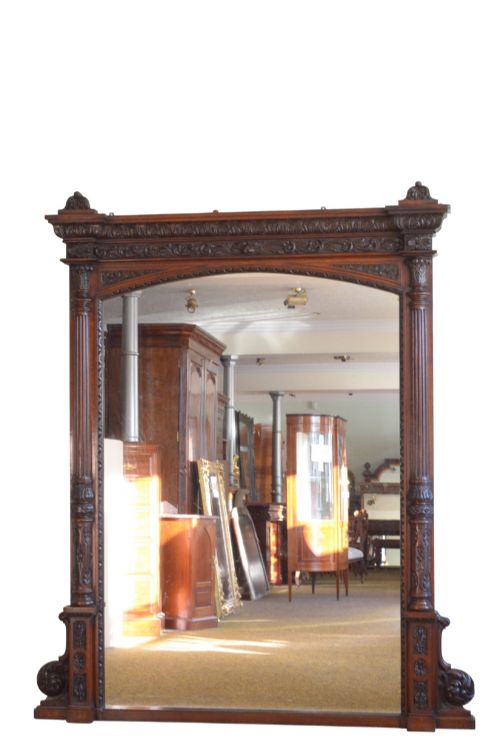
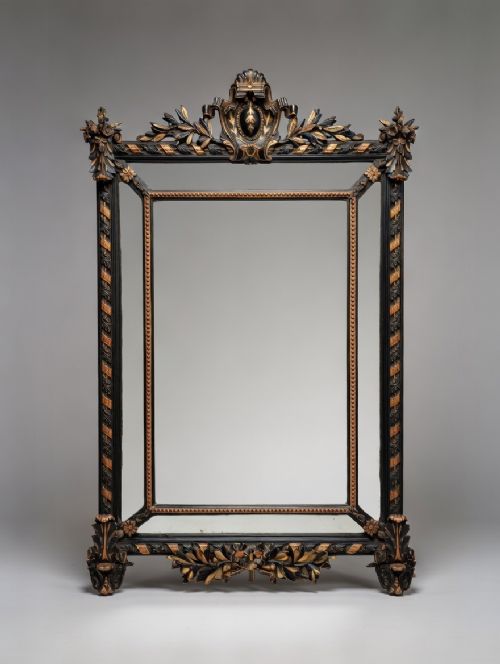
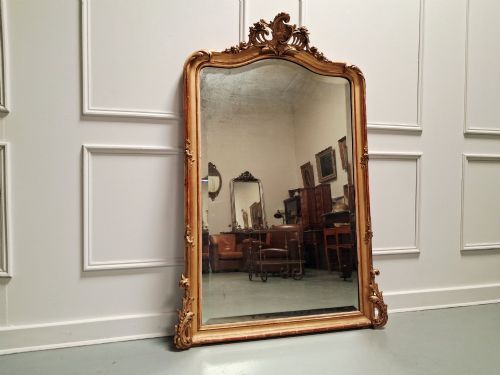
The selection ranges from grand giltwood and gesso statement pieces to architectural mahogany and walnut frames. Examples span various revival movements, including Rococo, Chippendale, and George II styles, alongside French and Italian designs from the 1850s to the 1890s.
How they were made
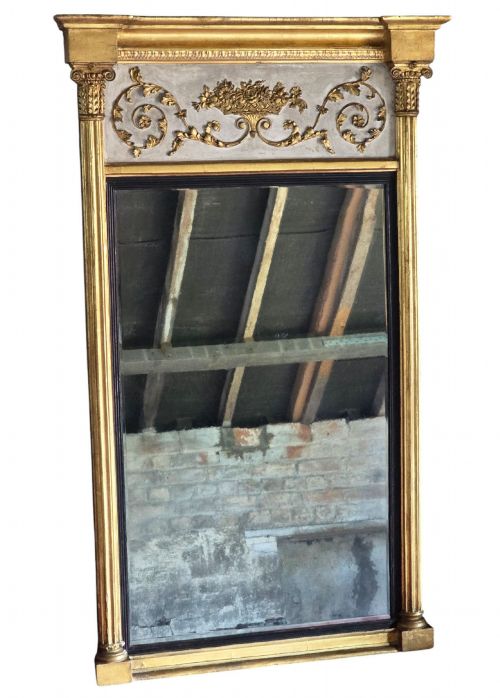
Frames rely heavily on carved wood foundations, utilising solid oak, mahogany, and walnut beneath decorative surface treatments. Artisans applied gesso layers over carved wood substrates to build up intricate relief details before finishing the surface.
Gilding techniques involved applying gold leaf to the prepared gesso surfaces to achieve the bright reflective finishes seen on many tall wall mirrors. Parcel-gilt highlights also appear, combining dark polished wood or ebonised surfaces with selective gold detailing.
Listings feature woods including solid oak, walnut, and mahogany alongside traditional giltwood and gesso finishes.
What varies in quality
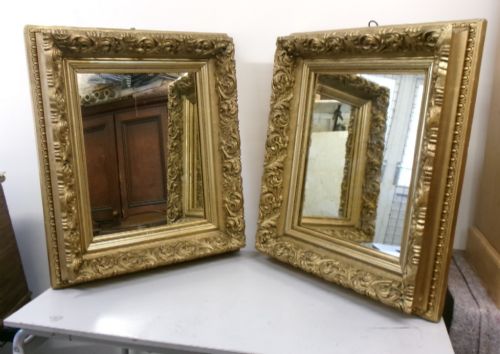
The depth and crispness of the hand carving distinguish finer examples from standard production pieces, particularly where intricate elements like rope moulding, fretwork, or figural motifs are executed with sharp relief. The quality of the underlying wood joinery and the preservation of original giltwood or gesso surfaces also determine the standing of each mirror.
The scale and proportion of the frame relative to the glass plate dictate the visual impact of the piece. Heavier, monumental frames with substantial mirror glass and integrated console tables represent the upper tier of nineteenth century craftsmanship.
The Victorian Carved Pier Mirror Glossary
- Pier mirror
- A tall mirror designed specifically for the wall space between windows, often paired with a console table.
- Gesso
- A plaster-like mixture applied to wood frames to create a smooth surface for subsequent gilding and carved relief work.
- Giltwood
- Timber that has been coated with gold leaf or gold paint to give a decorative metallic finish.
- Parcel-gilt
- Woodwork that is partially gilded, leaving portions of the natural or ebonised wood exposed for contrast.
- Fretwork
- Ornamental design created by cutting intricate patterns through thin boards of wood, common in revival frames.
Victorian Carved Pier Mirror: Frequently Asked Questions
Where should I hang a pier mirror?
These tall mirrors suit narrow wall spaces, traditionally positioned between two windows or above a matching console table to reflect natural light across the room.
They also function effectively in reception hallways or as statement floor-standing mirrors in larger living spaces.
How do I identify the period of a carved mirror?
Dating relies on stylistic clues, wood types, and construction methods, observing whether the piece follows George II revival patterns, heavy Victorian giltwood designs, or later Chippendale fretwork.
Most examples date from the mid to late nineteenth century, reflecting the prevailing revival tastes of the Victorian era.
Are these mirrors heavy to mount?
Many nineteenth century frames are constructed from solid timber and thick gesso, making them substantial objects that require secure wall fixings.
Larger items often function as leaner mirrors placed directly on the floor against a wall for safety and stability.
What is the difference between a pier mirror and an overmantel mirror?
Pier mirrors are traditionally built taller and narrower to fit the wall piers between windows, whereas overmantel mirrors are typically wider to span the horizontal space above a fireplace.
Despite their original architectural placement, many large nineteenth century variants share similar carved wood and gilt aesthetics.