


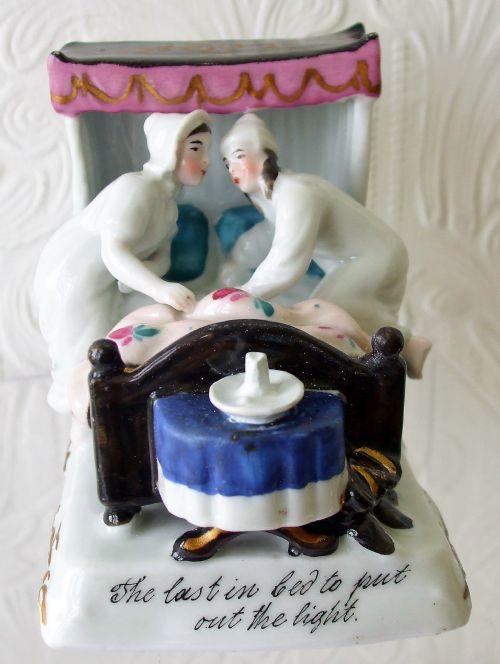


German Ceramic Ornament
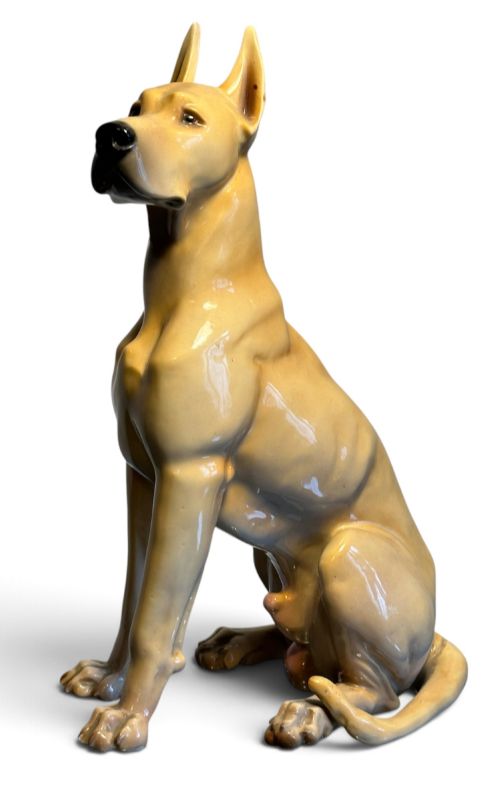
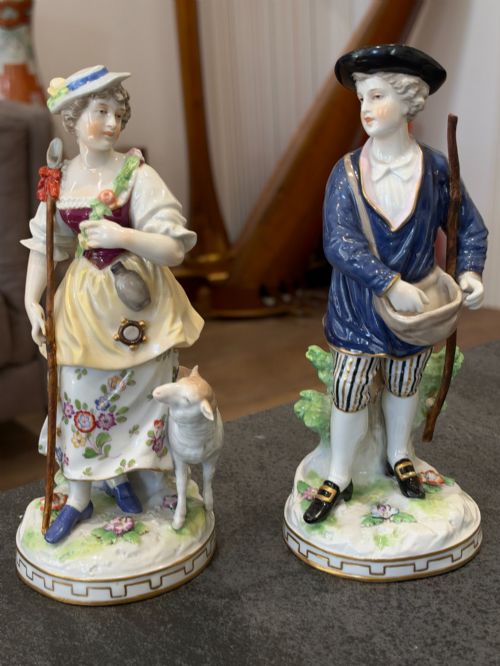
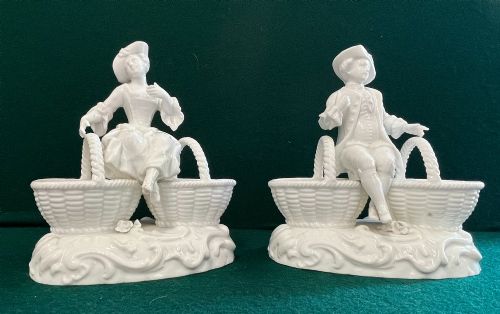
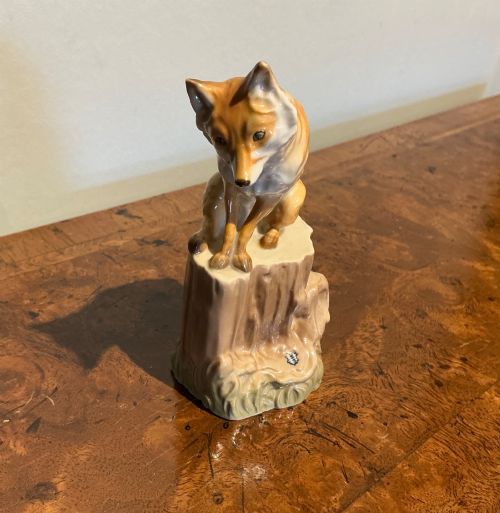
German ceramic ornament pieces encompass figures, birds, and animals crafted across the eighteenth, nineteenth, and twentieth centuries.
German Ceramic Ornament
When searching for a german ceramic ornament, buyers encounter a diverse selection of figures, animals, and decorative objects originating from various European periods. The material expression ranges from eighteenth-century hard-paste porcelain groups to twentieth-century Art Deco terracotta and ceramic figures.
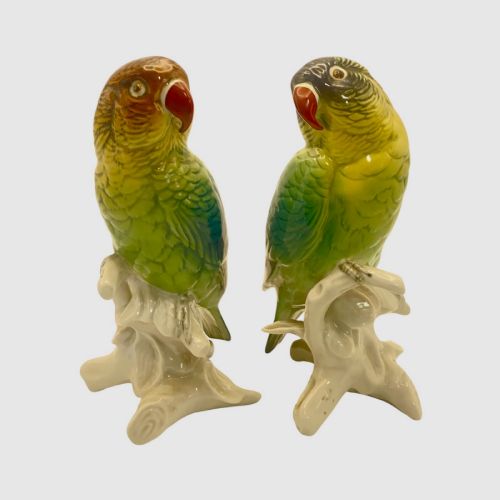
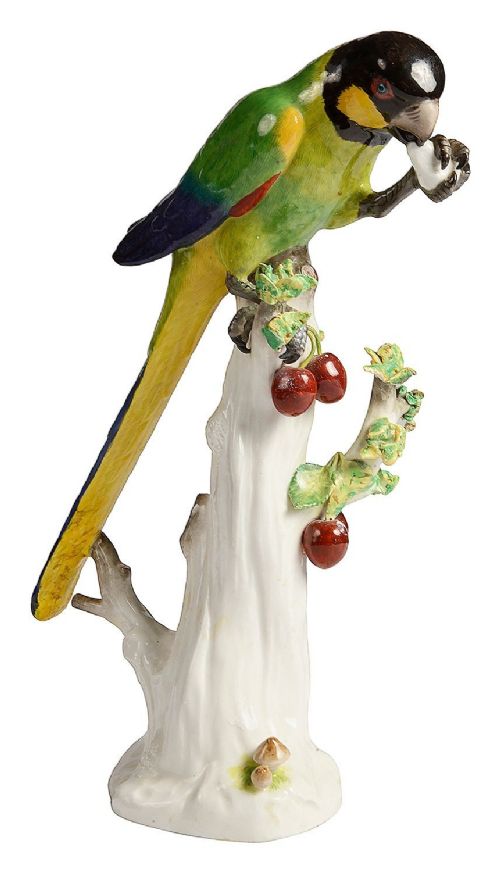
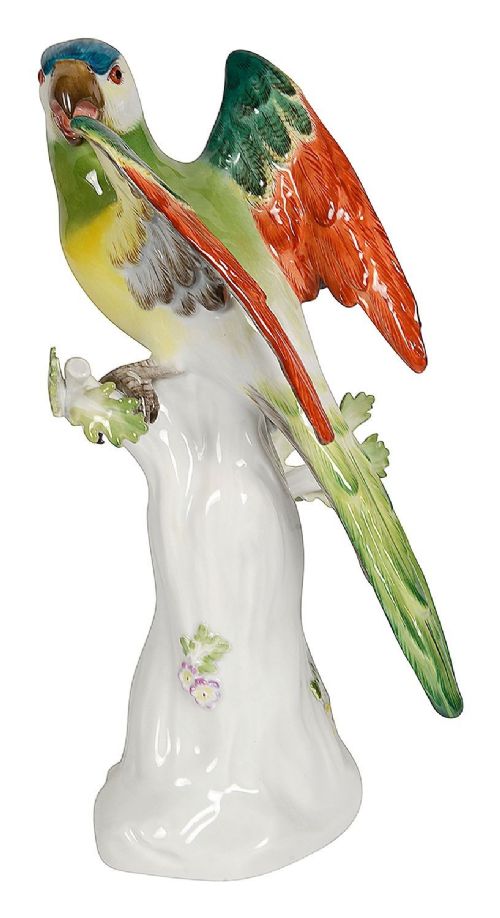
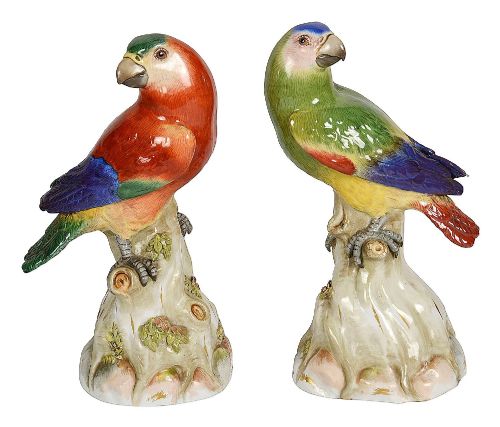
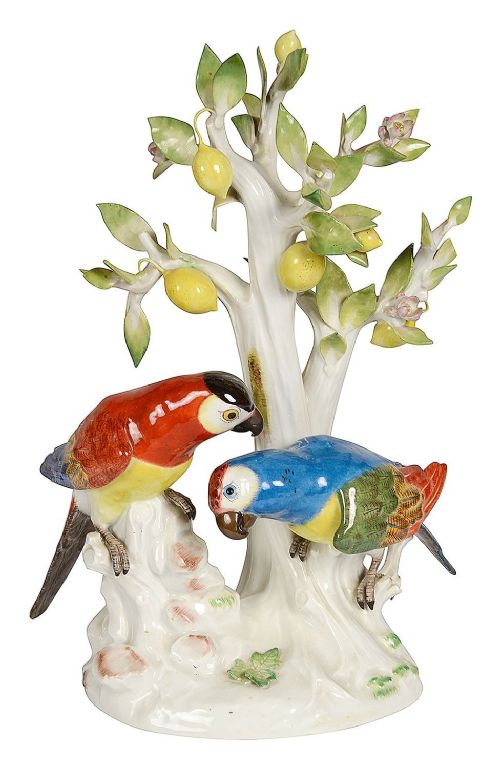
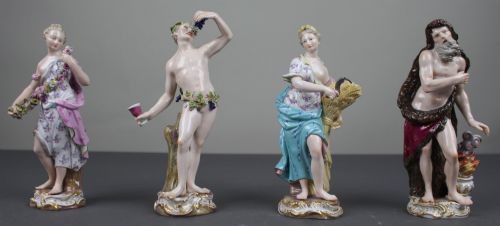
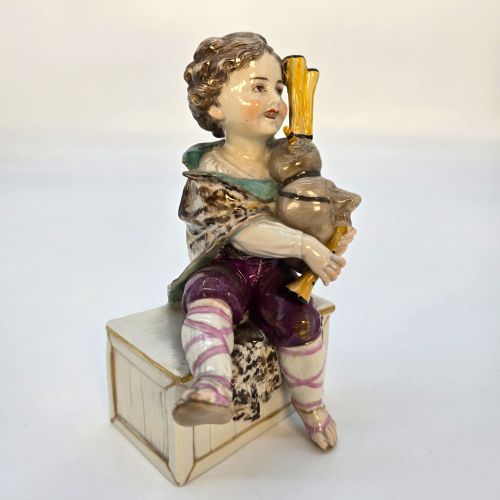
Meissen productions form a prominent category within these listings, spanning pairs of parrots, individual animal models, and allegorical figure sets from the nineteenth and eighteenth centuries. Alongside these, works from Volkstedt, KPM, and other regional factories provide figurines, table lamps, and posy holders dating from the Victorian era onward.
Materials and construction methods
The objects rely on hard-paste porcelain, terracotta, and ceramic bodies shaped through moulding or modelling. Artisans applied glaze and enamel paint to the surfaces, frequently incorporating gold leaf and gilt highlights to accentuate details on figures and animal models.
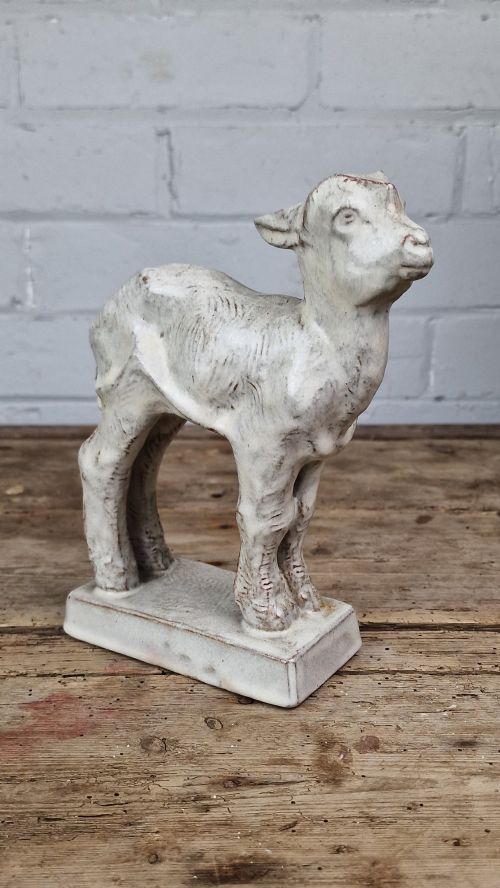
Specialised techniques such as tin glazing appear on earlier animal figures, whilst later twentieth-century pieces utilise smooth ceramic finishes suited to Art Deco designs. Individual elements like trees, bases, and accessories were often modelled separately before assembly and firing.
German Ceramic Ornament Retail Price Guide 2026
Typical asking prices for german ceramic ornament among the pieces listed under this phrase on Sellingantiques today, from the lower quarter to the upper quarter. They describe what is for sale here now, not the wider market.
Object types span figurines, table lamps, inkstands, and posy holders created by various European factories.
Distinctions in craftsmanship and finish
Quality separates through the precision of the modelling and the finesse of the hand-painted enamel work on the porcelain surface. Finer examples display crisp detail in facial expressions, plumage, and drapery, combined with careful control during the high-temperature firing process.
The complexity of the form influences the execution, visible in multi-figure groups or large avian models perched on tree trunks. The application of gilt accents and the smoothness of the glaze further distinguish standard production pieces from master factory outputs.
Meissen·Karl Ens·Nymphenburg·Volkstedt Rudolstadt Factory·Krister KPM Waldenburg·Rosenthal·Theo Voss·Kister Scheibe-Alsbach
The German Ceramic Ornament Glossary
- Hard-paste porcelain
- A durable ceramic composition made from kaolin and petuntse fired at high temperatures. This material forms the base of most eighteenth and nineteenth-century German figures.
- Enamel
- Opaque vitreous material applied to ceramic surfaces for decoration. Artisans paint these colours onto the fired piece before a subsequent low-temperature firing fixes the pigment.
- Posy holder
- A small decorative vessel designed to display cut flowers. These objects often take the form of figures or carts integrated with receptacles for stems.
- Bisque
- Unglazed porcelain with a matte, biscuit-like texture. This finish highlights the sculptural modelling of nineteenth-century piano babies and figures.
- Gilt
- A thin layer of gold applied to the surface of porcelain or ceramic ornaments. It provides decorative trim on garments, bases, and structural elements.
German Ceramic Ornament: Frequently Asked Questions
What periods do these German ornaments cover?
The pieces span from the mid-eighteenth century through the nineteenth century and into the Art Deco period of the twentieth century. This timeline captures shifts from Rococo pastoral models to early twentieth-century ceramic figures.
Production methods and factory marks evolved across these eras, reflecting changing aesthetic preferences in German ceramics.
How were these ceramic figures used historically?
Many items served as decorative table ornaments, mantel displays, or centrepieces in European households. Specific forms like posy holders combined ornamentation with the practical function of holding floral arrangements.
Other objects, including inkstands and table lamps, integrated decorative sculptural forms with everyday desktop or lighting utility.
How do I identify a Meissen piece?
Meissen items often feature characteristic animal and human subjects, including parrots, dogs, and allegorical figure groups. The modelling demonstrates high levels of sculptural detail in feathers, clothing, and naturalistic bases.
These works frequently date from the eighteenth and nineteenth centuries, produced with hard-paste porcelain and hand-painted enamel decoration.
What is an Art Deco German ceramic ornament?
Twentieth-century pieces from the Art Deco period introduce stylised forms, such as dancer figures and terracotta animal models. These items utilise smooth ceramic glazes and distinct period silhouettes characteristic of the 1920s and 1930s.
Makers from this era experimented with new modelling styles while maintaining traditional German ceramic craftsmanship.