


Porcelain Figurine Boy
These porcelain figurine boy objects capture centuries of ceramic craft, offering character and history in small-scale human figures.
Porcelain Figurine Boy
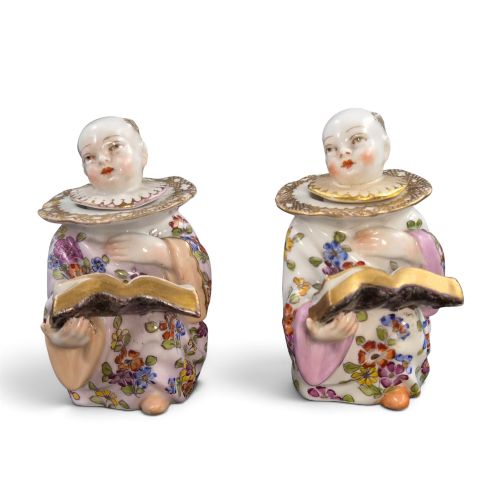
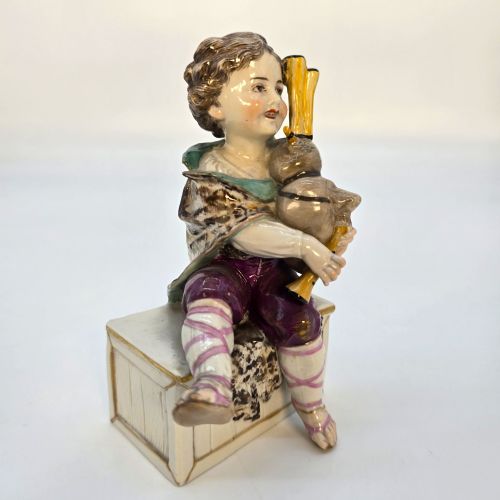
A porcelain figurine boy search brings up depictions of youths acting as singers, harvesters, skaters, and shepherds across several centuries.
The versions most common on this page stem from the nineteenth century, including Victorian and Edwardian examples from German and English factories.
Beyond standalone sculptures, these items take functional forms such as inkwells, posy holders, and incense burners.
Materials and construction
Makers utilised hard-paste porcelain, earthenware, and bisque porcelain, often adding glaze, enamel, paint, and gold leaf to highlight details.
Firms shaped these pieces through moulding and casting, followed by hand-painting of pastel hues and rich polychrome decoration before firing.
Listings span the eighteenth, nineteenth, and early twentieth centuries, featuring British, German, French, and Asian origins.
Assessing craftsmanship and finish
Quality rests on the crispness of the modelling, where finer pieces retain sharp facial expressions and delicate fingers rather than softened outlines.
The execution of the hand-painting distinguishes standard output from superior items, particularly in the blending of enamel colours and the application of gilding.
Edmé Samson·Royal Dux Bohemia·Volkstedt Rudolstadt Factory·Royal Worcester·Krister KPM Waldenburg·Meissen Porcelain·C. G. Schierholz·Niderviller Porcelain·Shelley·Bow Porcelain·Volkstedt Triebner, Ens & Eckert·Ernst Bohne & Söhne·Sitzendorf porcelain·Helena Wolfsohn·Royal Berlin·Gebrüder Heubach·Crown Derby·Satsuma·Teplitz Wien·Katzhutte Herting & co
The Porcelain Figurine Boy Glossary
- Bisque porcelain
- Unglazed ceramic material fired once to create a matte, marble-like surface often seen in nineteenth-century figures. It shows fine detail clearly.
- Hard-paste porcelain
- A durable ceramic composition fired at high temperatures using kaolin and petuntse. It forms a dense, bright body.
- Posy holder
- A small vessel incorporated into a figure to hold fresh flowers. These functional pieces combine display with utility.
- Gilt
- A thin layer of gold applied to the surface of the ceramic for decoration. It accents borders and clothing details.
Porcelain Figurine Boy: Frequently Asked Questions
How were porcelain figurine boy objects used?
Many served purely as decorative mantel or cabinet displays, while others doubled as functional items like inkwells or flower holders.
Their placement in domestic spaces brought miniature depictions of rural life, mythology, or polite society indoors.
How do I identify the period of a boy figurine?
Dating relies on factory marks stamped or painted on the base, alongside stylistic clues from Rococo, Neoclassical, or Art Nouveau designs.
Clothing styles and material finishes such as unglazed bisque versus high-gloss enamel also point toward specific manufacturing eras.
Where were most of these figures made?
Production centred in historic ceramic hubs across Germany, England, and France, with notable contributions from Asian kilns.
European factories like Meissen, Bow, and various German works produced the majority of the examples found here.
How should I care for antique porcelain figures?
Keep them out of direct sunlight to prevent paint fading, and dust gently with a soft brush rather than using wet cloths.
Handle pieces by their main body rather than protruding limbs or delicate accessories like wheelbarrows or instruments.