



Decorative Porcelain Planter
A decorative porcelain planter brings vibrant botanical life indoors, combining sculptural form with painted artistry to anchor a room.
Decorative Porcelain Planter
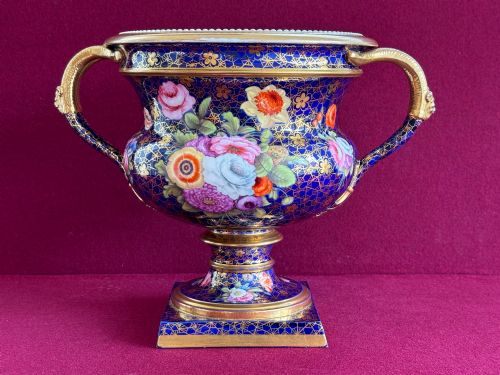
When you search for a decorative porcelain planter, you encounter a refined selection of jardinieres, cachepots, and posy holders spanning the Victorian, Edwardian, and Georgian eras. These vessels were traditionally designed to house potted plants and flowers, protecting interior surfaces while adding elegance to drawing rooms and parlours.
You are most likely to meet pieces originating from English factories such as Royal Worcester and Coalport, alongside continental European and Chinese export examples. The forms range from classical bowls and jardinieres to figural compositions depicting children or cherubs with barrows and fences.
The aesthetic vocabulary encompasses French Rococo Revival curves, Chinoiserie motifs, and the delicate blush ivory glazes characteristic of late nineteenth-century manufacture. Each item demonstrates how ornamental ceramics functioned as centrepieces for domestic horticulture and interior display.
Distinctions in craftsmanship and design
Quality separates mass-produced items from superior works through the precision of the hand-painting and the crispness of the porcelain moulding. Finely executed pieces display subtle tonal gradations in floral motifs and carefully rendered figural details rather than mechanical transfers.
The presence of distinguished factory marks and named artists, such as James Hadley, elevates a piece within its category. Furthermore, the weight of the ceramic body and the integration of gilt bronze or silver-plated mounts indicate the original intended tier of luxury for the domestic interior.
Decorative Porcelain Planter Retail Price Guide 2026
Typical asking prices for decorative porcelain planter among the pieces listed under this phrase on Sellingantiques today, from the lower quarter to the upper quarter. They describe what is for sale here now, not the wider market.
Victorian households expected porcelain cherubs to happily haul wheelbarrows of flowers across the drawing room floor.
Barr Flight and Barr·Krister KPM Waldenburg·Royal Worcester·Coalport
The Decorative Porcelain Planter Glossary
- Jardiniere
- An ornamental pot or stand, typically ceramic or porcelain, designed to hold a living plant or floral arrangement inside the home.
- Cachepot
- A decorative outer pot used to conceal an ordinary flowerpot, preventing water damage to furniture surfaces.
- Blush ivory
- A matte cream-coloured porcelain finish pioneered by Royal Worcester, often decorated with soft floral sprays and gilt highlights.
- Famille rose
- A Chinese ceramic palette distinguished by its predominant use of opaque pink enamel, prominent in export porcelain.
- Posy holder
- A small vessel or figural ceramic piece created specifically to display short-stemmed nosegays and single flowers.
Decorative Porcelain Planter: Frequently Asked Questions
What is a cachepot?
A cachepot is a decorative container designed specifically to hide a plain flowerpot inside. It catches drainage water and allows plants to sit on fine furniture without risk of moisture damage.
These pots appeared in various materials, though porcelain examples offered the highest level of painted decoration for formal reception rooms.
How do I date a porcelain jardiniere?
Dating relies on factory marks stamped or painted on the underside, stylistic cues like Victorian blush ivory, and the overall manufacturing technique. Hand-painted details and specific glaze formulas help narrow the period.
Comparing the base marks against standard ceramic reference guides provides the most accurate production timeframe for British and continental pieces.
Can I plant directly inside them?
Planting directly inside antique porcelain is generally discouraged because moisture can seep through unglazed interior parts or historical hairline fractures. Using a separate inner plastic pot protects the ceramic body from mineral deposits and soil stains.
This method keeps the interior clean and preserves the structural integrity of the antique vessel for future generations.
What is blush ivory porcelain?
Blush ivory is a distinctive ceramic finish developed during the Victorian era, characterised by a warm, matte cream background. It mimics the appearance of ivory and provides a muted surface for hand-painted floral sprays.
This technique became a hallmark of late nineteenth-century British ceramic design, particularly at the Royal Worcester manufactory.
Where were jardinieres placed?
Victorians and Edwardians placed jardinieres on tables, plant stands, or directly on the floor in prominent rooms like drawing rooms and parlours. They brought living greenery into indoor spaces during periods when formal interior planting was highly fashionable.
Their placement was calculated to draw the eye and complement the surrounding upholstery and decorative arts.