
Georgian Wooden Storage Cupboard
A georgian wooden storage cupboard brings solid timber utility into a room, offering panelled doors and shelved interiors built for daily service.
Georgian Wooden Storage Cupboard
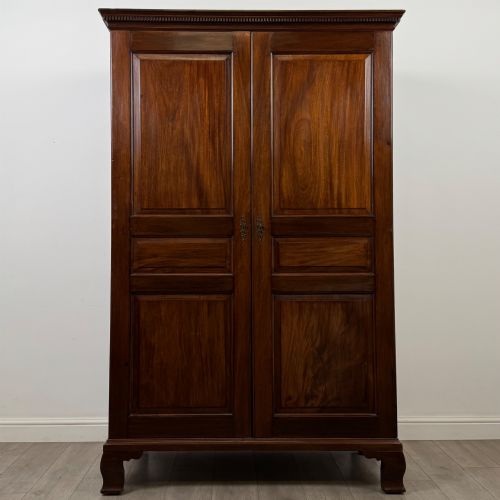
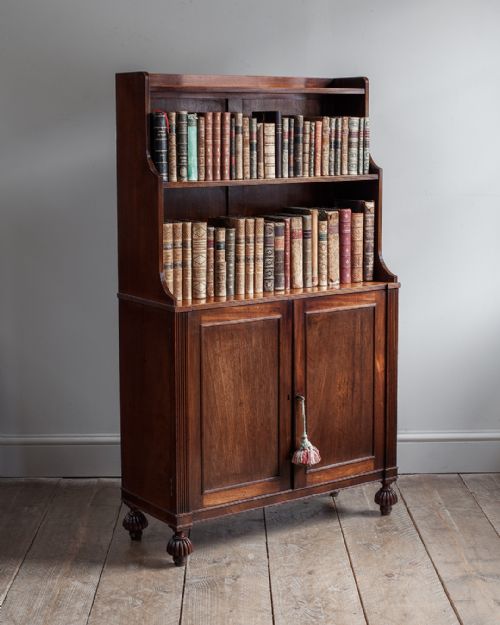
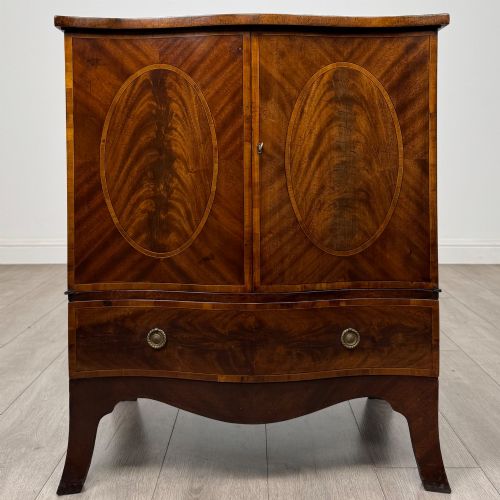
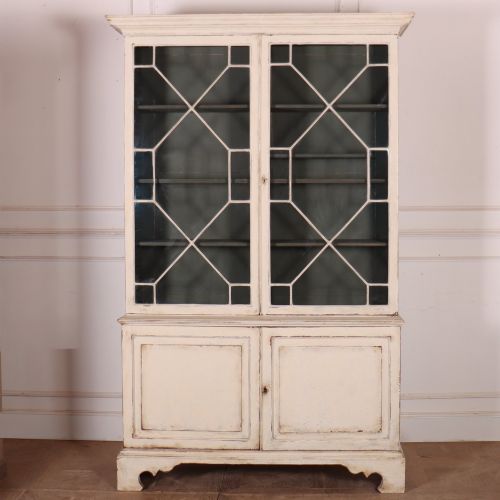
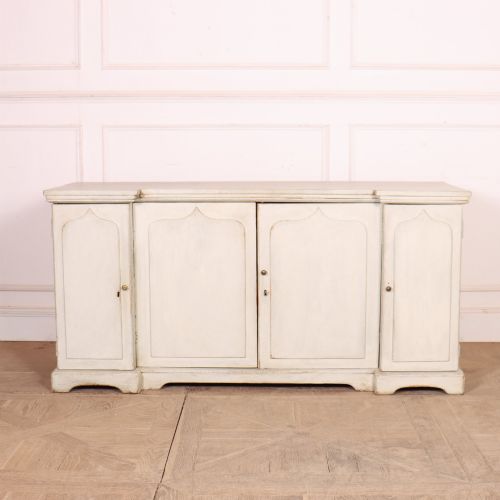
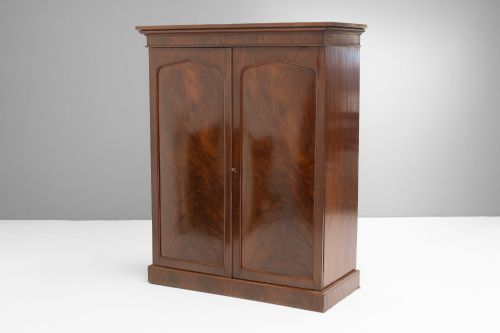
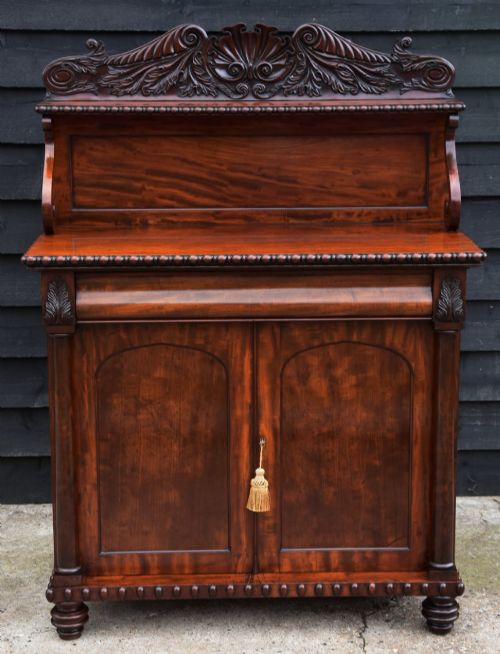
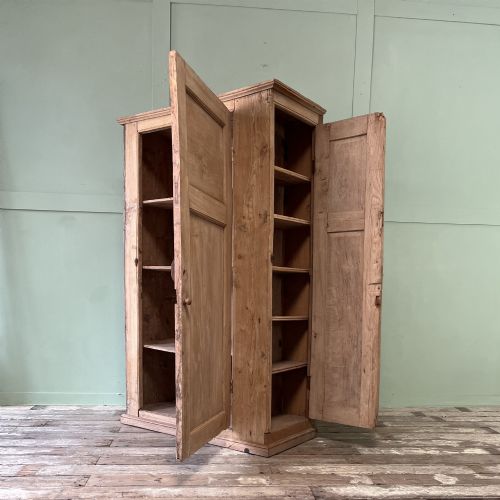
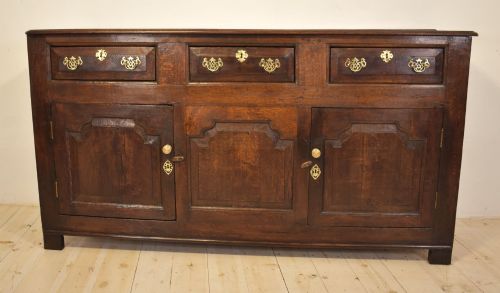
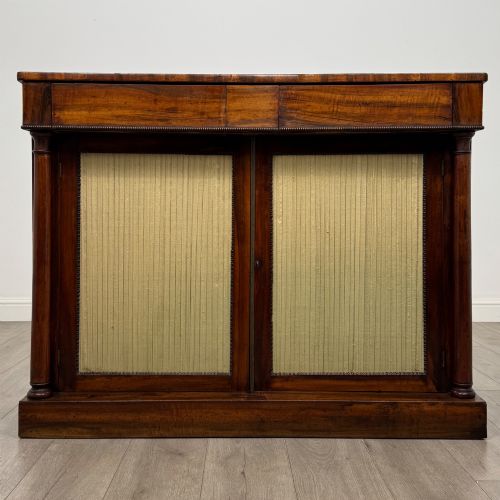
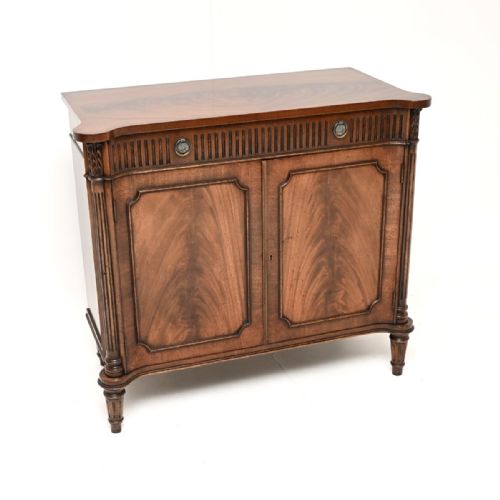
When you search for a georgian wooden storage cupboard, you encounter case pieces designed to hold linen, books, food, or wardrobe contents across domestic interiors. The forms on this page span corner cabinets, side cabinets, linen presses, gentlemans wardrobes, spice cupboards, and bedside night tables.
Most examples originate in the Georgian and Regency eras, alongside vernacular pieces in oak, elm, and painted pine from the eighteenth and nineteenth centuries. You also meet later revivals from the Edwardian period and the early twentieth century constructed in the older styles.
The timber varies according to the room the piece was made for, ranging from figured mahogany in formal reception spaces to sturdy oak and elm in regional country kitchens and Welsh vernacular settings.
Materials and construction
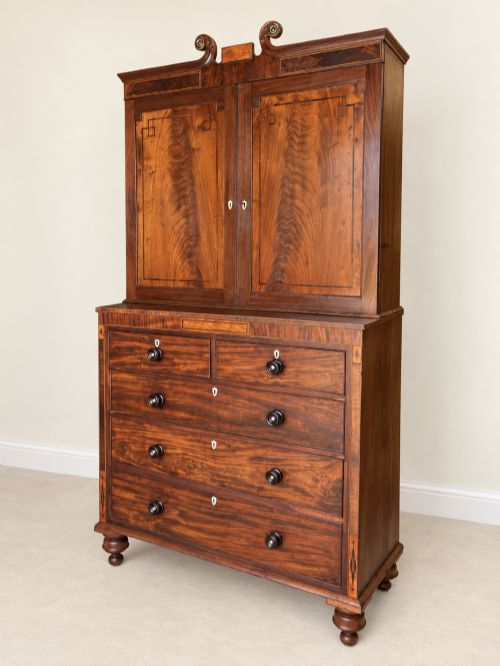
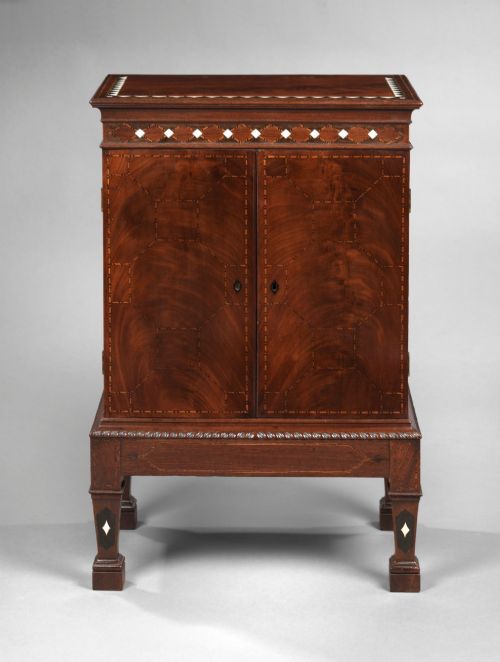
Cabinet makers constructed these cupboards using solid timbers like oak, elm, and mahogany, frequently applying flame mahogany veneer to primary display surfaces. Panels were panelled into frames to allow for seasonal wood movement without splitting the structure.
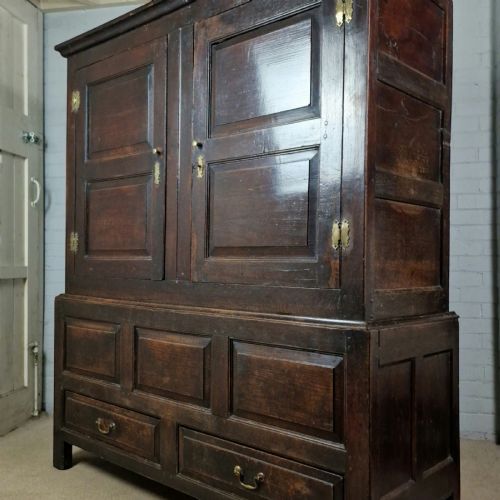
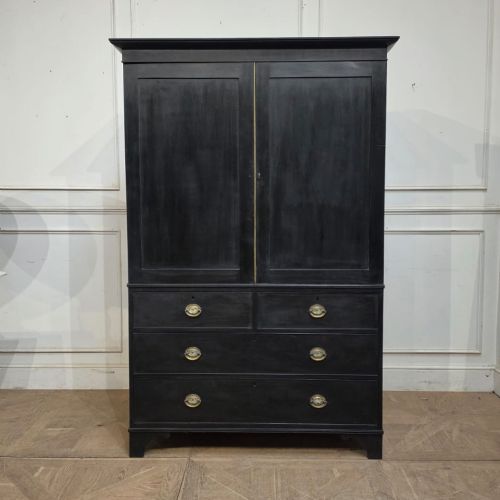
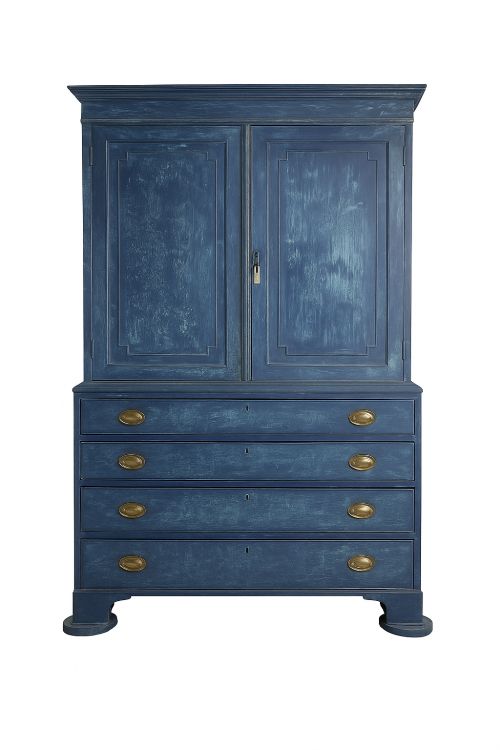
Brass fittings such as H-hinges, escutcheons, and working locks secure the doors, while internal shelving provides adjustable or fixed storage for household stores. Painted finishes in blue or ebonised pigments appear alongside natural waxed grain.
Listings feature mahogany, oak, elm, walnut, and painted pine across forms ranging from corner cabinets to linen presses.
Judging execution
Quality rests on the selection of timber figure, such as well-matched flame mahogany veneer or dense, quarter-sawn oak, and the crispness of mouldings and bracket feet. Superior pieces retain their original brass hardware, working locks, and interior shelving without extensive timber replacement.
Joinery detail separates standard utility work from finer cabinet making, visible in tight dovetail joints on drawers, flush panel fitting, and balanced proportions across architectural cornices and bow-fronted doors.
The Georgian Wooden Storage Cupboard Glossary
- Linen press
- A tall cupboard featuring upper sliding trays or shelves enclosed by doors, traditionally used for storing folded textiles and garments.
- Corner cupboard
- A triangular case piece designed to fit snugly into a room angle, utilising space that standard rectangular furniture leaves empty.
- Flame mahogany veneer
- Thin slices of mahogany timber cut from the fork of the tree to create a distinctive, flickering flame pattern across cabinet doors.
- Vernacular
- Regional furniture built by local joiners using native woods like oak and elm, prioritising practical utility over metropolitan stylistic trends.
- Gentlemans wardrobe
- A tall storage piece combining hanging space with internal drawers or trays for folded gentleman's attire.
Georgian Wooden Storage Cupboard: Frequently Asked Questions
What is a linen press?
A linen press is a tall storage cupboard that pairs upper cabinet doors with sliding internal trays or shelves. These compartments were specifically designed to keep folded household linens flat and organised.
Over time, many of these pieces were converted into wardrobes by removing the internal trays to insert a hanging rail for modern clothing.
How do I identify a Georgian corner cupboard?
Georgian corner cupboards are built with an angled back and straight sides designed to fit neatly into the corner of a room. They often feature panelled or glazed single doors and decorative architectural cornices at the top.
Earlier examples utilise solid oak with brass H-hinges, while later Georgian and Regency versions frequently display mahogany veneers and stringing inlay.
What woods were used for these cupboards?
Makers relied on native and imported timbers depending on the region and the formality of the commission. Oak and elm predominate in country vernacular pieces, while mahogany and flame mahogany veneer define formal urban furniture.
Painted finishes and pine also appear across provincial cupboards and regional pieces.
How should I care for an old wooden cupboard?
Keep wooden storage pieces away from direct heat sources and dramatic humidity shifts to prevent timber warping and veneer lifting. Feeding the dry grain with a traditional beeswax polish preserves the surface sheen.
Ensure the piece sits level on the floor so the heavy panelled doors hang straight and latch correctly into their original brass locks.