

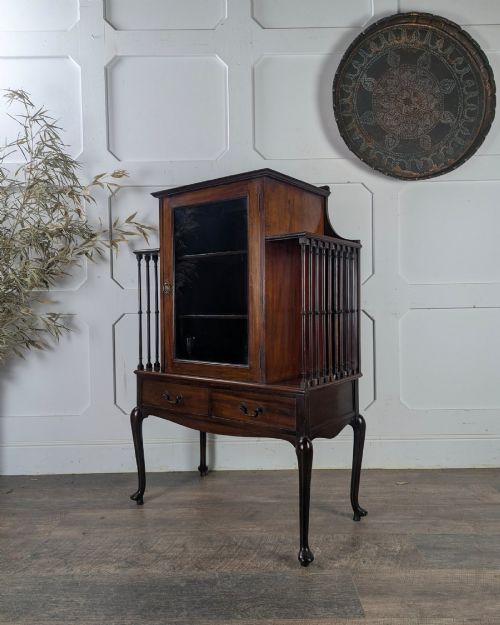
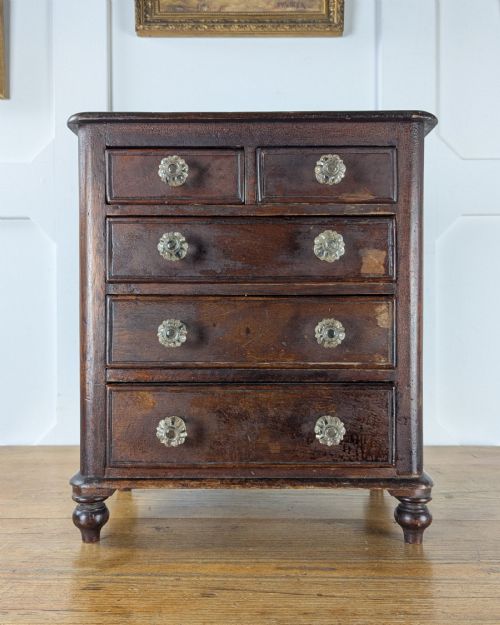
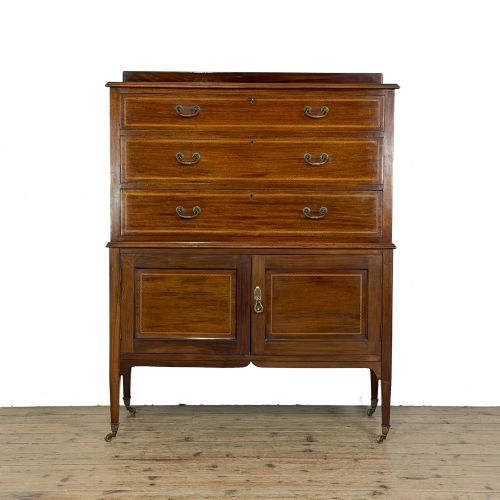
Vintage Mahogany Storage Cupboard
A vintage mahogany storage cupboard is a sturdy timber piece designed to organise household items, bringing warmth and period character to a room.
Vintage Mahogany Storage Cupboard
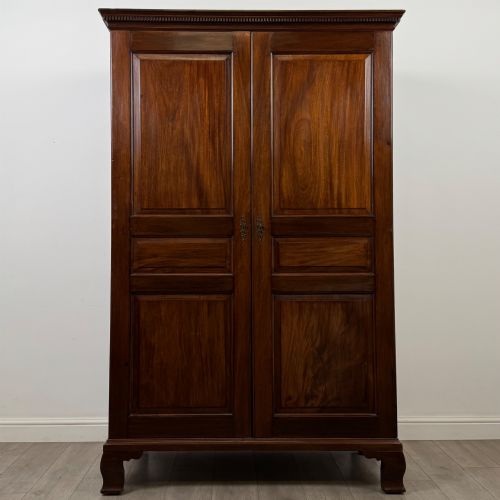
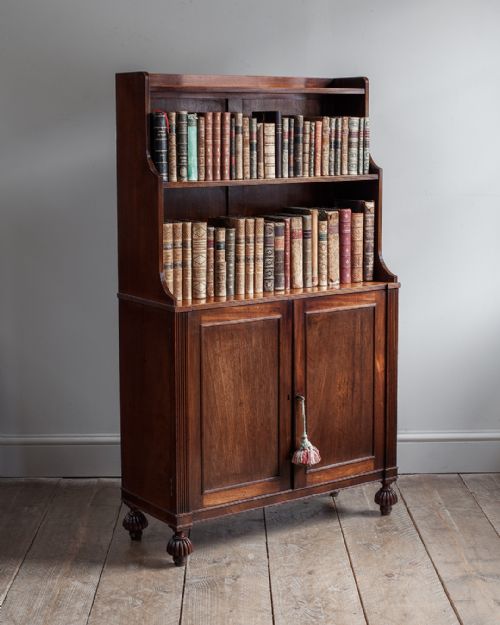
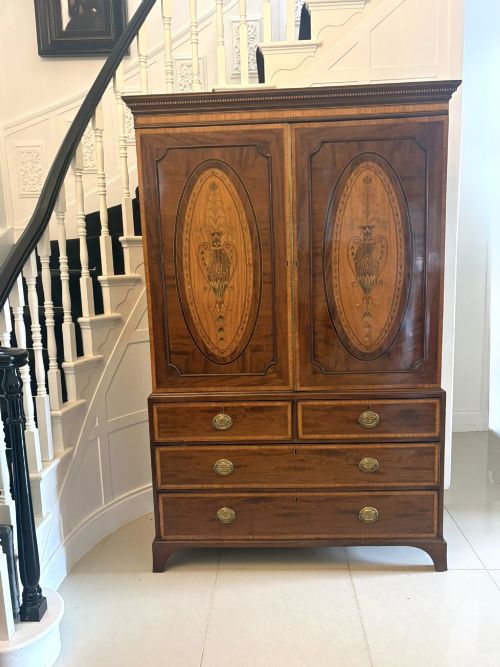
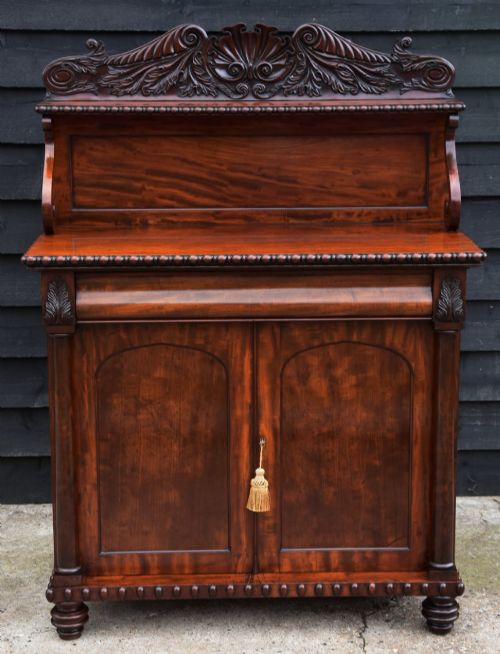
A vintage mahogany storage cupboard encompasses a diverse range of functional furniture forms from Georgian, Victorian, and Edwardian periods. Buyers searching this phrase encounter tallboys, linen presses, chiffoniers, sideboards, and bedside cabinets built to hold clothing, books, and household goods. These pieces originate from workshops spanning the eighteenth, nineteenth, and early twentieth centuries, reflecting changing domestic needs over generations.
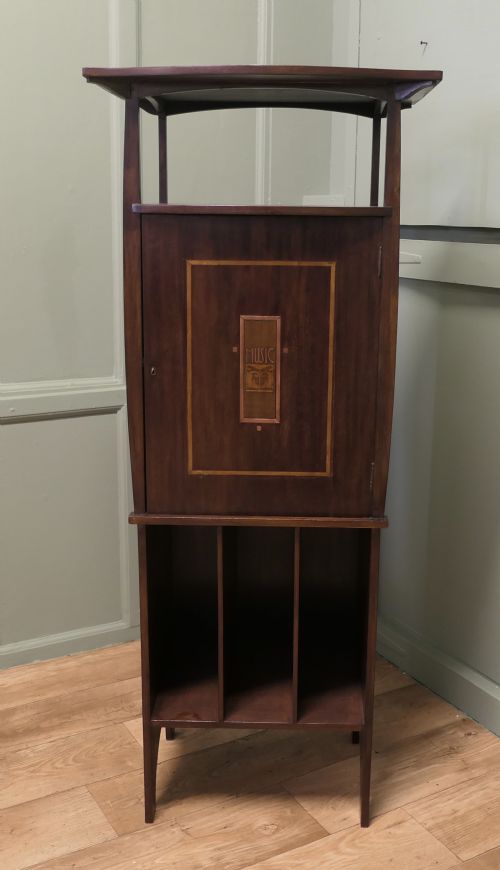
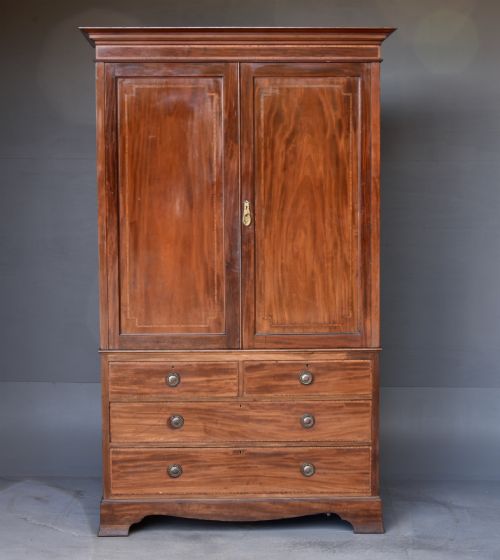
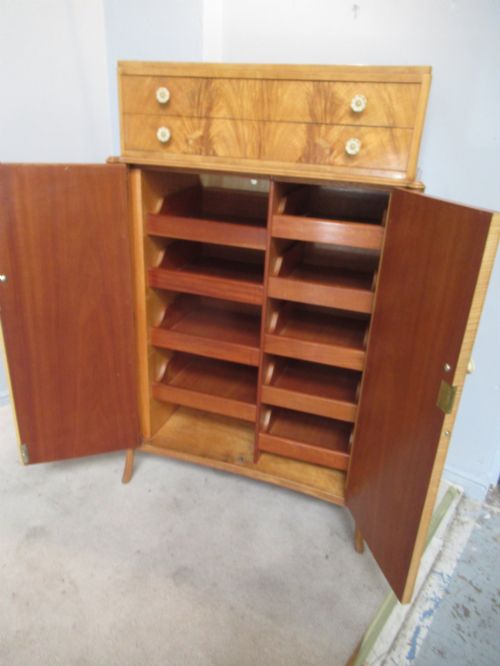
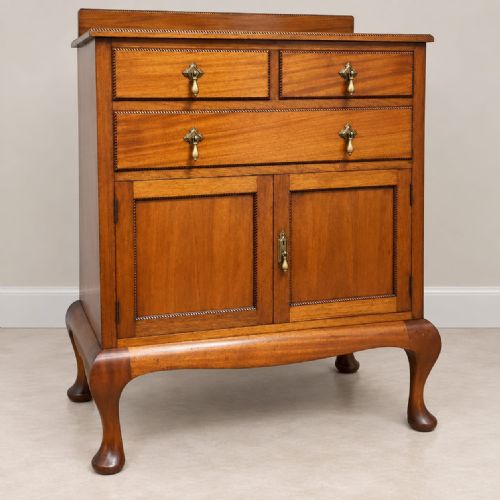
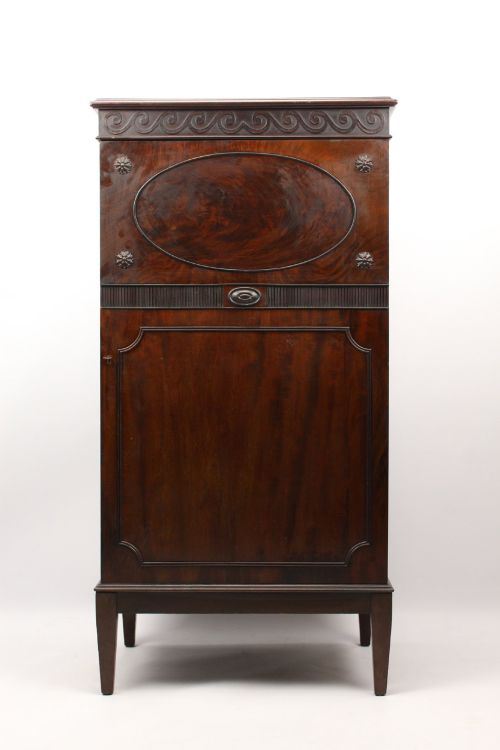
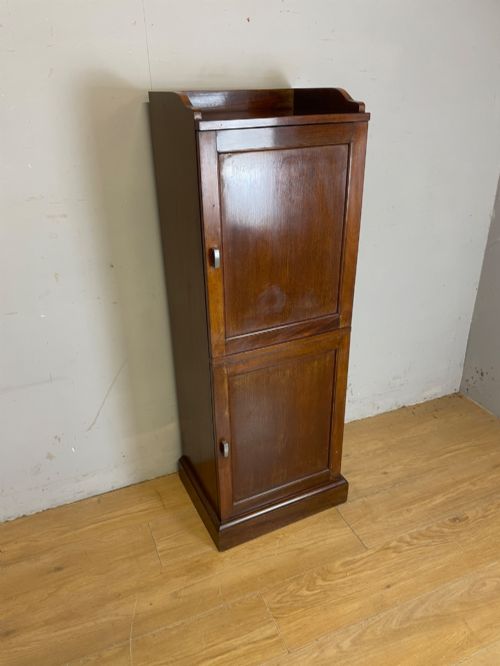
The most common examples on this page date from the Edwardian era and the nineteenth century, often taking the form of two-door cupboards, bowfront chests, or compact bedside units. Many incorporate hanging space, internal drawers, or shelving behind panelled doors. From grand linen presses with blind fretwork cornices to modest music cabinets, these items serve practical storage roles while displaying traditional cabinet-making forms.
How they were made
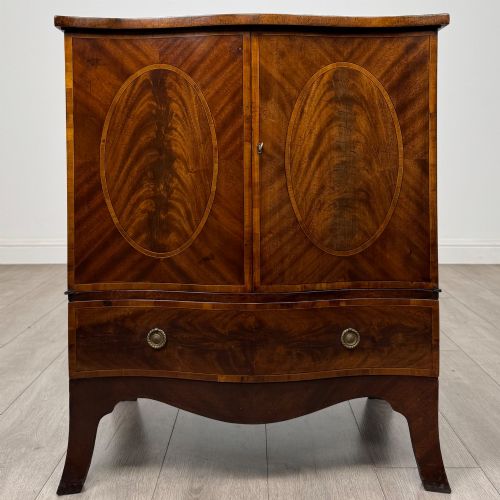
Cabinet-makers relied primarily on solid mahogany and flame mahogany veneers applied over secondary timbers to achieve deep, rich grain patterns. Workshops frequently enhanced the timber surfaces with satinwood inlay, creating contrasting geometric or floral motifs around doors and drawers.
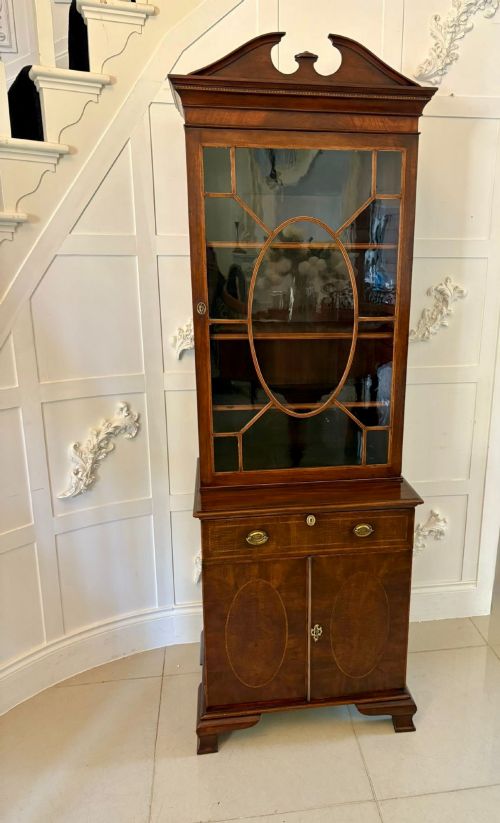
Functional details relied on durable hardware, including brass handles, hinges, and escutcheons that secured doors and drawers. Glass panels appeared on display and bookcase doors, while specialised pieces utilised turned feet, bracket bases, or pedestal supports to elevate the main storage body.
Storage forms on this page include wardrobes, linen presses, music cabinets, and bedside chests.
What varies in quality
The grade of mahogany timber and the selection of veneer heavily influence the visual depth of a piece, with figured flame veneers and crisp satinwood inlay marking higher tiers of craftsmanship. Finer examples display meticulous attention to internal drawer construction and balanced proportions across cornices and base mouldings.
Makers and retail houses also establish distinction, as pieces bearing signatures or attributions to established firms carry a heavier record of skilled design execution. The integration of decorative elements like blind fretwork cornices or carved details separates standard utility furniture from more ambitious workshop productions.
GM Elwood for JS Henry·Maples & Co·Denby & Spinks
The Vintage Mahogany Storage Cupboard Glossary
- Linen Press
- A tall double-door cupboard containing sliding trays or shelves originally intended for storing household linens and garments. Later examples often feature hanging space converted from the original linen slides.
- Chiffonier
- A compact sideboard or low cabinet developed in the Regency and Victorian periods, typically featuring a raised gallery or shelf back above enclosed lower storage.
- Flame Mahogany
- A wood veneer cut from the fork of the mahogany tree to produce a distinctive, flickering flame-like grain pattern. This highly decorative veneer was favored for principal drawer fronts and door panels.
- Blind Fretwork
- Carved ornamentation applied to a flat surface in a geometric or interlaced pattern without piercing through the timber. It frequently decorates the cornices of eighteenth and nineteenth-century presses.
- Tallboy
- A tall chest of drawers standing on a base section, providing substantial vertical storage while occupying a small floor footprint. They date across Georgian, Victorian, and Edwardian periods.
Vintage Mahogany Storage Cupboard: Frequently Asked Questions
How do I date a mahogany cupboard?
Dating relies on examining construction methods, hardware styles, and timber characteristics. Georgian pieces typically show hand-cut dovetails and solid secondary woods, while Edwardian examples often incorporate machine-cut elements and lighter framing.
Period styles such as Regency or Victorian provide further clues through decorative motifs like brass gallery rails, turned feet, or satinwood stringing. Comparing the overall silhouette against known design periods helps narrow down the decade of manufacture.
What is the difference between a linen press and a wardrobe?
A linen press traditionally contains internal sliding trays or shelves behind its main upper doors, designed for folded textiles. Wardrobes focus primarily on vertical hanging space for garments on rails or coat hooks.
Many older linen presses have undergone conversion over time to include hanging rails by removing the internal trays. Examining the interior configuration reveals whether the piece was built for folded storage or full-length garments.
Where should I place a bedside cabinet?
Bedside cabinets fit easily beside a bed frame to hold lamps, books, and small nighttime essentials. Their compact footprint works well in both large master bedrooms and smaller guest rooms.
Matching pairs provide symmetrical balance flanking a bed, while single cabinets suit asymmetric bedroom layouts. Their enclosed storage keeps clutter hidden out of sight.
How do I care for antique mahogany wood?
Antique mahogany benefits from gentle dusting with a soft, dry cloth to remove grit without scratching the polished surface. Keeping the timber away from direct sunlight and strong heat sources prevents the wood from drying out or splitting.
Occasional application of traditional beeswax nourishes the grain and maintains a natural lustre. Avoid using modern silicone-based polishes that can build up and dull the historic finish over time.